
Saturday, April 4th, began with an anticipation that was almost as tangible as the cool morning air. We headed straight toward Estes Park, and even the drive felt like the prologue to a grand epic. About two miles before reaching the town, the road dips in gentle curves, revealing a panorama that forced us to pull over immediately. We paused in a small roadside pullout to deeply absorb our first impressions of Rocky Mountain National Park. It was a play of light and shadow: at first, only the very tip of the mighty Longs Peak peeked out, almost as if it were still hiding a bit behind Lily Mountain. Right next to it stood Kruger Rock, a prominent, snow-free peak acting like a dark sentry in front of the massive, shimmering white Mount Meeker. The colors possessed a clarity only found at such altitudes—the deep green of the pine forests contrasted sharply against the blinding white of the high summits.
Gallery I: The Gateway to the Giants
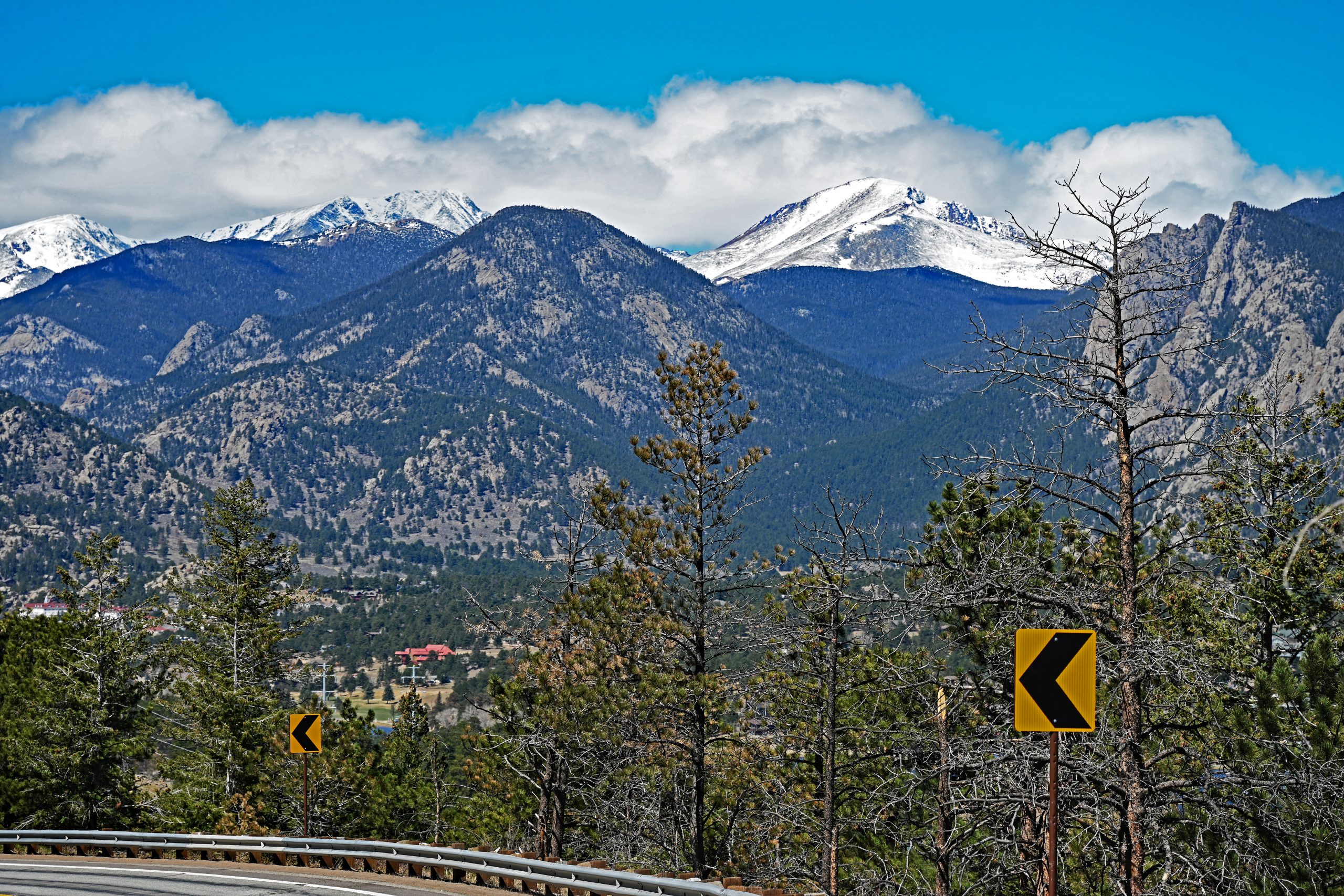
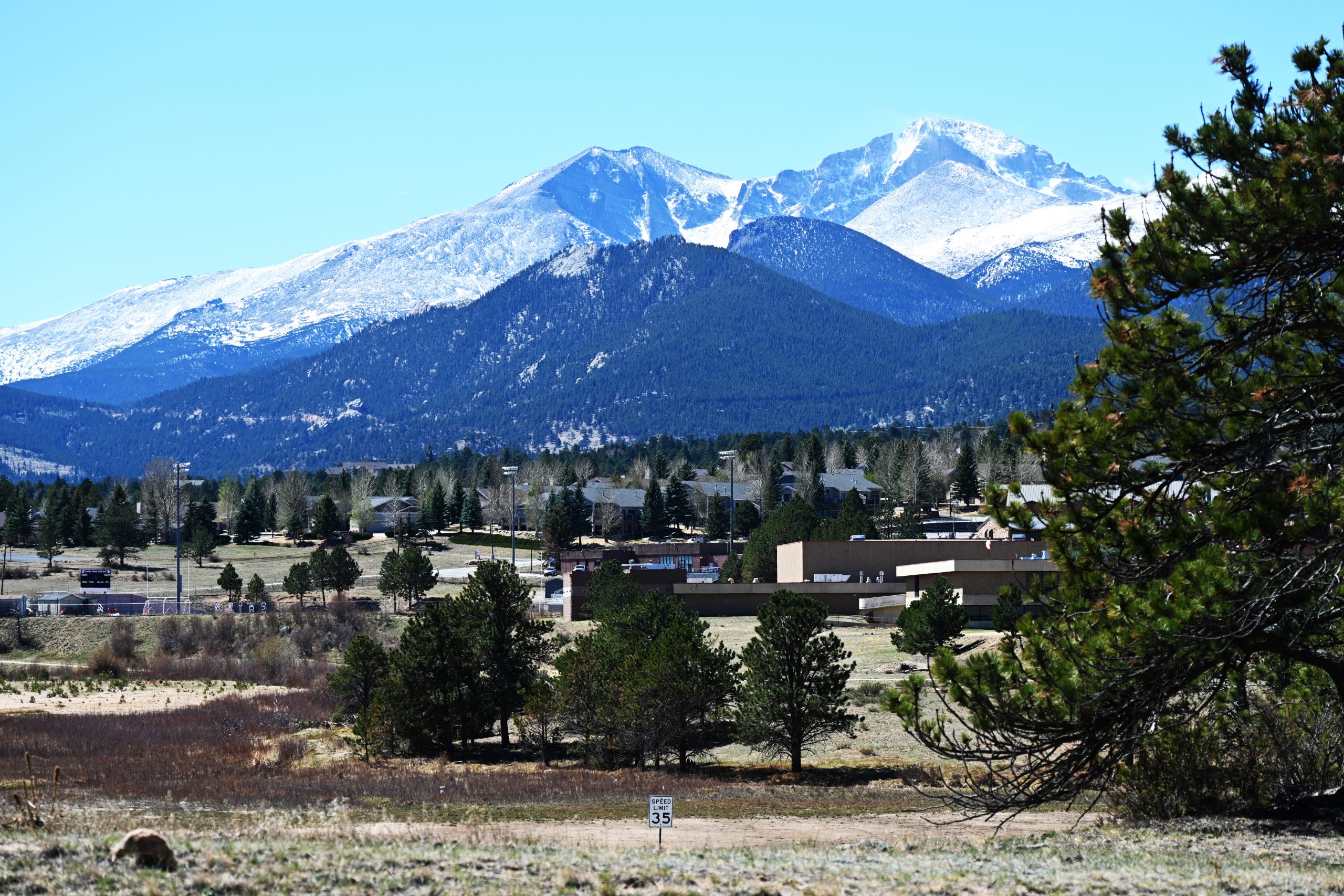
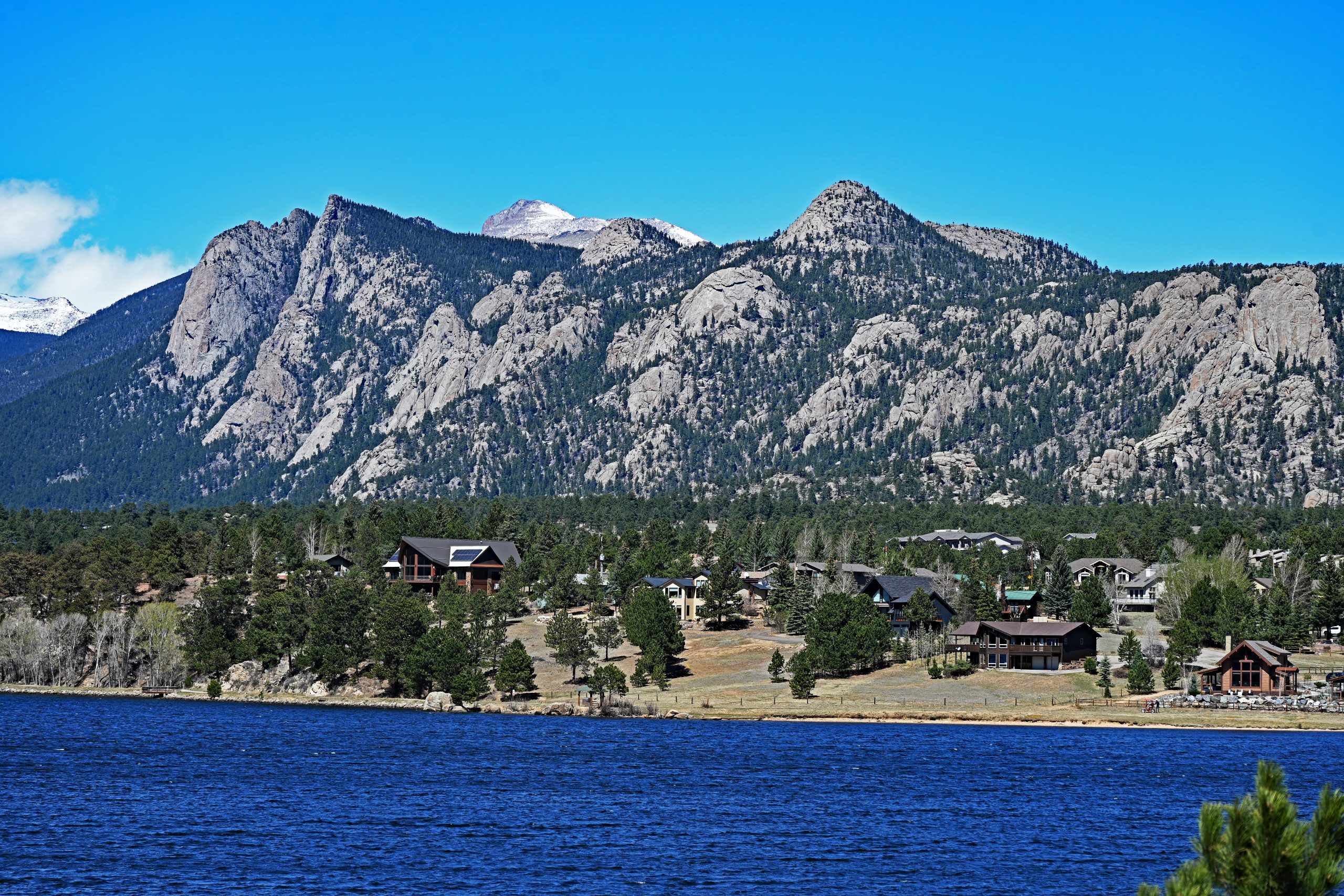
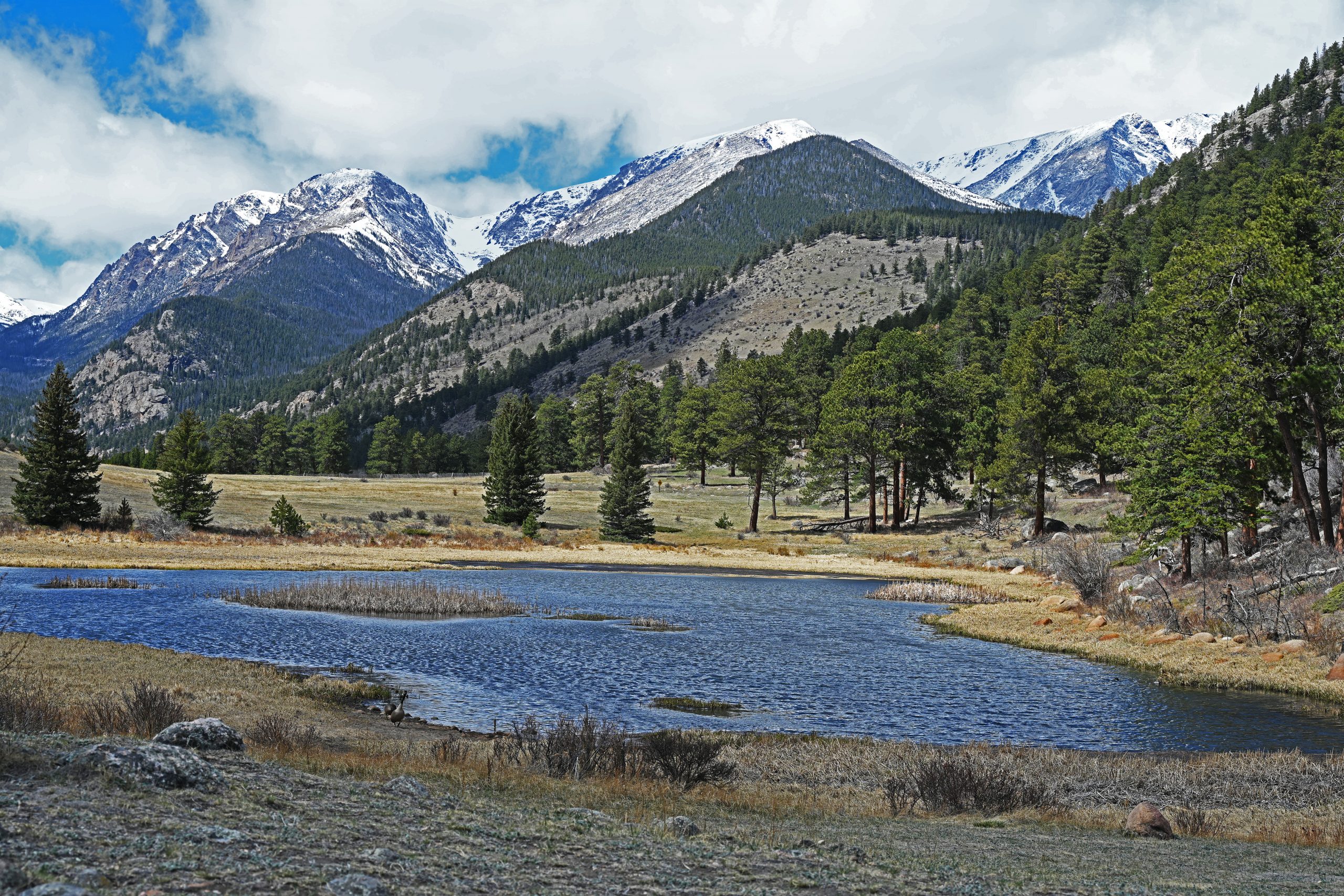
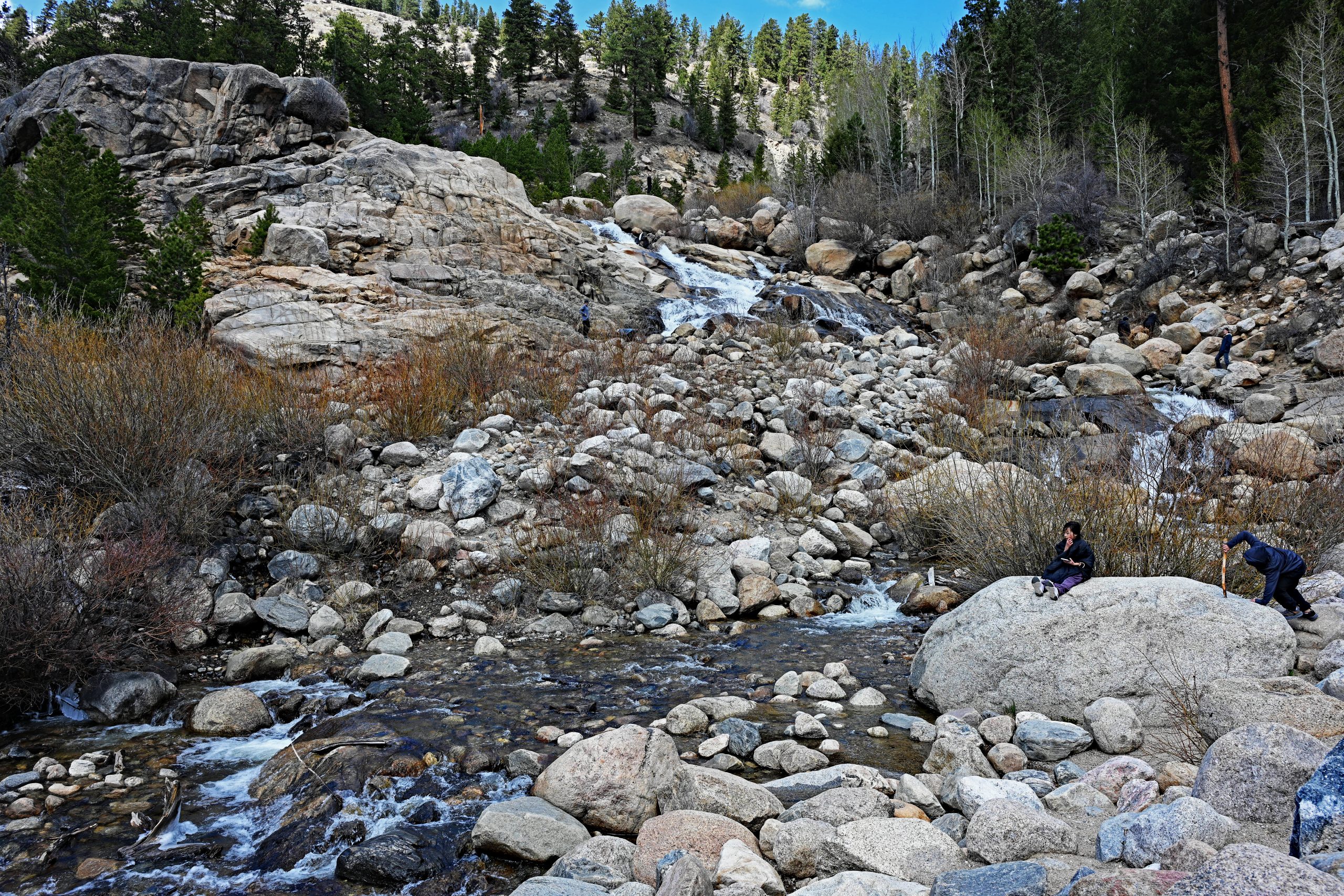
We continued our journey, and with every yard, the curtain seemed to open further. Suddenly, it lay before us in all its majestic glory: Longs Peak, flanked by Mount Meeker. After a short, refreshing walk along the shores of Lake Estes, we felt truly arrived. We had finally immersed ourselves in the world of the Rocky Mountains. Even before we passed the actual park boundary, the massif captivated us once more; the arrangement of the rocks here resembled a vast, ancient amphitheater of stone and ice. Our first stop within the park itself was Sheep Lakes. In the silence of the wide meadows, we walked to the largest of the three lakes and let our gaze wander over the gentle yet imposing lines of the Mummy Range. The landscape felt vast and open here, almost peaceful, before the path led us to the East Alluvial Fan Trailhead, where the raw power of nature became visible in the form of a rushing waterfall.
Gallery II: Still Waters and Thundering Cascades
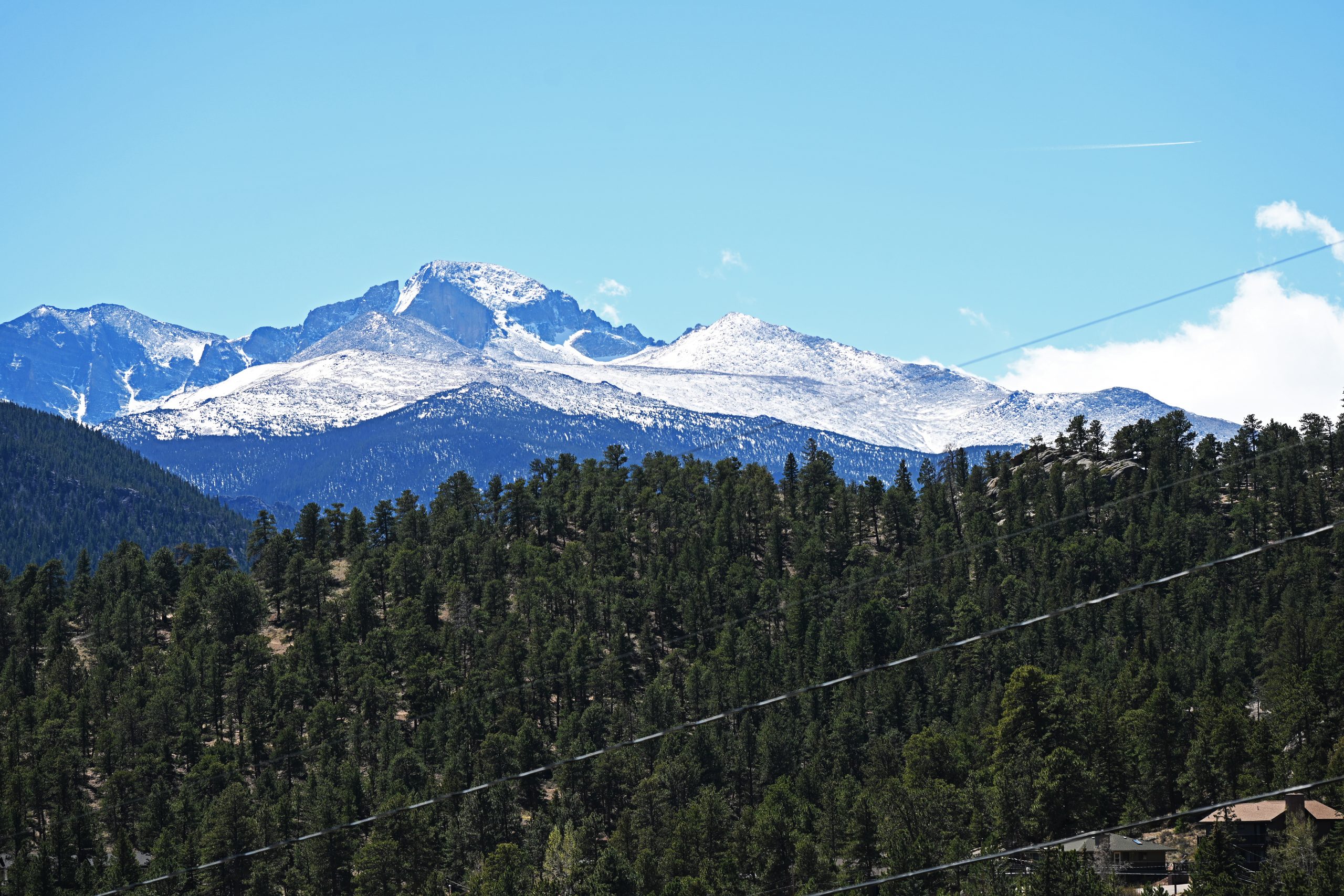
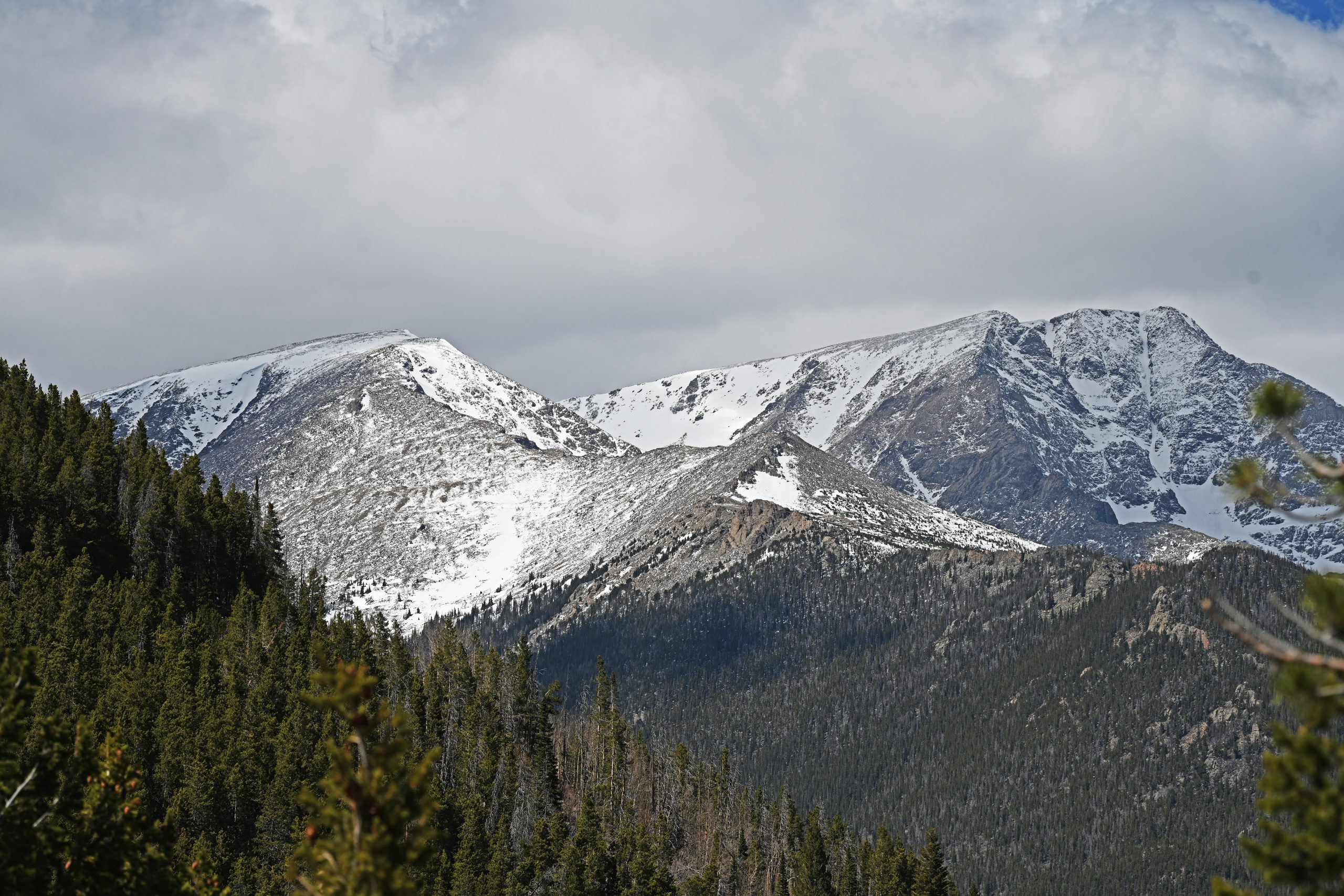
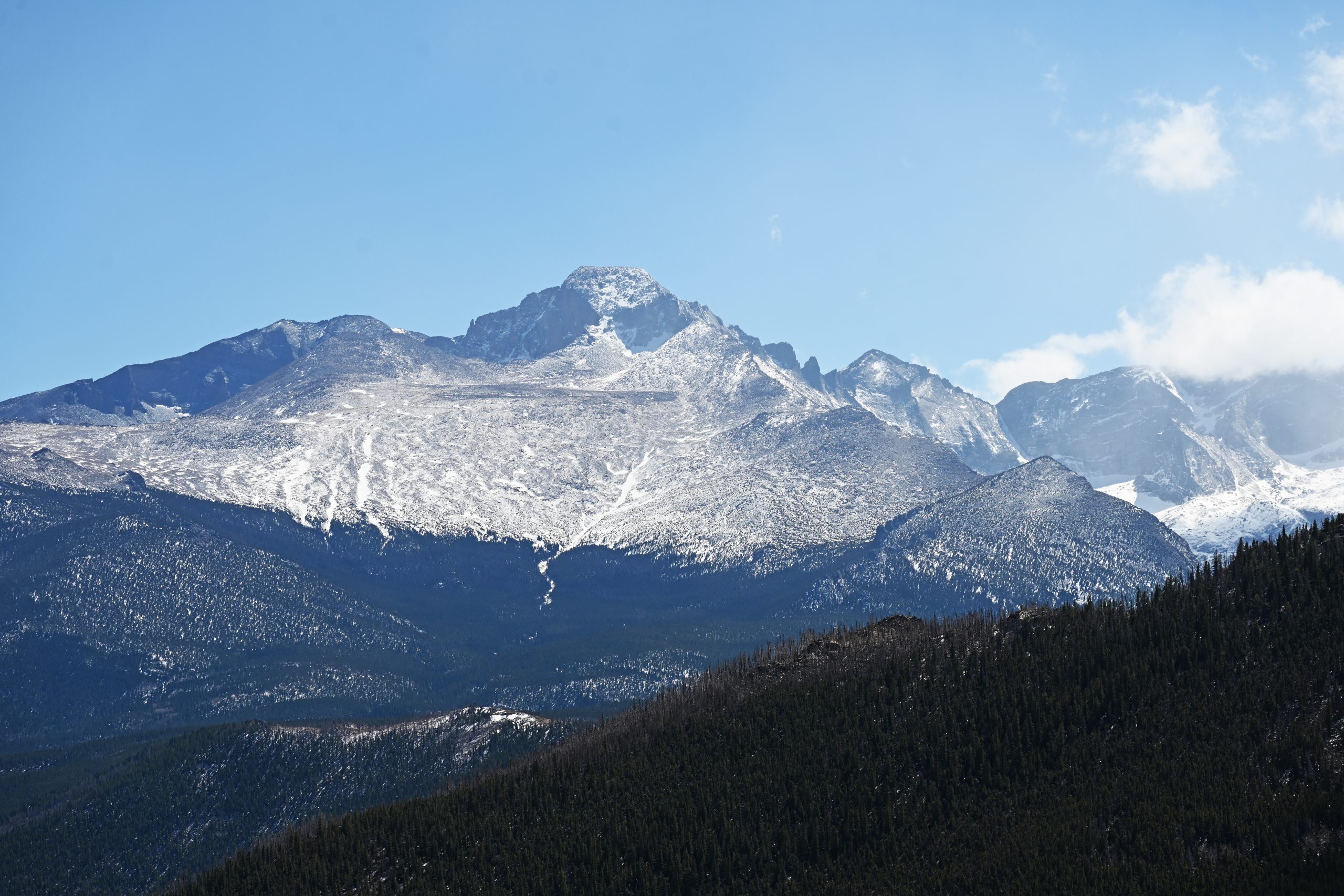
The road wound higher until we reached the Many Parks Curve Overlook. From here, a perspective opened up that seemed almost surreal. Longs Peak dominated the horizon, but it was only upon closer inspection that the fascinating details of the surrounding ridges revealed themselves. To the right and behind the main summit, we recognized the “Keyboard of the Winds”—a series of bizarre rock spires rising like stone organ pipes into the sky. This formation leads toward Pagoda Mountain, which is connected directly to Longs Peak by a razor-sharp ridge. Further west, this massive wall continues to Chiefs Head Peak, enclosing the hidden high valley of Glacier Gorge. We were captivated by the variety of forms, from the rugged Ypsilon Mountain to the Twin Sister Peaks, whose double summits watched over the wide valley of Horseshoe Park and the gently flowing Fall River.
Gallery III: The Architecture of the High Alps
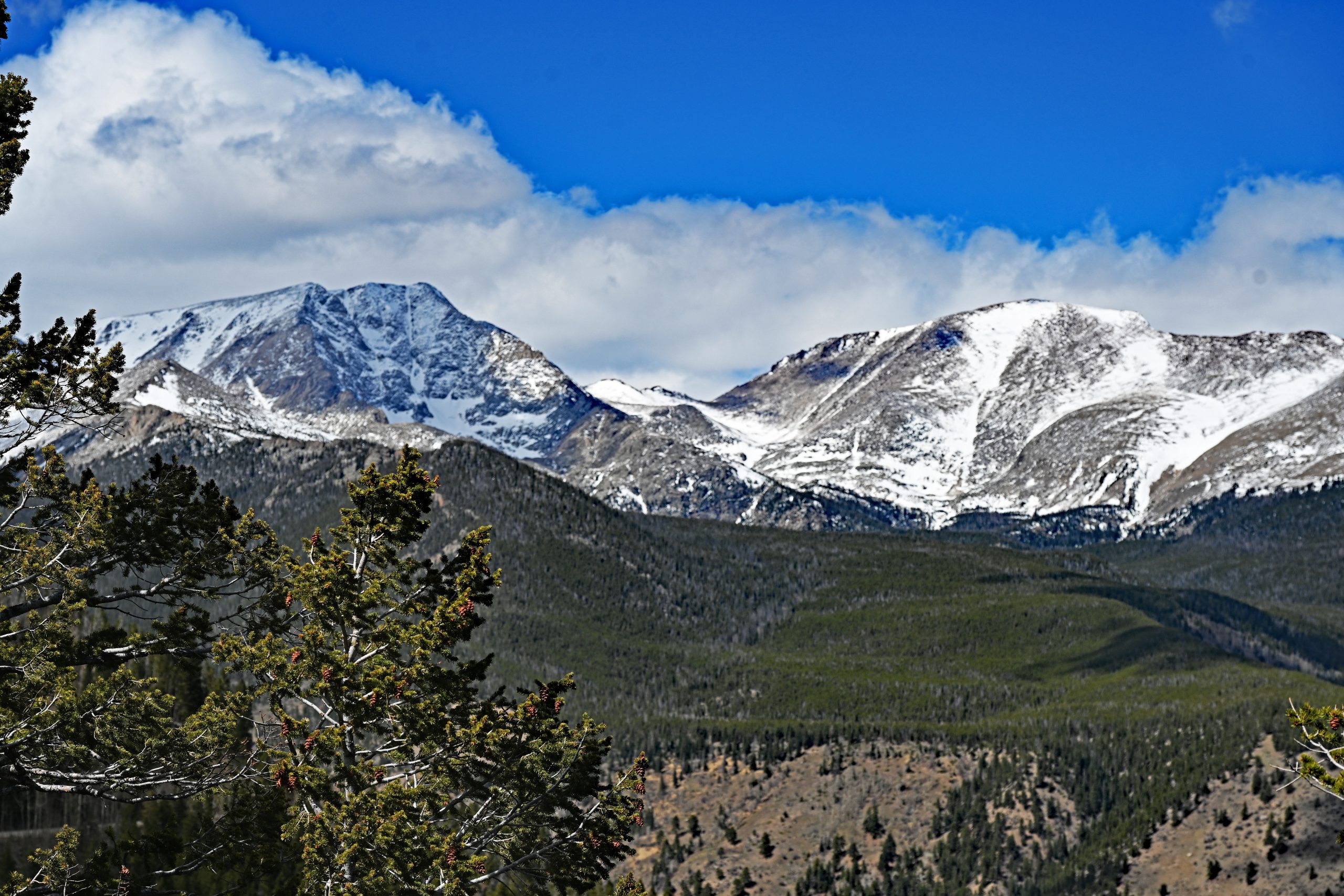
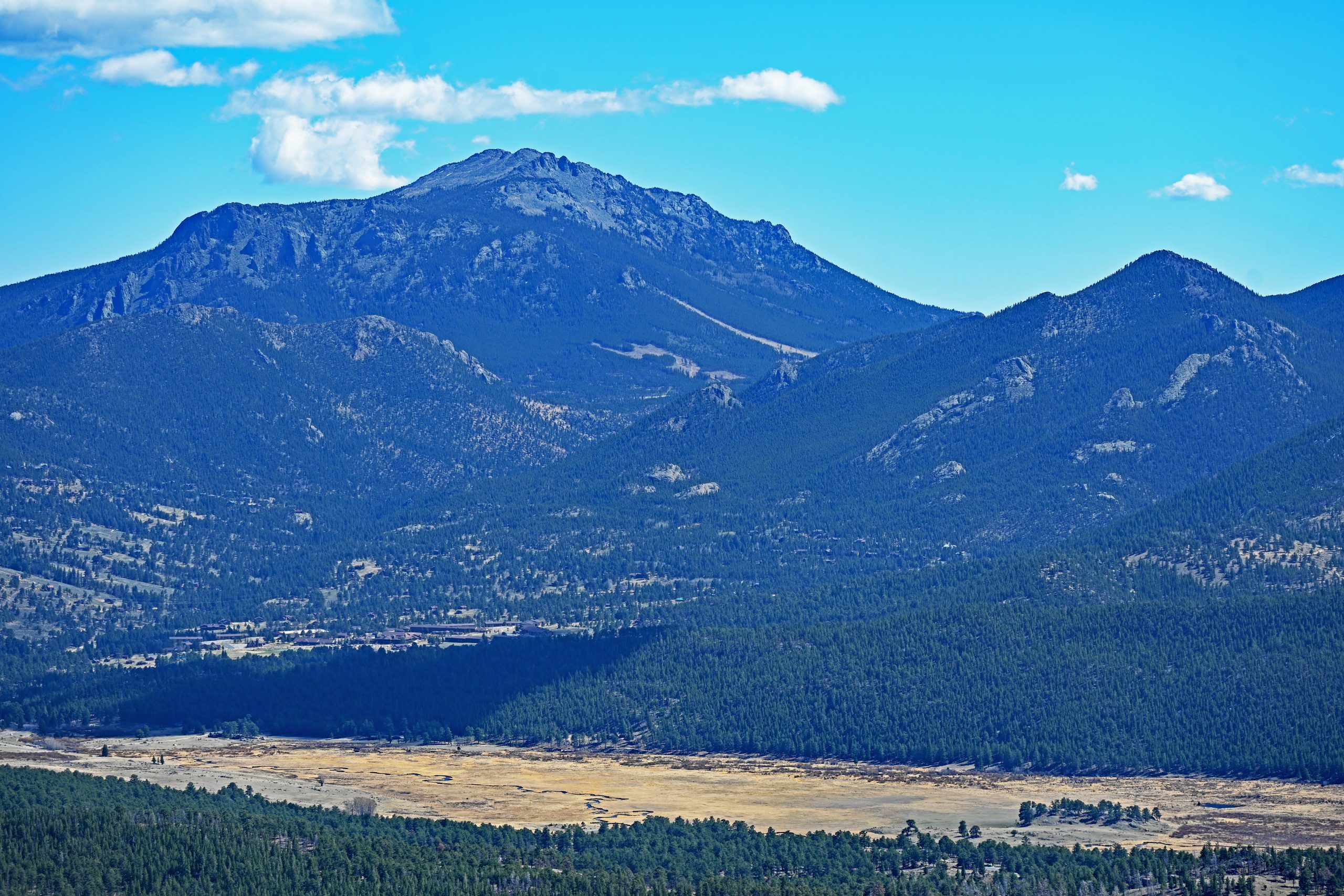
Since the higher road sections were still closed for winter, we steered our car back down to the Deer Mountain Trailhead. Here, a completely different, almost dramatic composition presented itself: in the foreground rose the “Little Matterhorn,” a pointed rock formation that lived up to its famous namesake in the Alps. This scene was flanked by the massive Stones Peak to the left and the rugged rock needles of Hayden Spire to the right. The long ridge of Mount Julian completed this impressive panorama. We were particularly fascinated by Ypsilon Mountain, whose east face is marked by a prominent, snow-filled crevice in the shape of a giant “Y”—a natural monument towering over Bighorn Mountain.
Gallery IV: Stone Sentinels and Deep Valleys
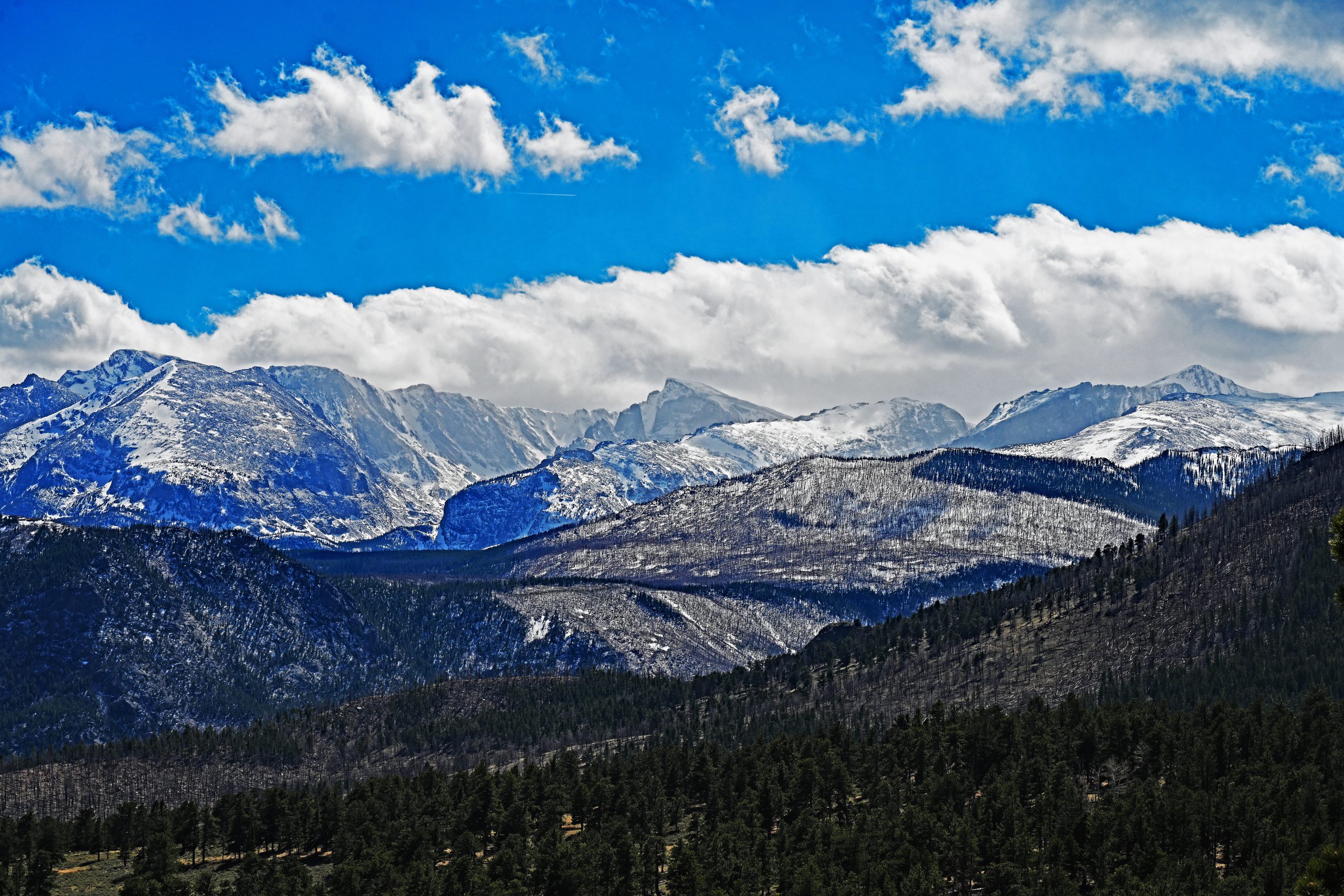
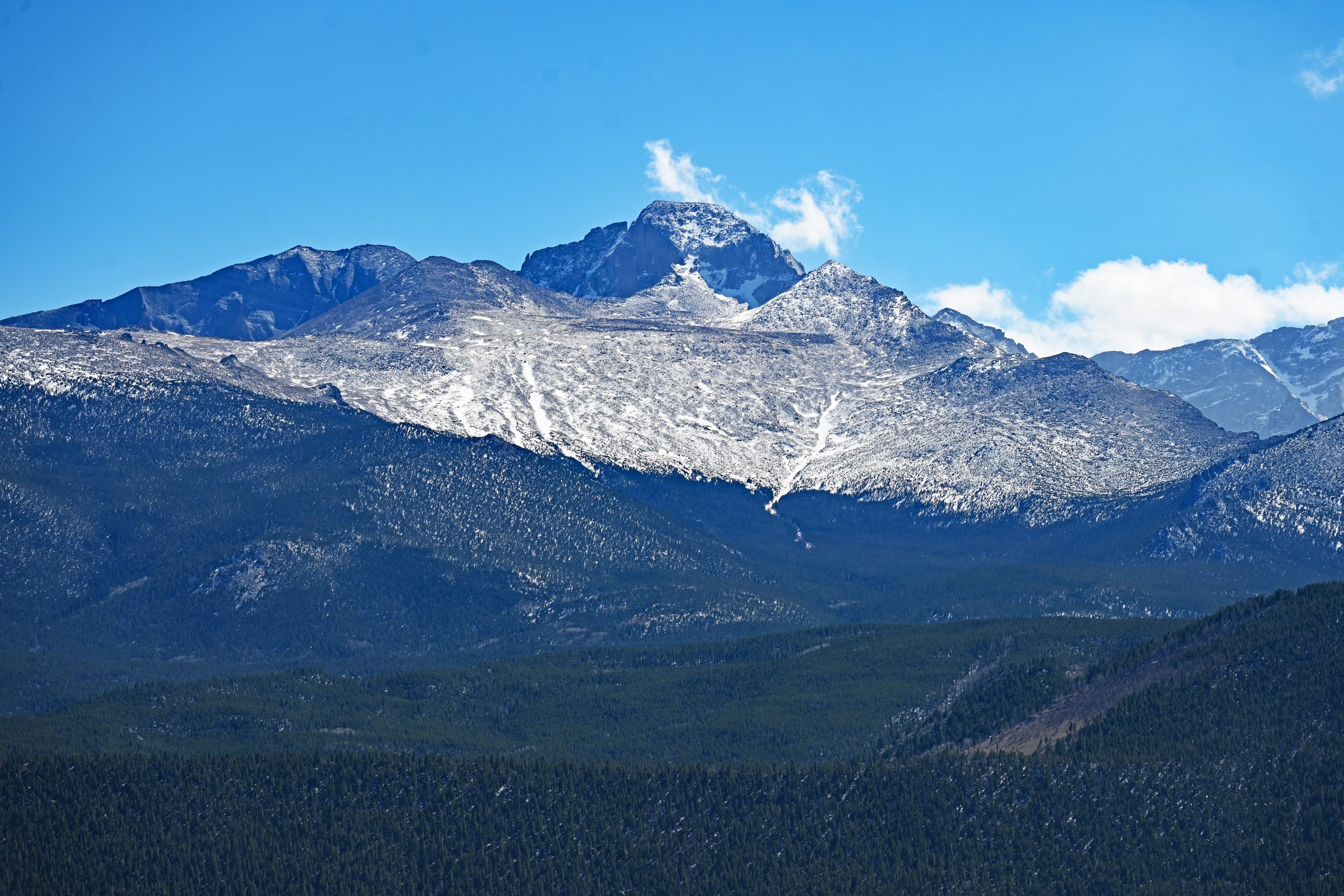
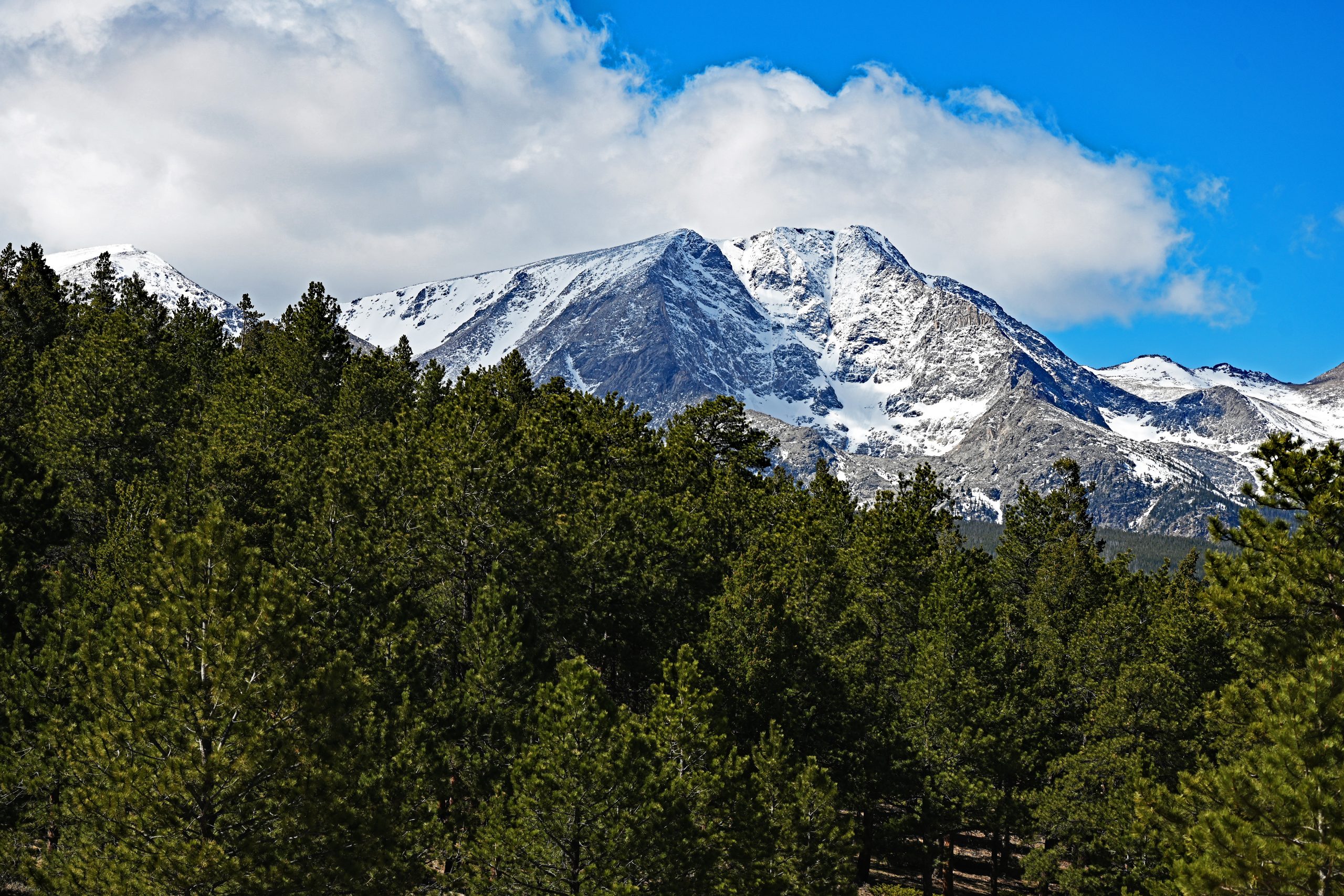
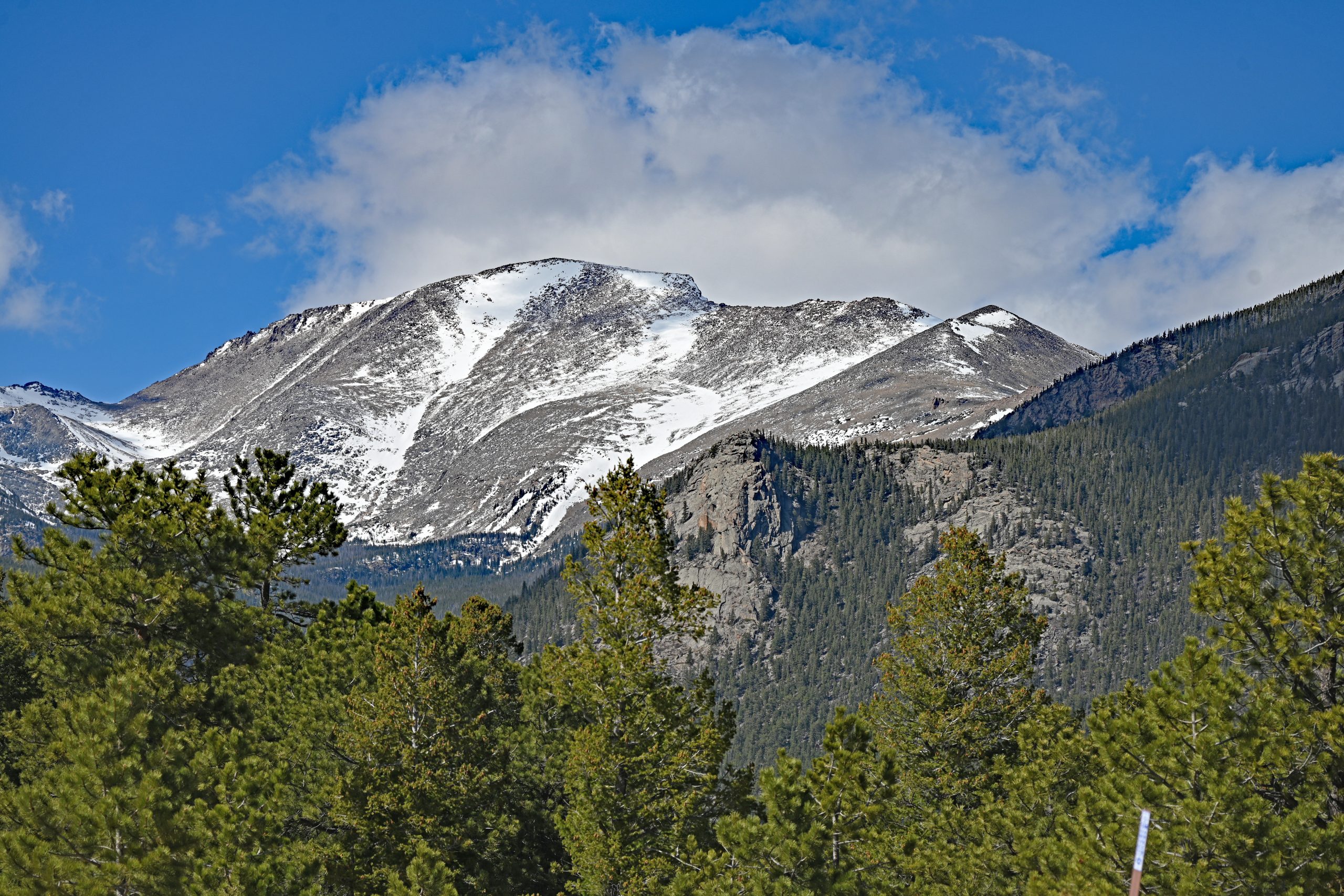
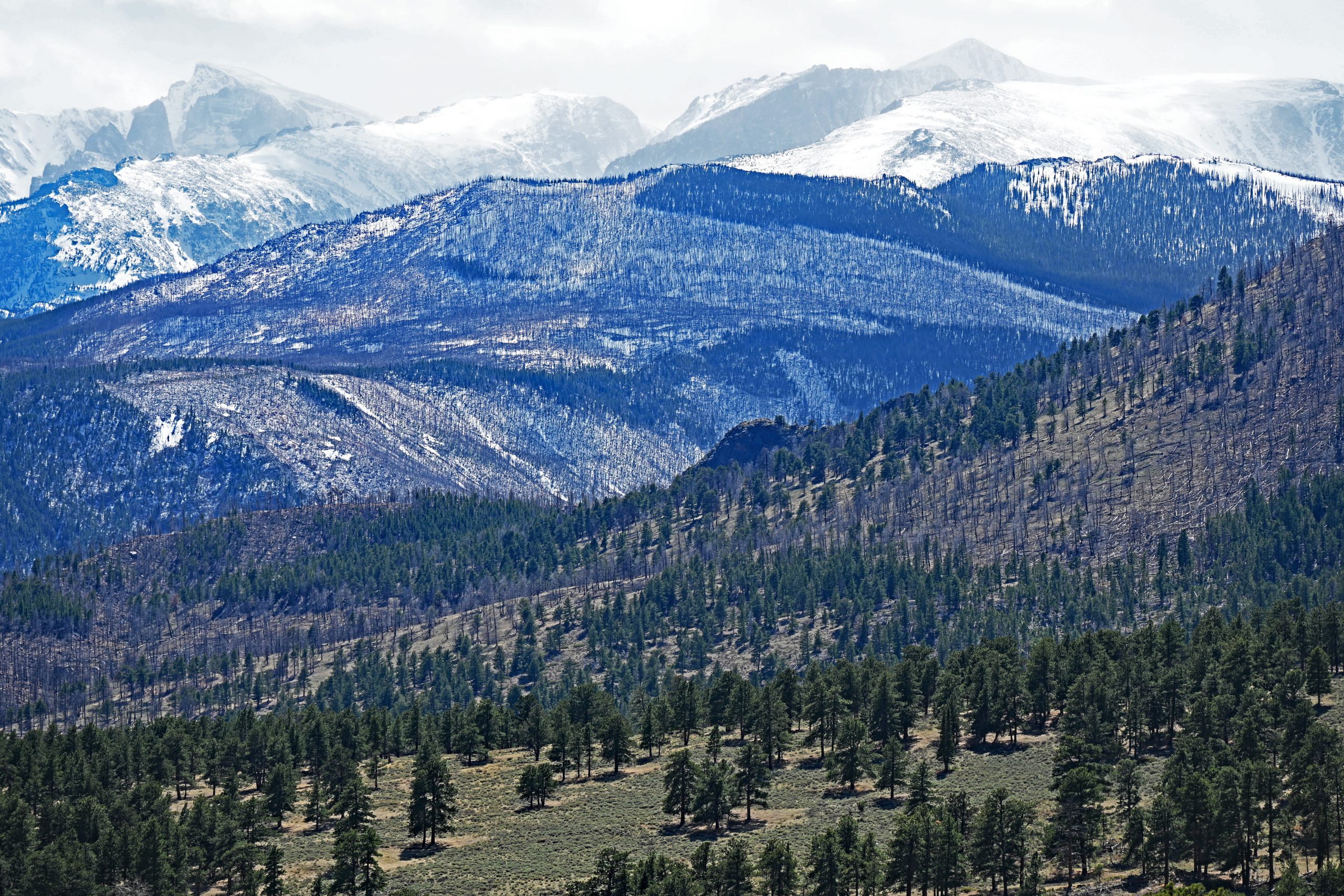
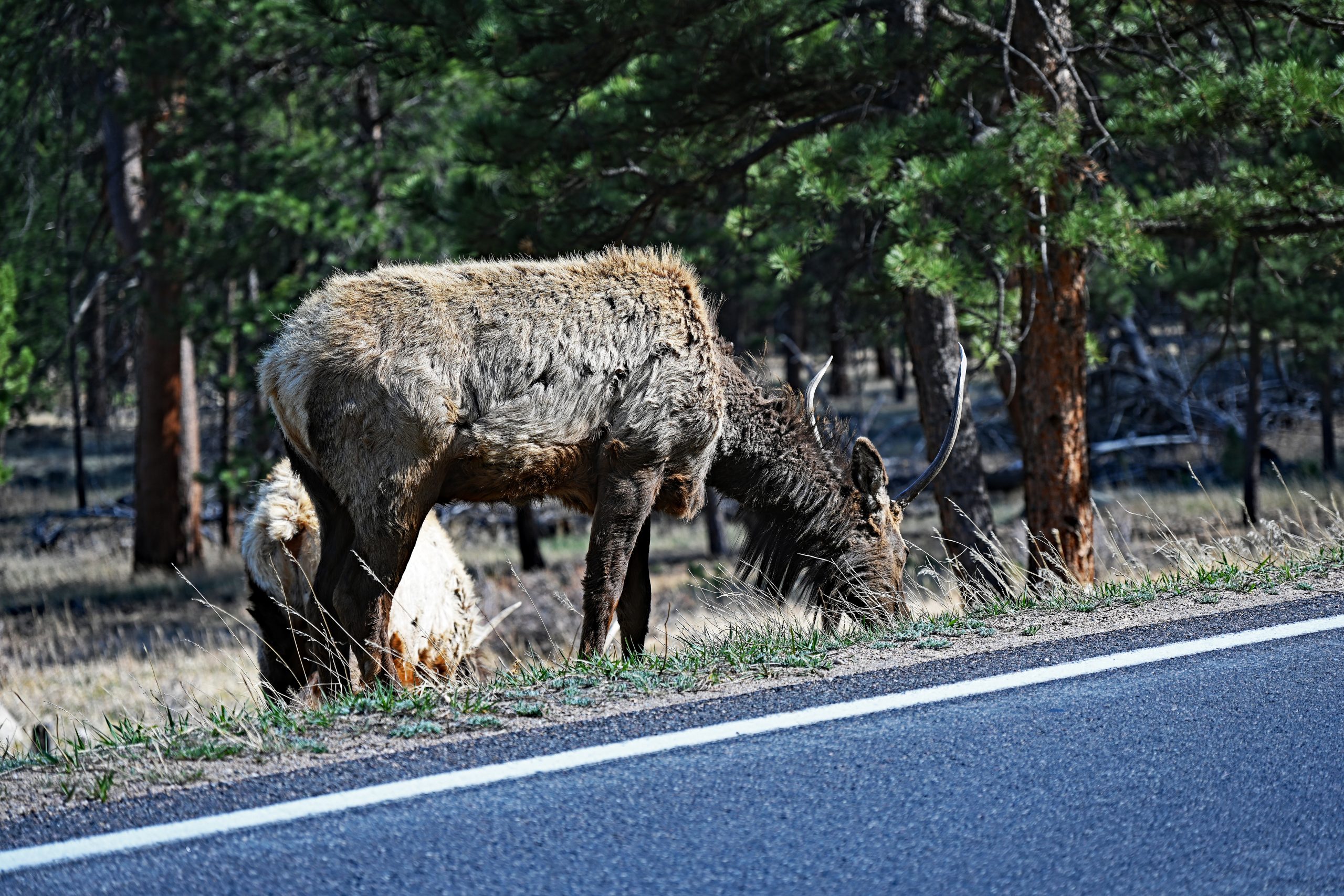
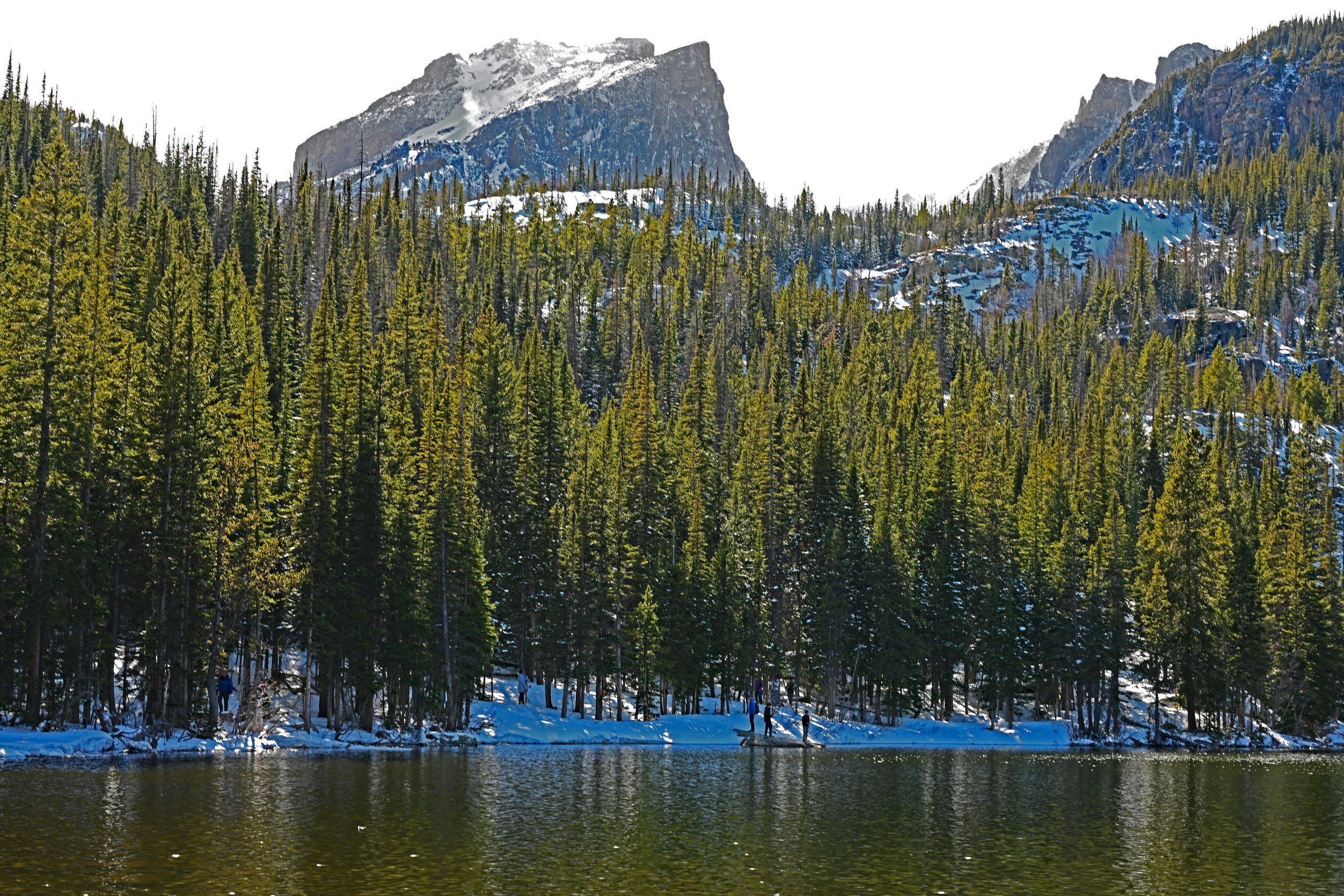
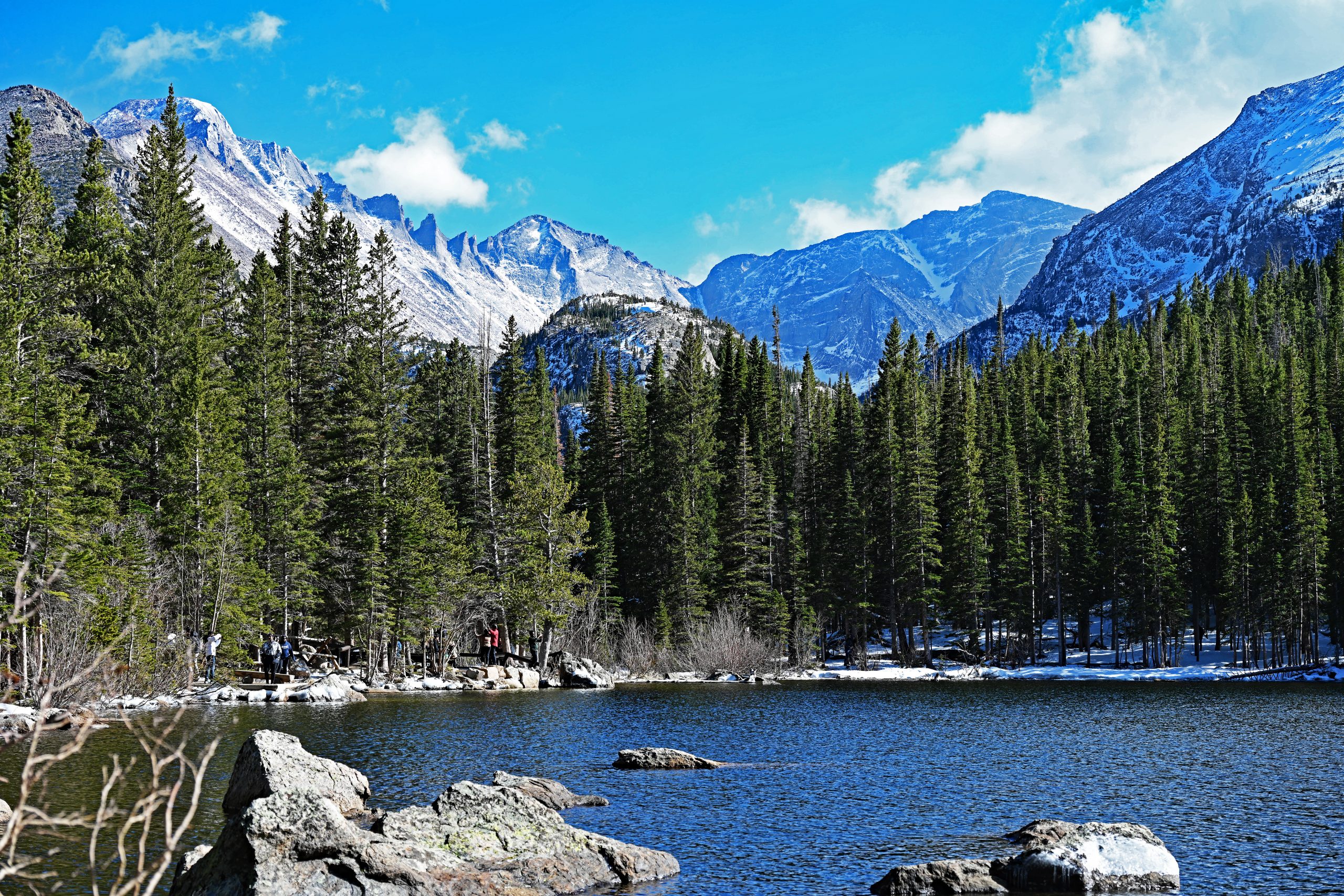
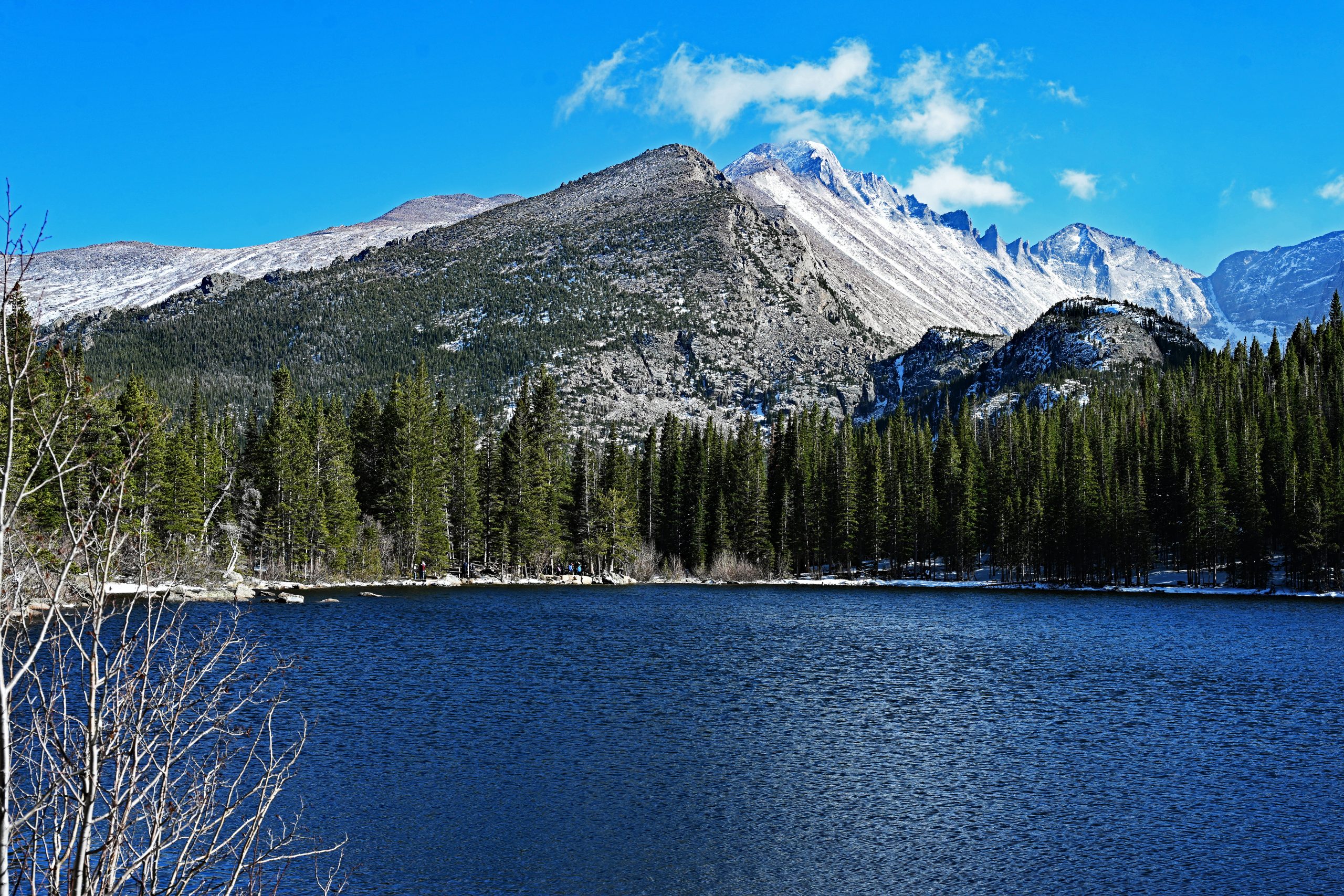
On the way to Bear Lake, we encountered the park’s secret inhabitants. Several deer were grazing completely relaxed by the roadside, unbothered by our presence as they patiently shed their shaggy winter coats. Arriving at Bear Lake, we decided to circle the lake despite the adverse conditions. The trail was a challenge of mud and slick ice, but the views compensated for every cautious step. Opposite us rose Otis Peak with its jagged crest, flanking the pyramid-shaped Hallett Peak. Beside it spread the massive, aptly named Flattop Mountain. From the lakeside, however, it did not look flat at all, but showed its wild, rugged rock formations known as “Emerald Mountain.” Between the peaks lies the deeply snow-covered Tyndall Glacier Valley, a picture of eternal silence.
Gallery V: Wilderness and Winter Magic at Bear Lake
After successfully mastering the loop, we turned our backs on the high mountains and checked into the Riversong Inn Retreat. Finding this gem at such a favorable price felt like a second miracle of the day. The luxury that awaited us there—from the oversized bathtub in the room to the steaming hot tubs outside—was the perfect counterpoint to the wild nature of the park. With a cup of freshly brewed coffee from the Jura machine and a few delicious cakes in hand, we reviewed the day. The grandeur of the mountains and the subsequent comfort of the hotel merged into an experience that will surely hold a very special place in our memory forever.