
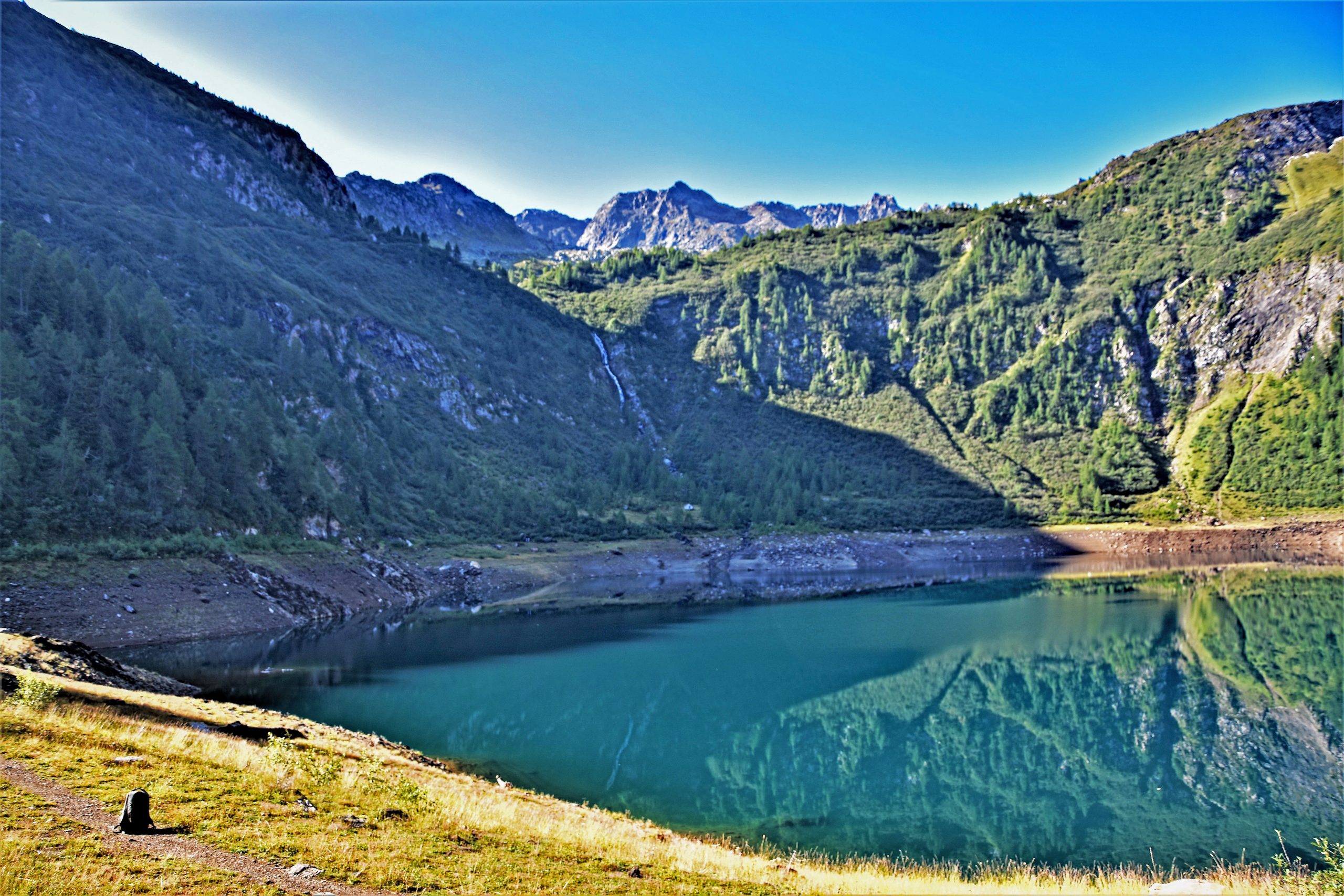
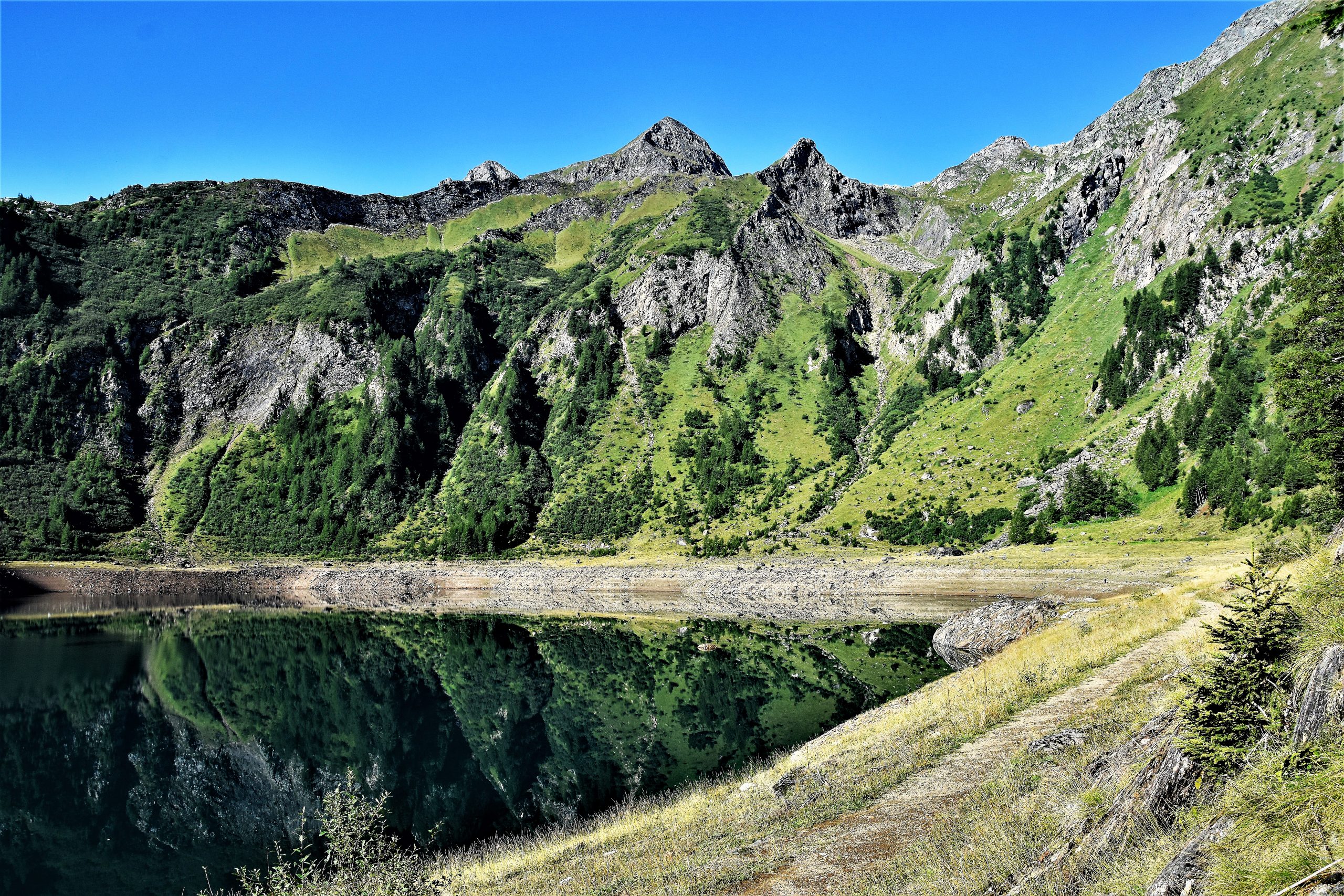
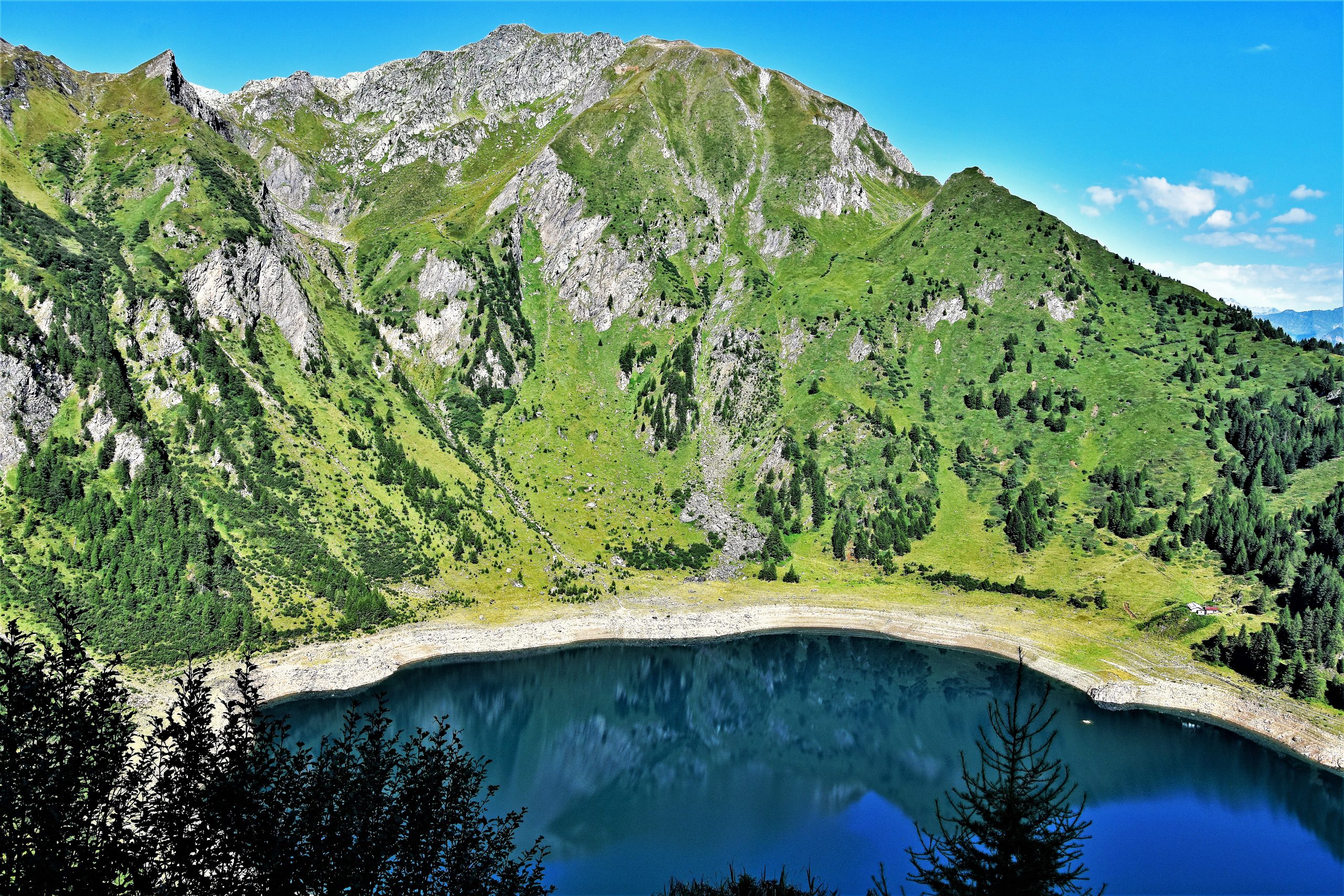
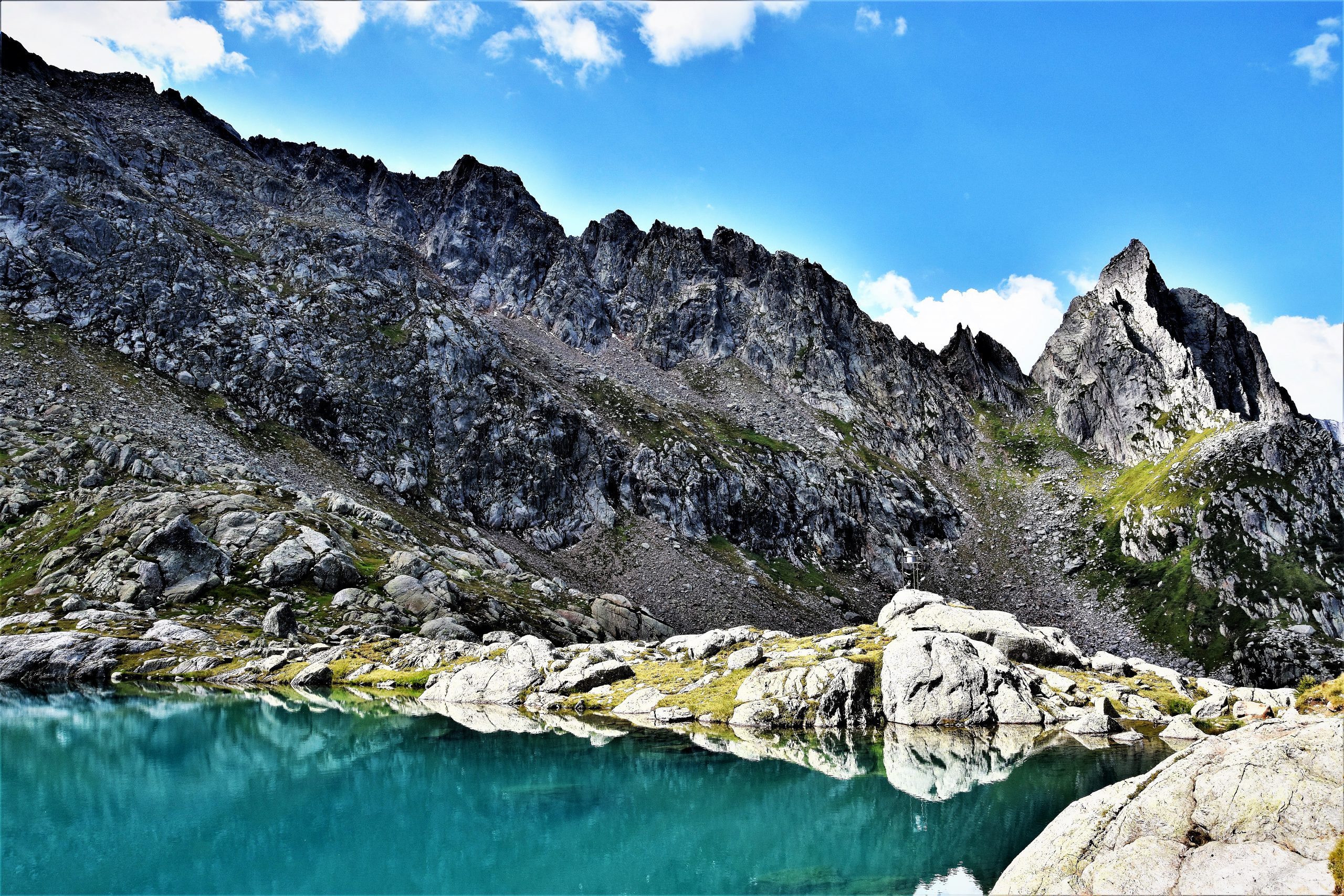
Our adventure begins in Rodi-Fiesso. Together with my wife Hania, my son Simon, my sister-in-law Basia, and her daughter Anja, I step into the small cable car that catapults us steeply upwards. As we leave the mountain station, it lies right before us: Lago Tremorgio. The deep blue water rests like a sapphire in a massive geological basin. All around, an overwhelming arena of stone builds up. In the background, the wild ridges of Pizzo della Sassada and Poncione di Tremorgio rise, their rugged flanks shimmering almost silver in the harsh sunlight. On the opposite, northeastern side of the lake, the striking ridge of Pizzo Campolungo magnetically draws our gaze. Right above the shore, jagged mountain peaks and rock towers shoot into the steel-blue sky. Pizzo del Prévat in particular immediately impresses us as a bold, freestanding rock tower, while Cima di Filo rises as a long, protective ridge above Capanna Tremorgio.
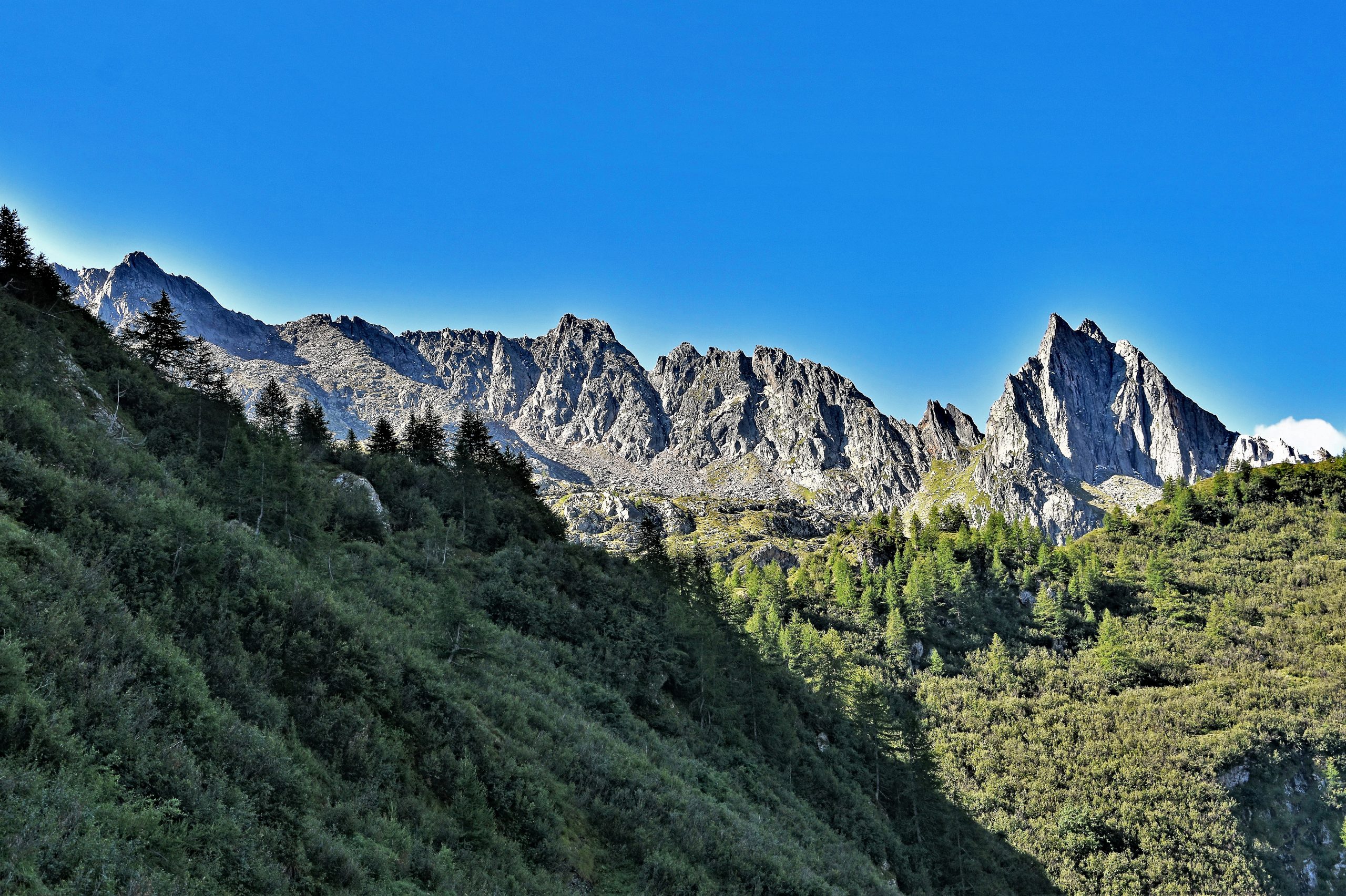
While the others rest on the shore, Basia and I lace our hiking boots tighter. Our destination is the higher-situated Laghetto di Campolungo. The path winds relentlessly upwards. Every meter of elevation rewards us with new perspectives. Time and again we pause to let our gaze wander back. Deep below us sparkles the eye of the lake, framed by the sharp silhouette of Cima di Filo and the ever-present Prévat tower.
Gallery 1: Ascent Above the Tremorgio Basin
After a final steep section, the landscape opens up at around 2,086 meters above sea level. We have reached the marshy high plateau of Alpe Campolungo, in the middle of which lies the dreamy Laghetto di Campolungo. We walk down to the water for a short stretch—this wonderful route was worth every single step. From down here, the mountains of the region appear perfectly arranged. To the left rise the rugged jagged peaks of Pizzo del Prévat, which is rightly dubbed the “Matterhorn of the South” due to its striking pyramidal shape. On the right side, the broad, bright flank of Pizzo Campolungo dominates. Here, the world-famous, snow-white formations of sugary dolomite rock stand out clearly, glowing in stark contrast to the lush green of the alpine meadows.
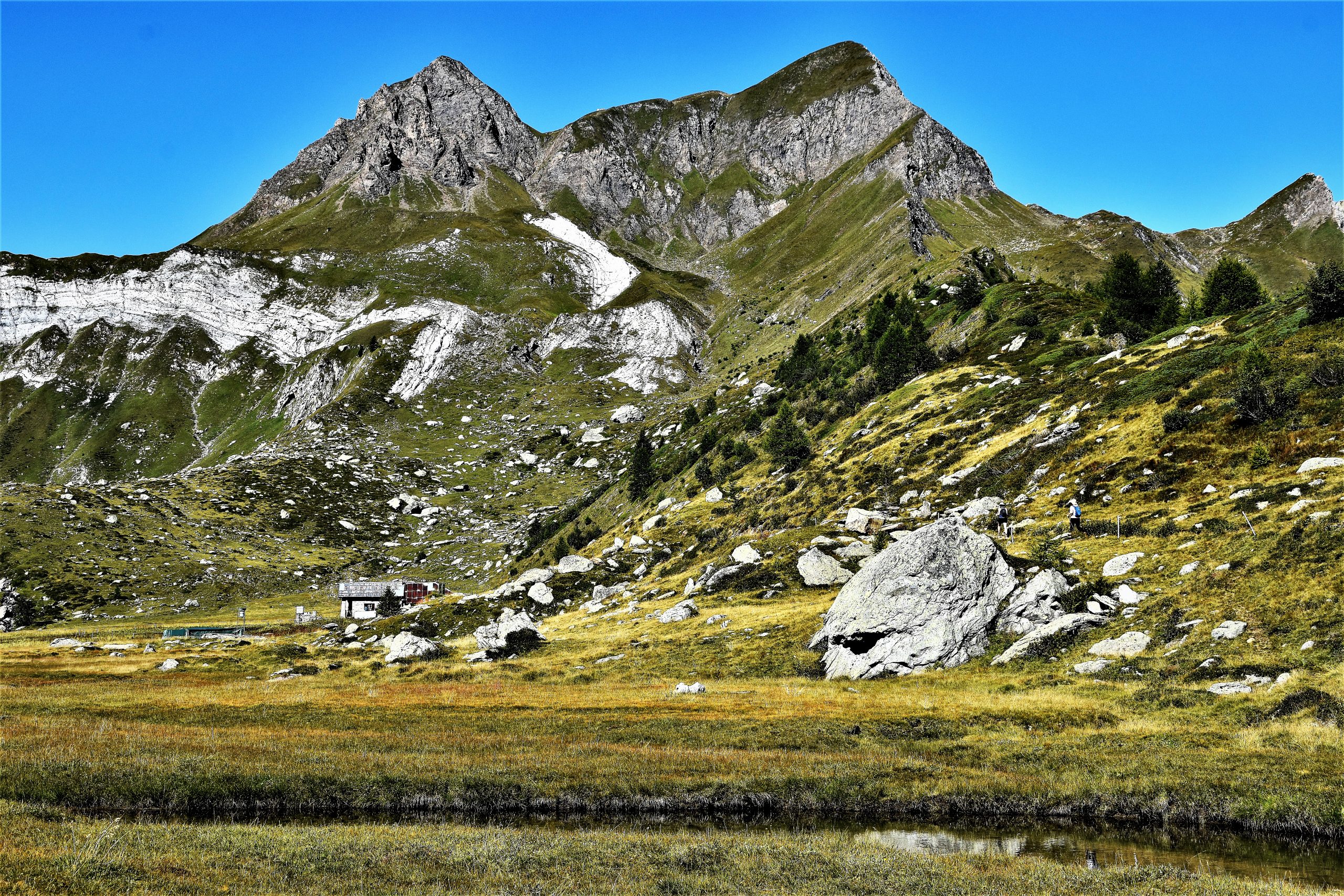
We decide not to go directly over the pass. Instead, we return to the intersection on the high plateau and head towards Capanna Leìt. Looking back to the northeast, the mountain ridge of Cima di Filo presents itself in its full glory. The rocky crest stretches elegantly above the lake, connecting the pass region with the lower basin, flanked by the sharp needle of the Prévat on the left side. We continue hiking towards Lago di Leìt. Ahead of us, two prominent twin peaks build up, which could not be more different: on the left, the rocky double tooth of the Prévat northeast ridge, a dream for every alpine climber, and on the right, the grassy, sharp pyramidal peak of Pizzo Campolungo. At the foot of these giants, we finally discover the small, stone Capanna Leìt, with the lively outflow of the nearby mountain lake rushing past in the foreground.
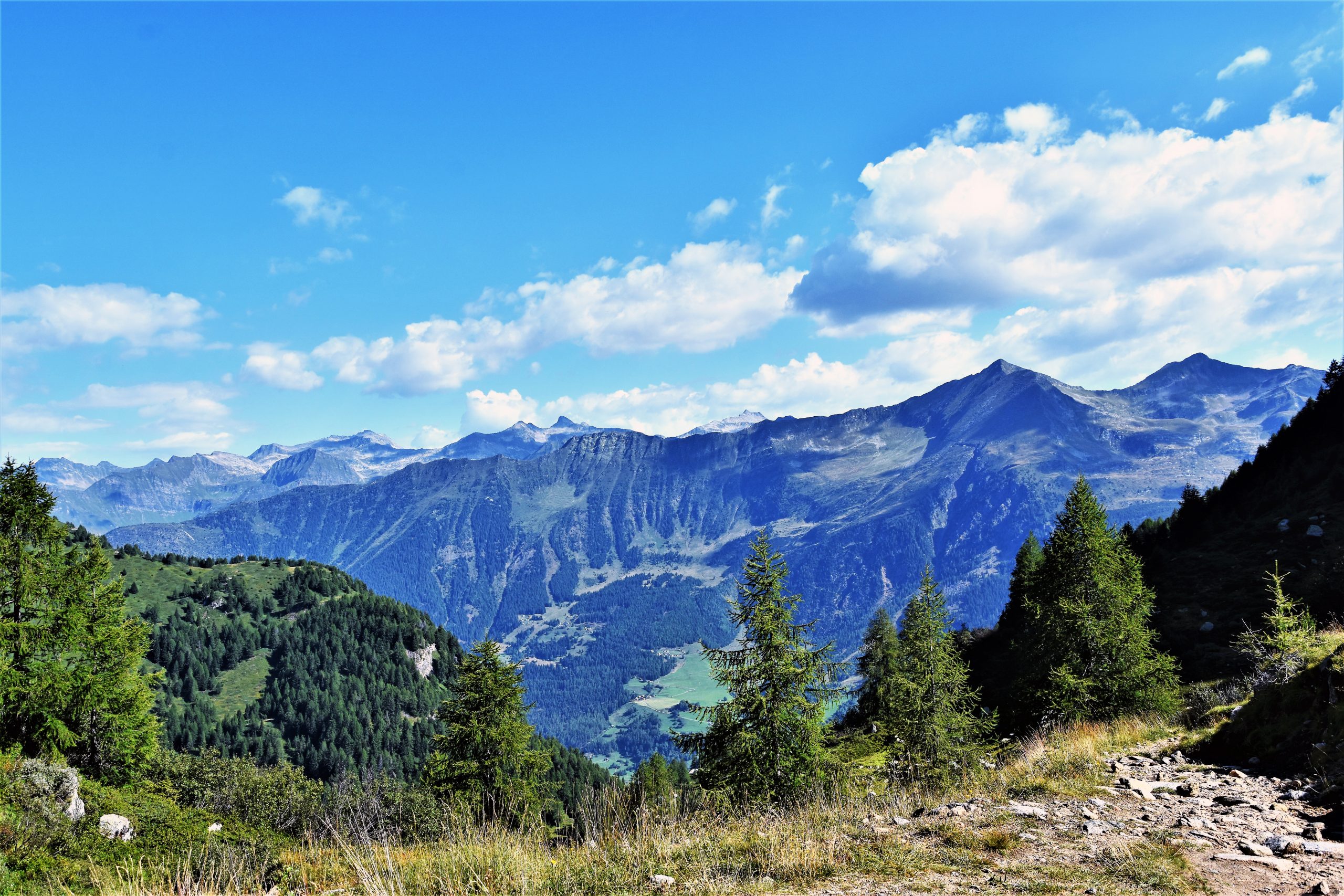
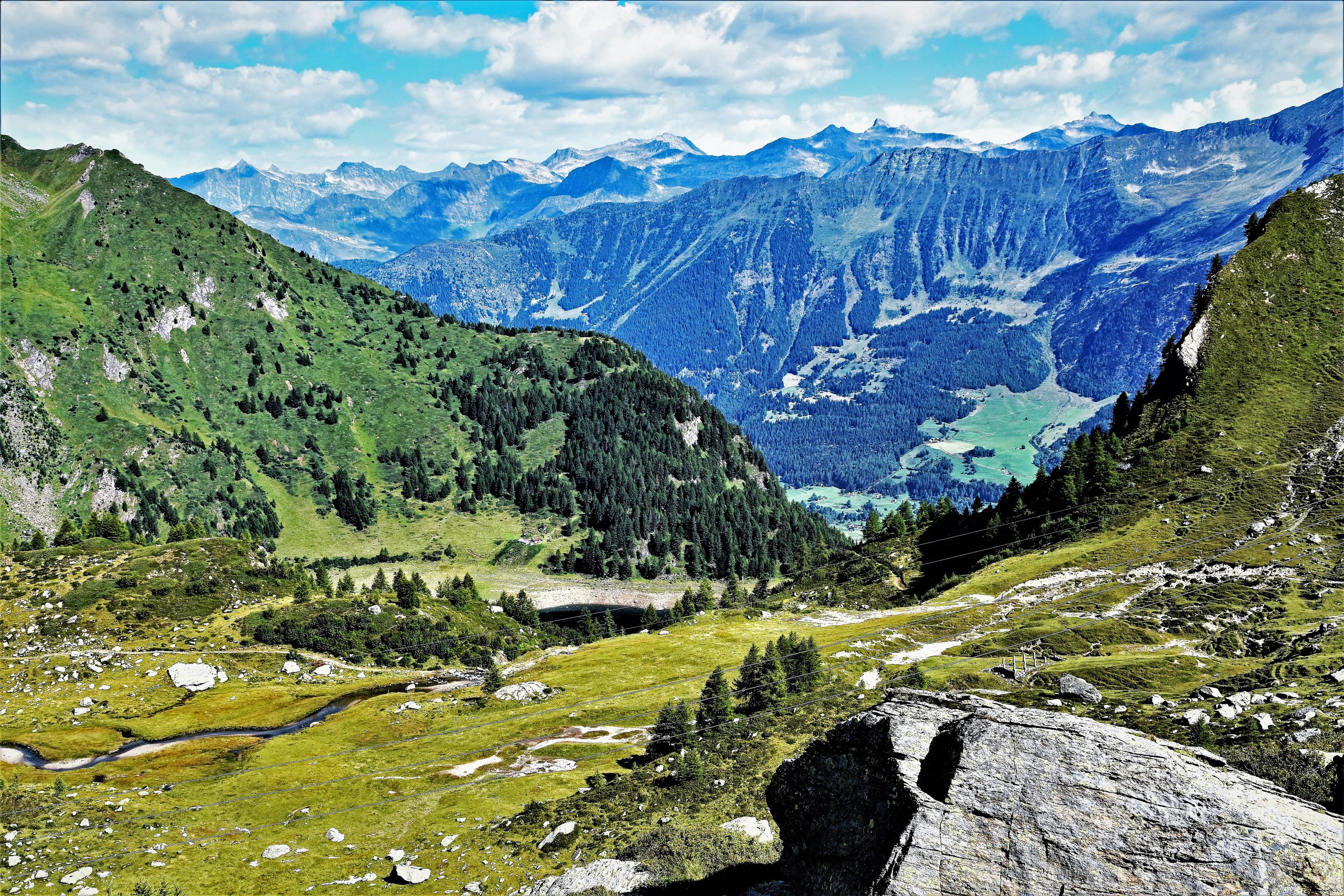
A view to the north opens up a wide panorama across the deep-lying Leventina Valley. On the horizon, the giants of the Gotthard Group rise. As a mighty panoramic mountain, the pointed Pizzo Forno thrones over the valley, while to its left, the ridge continues westward towards the Gotthard Massif and the Campo Tencia Group.
Gallery 2: From the High Plateau to the Glacial Polishes
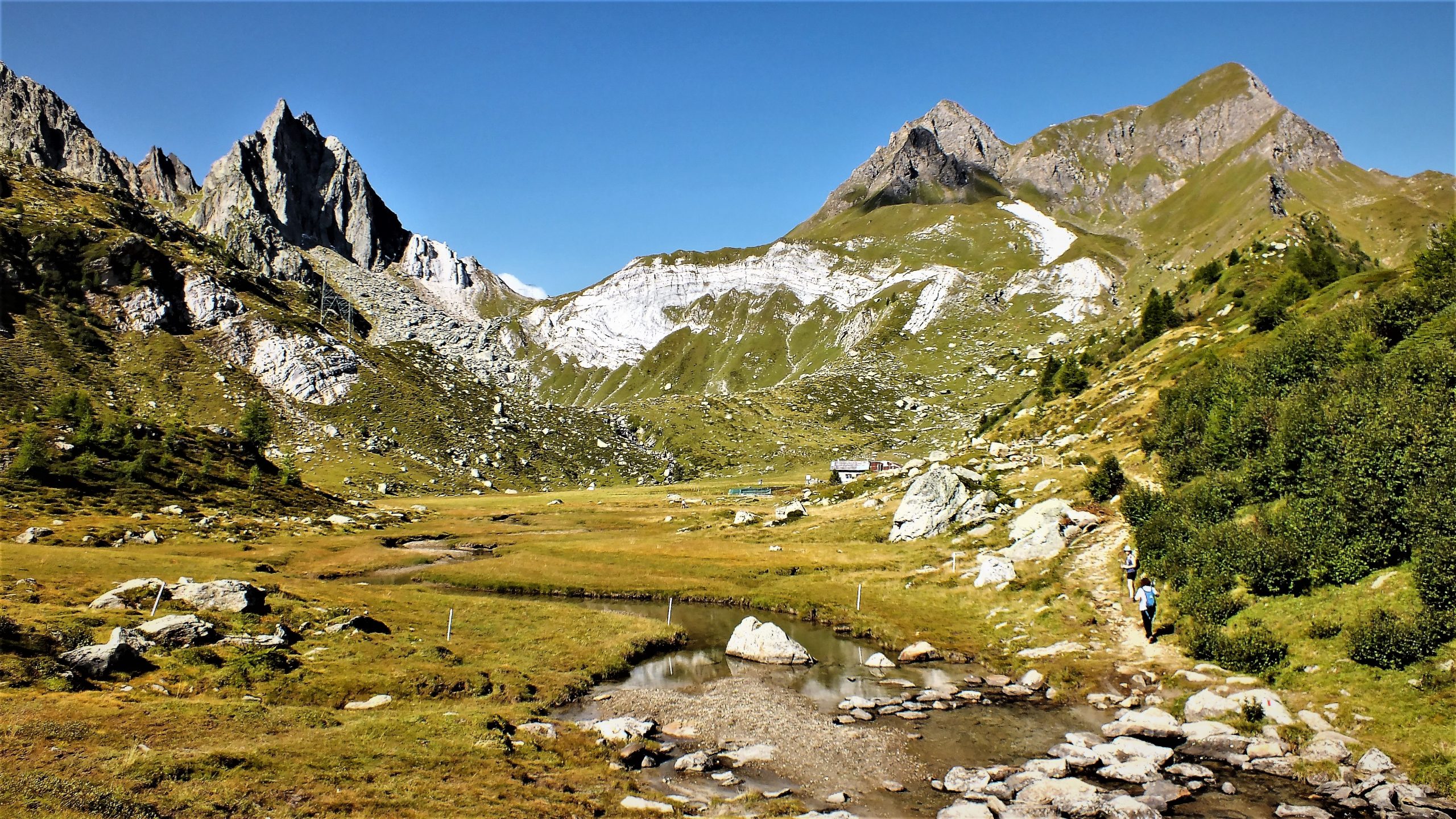
We continue our way. After about fifteen minutes on the hiking trail in the area of Alpe Leìt, we enjoy the same impressive view to the north from an even more intense perspective. On the bottom left, the mountain stream, which forms the outflow of Lago di Leìt, meanders in wide loops down to Alpe Campolungo. The right slope of the valley is formed by the steep, grassy slope of Cima di Filo, while on the left, the green slope leads up to the rocky ridge of Pizzo del Prévat. On the horizon, the dark, majestic pyramid of Pizzo Forno remains unchanged.
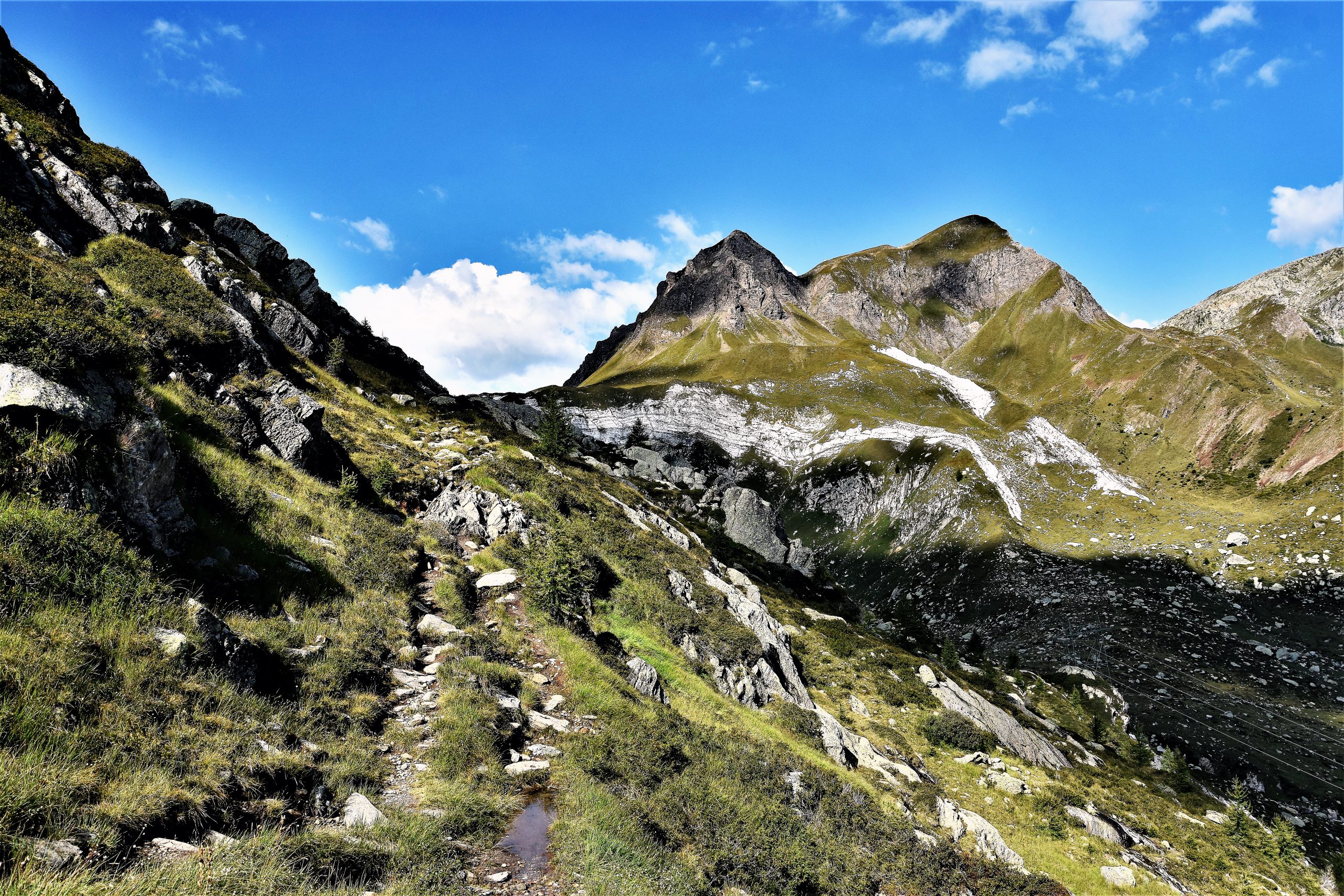
Our path takes us further to the rugged northeast ridge of Pizzo del Prévat. To the right, a massive mountain range south of Alpe Campolungo closes off the valley. Spontaneously, we decide on a short, crisp detour that leads us further up. The effort of the climb is quickly forgotten as the view opens up to two new peaks: the dark rock tooth of Pizzo Meda and the pyramidal main peak of Pizzo di Mezzodì. Here, the geological uniqueness of the region shows itself in all its fascination. A brilliant white band cuts right across the mountainside—the famous Campolungo dolomite marble. This soft, sugary band of rock extends all the way to the pass and, due to its unpredictable nature, once caused severe geological problems for the miners during the construction of the Gotthard Base Tunnel.
Back at the shore of Lago di Leìt, we experience a magical moment of silence. The razor-sharp rock needle of Pizzo del Prévat is reflected with perfect symmetry in the glass-like, crystal-clear water. From this extreme proximity, we instantly understand why this mountain is famous among climbers as the “Sugar Peak” or the “Matterhorn of the Leventina”. Right next to it, the rugged, dark ridge of Pizzo Campolungo is also reflected, sloping gently down to the small saddle that separates the two unequal mountain giants from each other.
Gallery 3: Geological Wonders and Mountain Lakes in Ticino
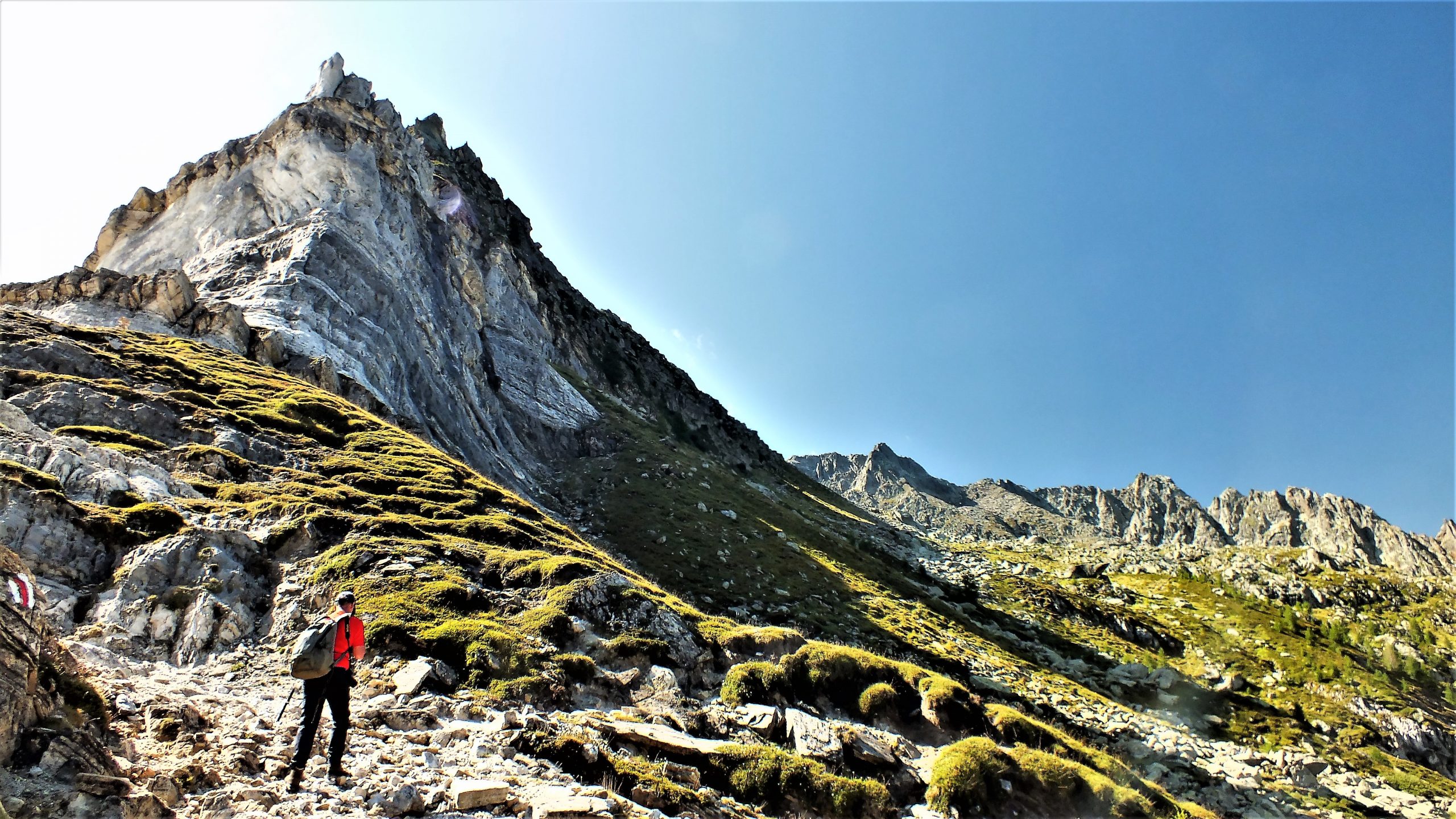
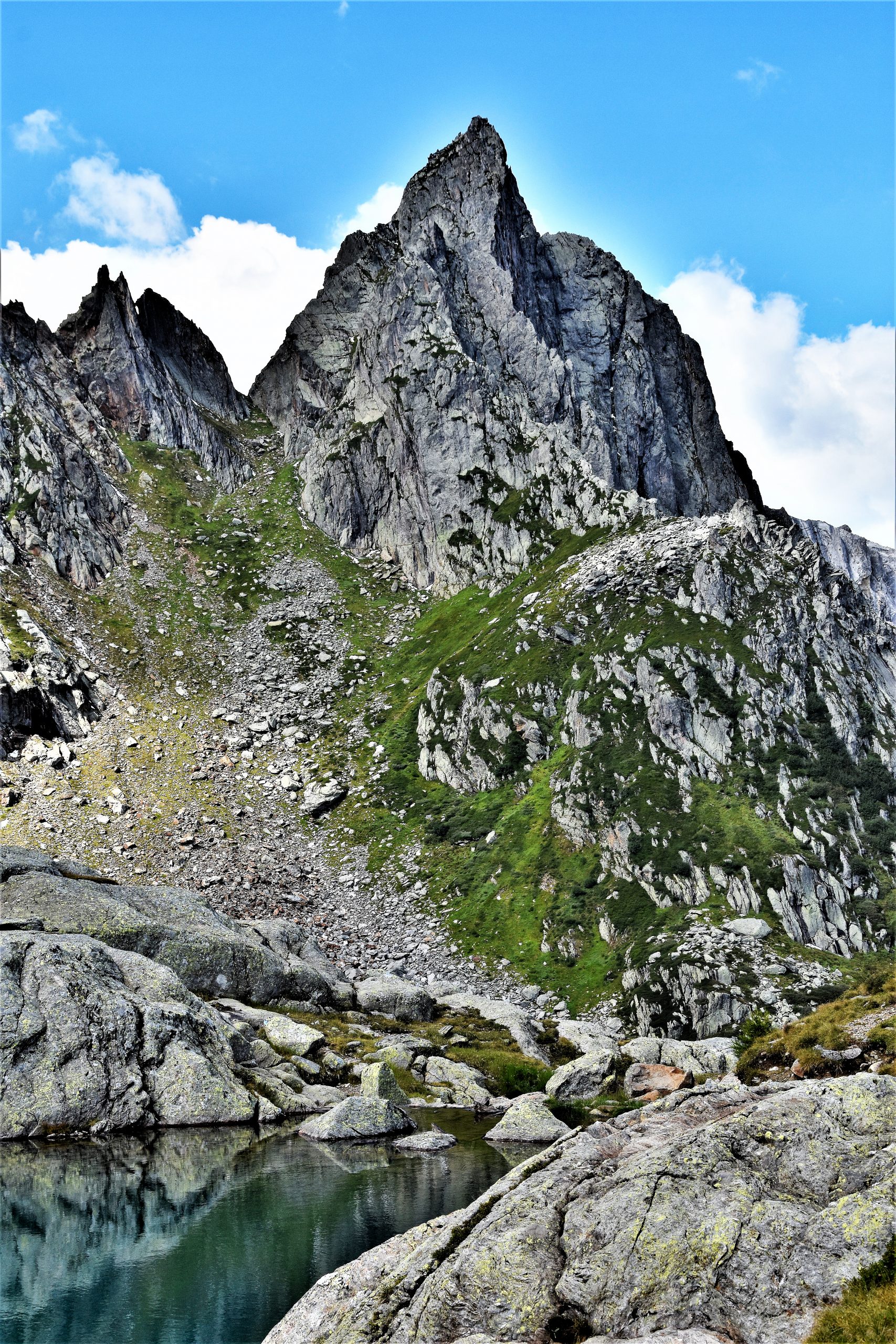
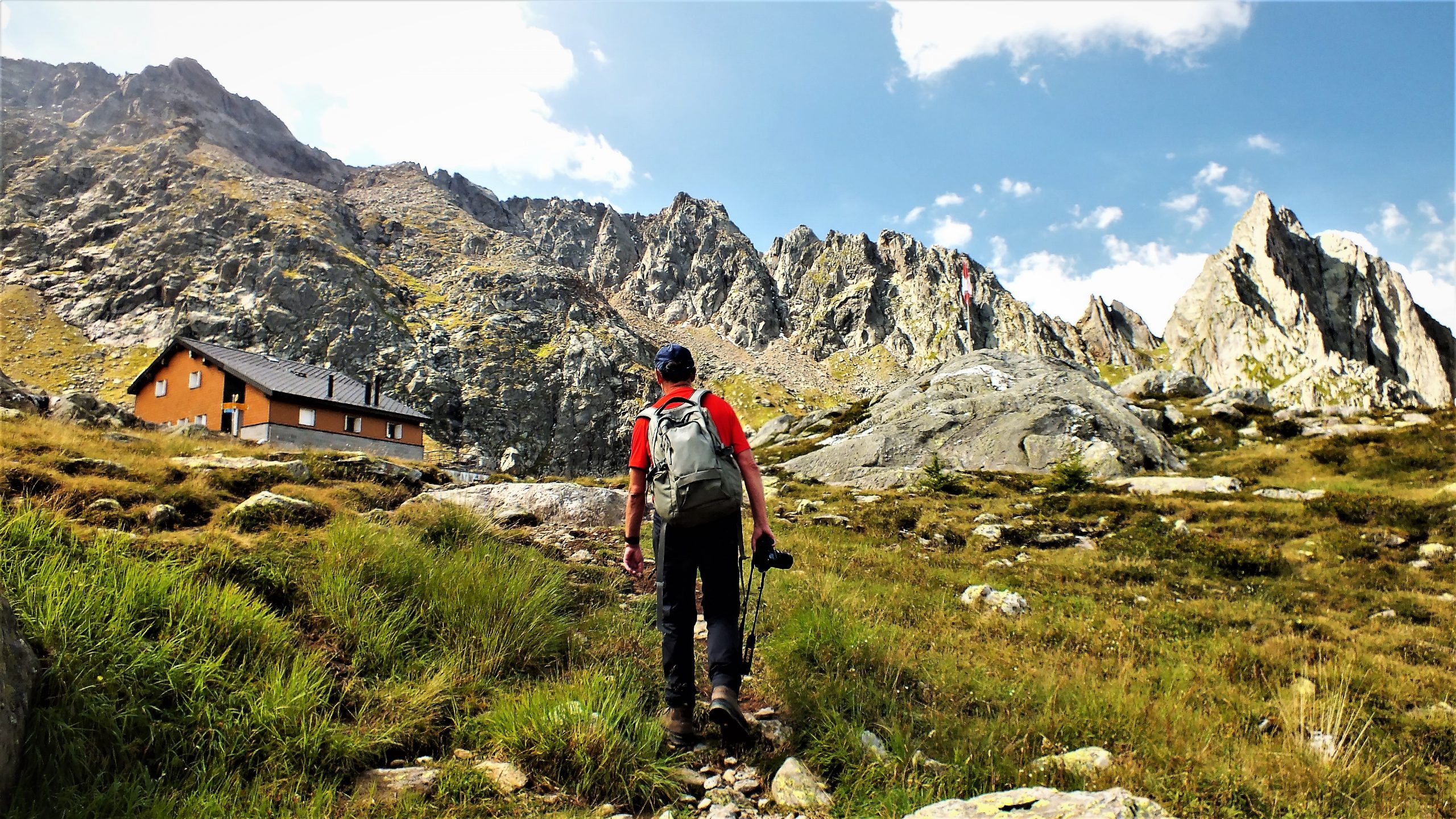
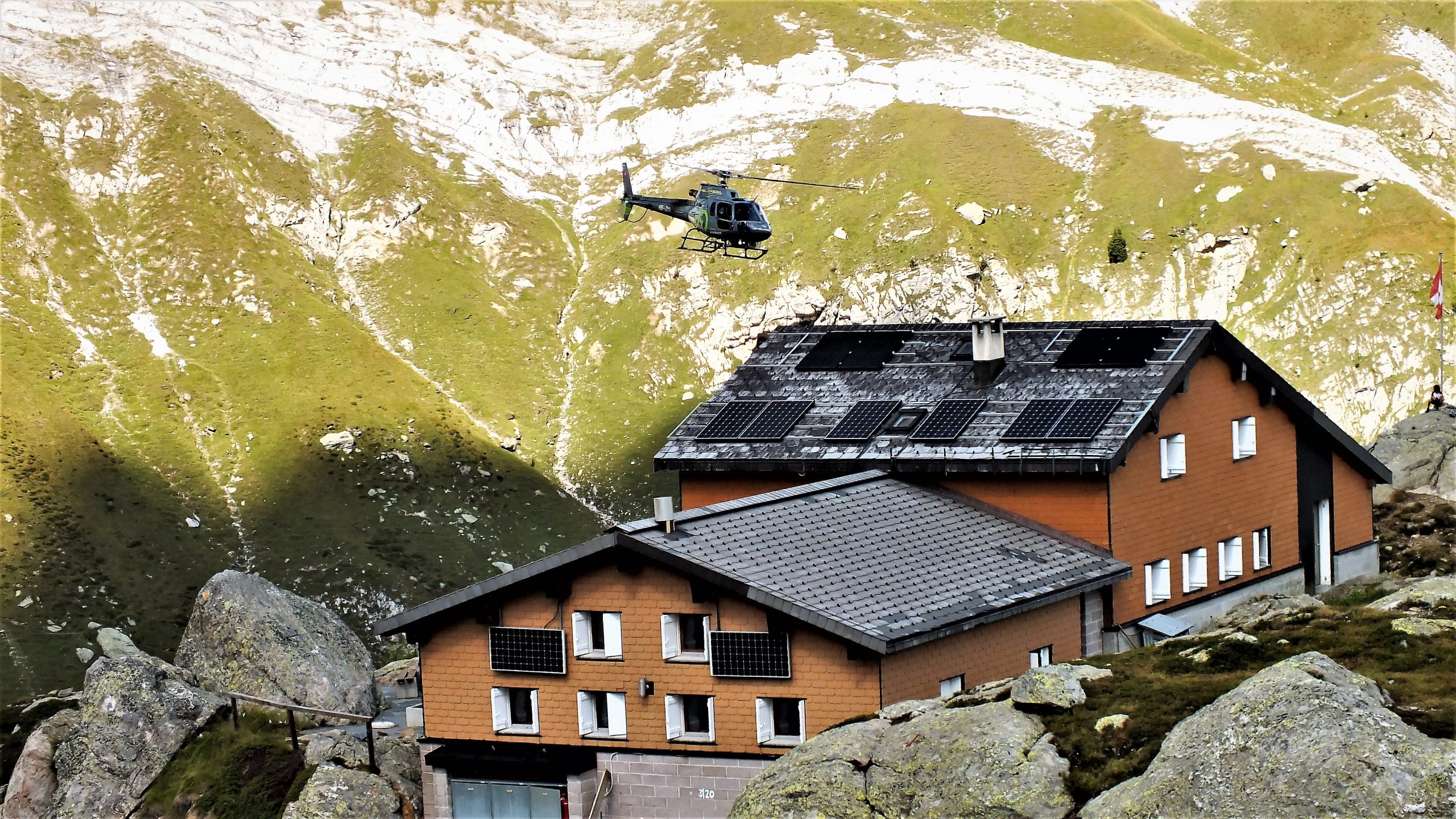
The high plateau is now almost reached, and our steps become lighter. On the left side, the solid main building of the mountain hut Capanna Leìt of the SAT Ritom appears. The sheltering accommodation is only a few steps ahead of us and promises a well-deserved rest. As we approach the hut, the unmistakable rock tower of Pizzo del Prévat rises majestically once more on the far right, as if to say goodbye. In the background, the jagged chain in the center forms the mighty ridge of Pizzo Campolungo. If you look very closely, you can spot a small, red-and-white Swiss flag fluttering proudly in the fresh mountain wind on an exposed rock head further up.
Gallery 4: Arrival at Capanna Leìt
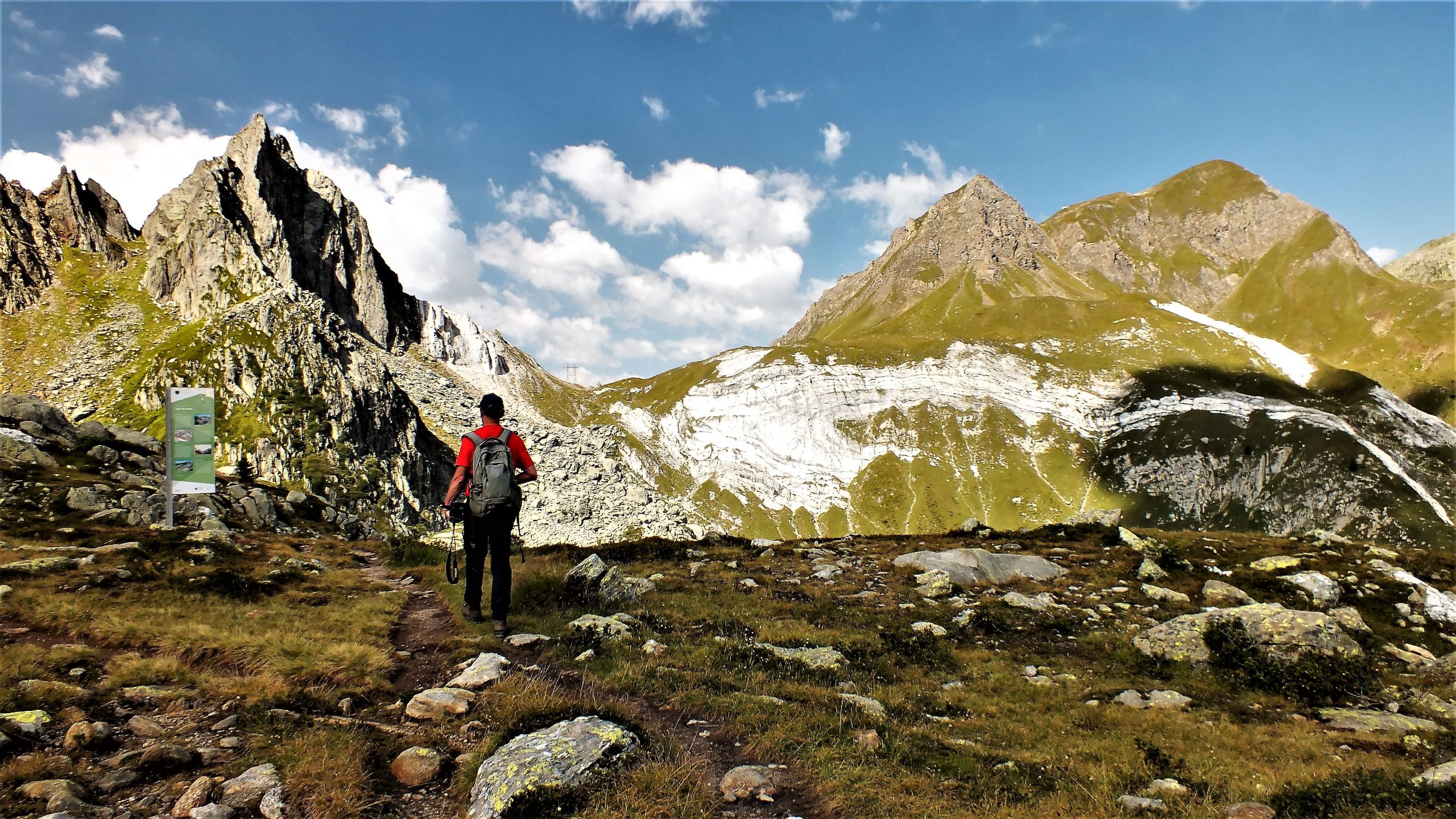
From Capanna Leìt, we return to Passo di Vanit and turn southwest. An alpine trail now leads us relentlessly down into the wild, pristine Val Lavizzara—a deeply carved side valley of the Maggia Valley, at the end of which the mountain village of Fusio awaits us. The path leads us directly along the famous, dazzling white Campolungo sugary dolomite. The soft, calcareous stone crunches softly under our soles and reflects the sunlight so intensely that it burns the eyes. In the background, the mighty ridge builds up, acting as a natural barrier separating the Leventina Valley from Val Lavizzara. Above all dominates the geologically highly complex Pizzo Campolungo, standing at 2,713 meters, flanked by the wild, unapproachable rock jagged peaks around Corona di Redorta.
As we leave the first steep switchbacks behind and dive deeper into the high valley, we pause once more and turn around. From this lower perspective, Passo Campolungo reveals its full scenic drama at 2,318 meters. The striking saddle in the center, which forms the actual crossing, magnetically draws the eye. On the left side, a steeply rising flank with rugged, dark rock bands builds up. It stands opposite the right flank, which is characterized by lush green mountain meadows—a soft carpet that is, however, abruptly broken by wide, dazzling white veins of sugary dolomite. Down here, the barren, high alpine stone desert slowly gives way to softer vegetation: the slopes are densely covered with light green larch forests and alpine bushes, which are so typical for this transition in the Ticino mountains.
Gallery 5: The Descent into Val Lavizzara
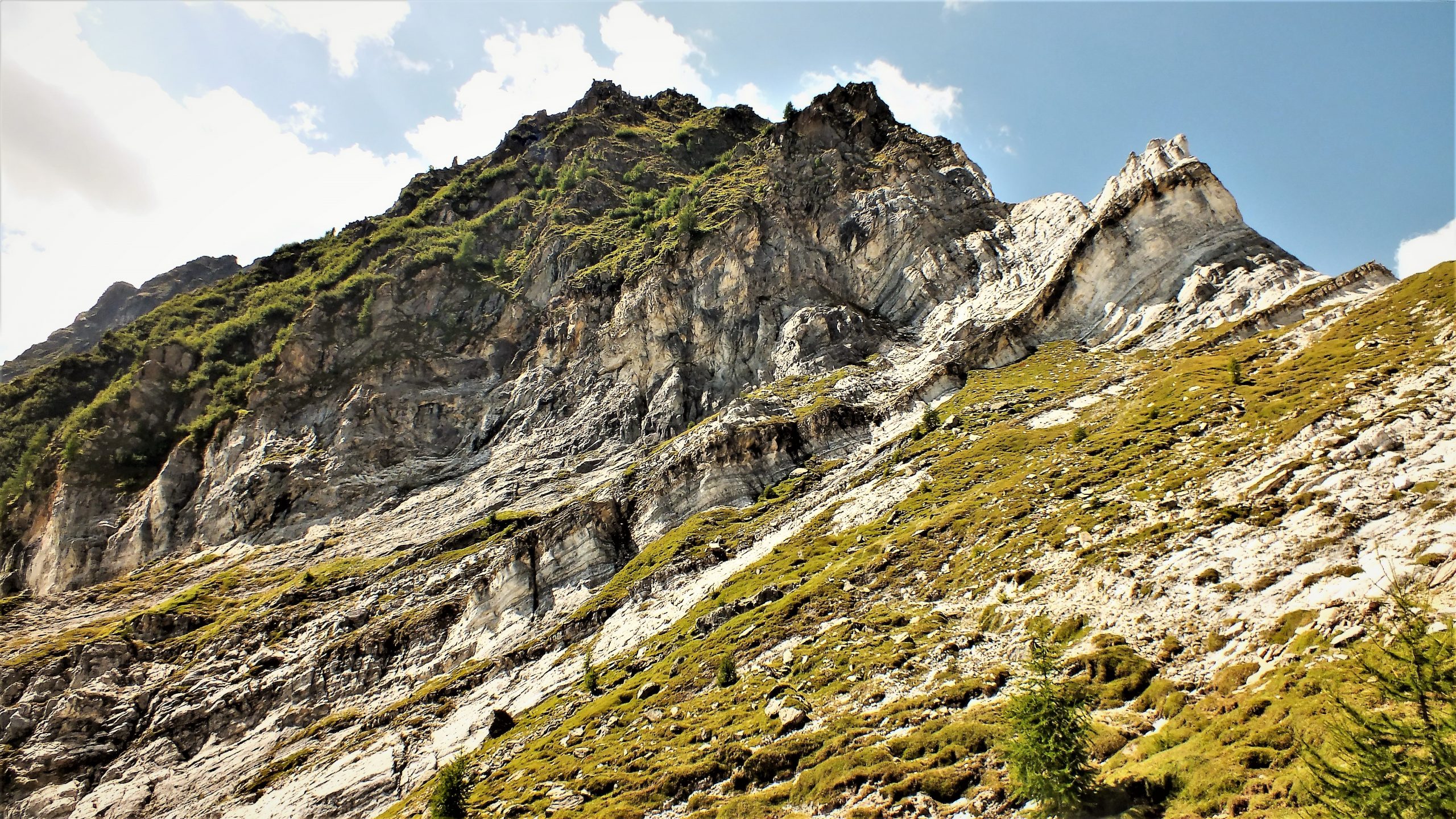
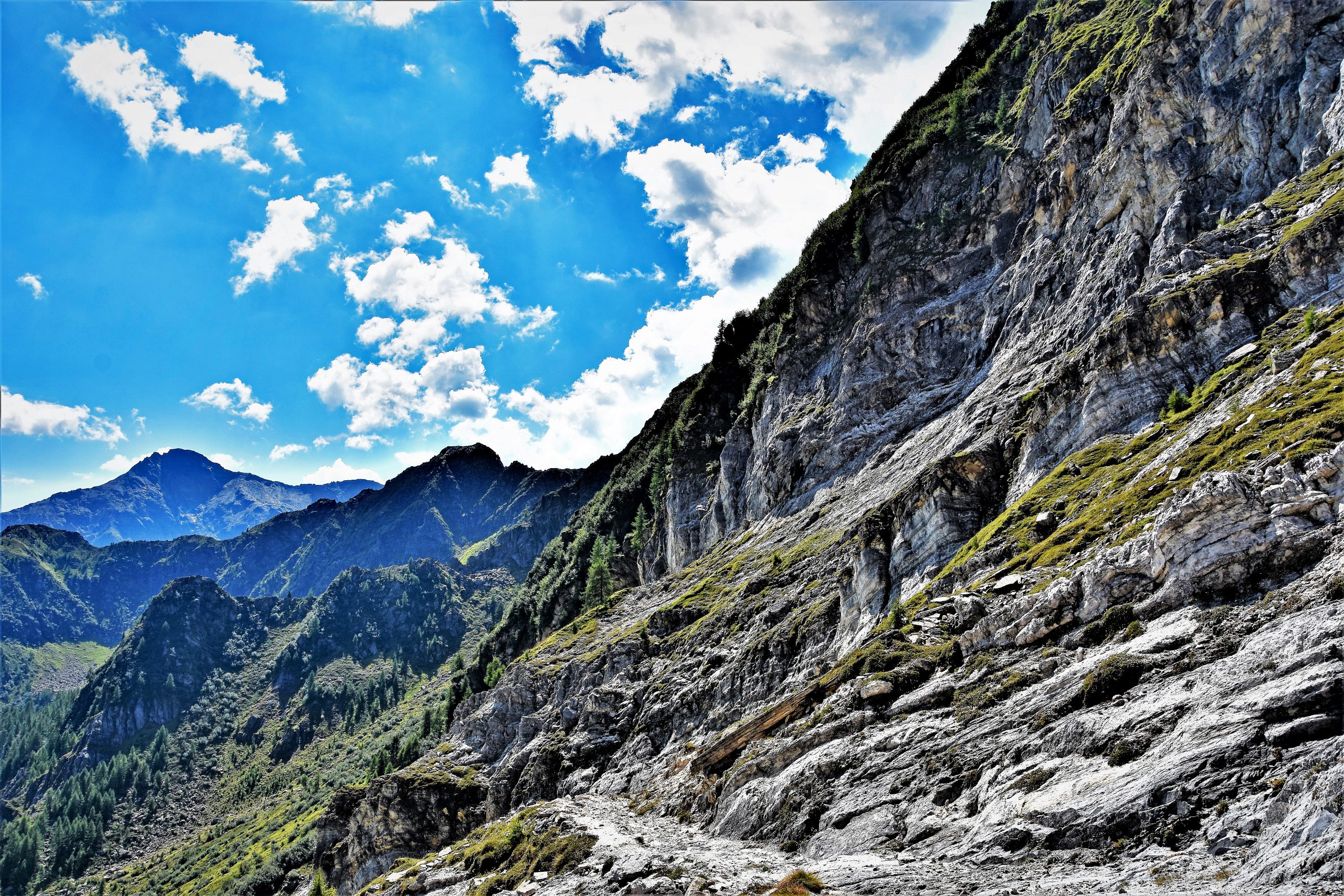
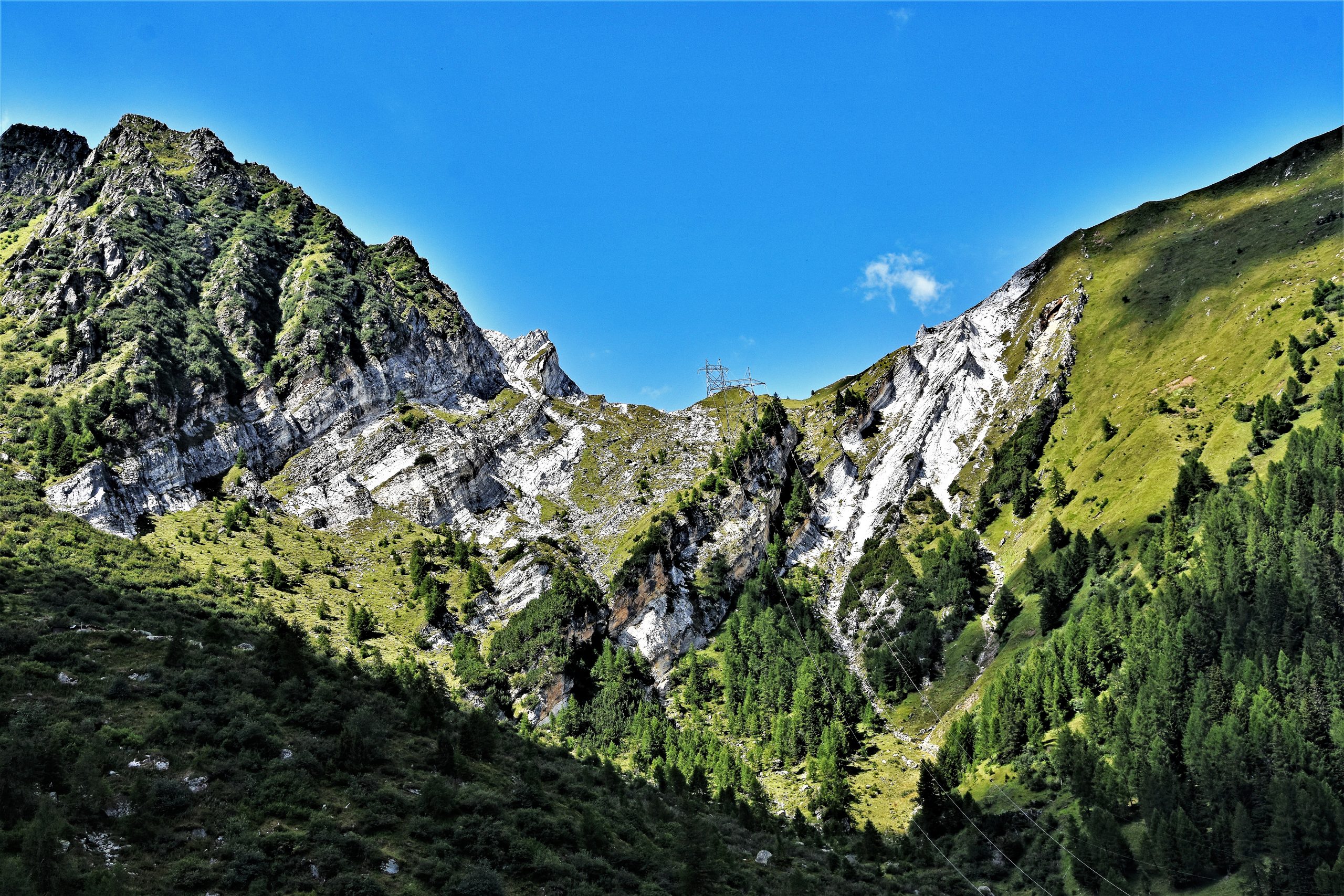
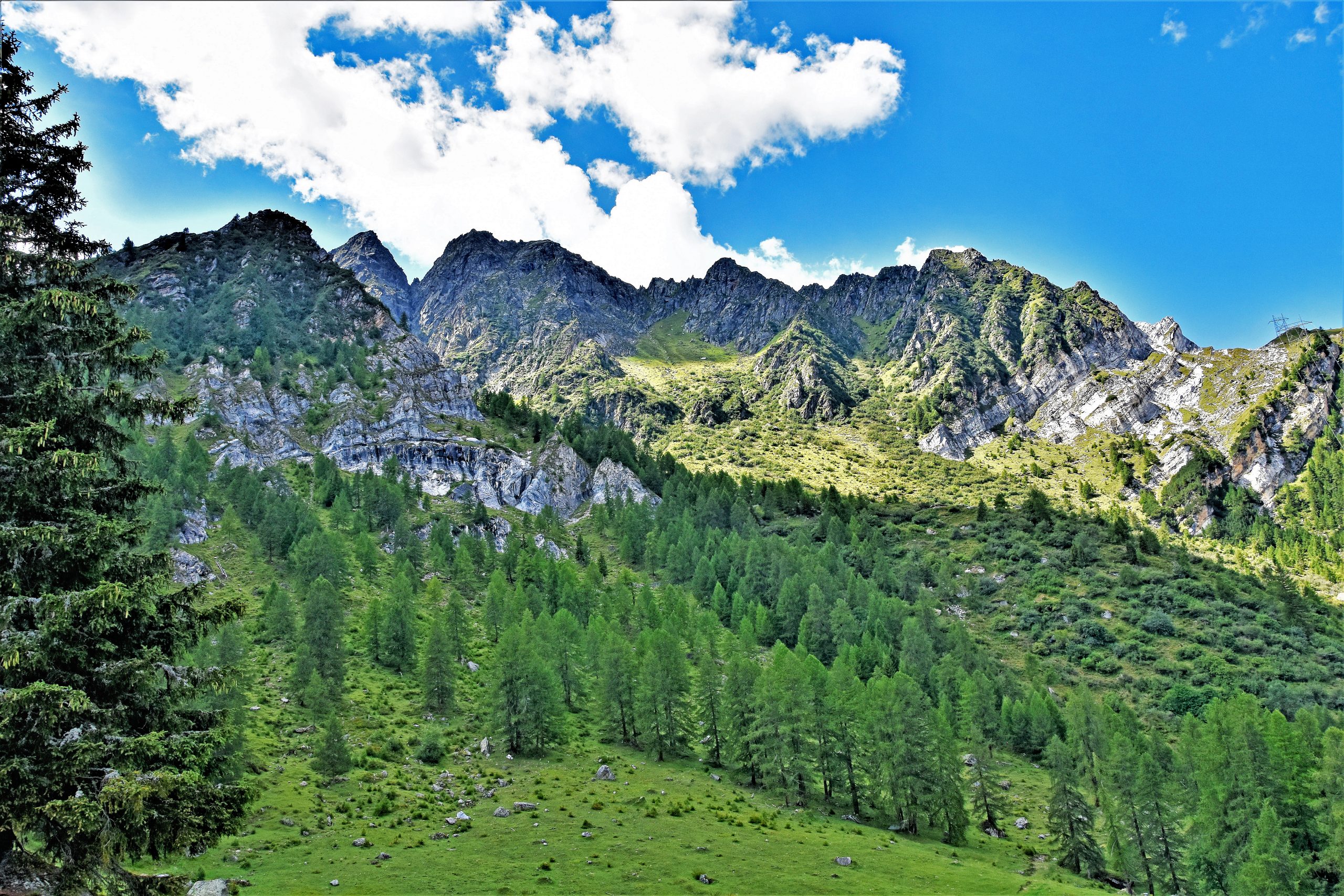
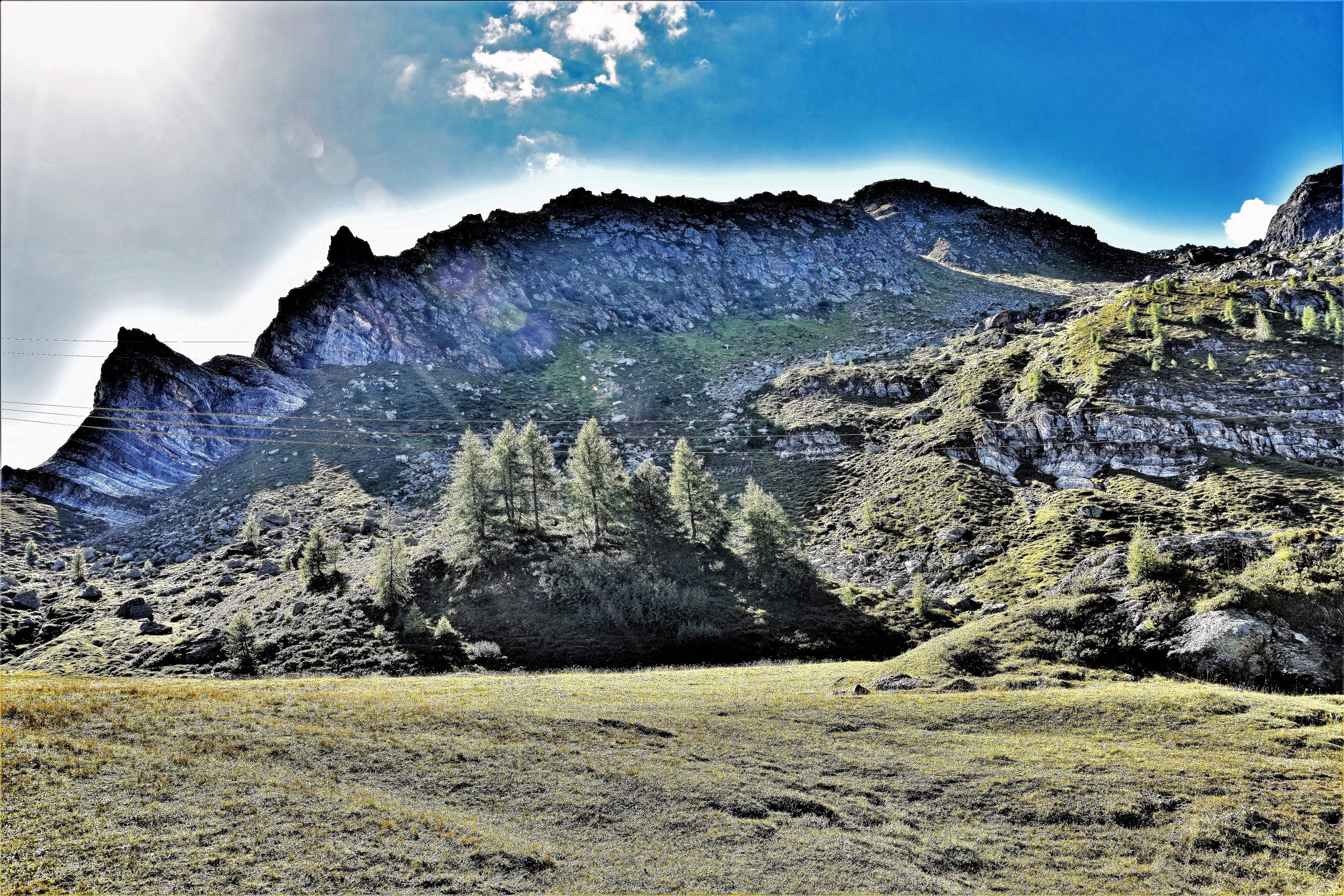
We continue our long march towards Fusio, while a final, comprehensive view of the rocky mountain range west and northwest of the pass presents itself. One last time, we admire the rugged, dark rock jagged peaks belonging to the massif of Pizzo del Prévat, standing like gloomy guardians over the valley. Right next to it, the grassy pass crossing, laced with bright rock bands, nestles into the landscape, gently framed by the sparse larch forests whose needles glow in the afternoon light.
Eventually, the ground changes. The rough, stony mountain path gives way to a hard asphalt road—the certain sign that civilization has us back. After so many hours in our bones, fatigue spreads heavily and relentlessly. Our steps slow down, and our attention for the actually so beautiful landscape fades with every meter we cover on the hard surface. As the low hum of an engine comes closer, exhaustion triumphs over hiking pride: we spontaneously stick out our thumbs.
To our great luck, the car brakes. An incredibly friendly Italian rolls down the window, laughs as he waves us inside, and takes us the last stretch of the way. When we finally arrive in Fusio, toss our backpacks into the trunk of our own car, and stretch out our tired legs, a deep satisfaction washes over us. On the drive to our accommodation, we review the day. In our memories remains an absolutely beautiful, geologically unique high tour, but also the awareness of the effort it cost us—and of course, the wide smile of the helpful driver who gave this perfect mountain day its fitting finale.