Day 1: March 2, 2024 – Roman Echoes, Modernism, and the Endless Blue
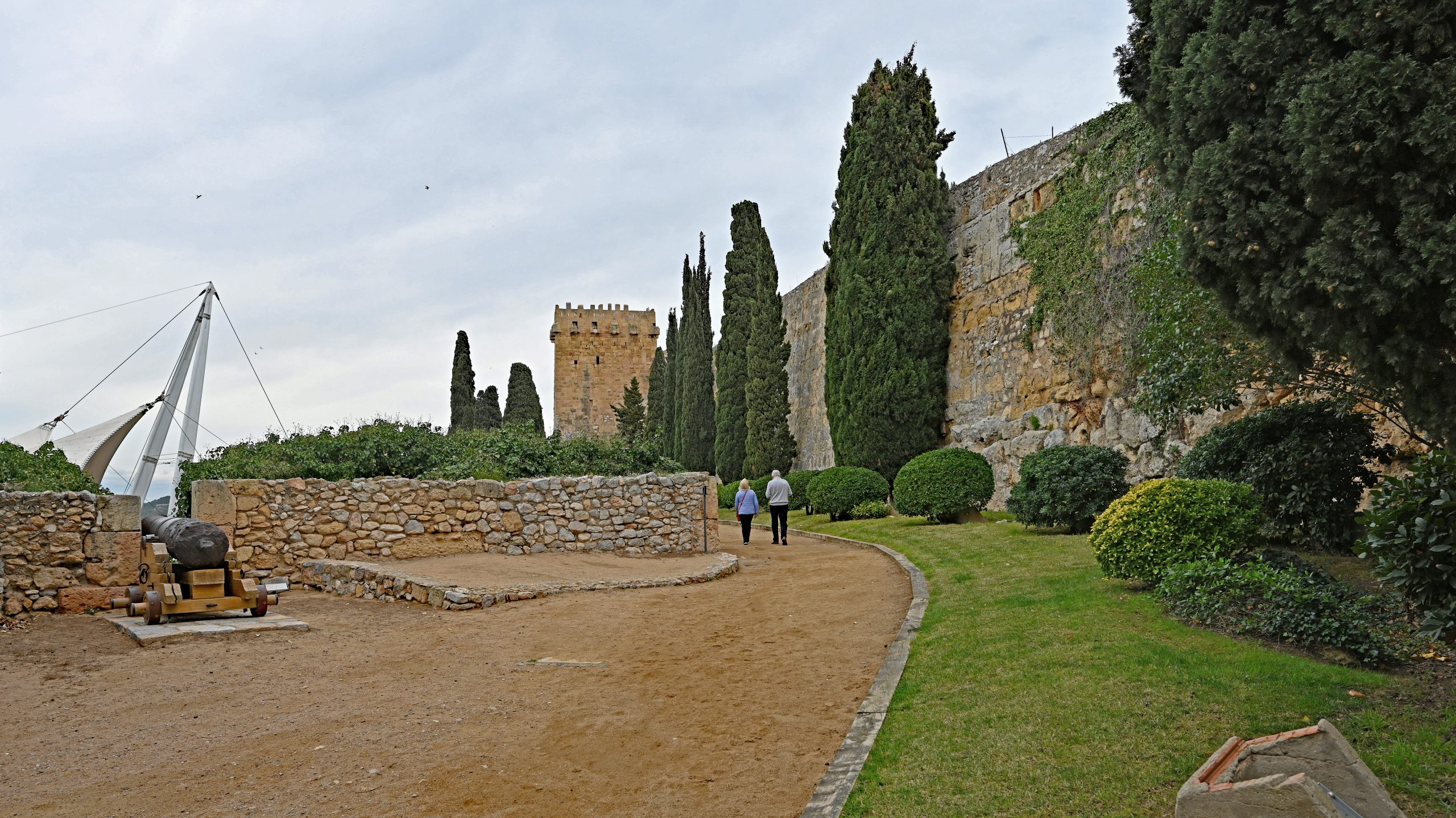
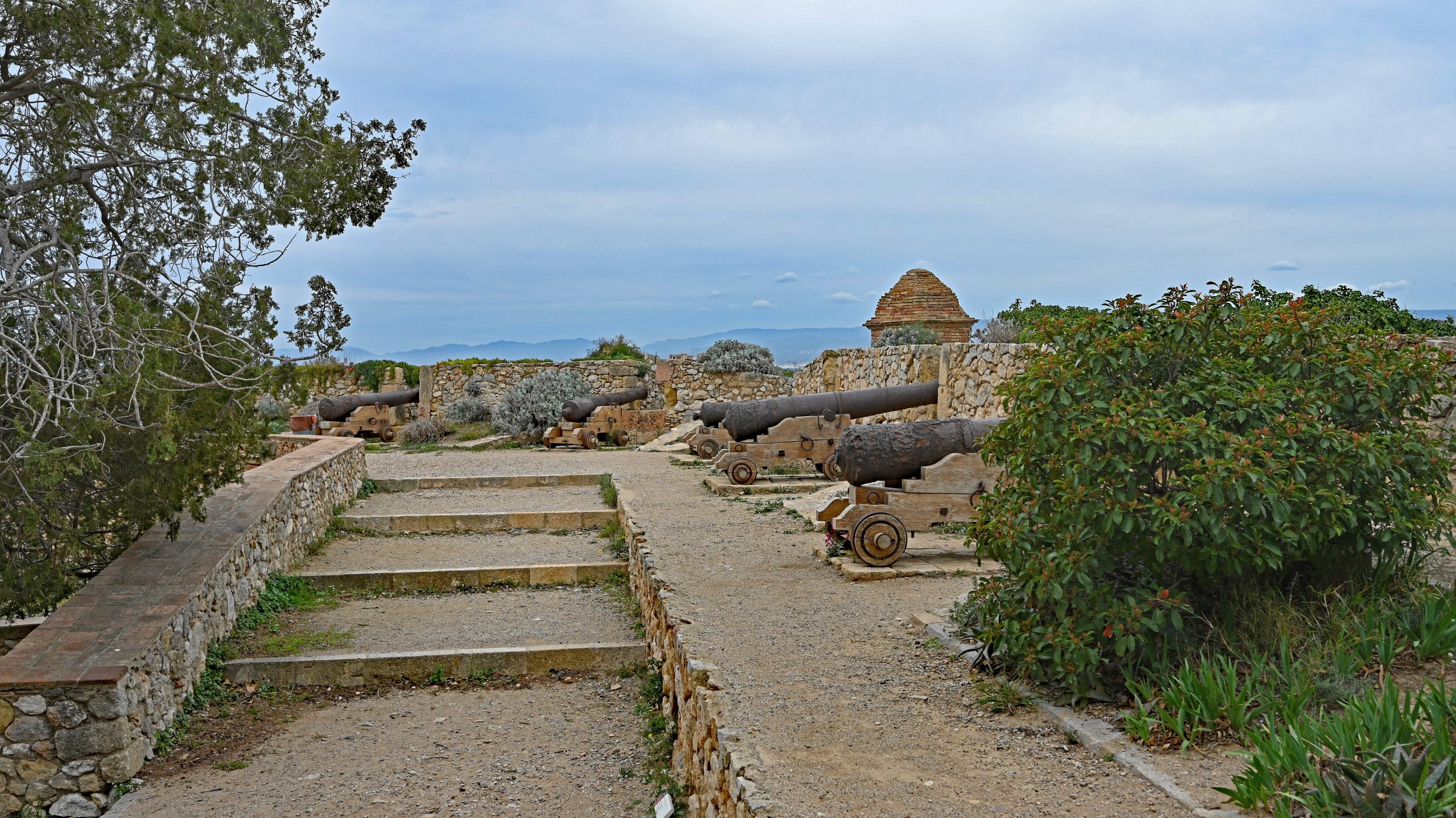
It is the warm, honey-yellow glow of the sandstone that first captures me as I enter the historic upper city, the Part Alta, on this early March afternoon. Tarragona does not keep its millennia-old history hidden away in dusty display cases; it wears it proudly in the open air. My walk begins on the Passeig Arqueològic. The narrow, well-kept path winds like a green ribbon between the monumental, cyclopean fortress walls. Cypresses rise like dark sentinels into the overcast sky, while the scent of damp earth and wild rosemary hangs in the air. Further up on the bastions, old cannons look silently over the surrounding countryside—steely witnesses to long-past sieges.
Gallery I: Fortified Backdrops and Stone Witnesses
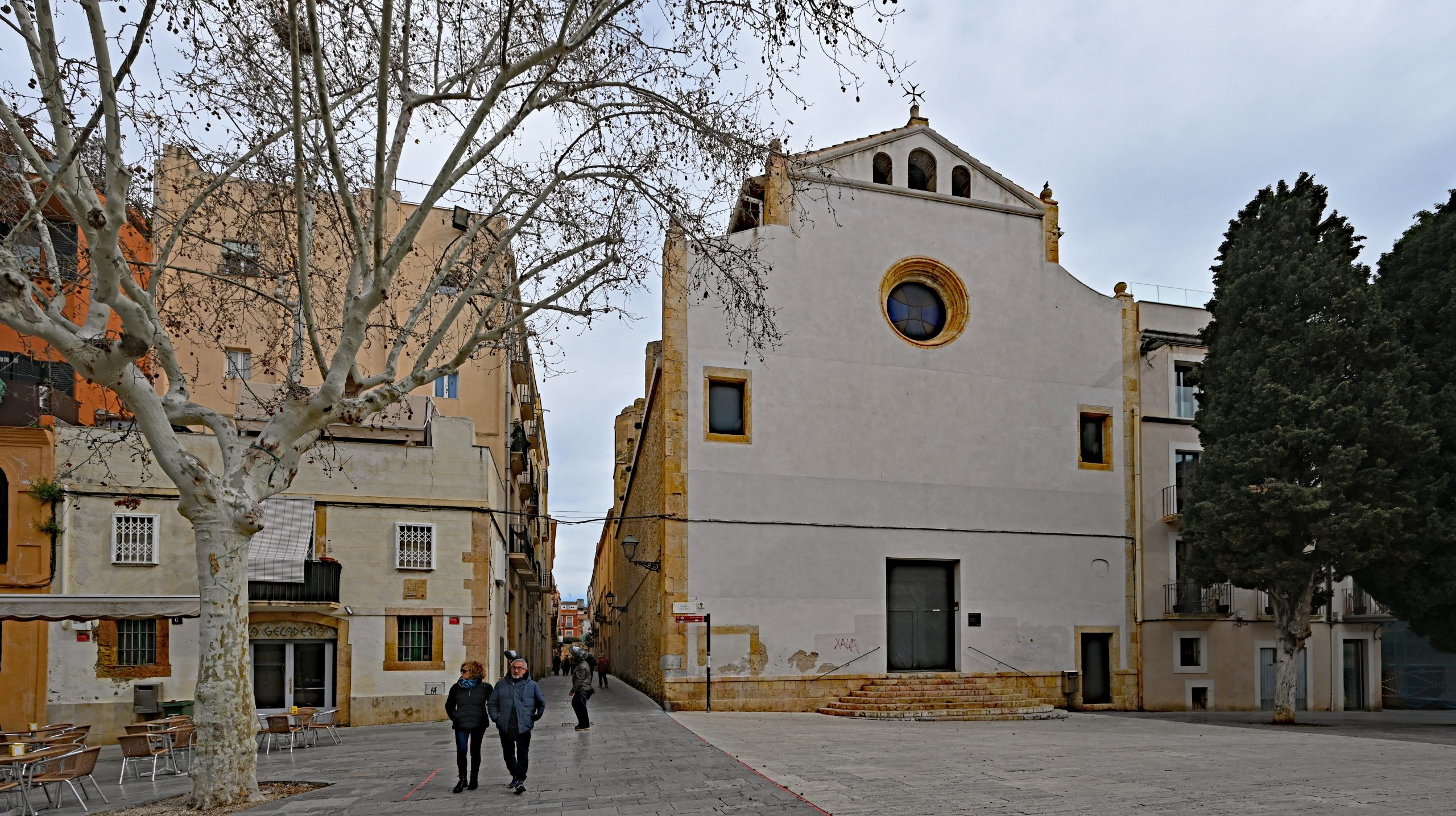
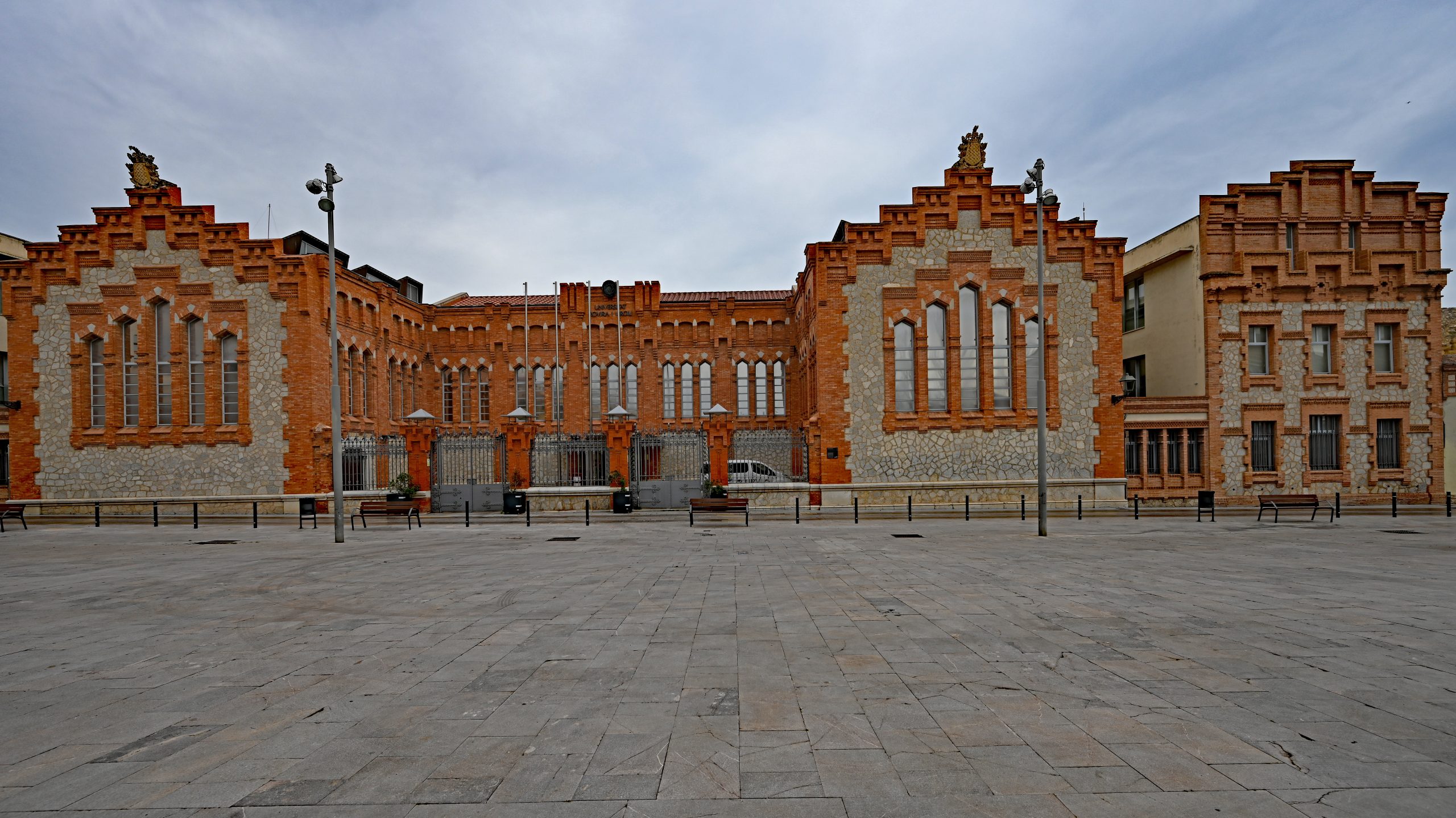
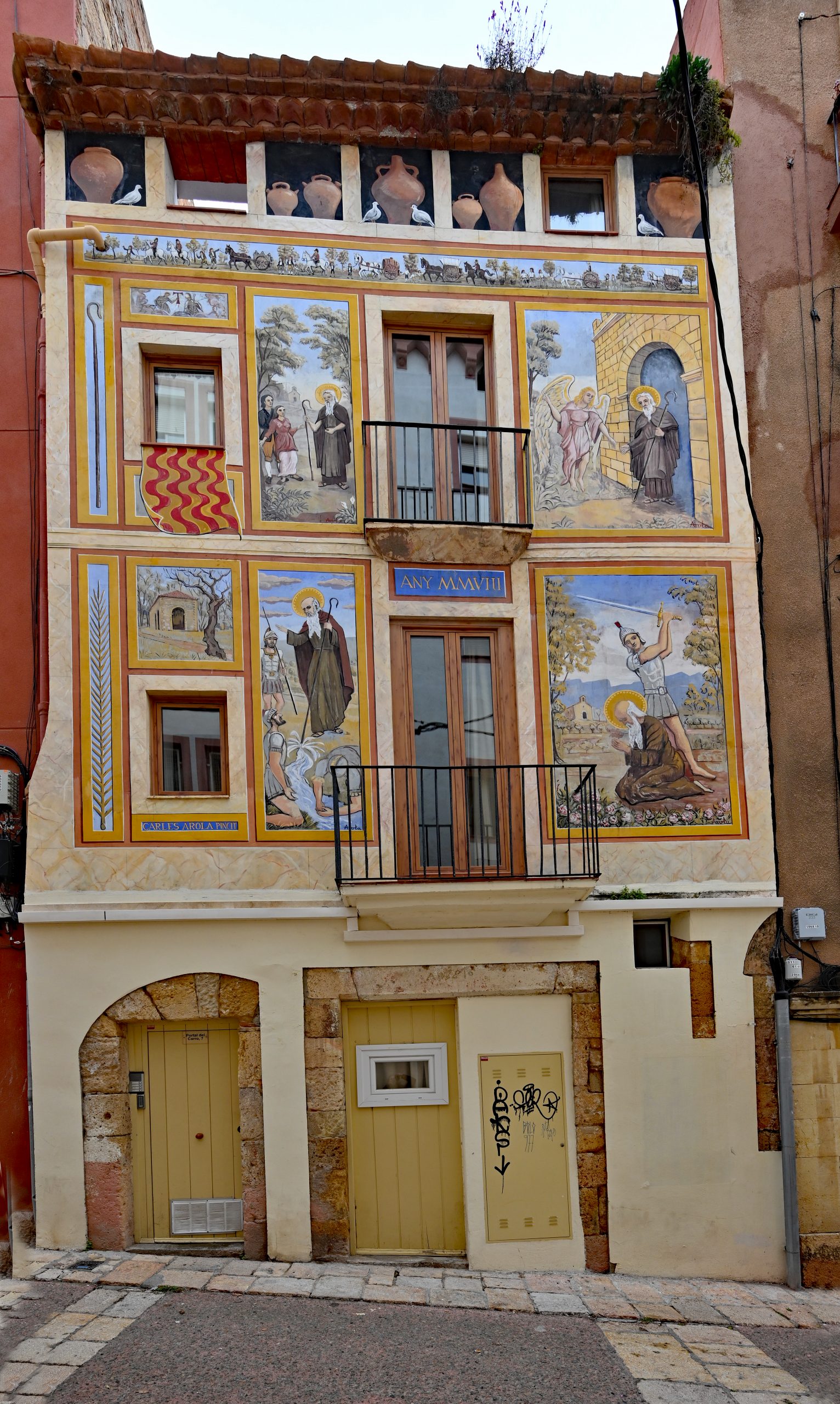
The path leads me deeper into the labyrinth of the old town. Suddenly, the narrow tangle of alleys opens up and I find myself standing in the Plaça de l’Antic Escorxador. Here, raw antiquity meets the playful elegance of Catalan Modernism. The University Rectory, a former slaughterhouse, fascinates me with its high-contrast facade of light natural stone and intricate red brick elements. Directly opposite, the wall of a residential building explodes into a monumental, colorful painting, the Mural de Sant Antoni. The trompe-l’œil artwork draws the eye magnetically, telling the stories of this neighborhood’s deep traditions with its painted doves and the proudly displayed Catalan flag.
Gallery II: Art Nouveau and Facade Art at the Plaça de l’Antic Escorxador
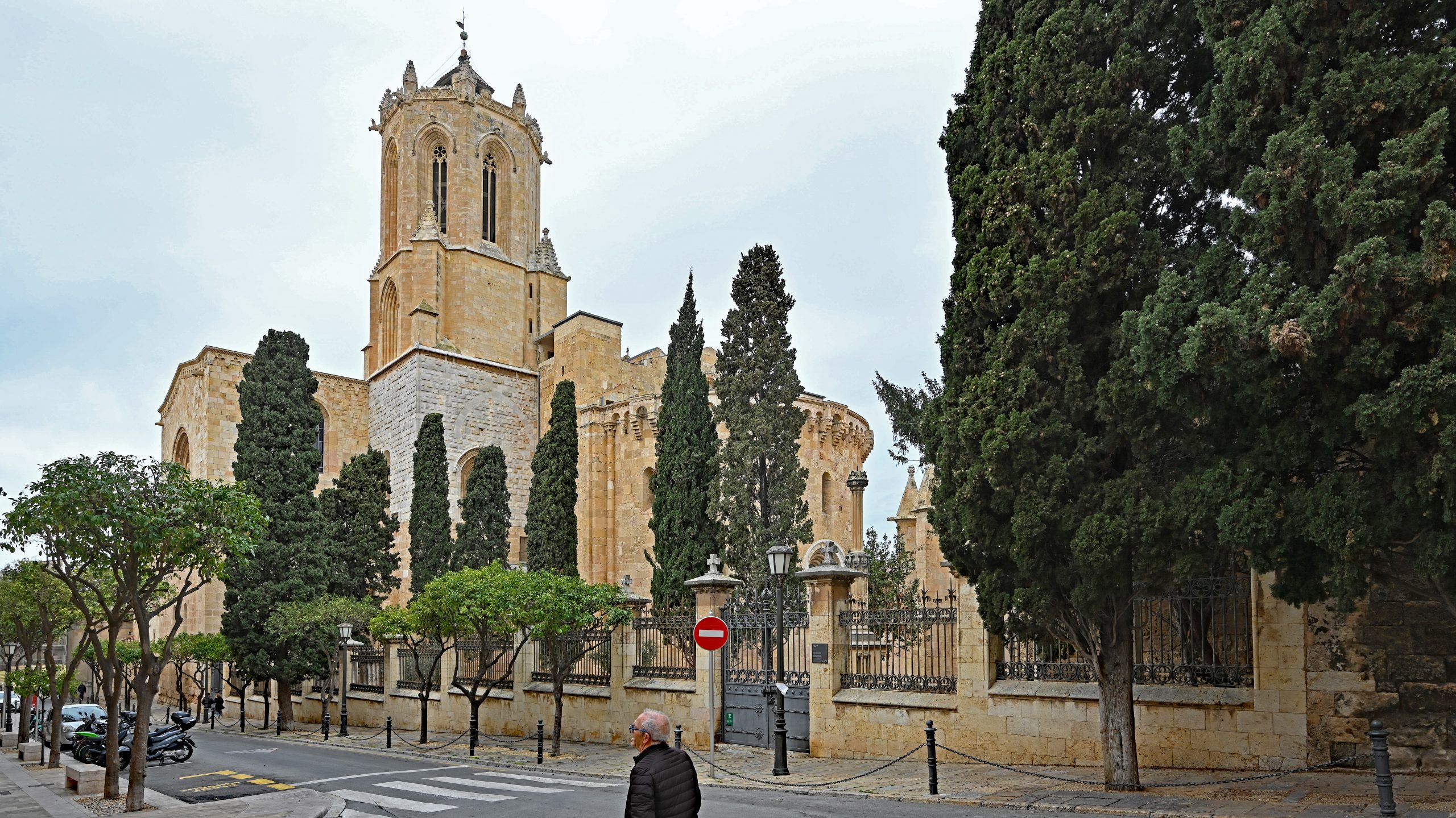
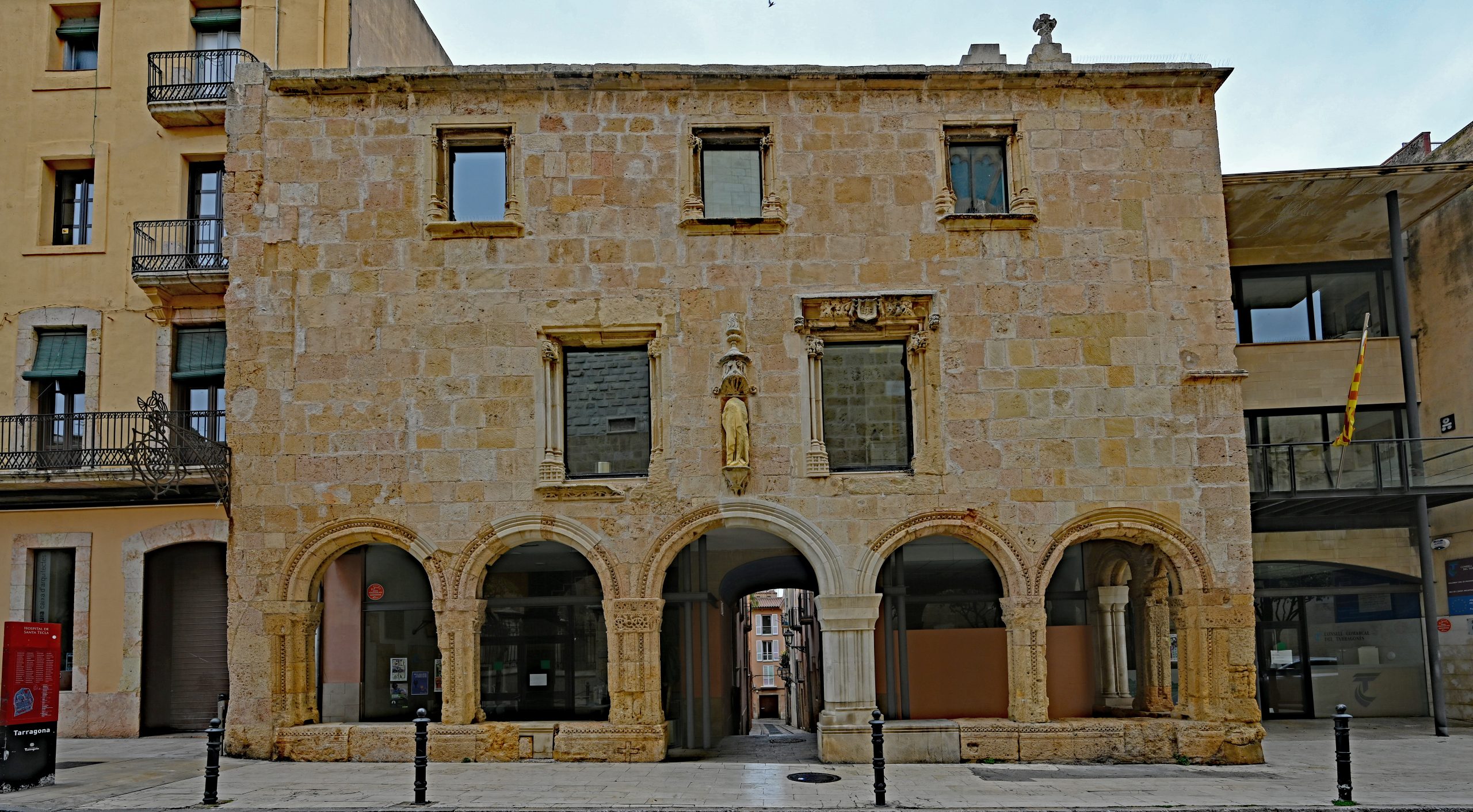
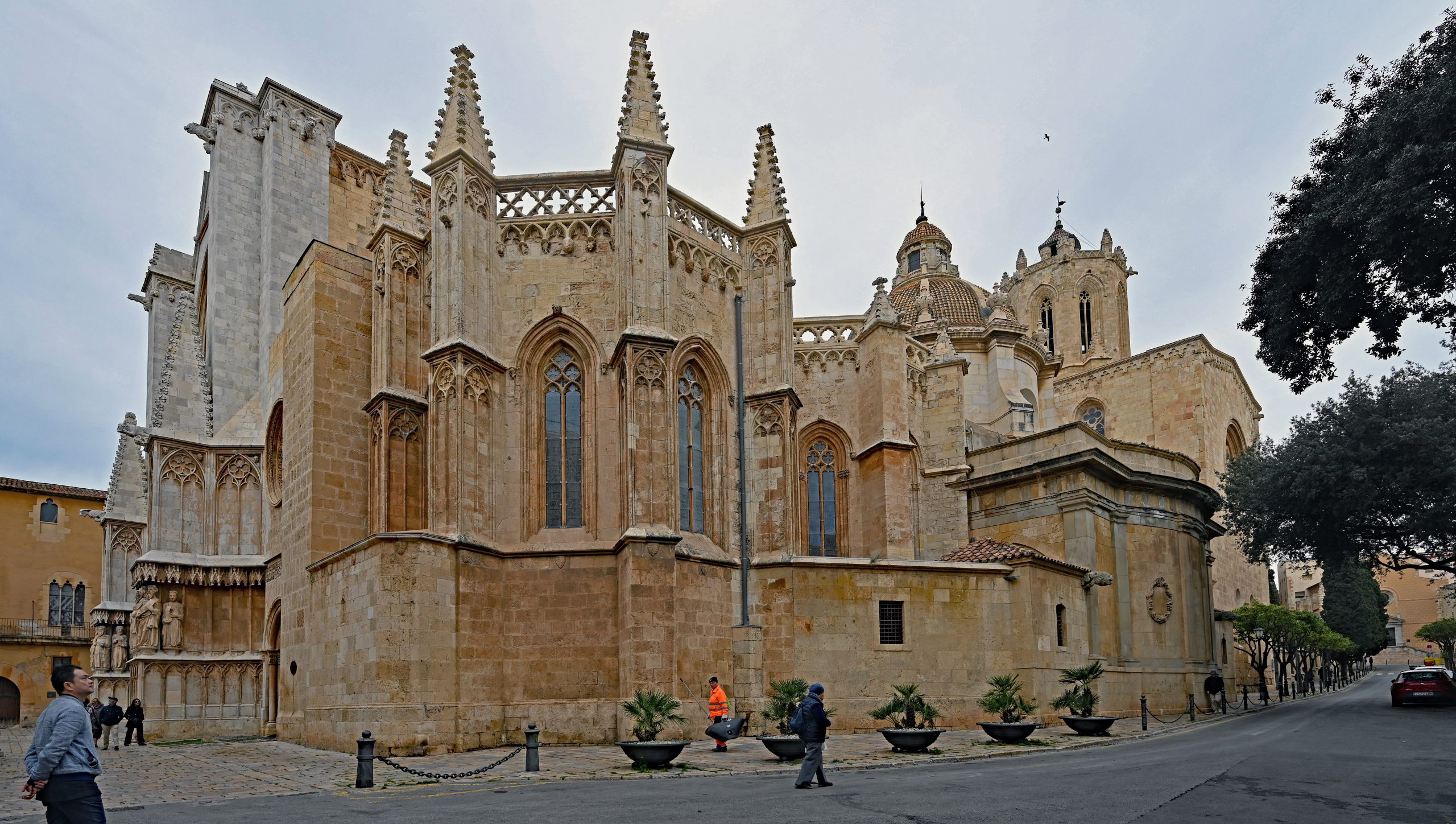
As I continue wandering, I approach the monumental Catedral de Santa Maria from behind, walking along the narrow, atmospheric Carrer de les Coques. From here, the church looks like an impregnable fortress. The massive, semi-circular apse displays the austere spirit of the Romanesque style, while the octagonal bell tower rises majestically into the sky. Just a few steps away, I discover the Antic Hospital de Santa Tecla from the 12th century, its beautiful Romanesque-Gothic rounded arches forming a shaded portico.
Gallery III: The Monumental Cathedral from Carrer de les Coques
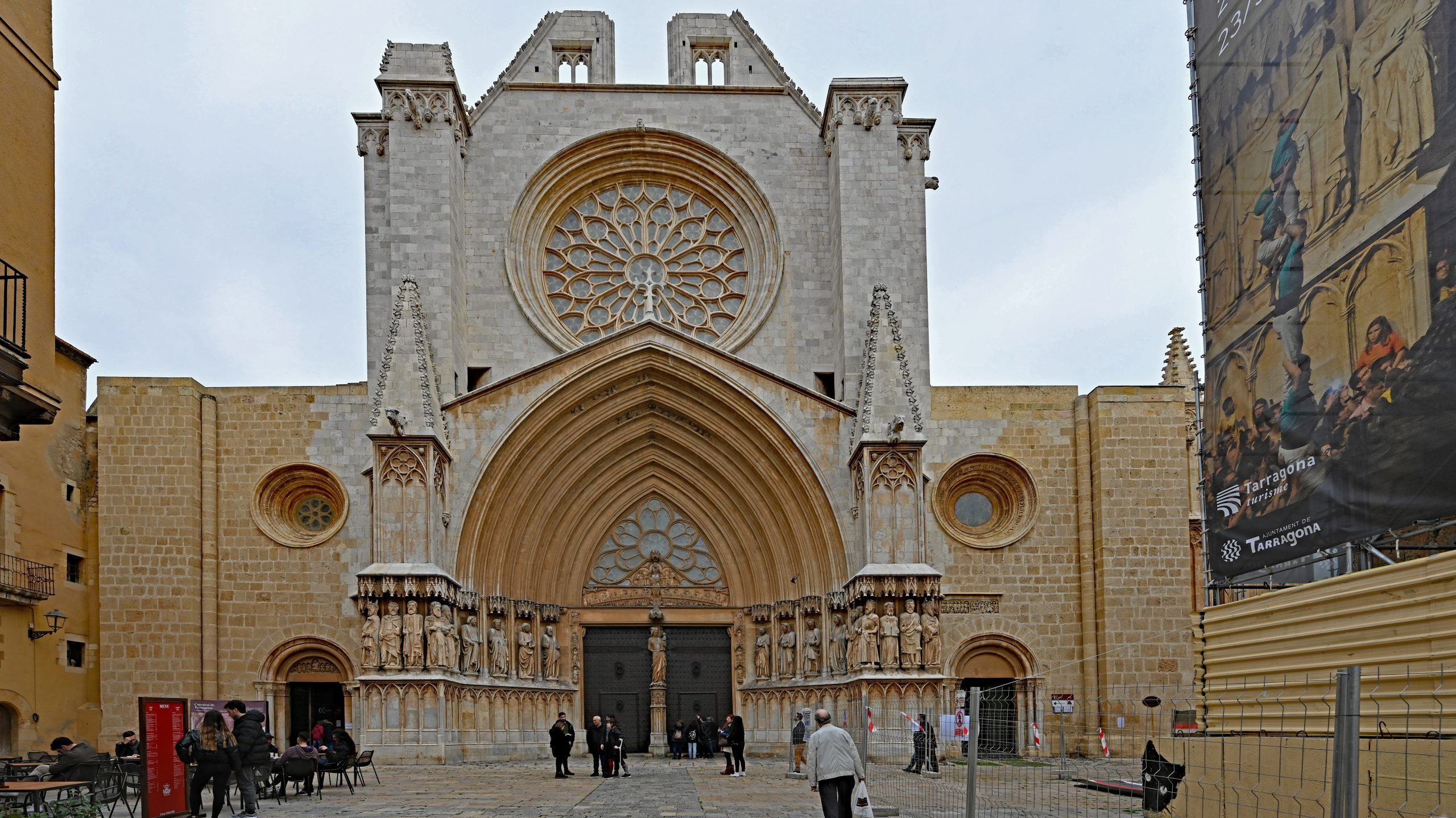
Turning the corner onto the Plaça de Santiago Rusiñol, the main facade takes my breath away. The deeply recessed Gothic portal is adorned with expressive sculptures of apostles and prophets. Above it sits the giant stone rose window, a masterpiece of geometry. The fact that the facade breaks off flat at the top—because the Black Death abruptly halted construction in 1348—lends this place a tragic yet deeply human touch.
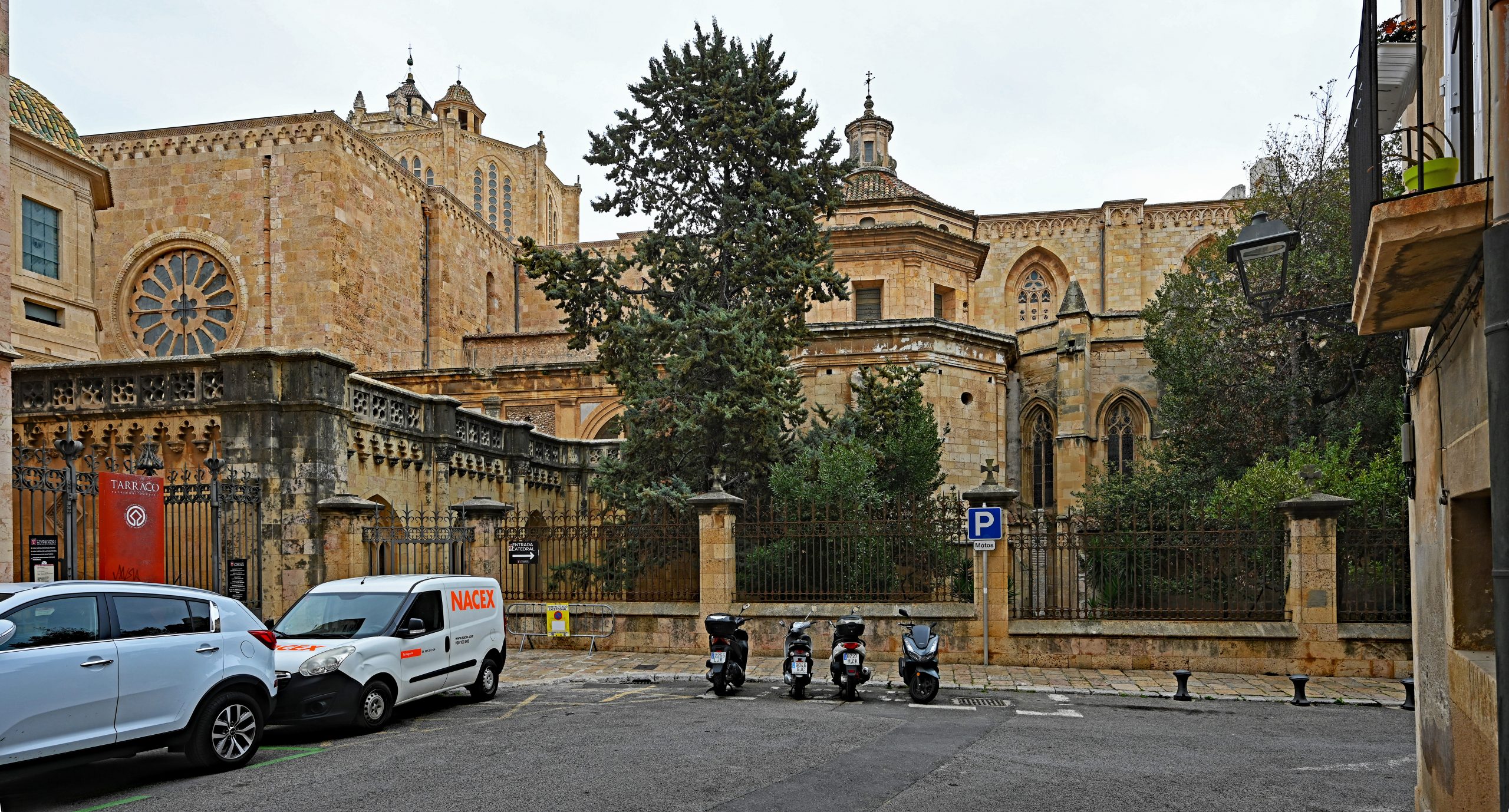
Strolling down the Carrer de Sant Pau, the baroque-classicist facade of the Seminary Church rises next to the neo-Gothic Pontifical Seminary, before a completely new view of the cathedral’s interlocking chapels and baroque domes opens up from the quiet Plaça del Palau.
Gallery IV: Sacred Architecture and Wide Squares of the Part Alta

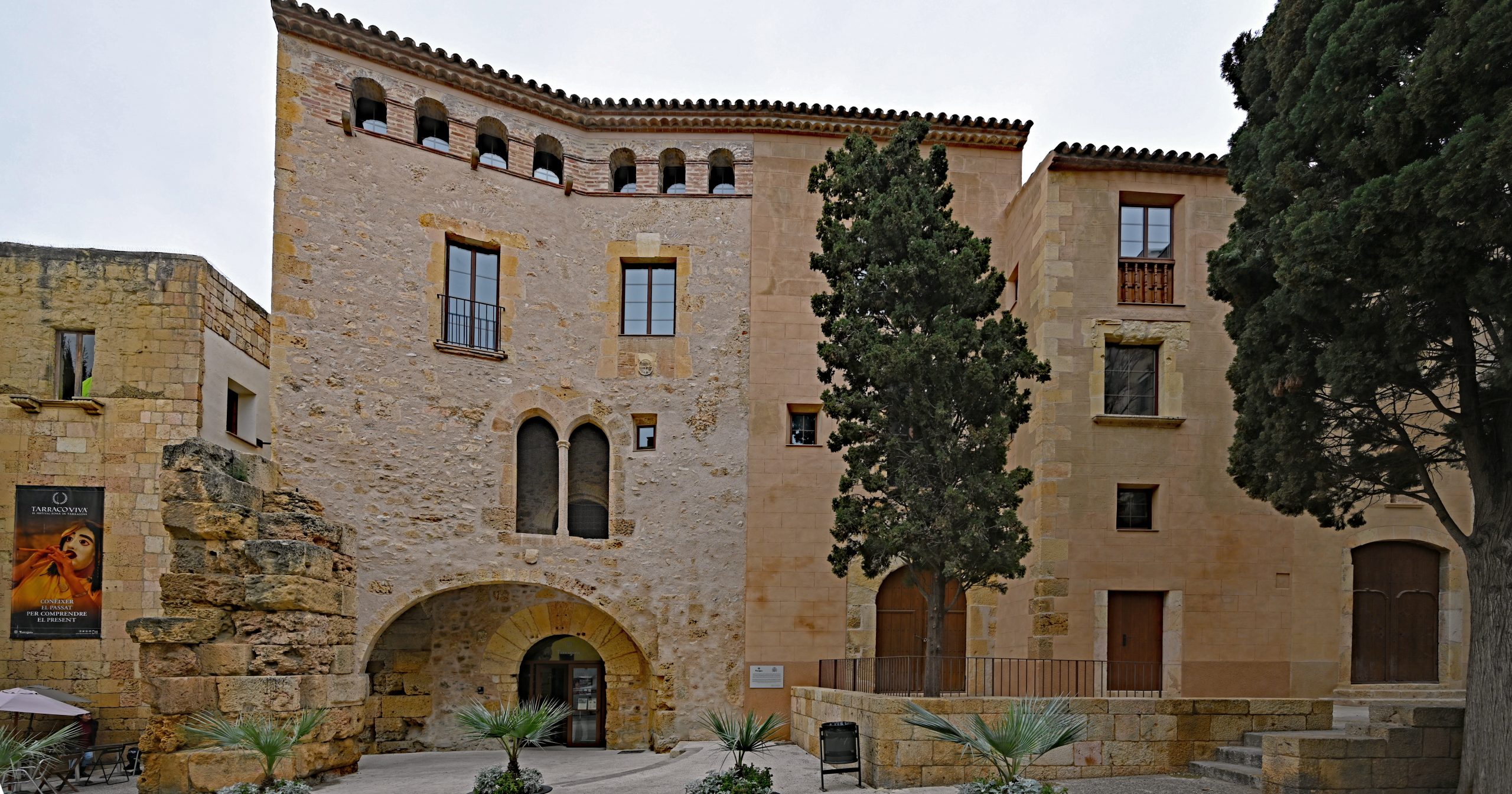
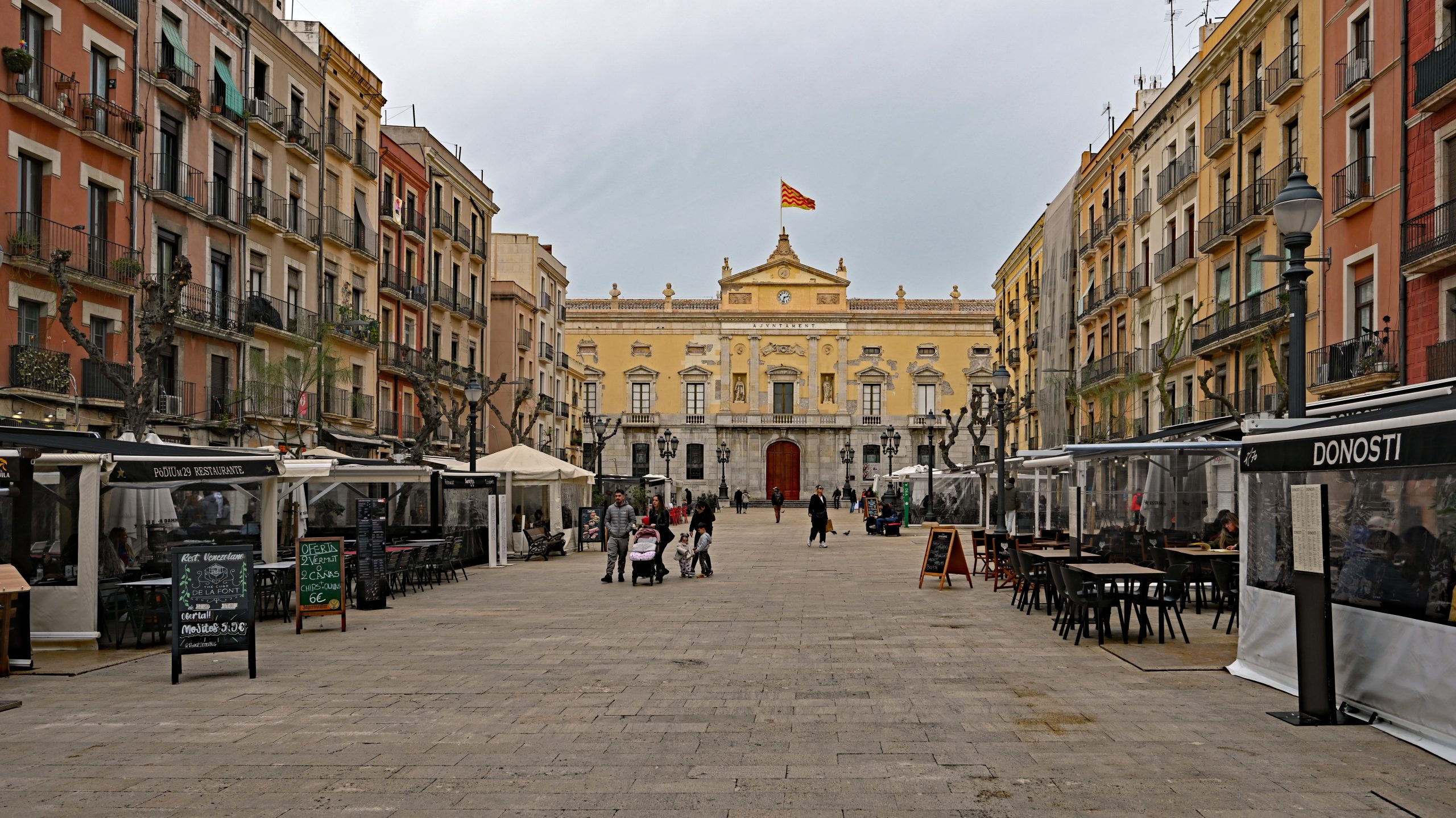
The late afternoon belongs to the vibrant daily life of the city. At the historic Plaça del Pallol, I admire Ca l’Agapito, a medieval building boldly built on top of the monumental walls of the ancient Roman Provincial Forum. From there, I walk down to the Plaça de la Font. Where people are laughing, eating tapas, and enjoying the afternoon in outdoor cafes today, chariot races roared through the Roman entertainment district two thousand years ago. The elongated square still perfectly traces the exact shape of the ancient Roman circus.
Gallery V: Vibrant Life on Historical Foundations
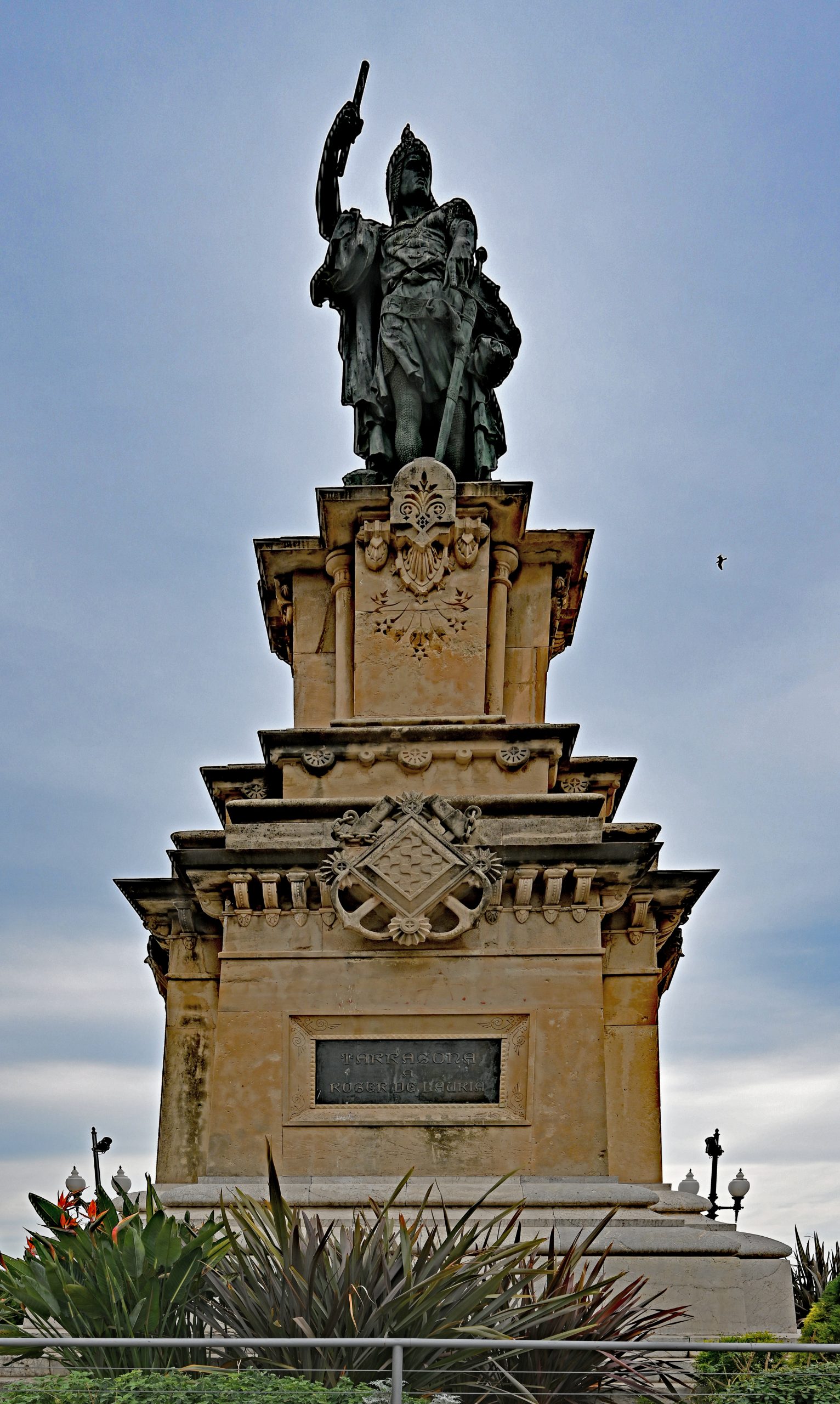
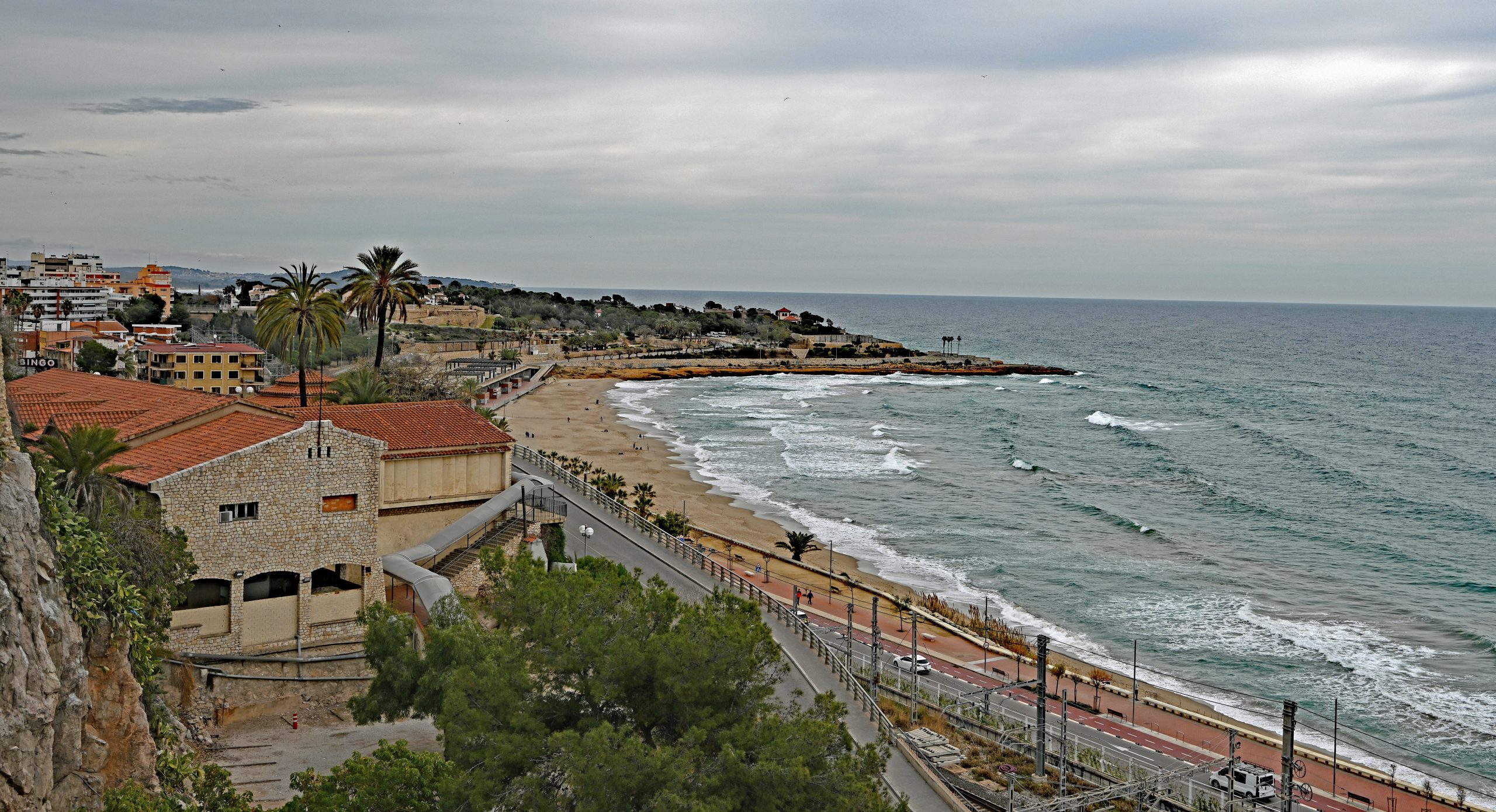
Finally, the water draws me in. I walk down the grand boulevard of Rambla Nova until I reach the Balcó del Mediterrani. Here, the bronze statue of Admiral Roger de Llúria stands, looking resolutely across the waves. Stepping up to the iron railing, a panoramic view opens up to the endless blue of the sea and the wide, golden sand of the Platja del Miracle.
Gallery VI: The Balcony to the Mediterranean
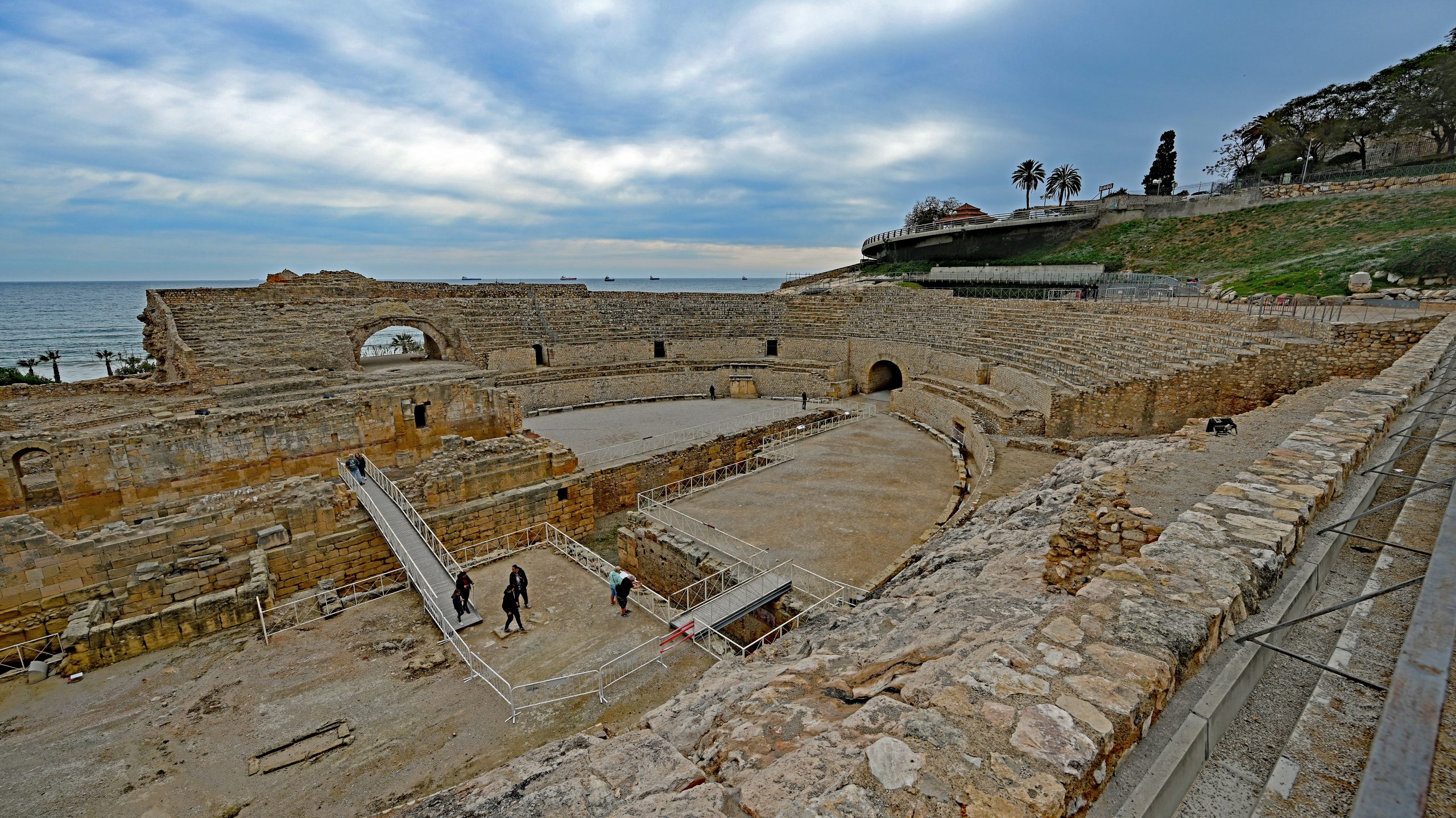
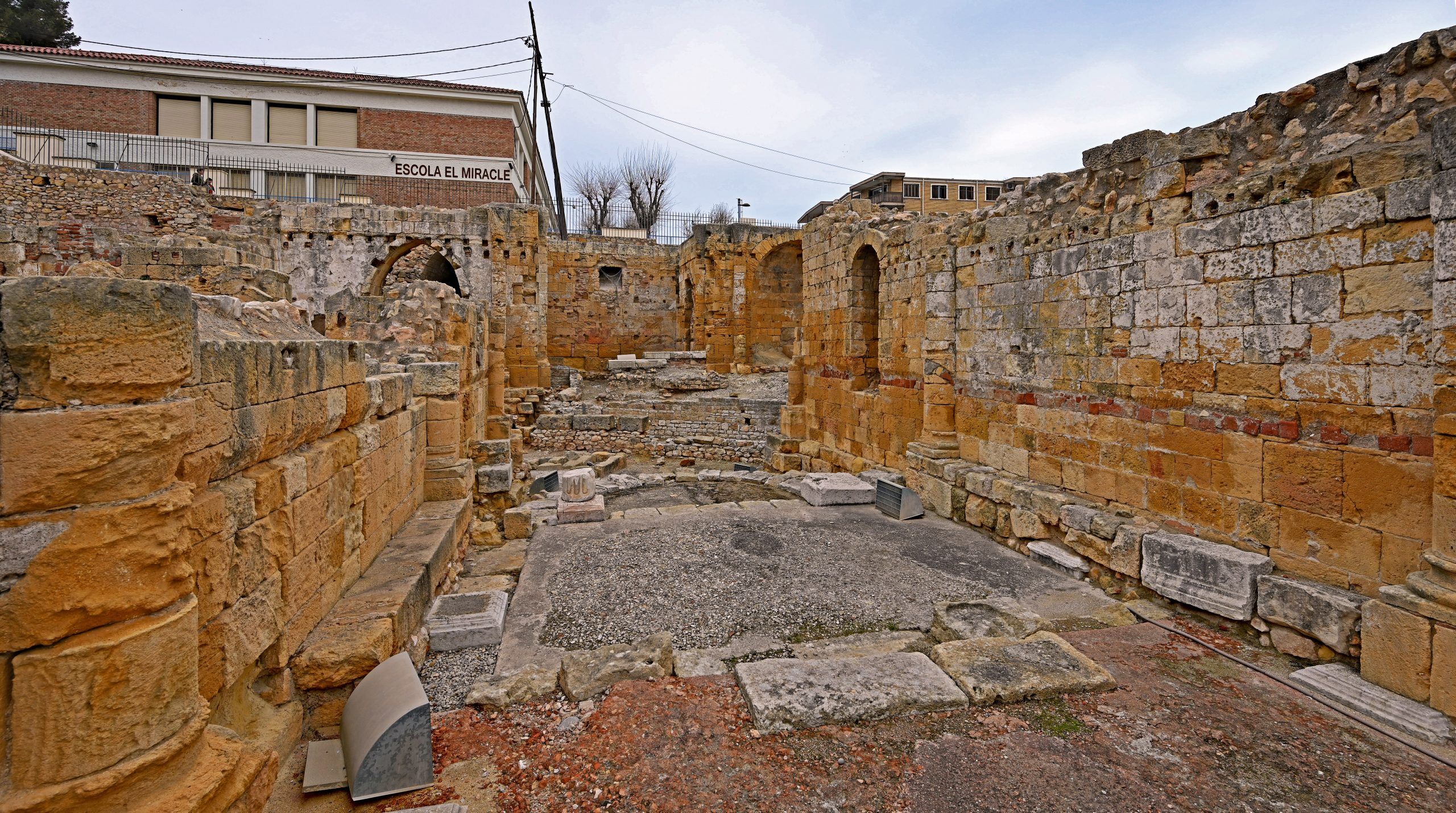
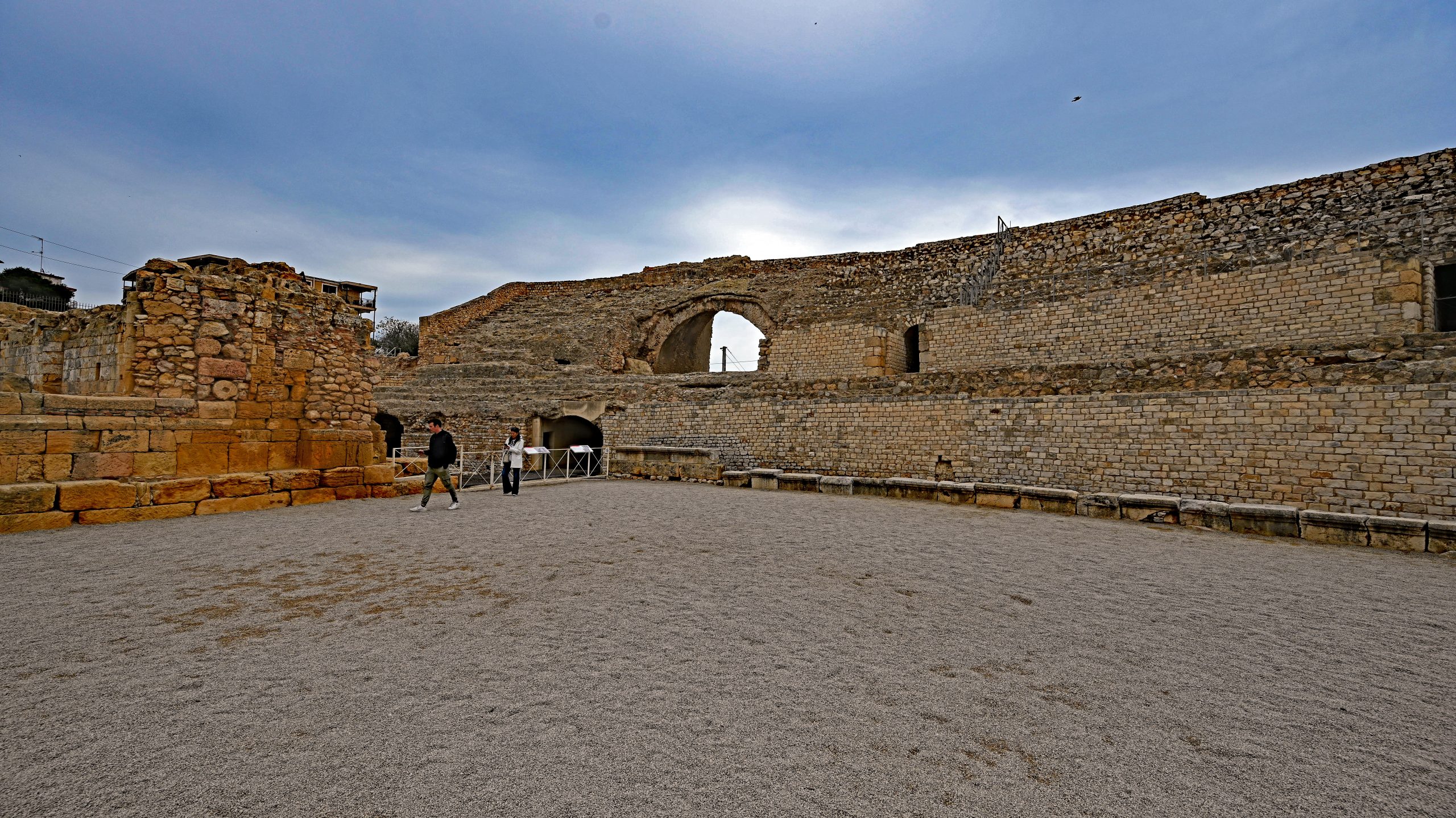
The absolute highlight of the day awaits me just a bit further down the cliffs: the Roman Amphitheater. It is breathtaking to see how the ancient arena sits directly against the backdrop of the azure sea. Standing in the center of the arena, surrounded by the tiered spectator stands and the ruins of a medieval church built right into the ellipse centuries later, you can truly feel the density of time.
Gallery VII: The Stone Arena by the Sea
Day 2: March 3, 2024 – Coastal Trails and the Crown of the City
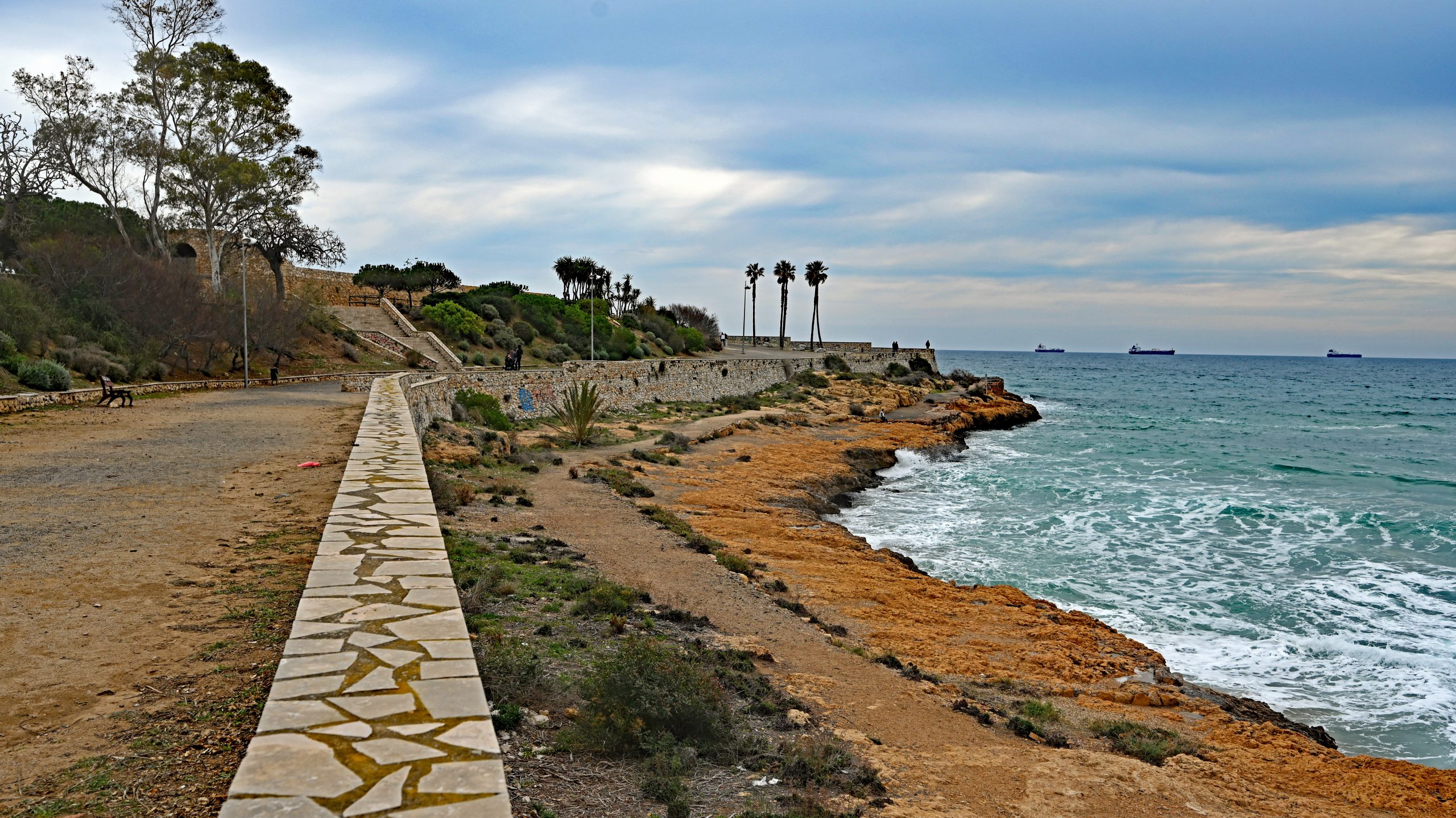
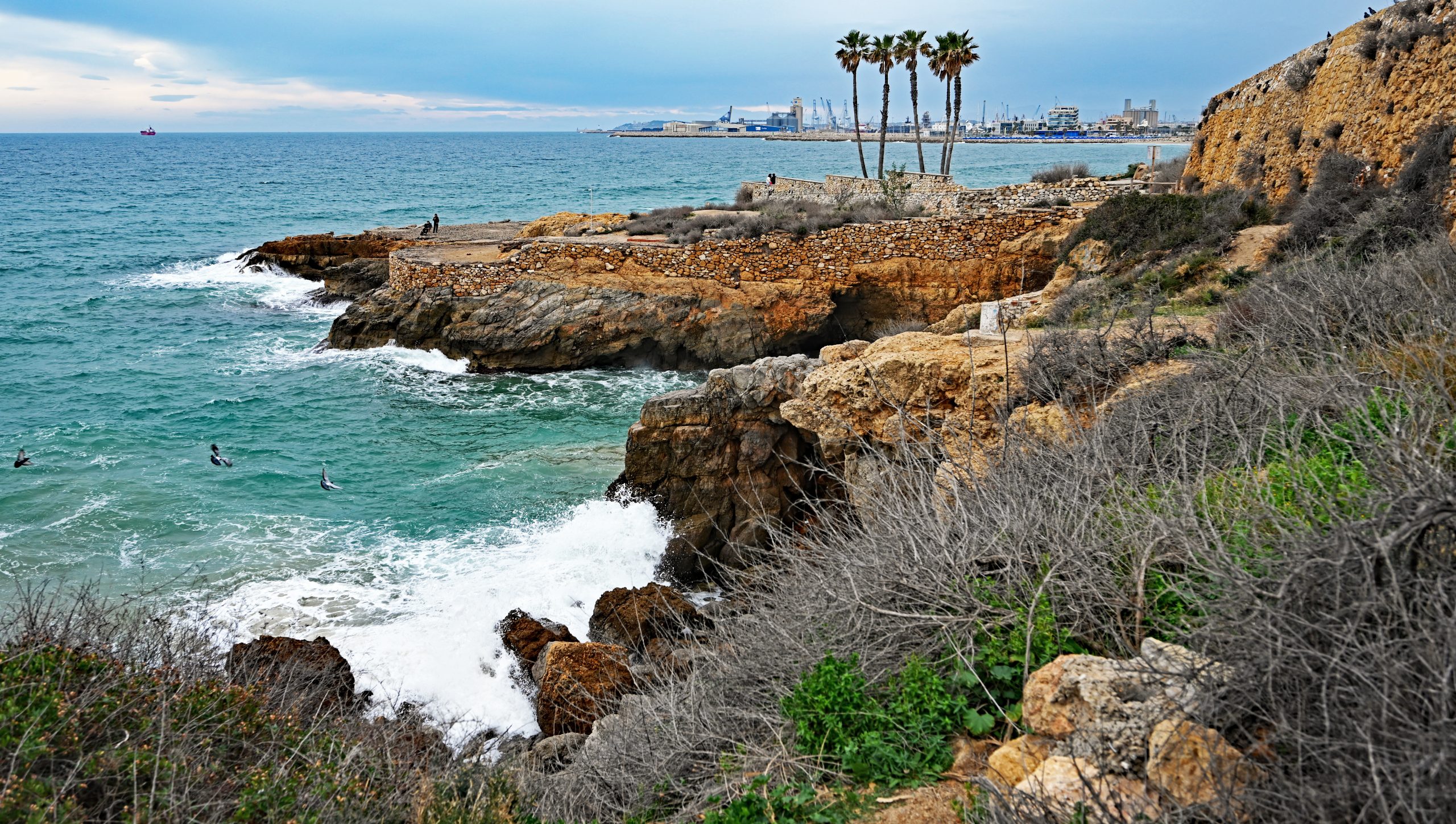
My final morning begins early with a walk along the Camí de Ronda. This rugged coastal path guides me past ocher-colored cliffs where the white foam of the sea breaks against the rocks. The salty mist stings gently on the skin, and the wind carries the dull rumble of the waves. On a rocky promontory, the lonely walls of the Fortí de la Reina stand guard, crowned by four slender palm trees swaying elegantly in the sea breeze.
Gallery VIII: Along the Wild Rocky Coastline
I return to the city for one last look at the Circ Romà, the Roman Circus. Nestled between modern residential buildings and artistic facades, the massive remains of the ancient tribunes rise up. I step down into the cool, damp barrel vaults where the roar of ancient crowds once echoed.
Gallery IX: Monumental Traces of the Roman Circus
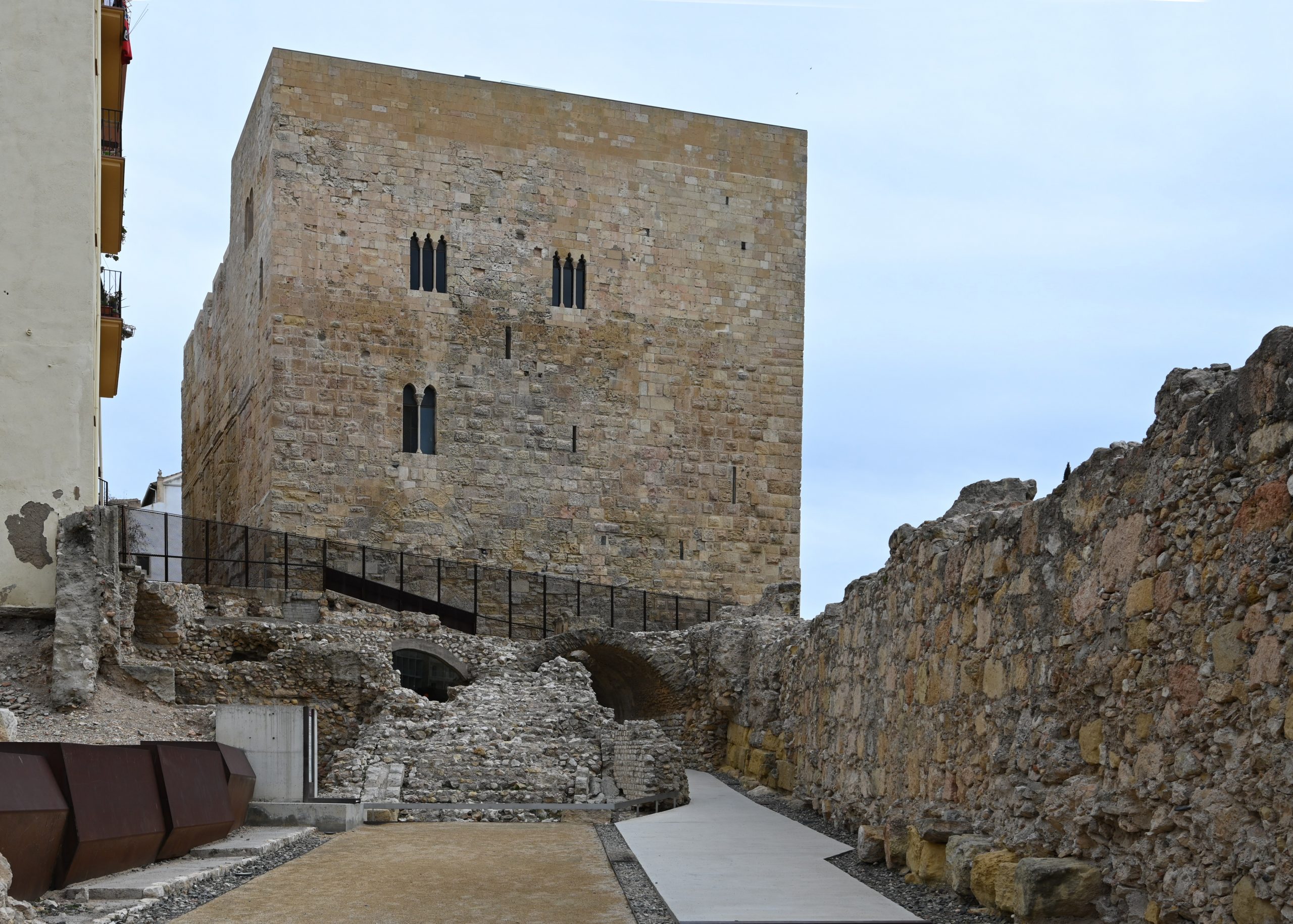
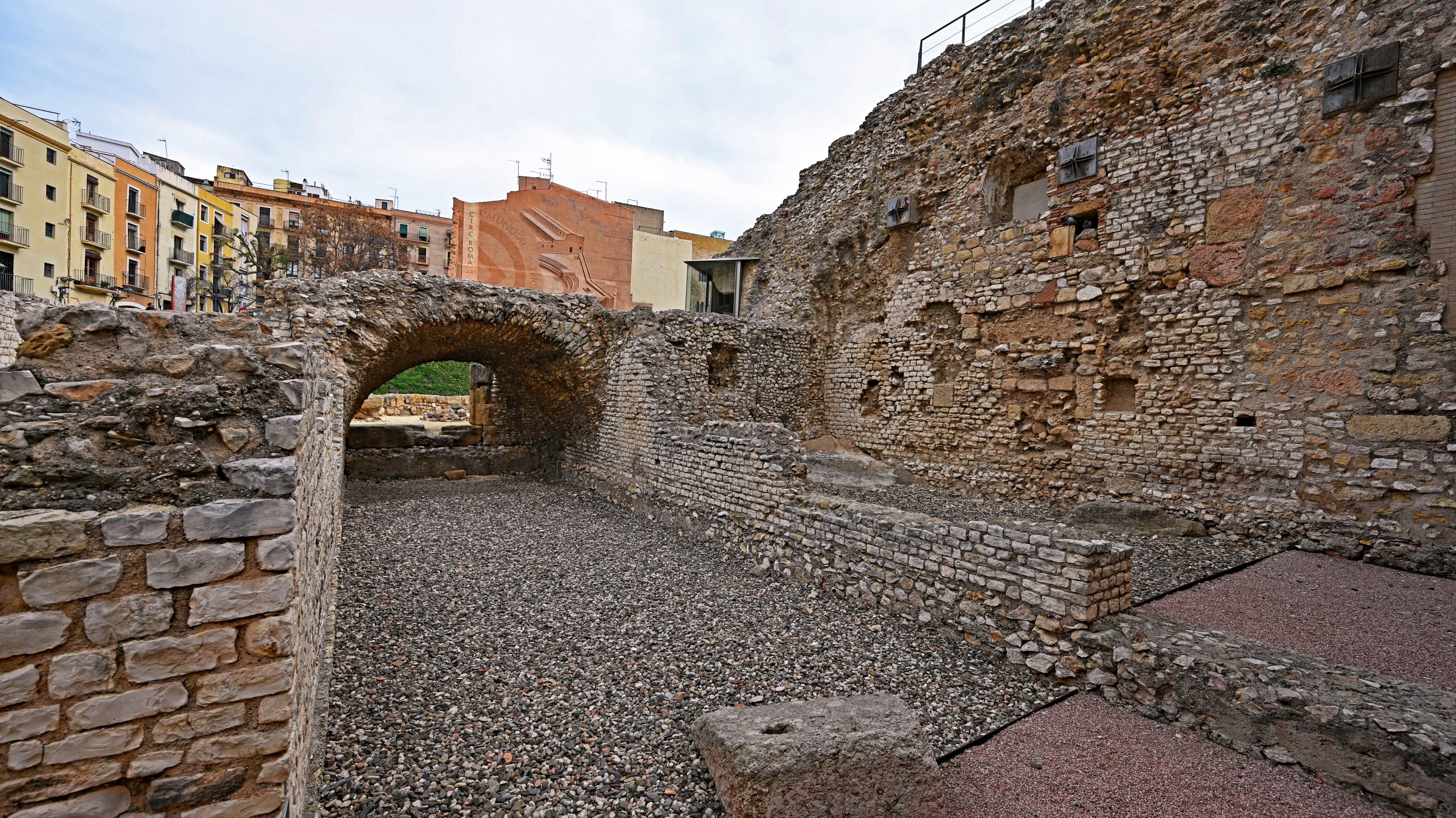
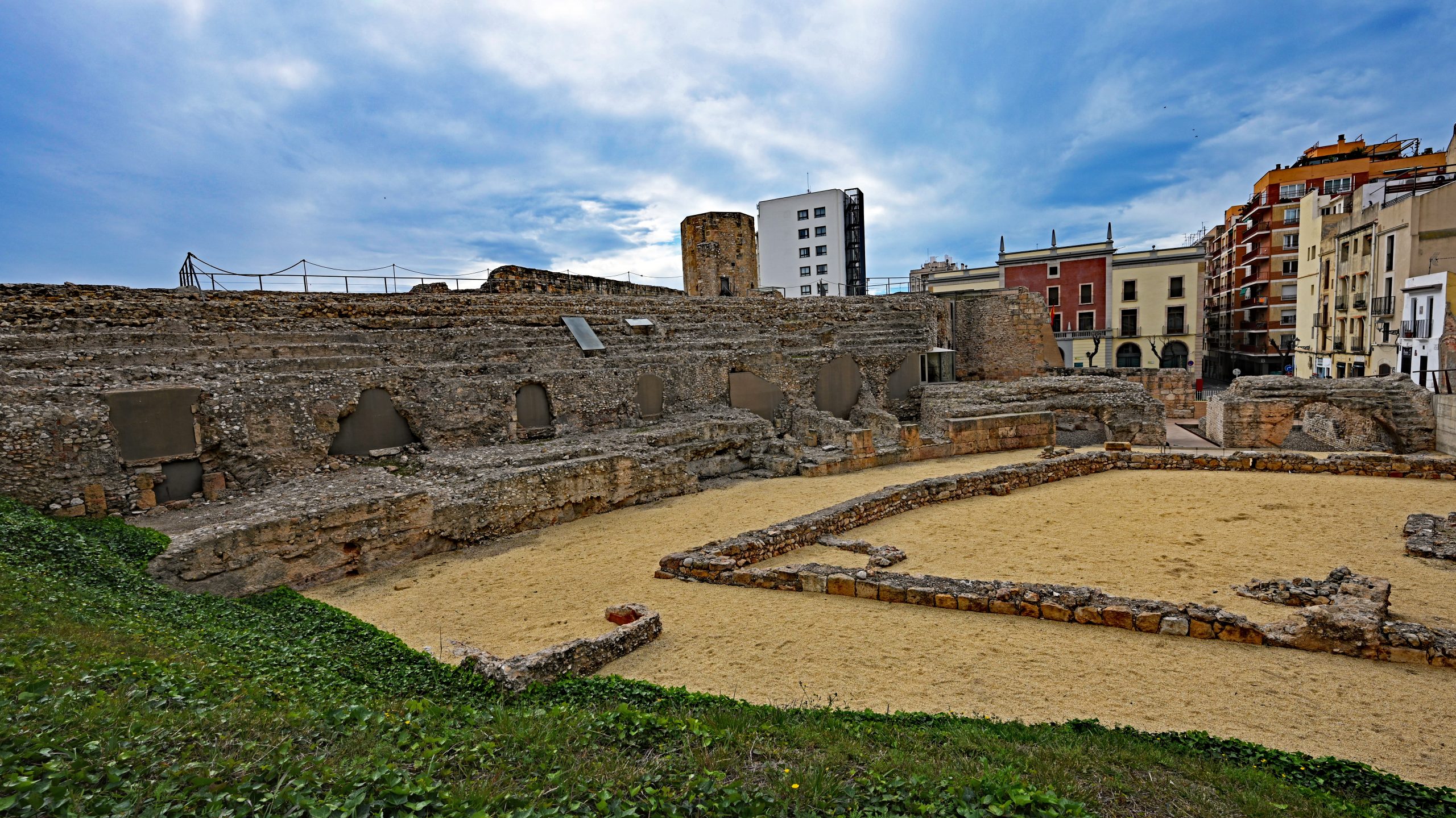
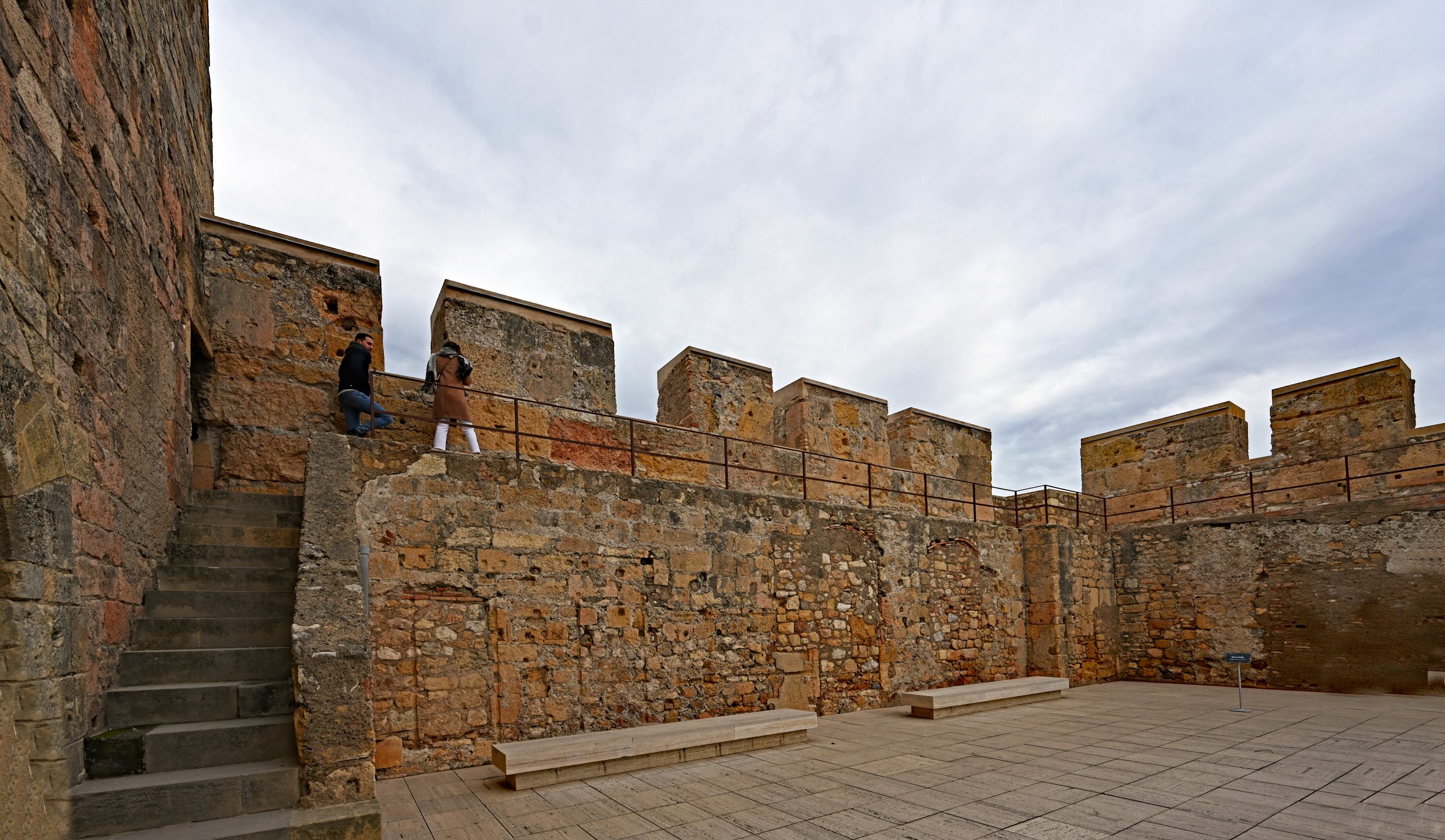
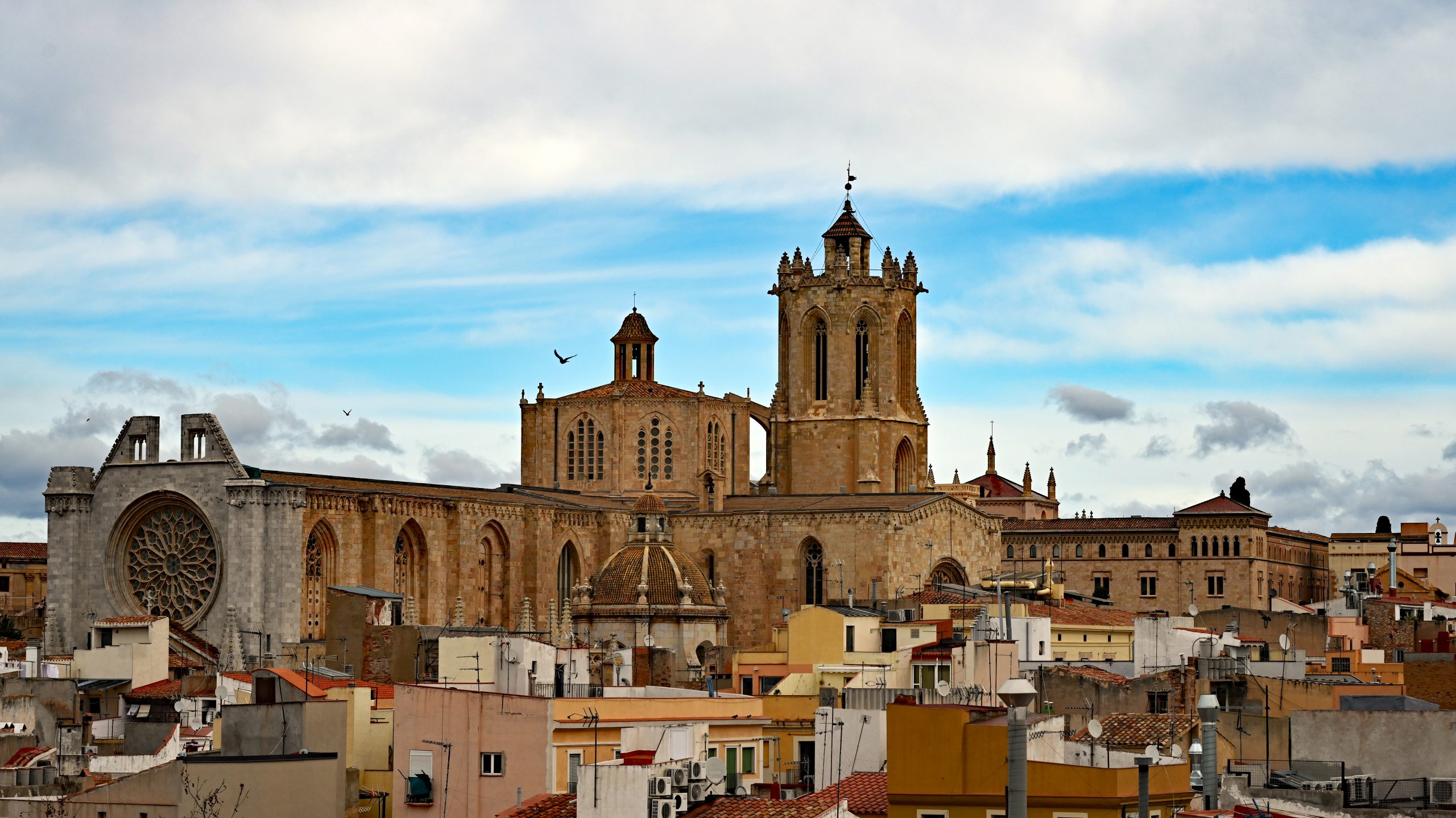
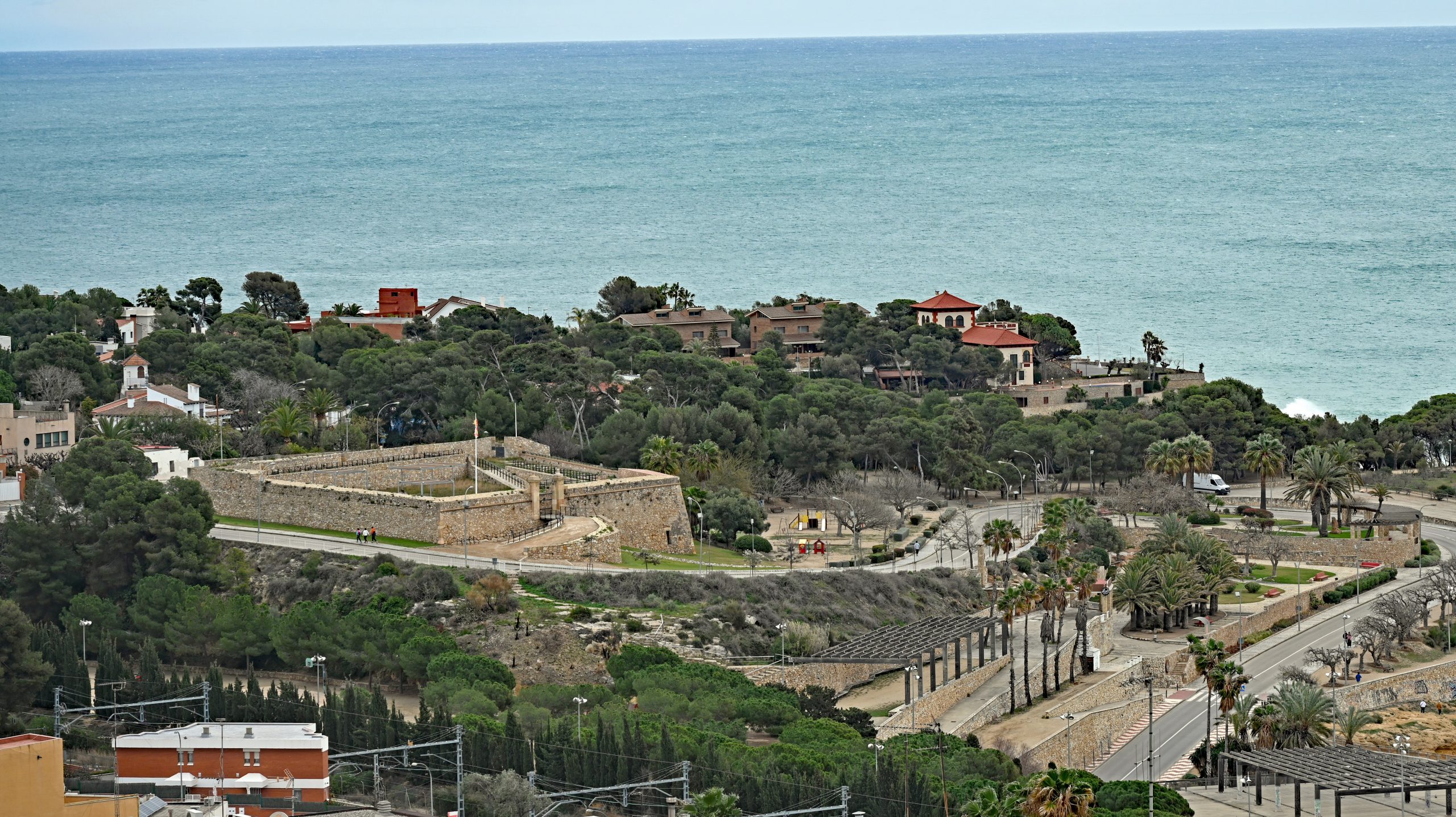
Before my noon departure approaches, I make my way up to the roof of the Pretoria Tower. Standing on the wind-swept ramparts surrounded by massive medieval battlements, all of Tarragona lies at my feet. Looking north, the view sweeps across the endless sea of roofs in the old town straight to the majestic silhouette of the cathedral. Turning east, I look past the deep green of pine parks toward the star-shaped fortress of Fortí de Sant Jordi and the glistening Mediterranean.
Gallery X: The 360-Degree Perspective from the Pretoria Tower
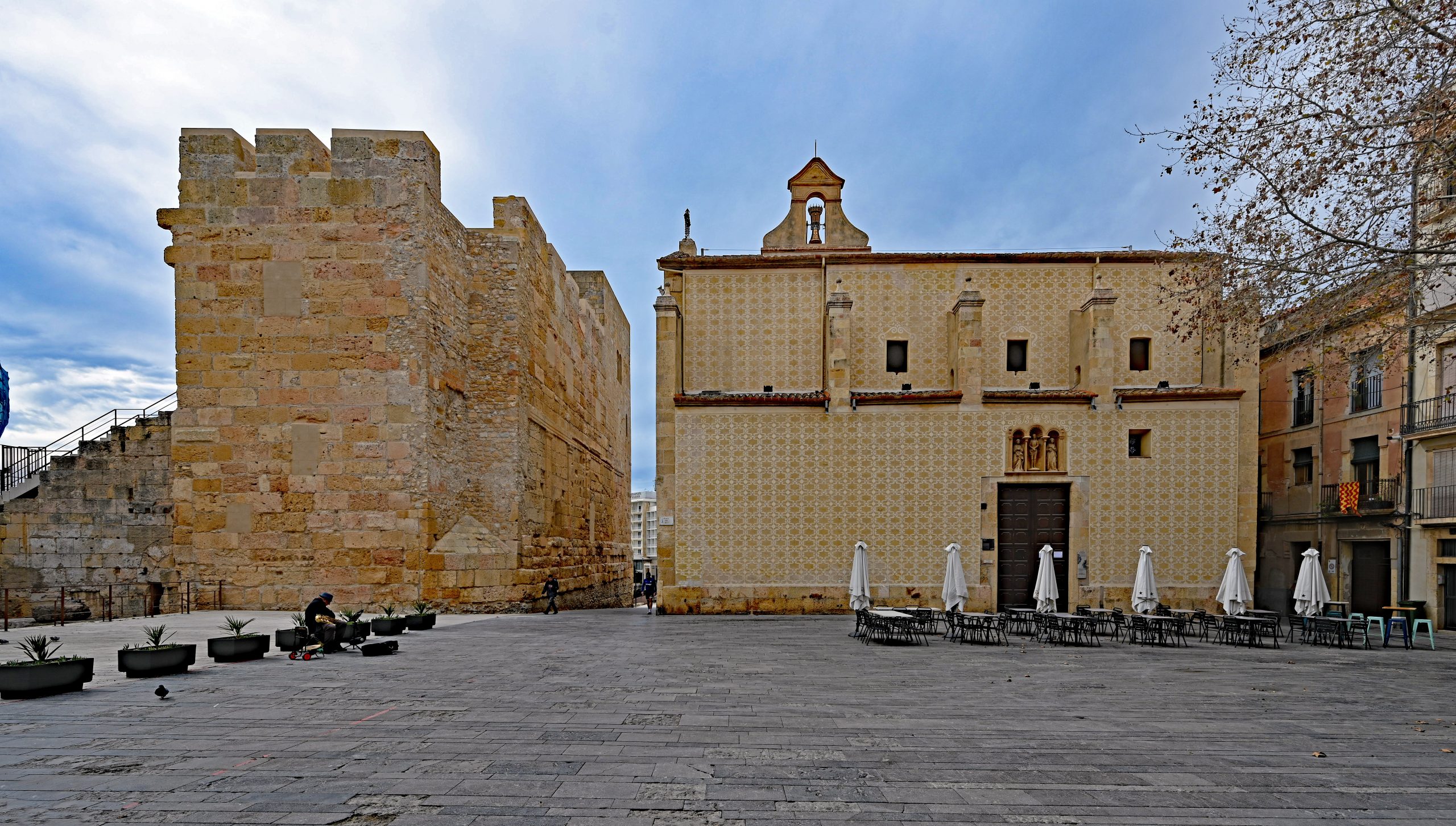
To say goodbye, I spend my final minutes on the picturesque Plaça del Rei. In the soft late-morning light, I admire the harmonious coexistence of history: on one side, the simple Renaissance facade of the Església de Natzaret, and on the other, the intricate sgraffito patterns on the walls of the baroque Trinity Church. I sit down at an outdoor cafe for a quick espresso, watching the clock tick closer to 12:00 PM. My time here was short, but this city of stone, salt, and sun has left an indelible mark on me.
Gallery XI: Architectural Farewell at the Plaça del Rei