Pyrenees panorama: On the N-260 through historic Catalonia
Day 1: Through the Stone Heart of the Pre-Pyrenees
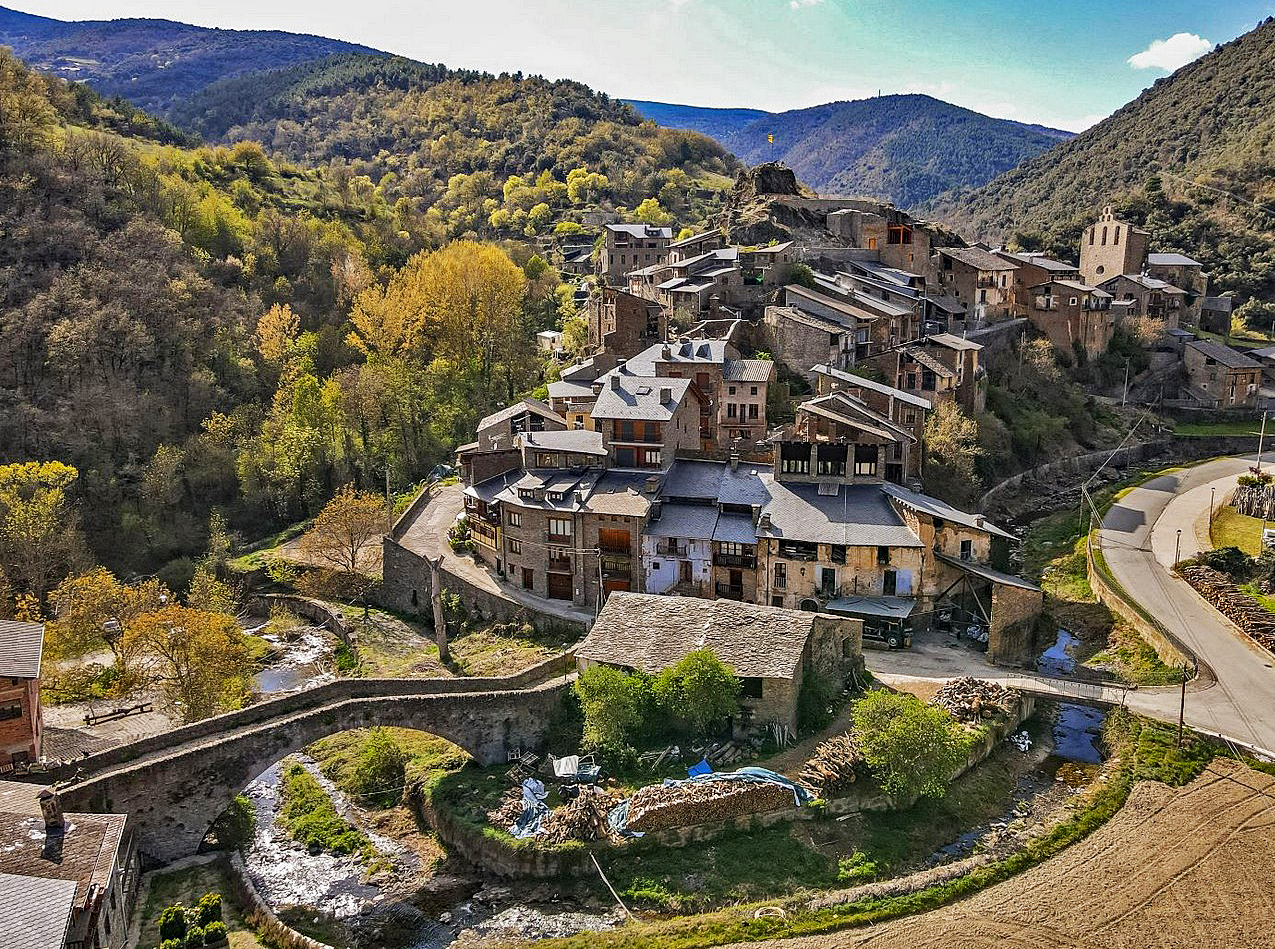
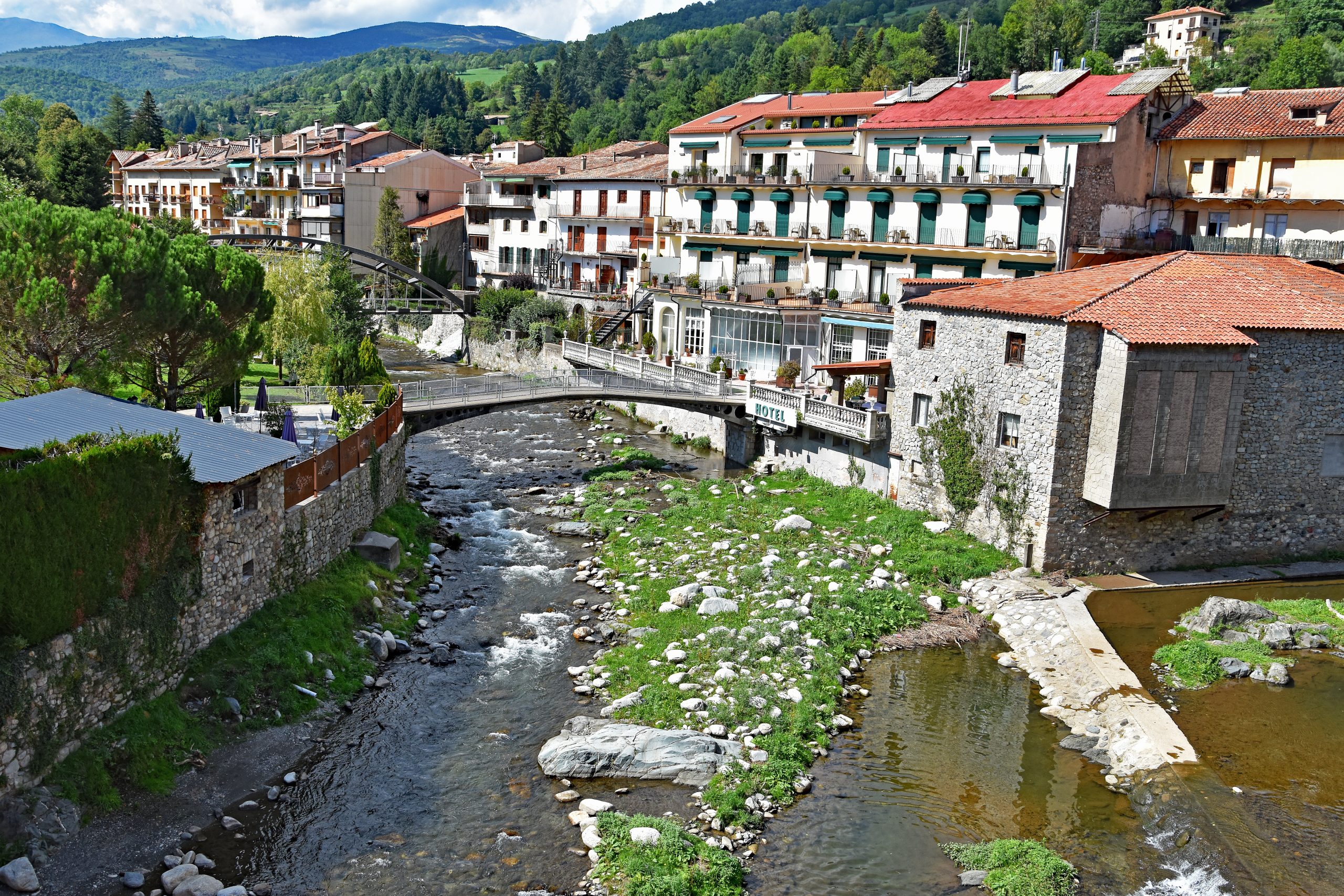
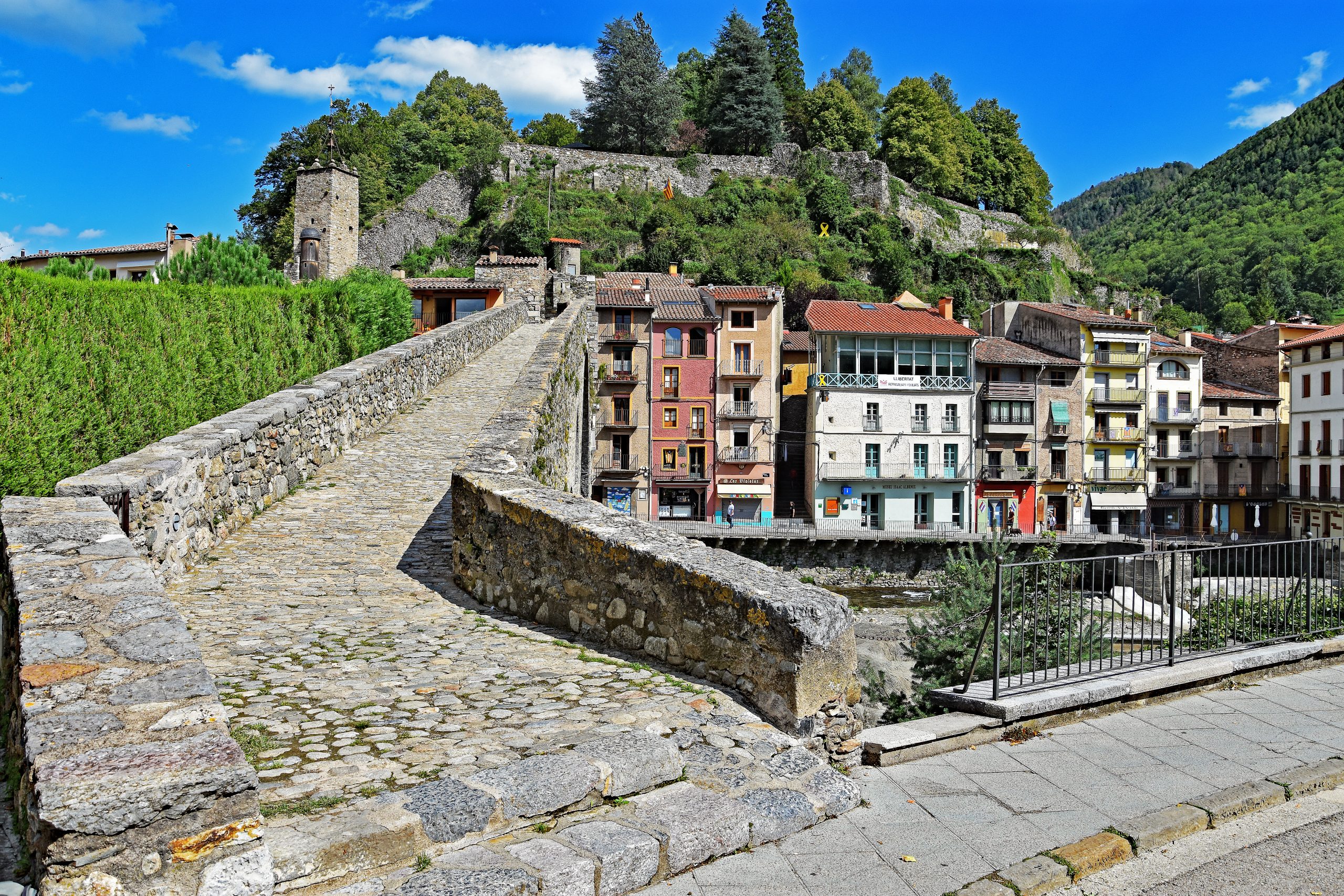
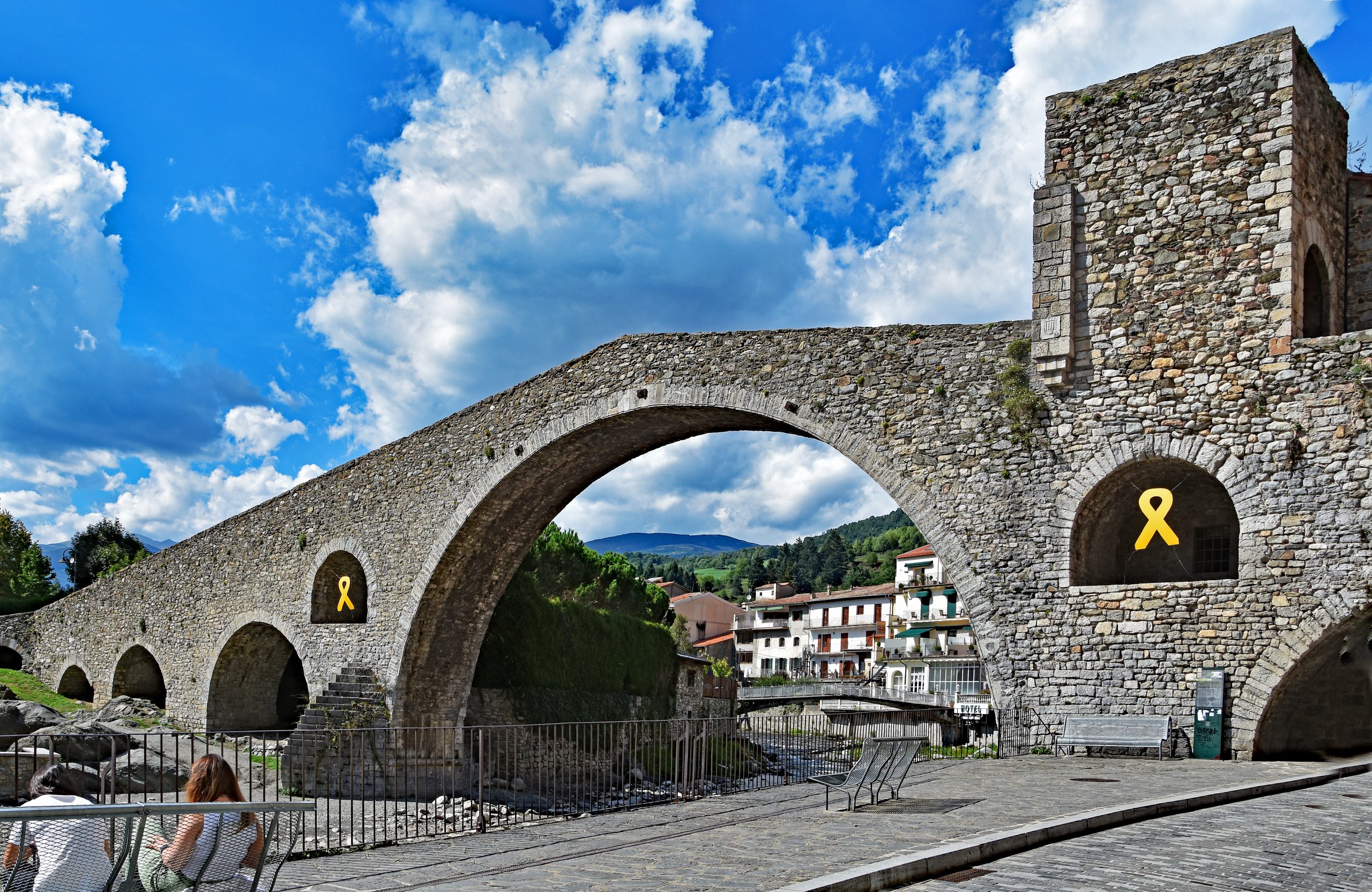
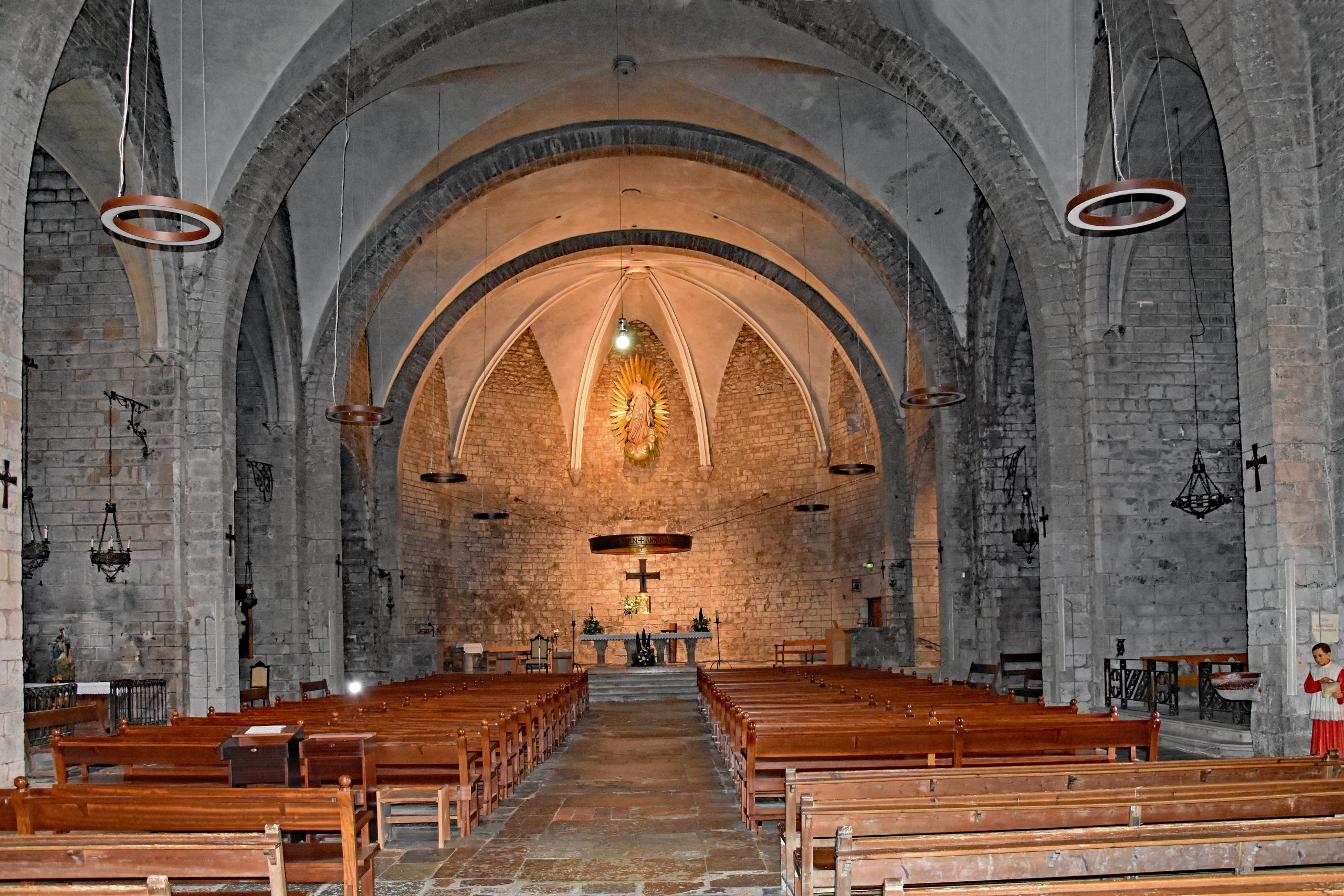
The morning air in Camprodon is still cool and fresh over the valley as the first rays of sun touch the dense, wooded slopes of the Pyrenees. The gentle murmur of the Ter River accompanies every step through the historic alleys. The village breathes history, shaped by a deep connection to nature. Spanning majestically across the flat, stony riverbed that winds through the valley is the Pont Nou. Its bold, stone arch construction stands like a centuries-old guardian, protecting the colorful rows of houses in warm red, yellow, and earth tones along the riverbank. Inside the Església de Santa Maria, the liveliness of the valley gives way to a reverent silence. The light breaks softly against the monumental round arches of unplastered masonry, while the simple wooden benches in the twilight of the Romanesque nave invite visitors to pause and reflect.
📸 Image Gallery 1: Impressions of Camprodon
Heading West: Of Cradles of History and Still Waters
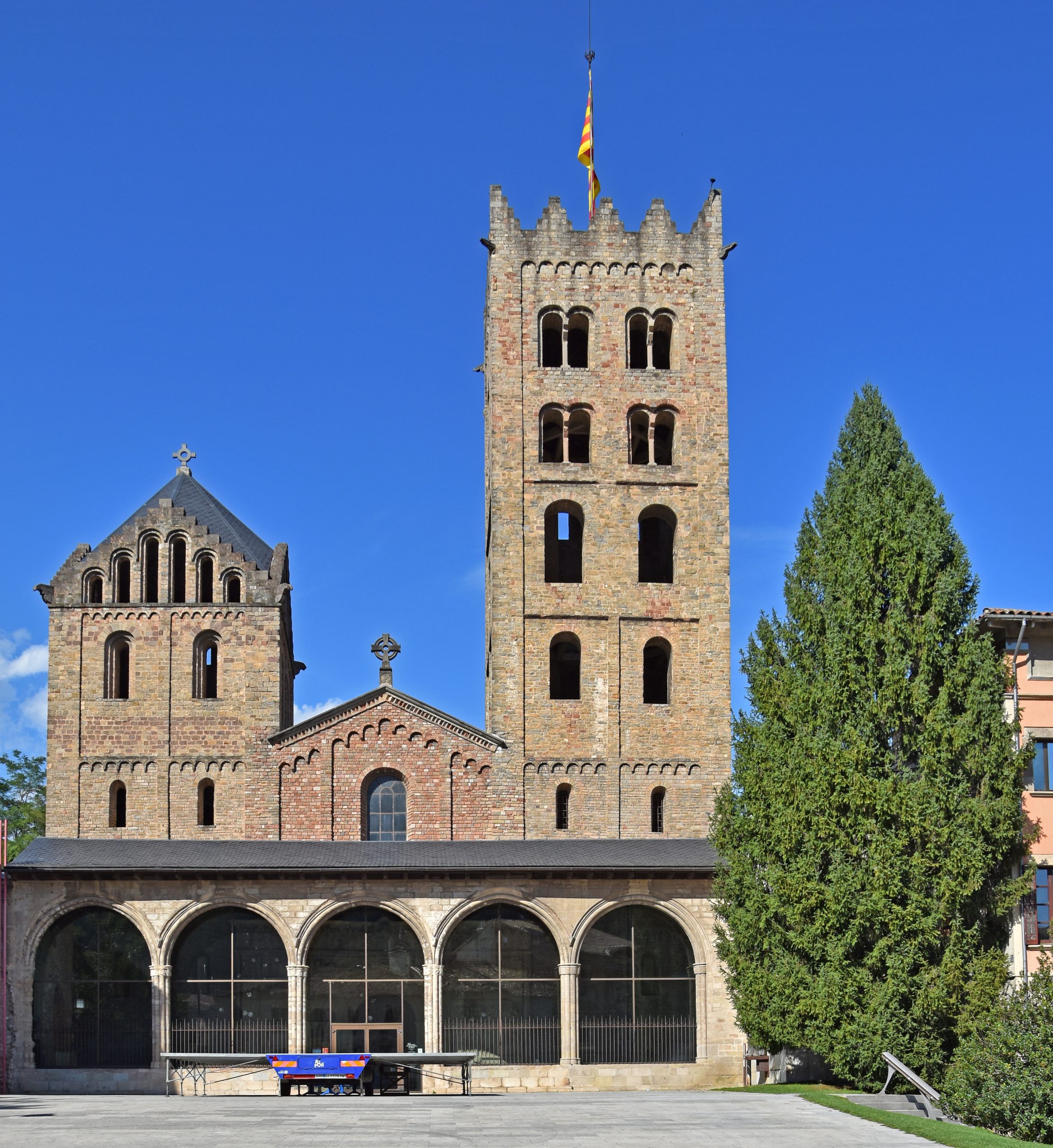
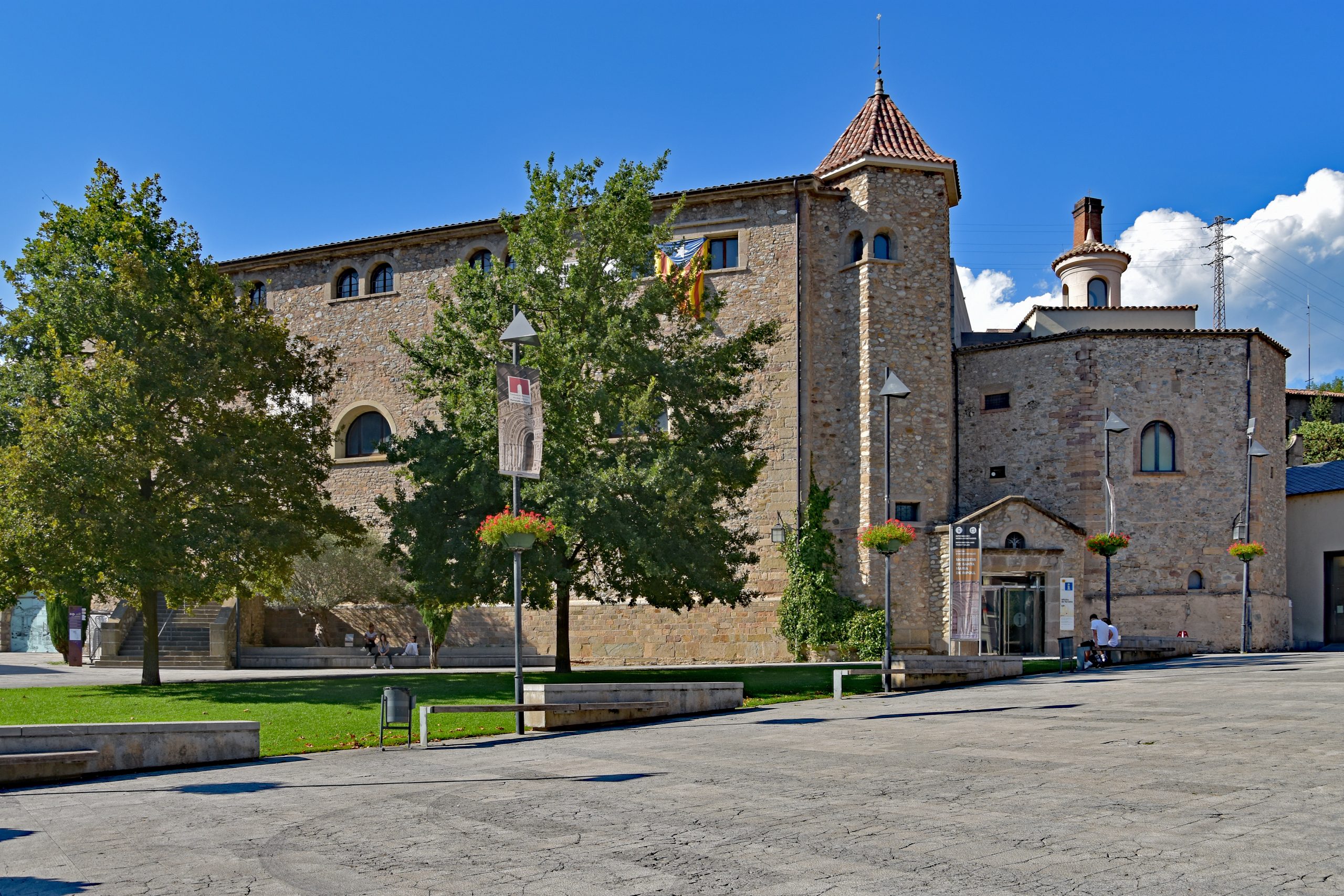
The journey continues westward along the winding N-260a towards Ripoll. The landscape opens up, revealing the rugged beauty of the Catalan Pre-Pyrenees. Arriving in Ripoll, the imposing Benedictine Monastery of Santa Maria de Ripoll immediately catches the eye. The west facade, built of light, ocher-colored natural stone, glows intensely under a flawlessly deep blue sky. The square bell tower rises proudly, crowned by the red-and-yellow striped Senyera flag fluttering gently in the wind. Right next door, on the spacious Plaça de l’Abat Oliba, the Ethnographic Museum blends seamlessly into the historic ensemble with its rustic defensive tower and conical tiled roof.
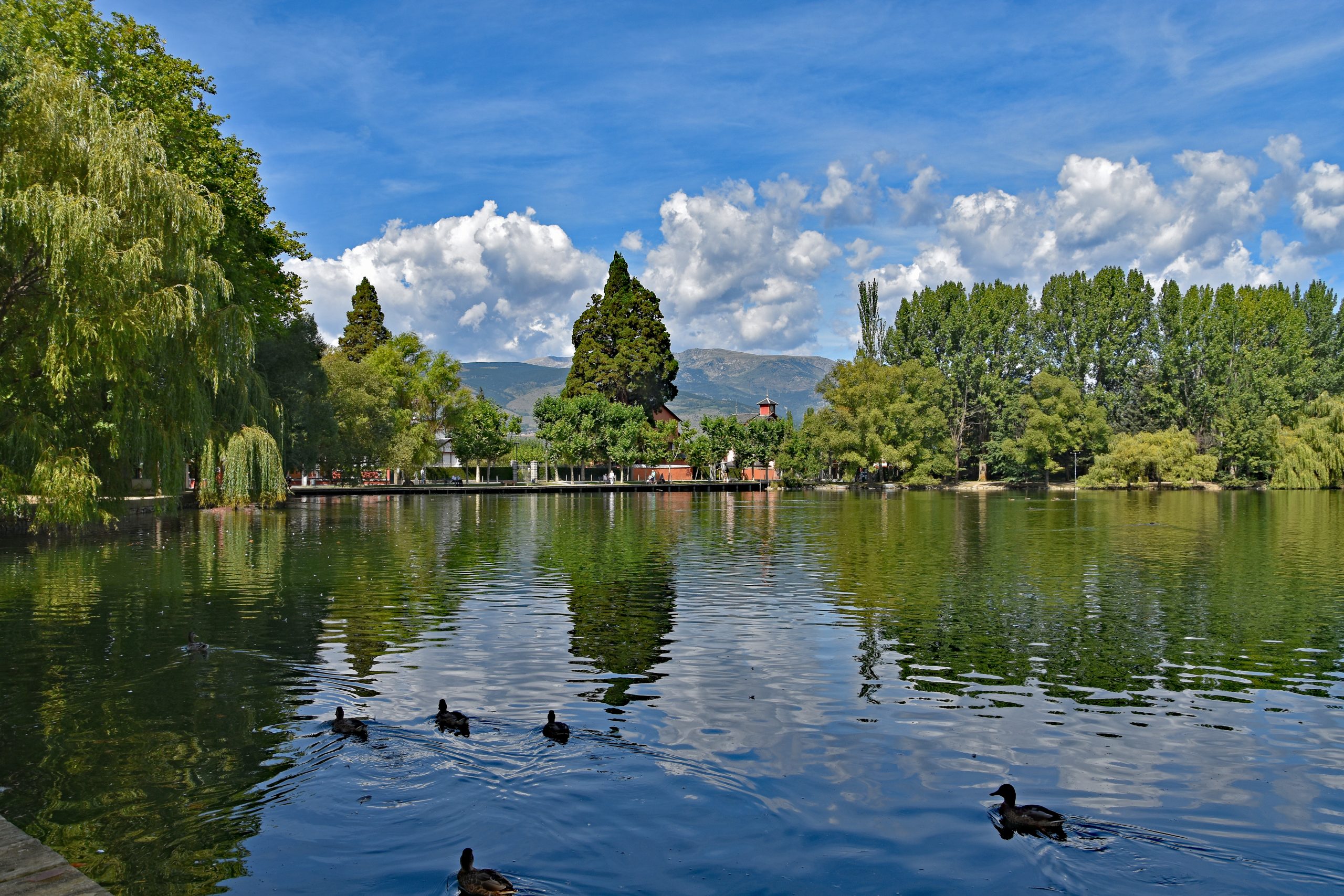
After hours of cultural immersion, the drive across the historic mountain pass of the N-260 to Puigcerdà offers a relaxing breather. The next morning, the local artificial lake, the Estany de Puigcerdà, shows itself from its most idyllic side. The water is smooth as glass. Only a few ducks quietly trace their paths, while the majestic cloud formations and the green treetops of the Parc Schierbeck promenade are perfectly mirrored on the water’s surface.
📸 Image Gallery 2: Stations in Ripoll and Puigcerdà
Day 2: The Stone Ribbon of the Serra del Cadí and Arrival in Montferrer
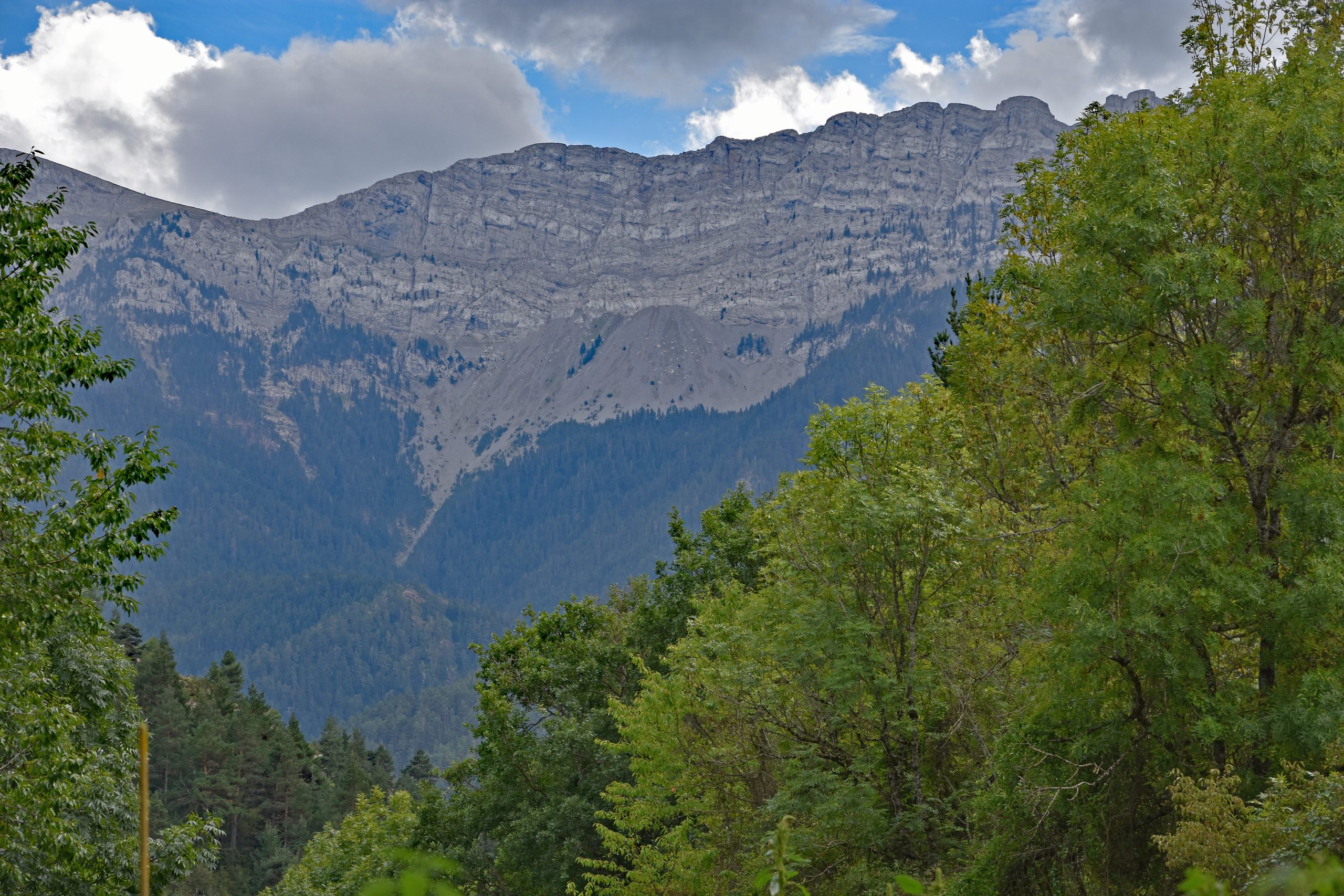
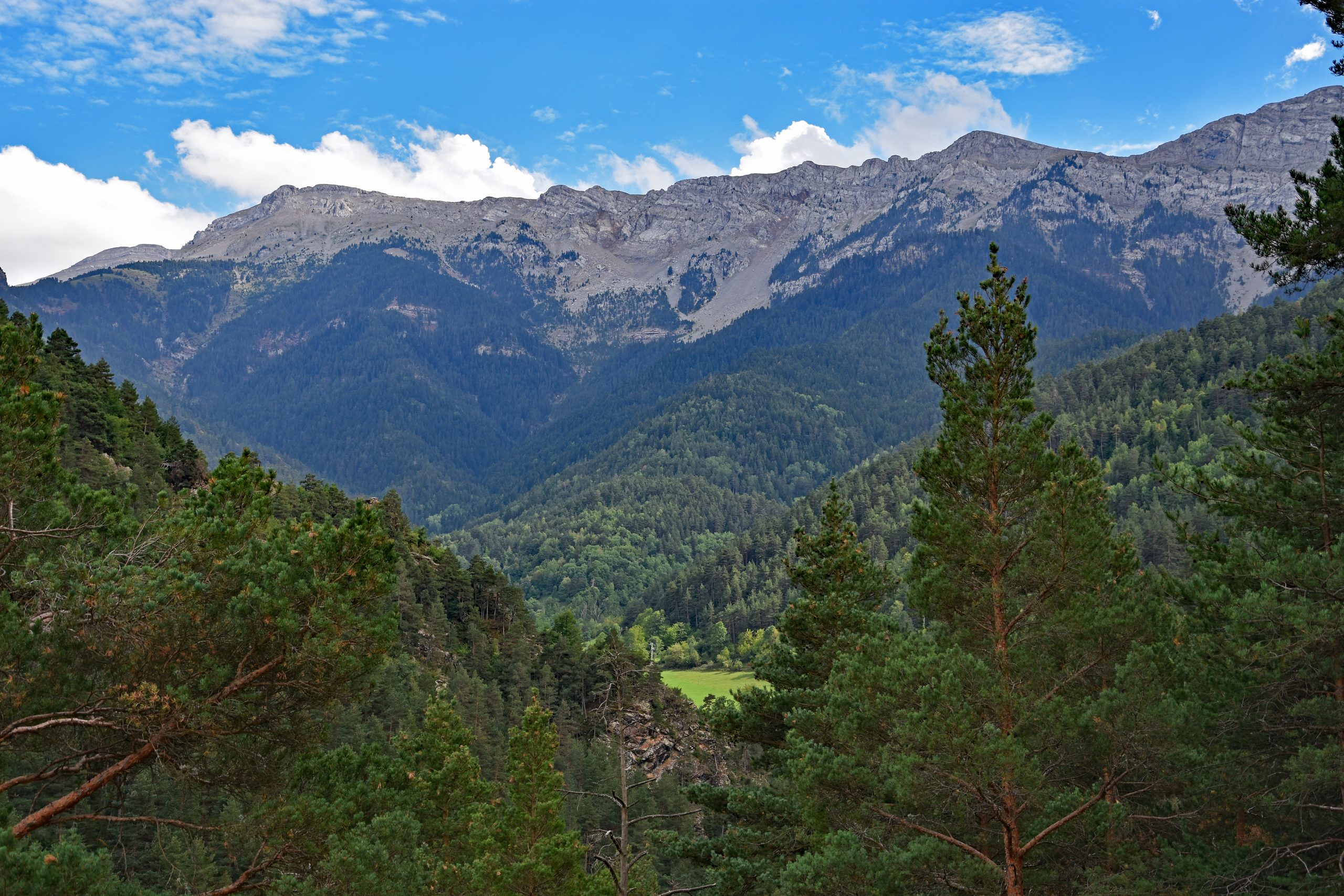
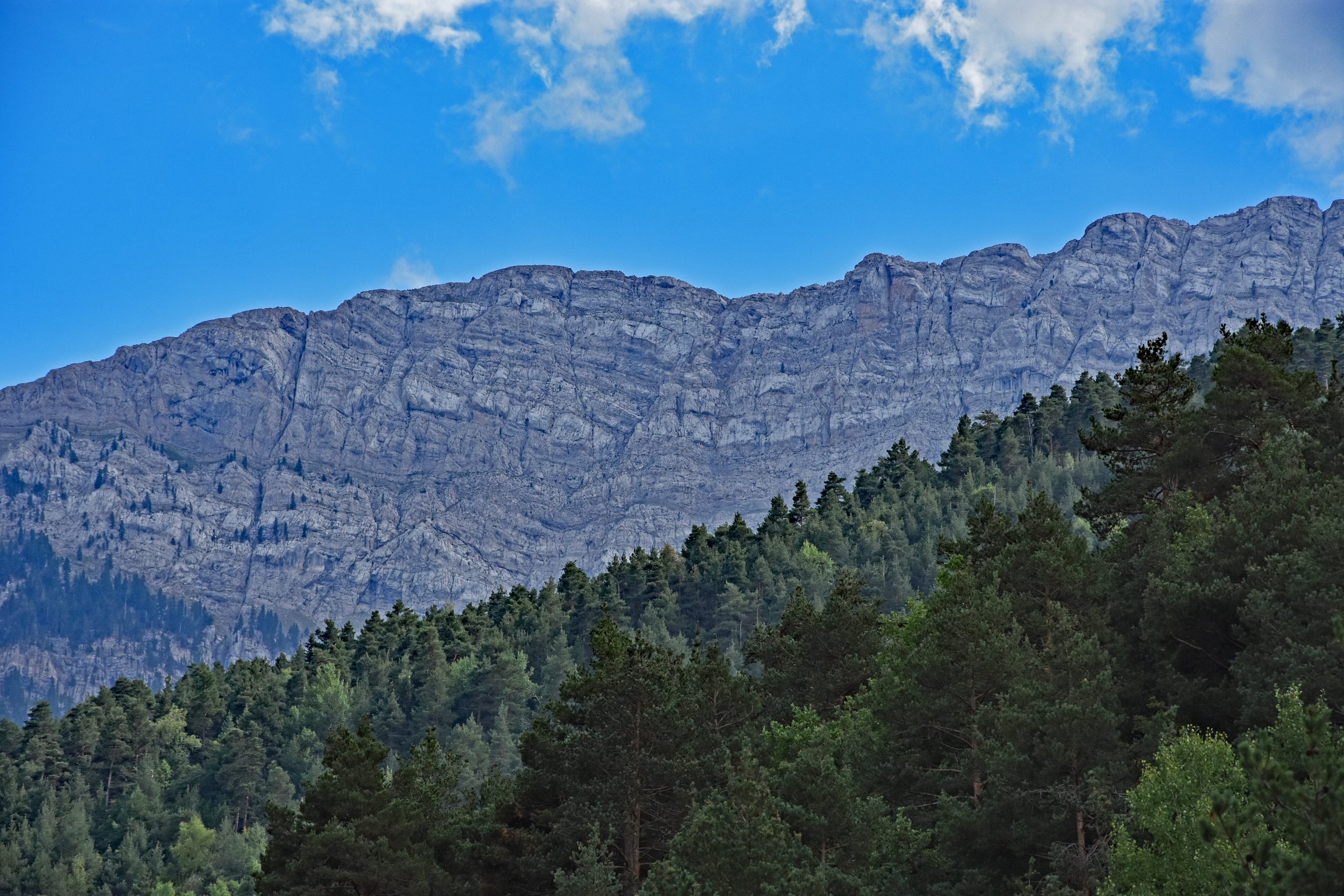
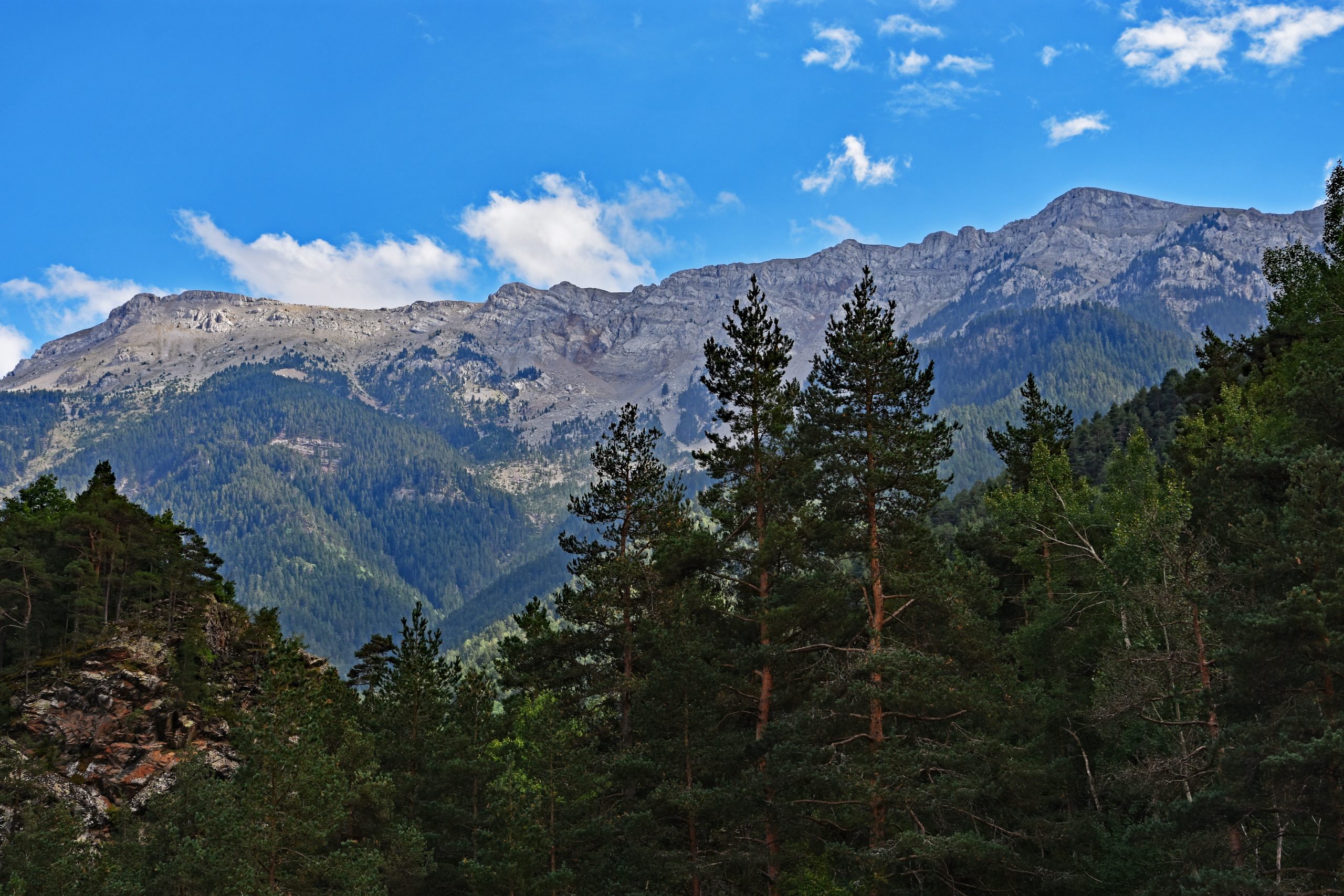
Leaving Puigcerdà, the route follows the wide, sun-drenched Cerdanya valley along the Segre River towards the west. On the left side, a monumental backdrop rises: the mighty north wall of the Serra del Cadí. The rugged, almost vertical limestone cliffs look like an invincible fortress from afar. Deep canyons and steep scree fields run through the grey rock like stone veins. Depending on the light, the peaks—including the prominent Pic de Costa Cabirolera at over 2,600 meters—shift between a cool ash grey and a warm ivory tone. Below these barren giants stretches an endless sea of deep green mountain pines, standing in sharp contrast to the lush, light green clearings in the valley basin. The dense clouds piling up over the jagged peaks in the afternoon add a dramatic dynamic to the scenery.
📸 Image Gallery 3: The Majestic Mountains of Alt Urgell
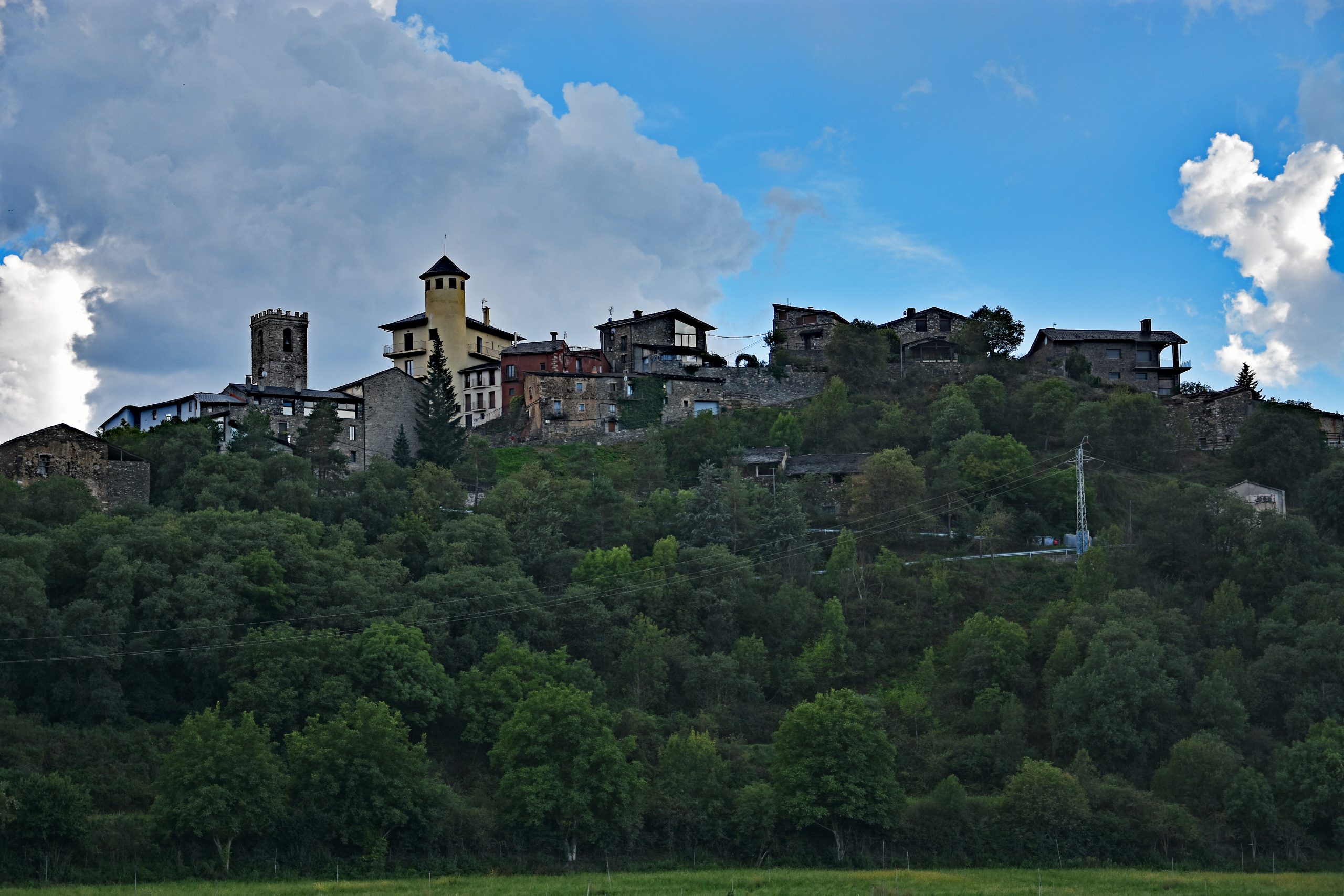
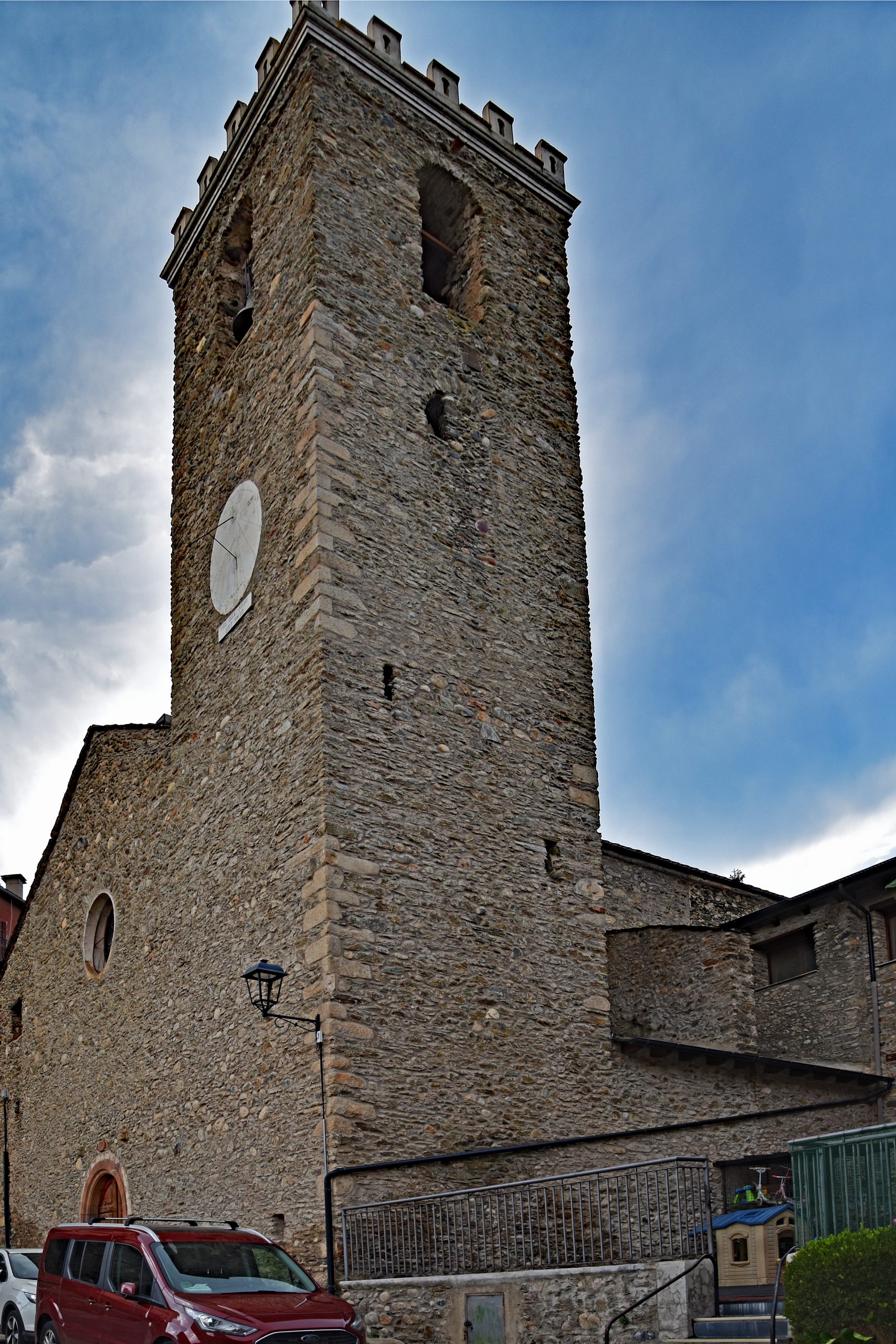
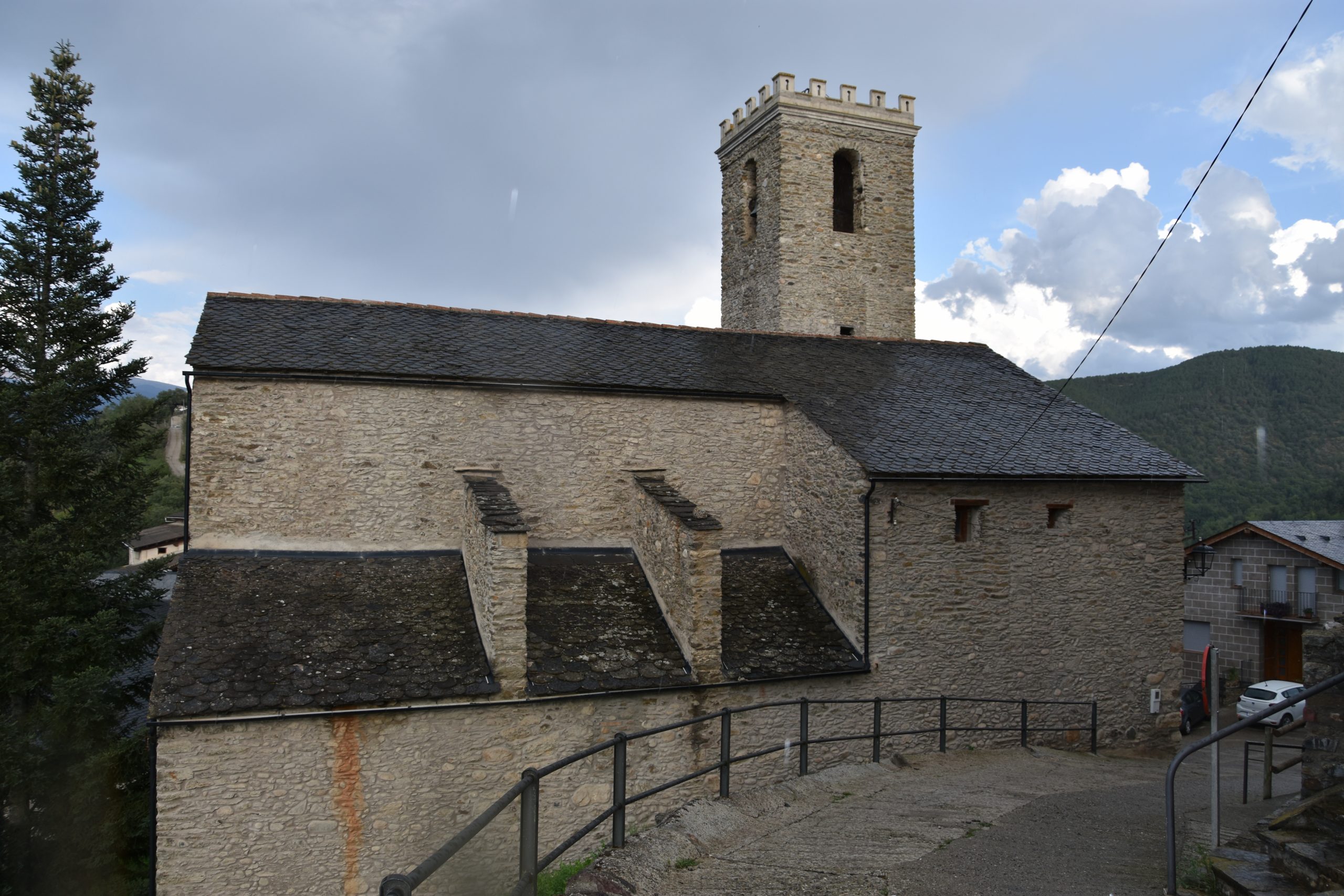
Finally, perched on a hilltop, the destination of the stage appears: the mountain village of Montferrer. The traditional natural stone houses huddle close together, crowning the wooded slopes like a stone tiara. Towering over the village is the parish church of Sant Vicenç. Its mighty, square bell tower with a defensive battlement crown defies the overcast sky. Walking around the historic structure, the back of the church reveals its functional, rugged beauty. Massive, sloping buttresses support the flank of the main nave, while the roof made of dark, regional slate shimmers in the diffused light—a worthy, characterful conclusion to this journey through the mountains of Catalonia.
📸 Image Gallery 4: The magnificent village of Montferrer de Segre