The Call of the Wild at Lake Creek
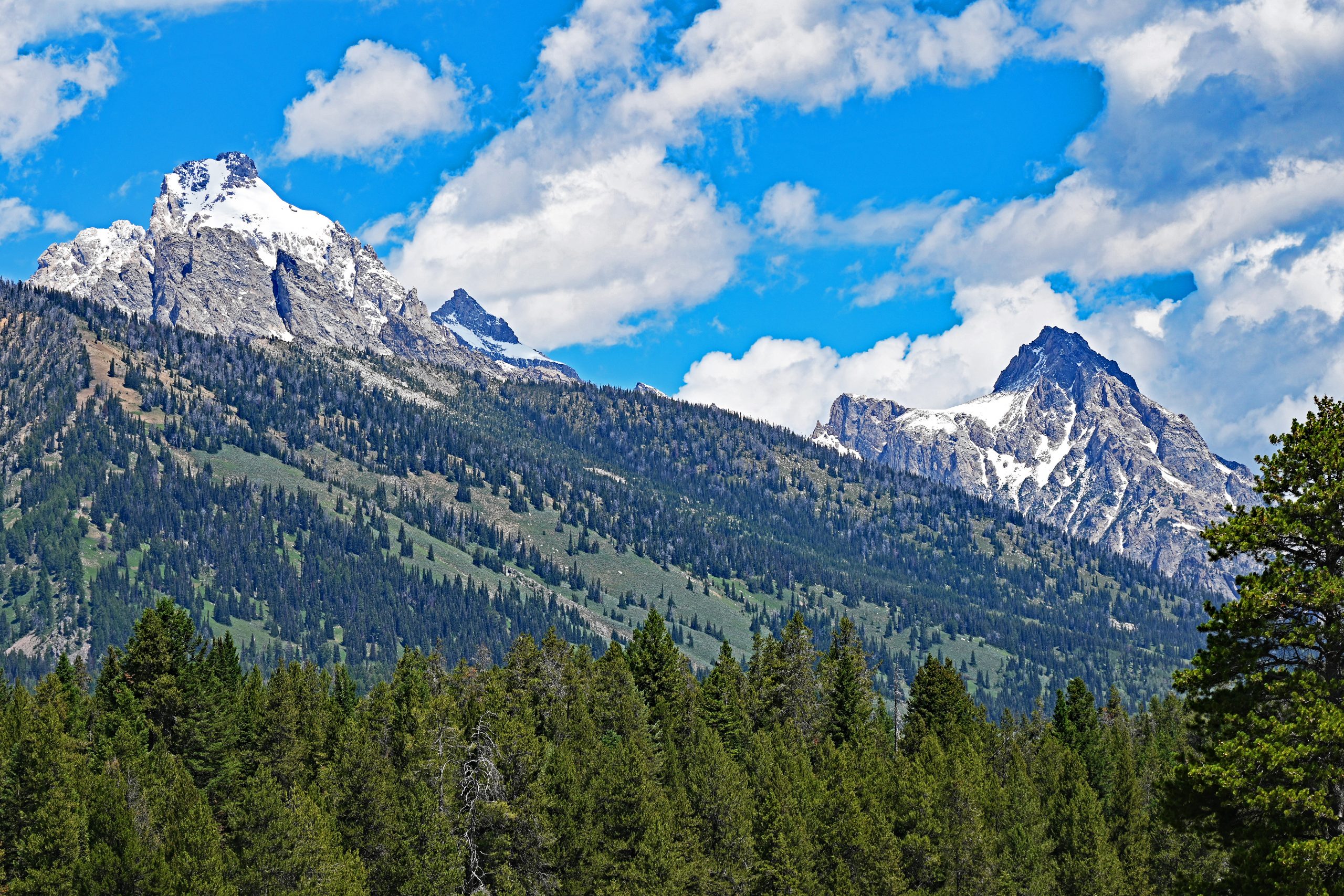
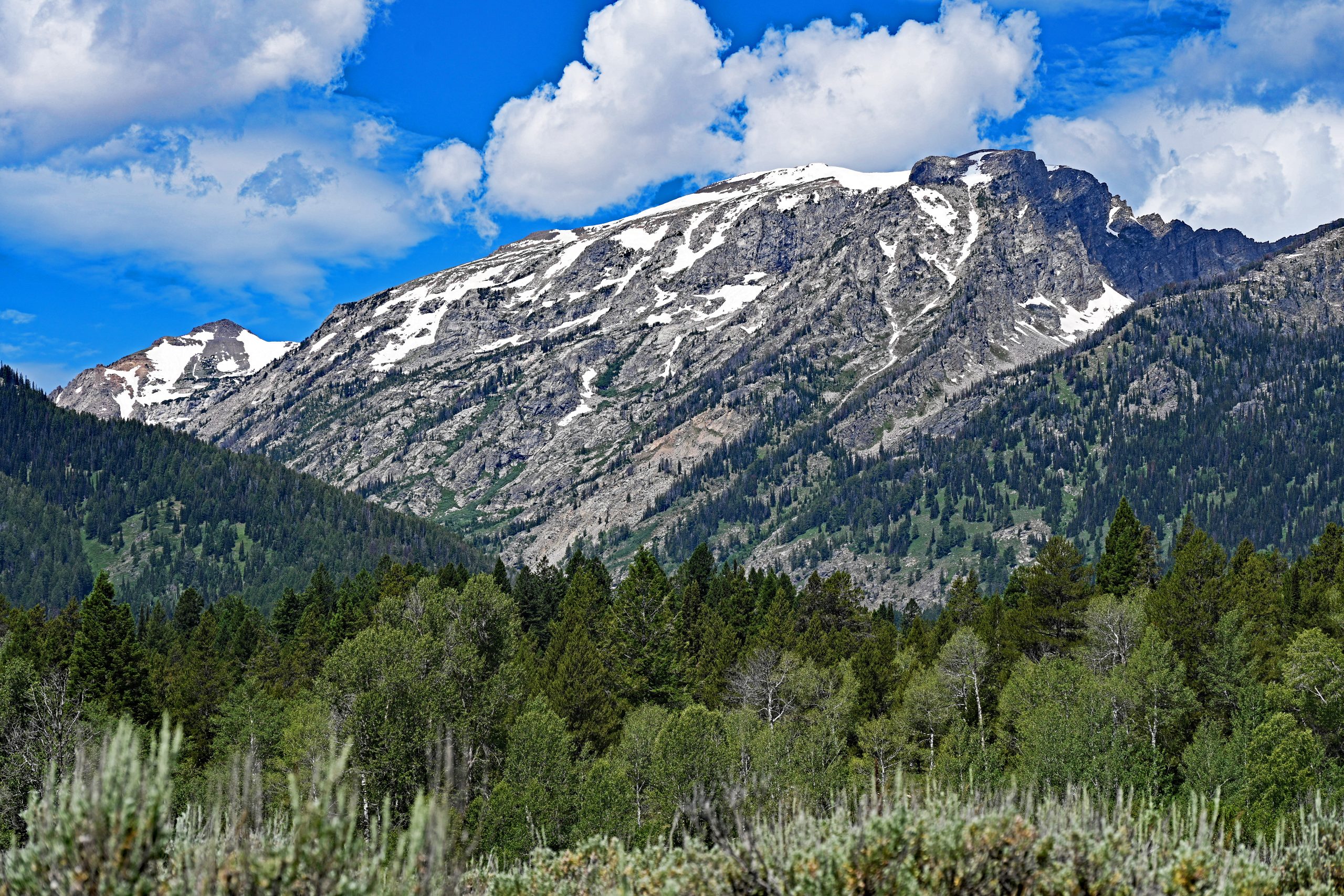
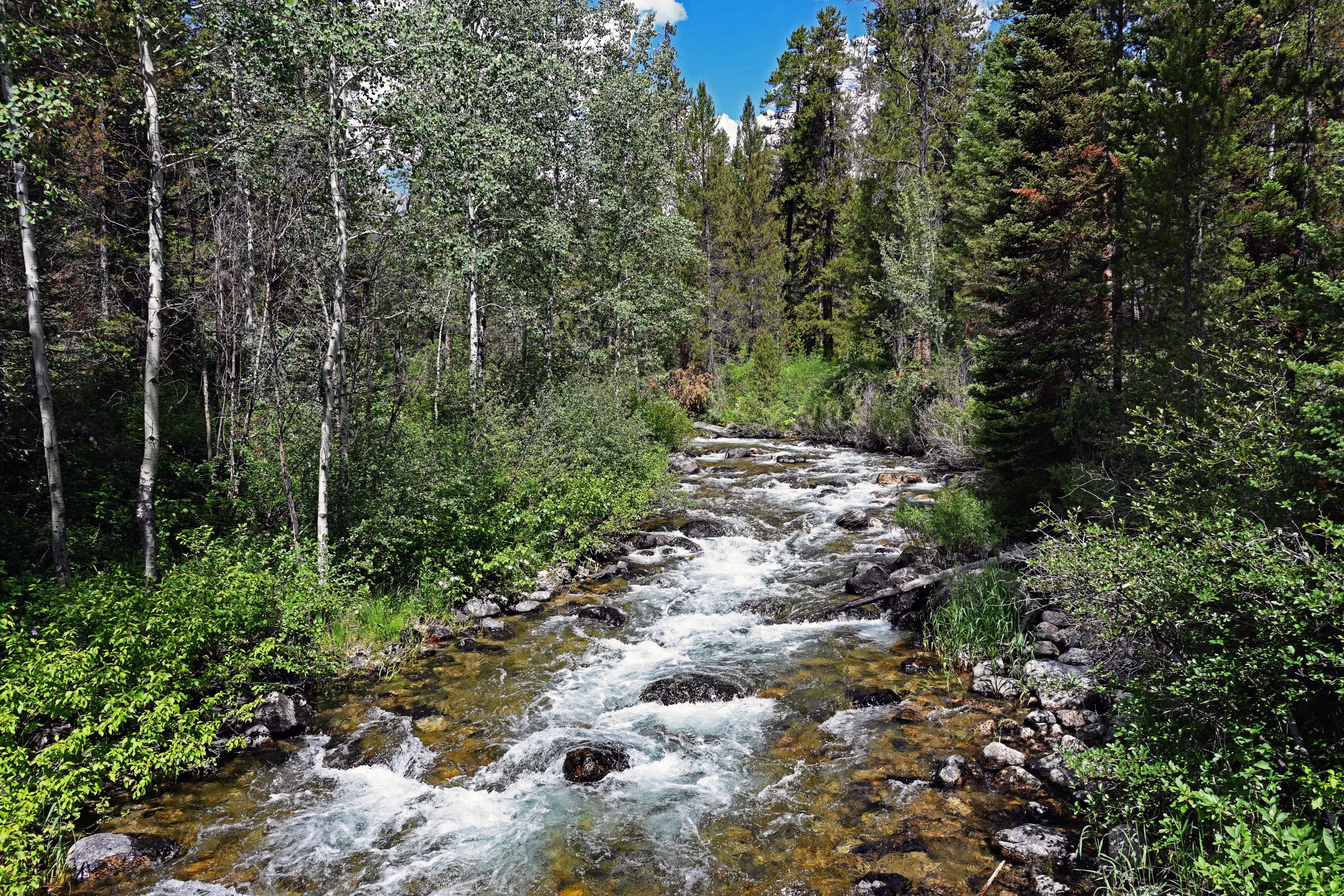
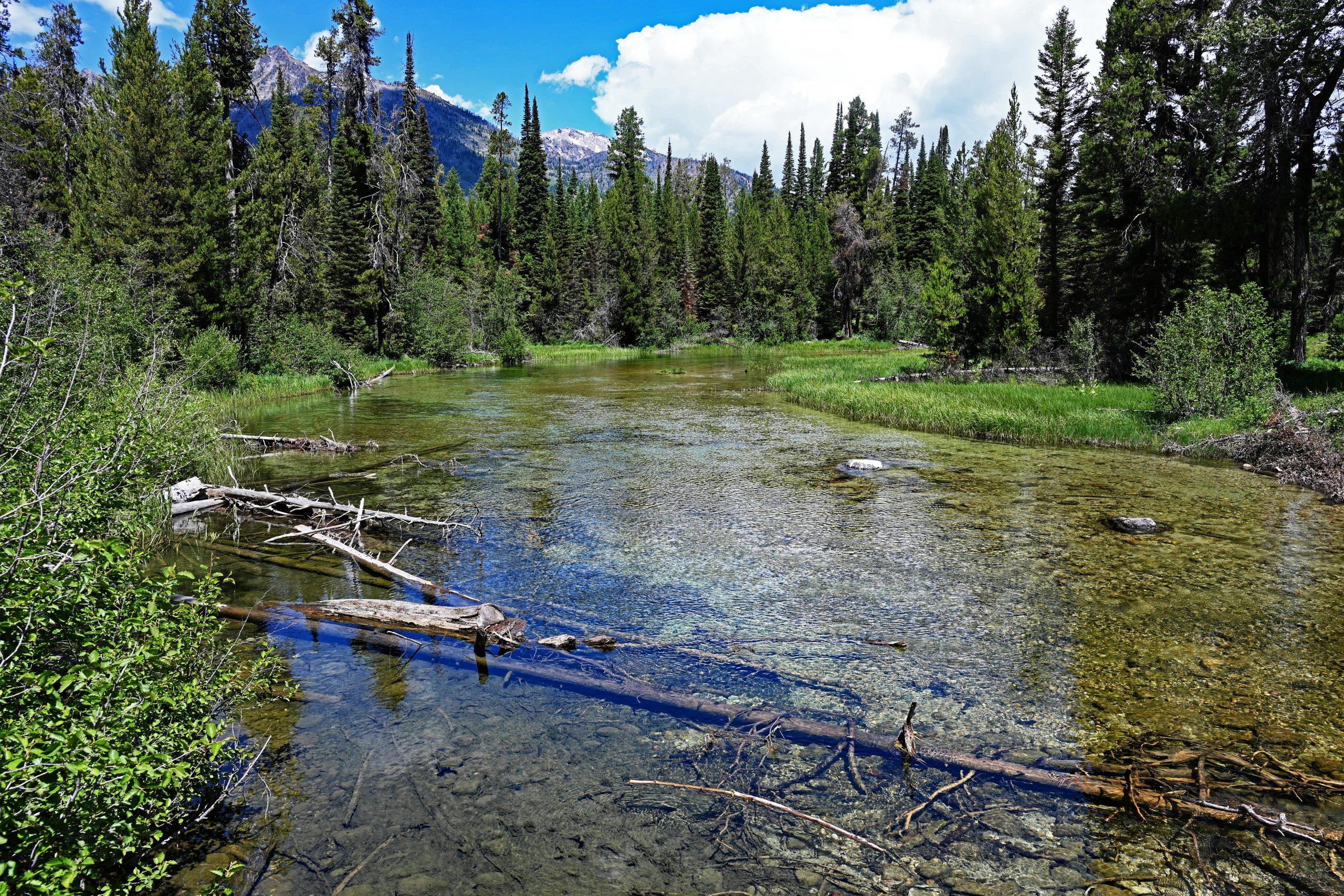
The morning began with that flawless, deep blue sky that seems to exist only over the peaks of Wyoming. My path led me into the Laurance S. Rockefeller Preserve, where the air tasted crisp and fragrant with fresh pine resin and damp earth. After only a few steps, Lake Creek completely captivated me. Here, its water still ran tame and shallow through a wide bed, hugging ancient driftwood and glistening silver in the warm summer light. Yet far in the background, rising high above the canopy of rich green conifers, stood the unmistakable landmark of this wilderness: the broad, snow-dusted pyramid of Buck Mountain and the rugged, dark presence of Static Peak. The mountains loomed like silent guardians, pointing the way into a deeper, untouched world.
Impressions from the Ascent
The Emerald Eye of Phelps Lake
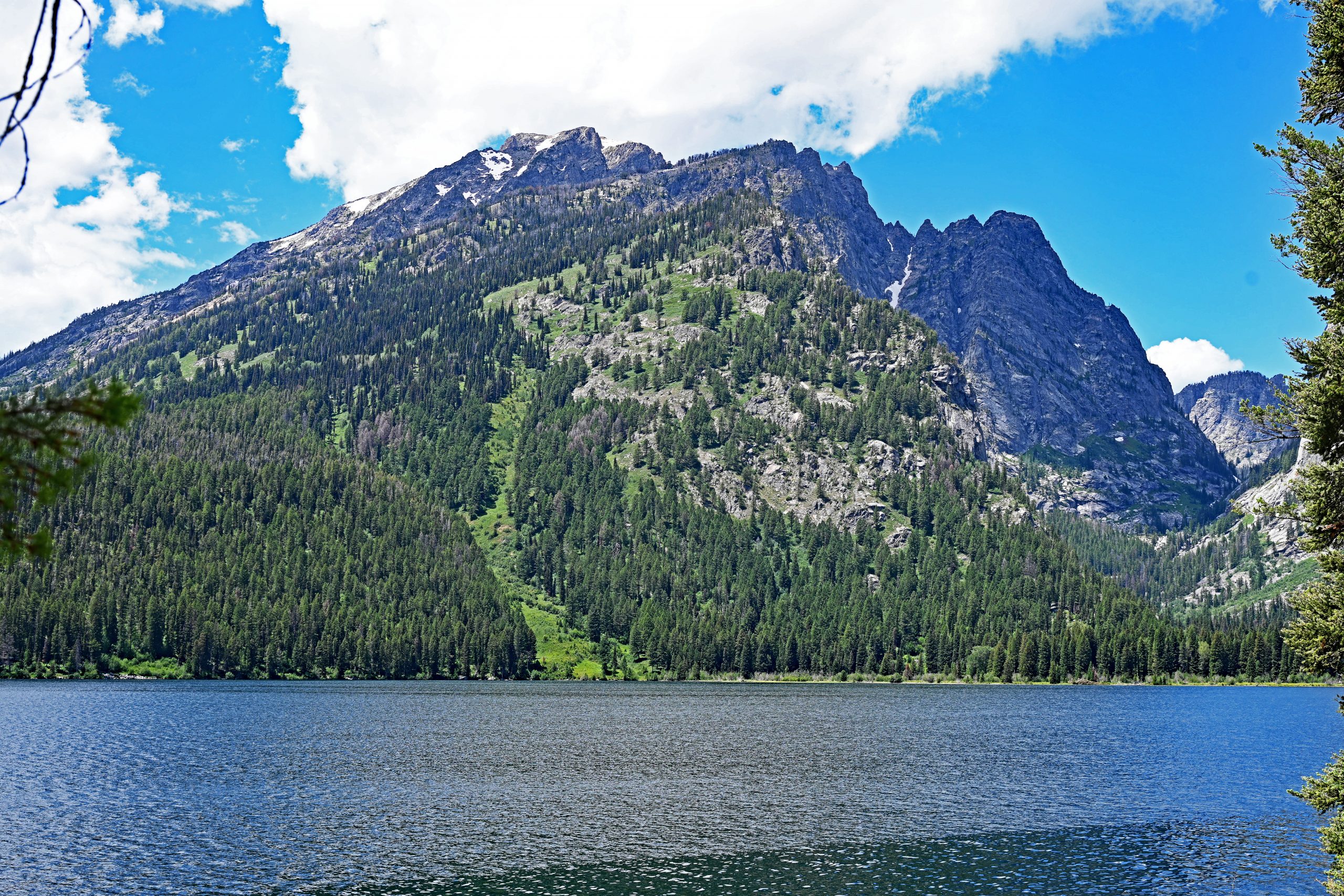
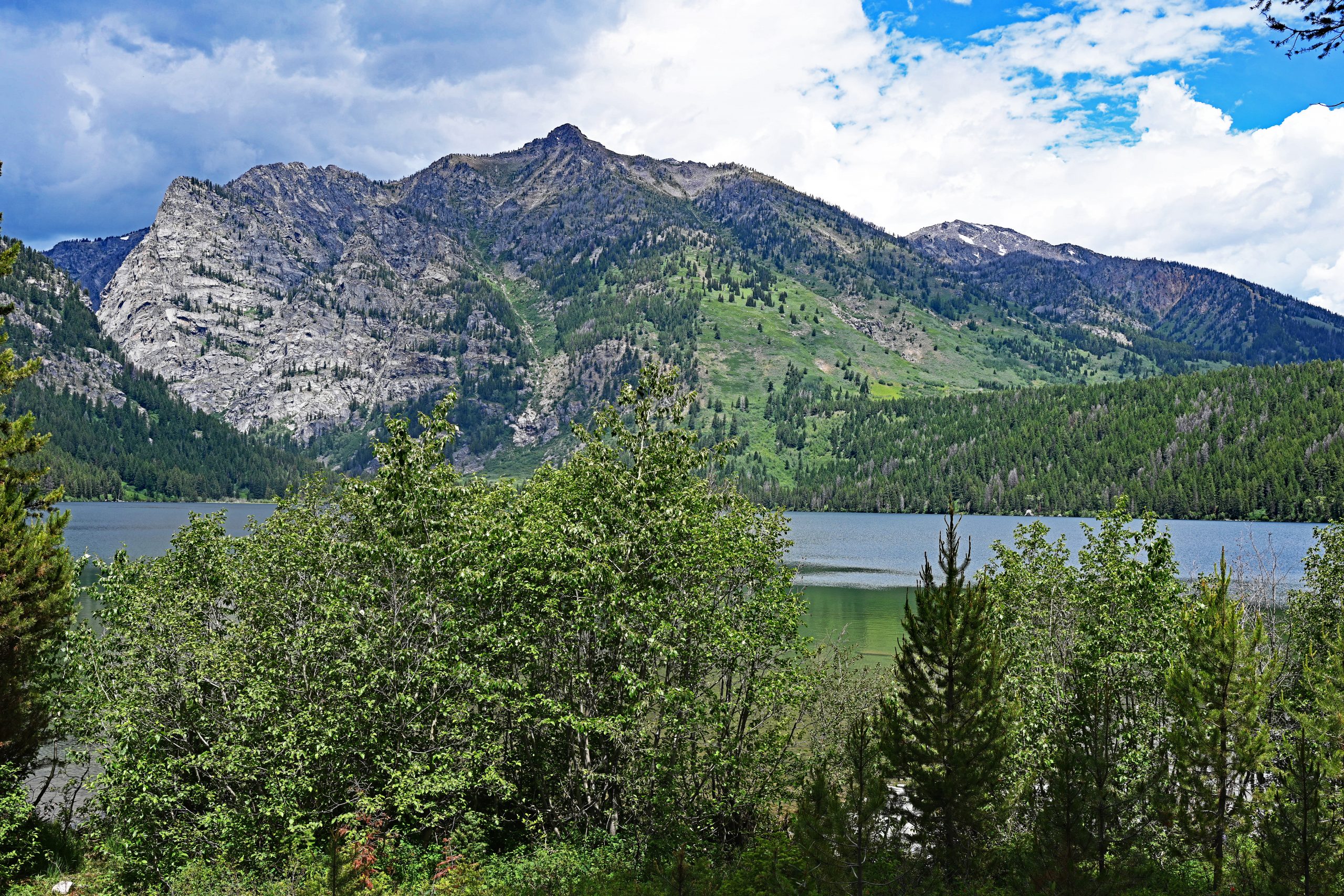
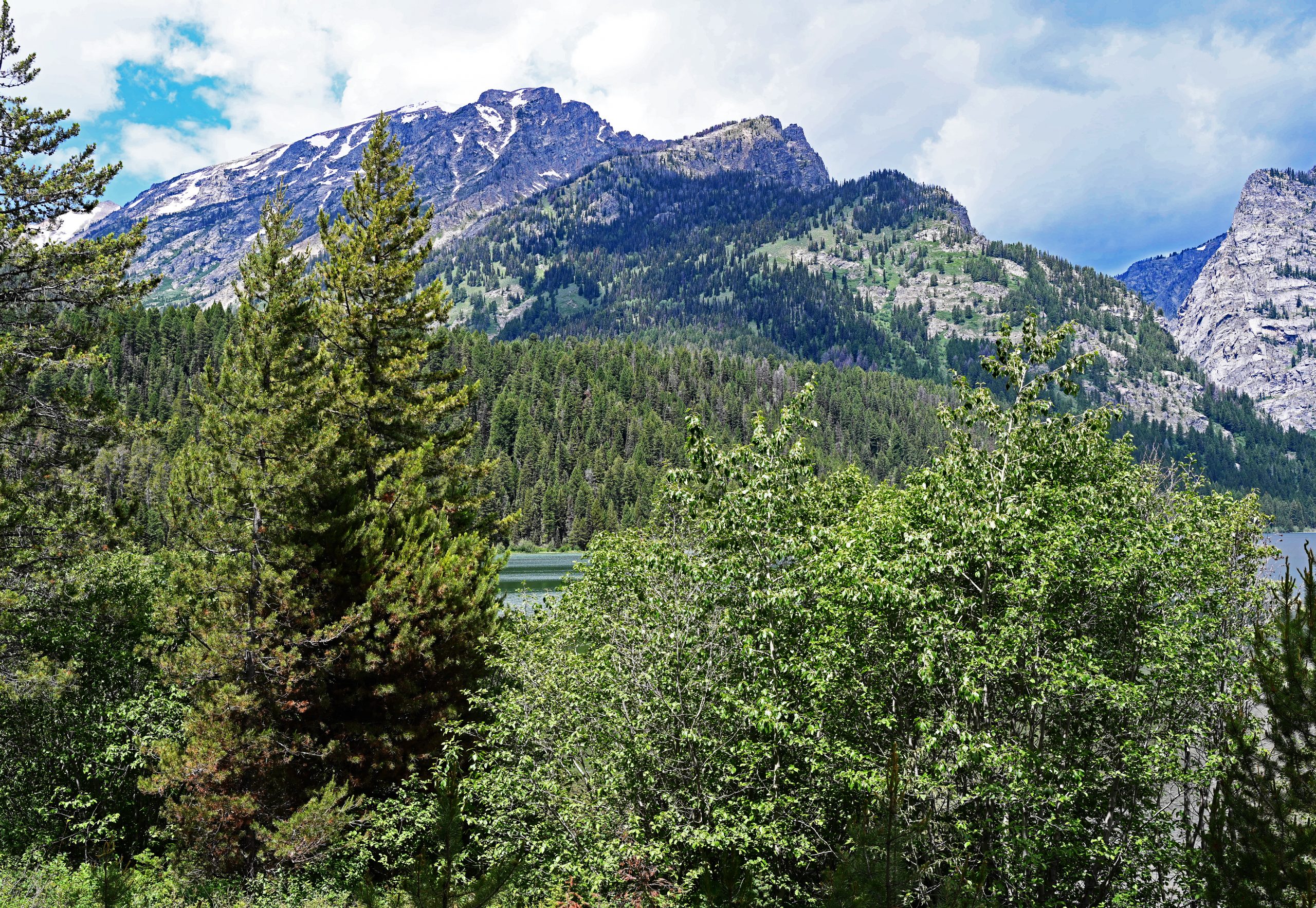
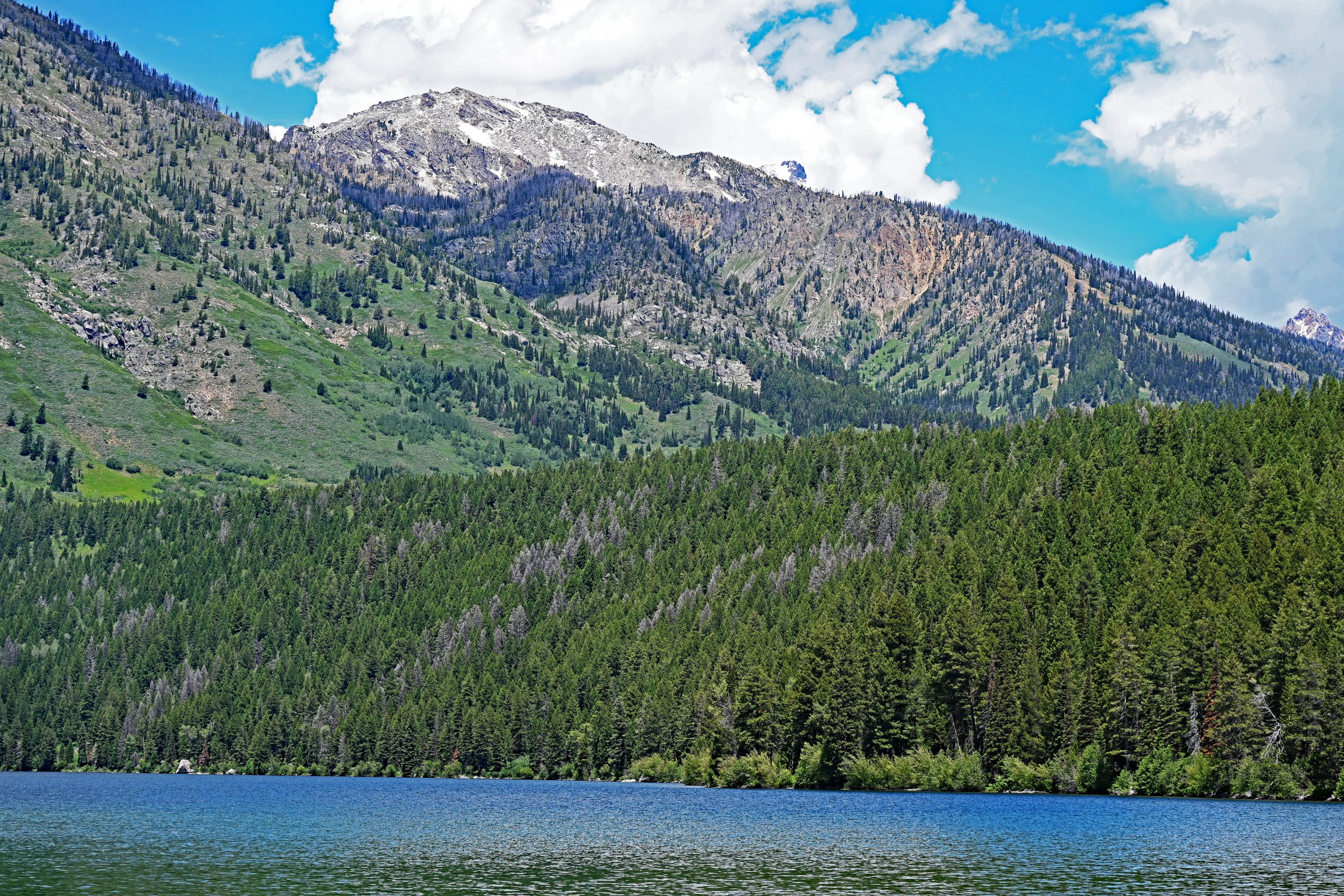
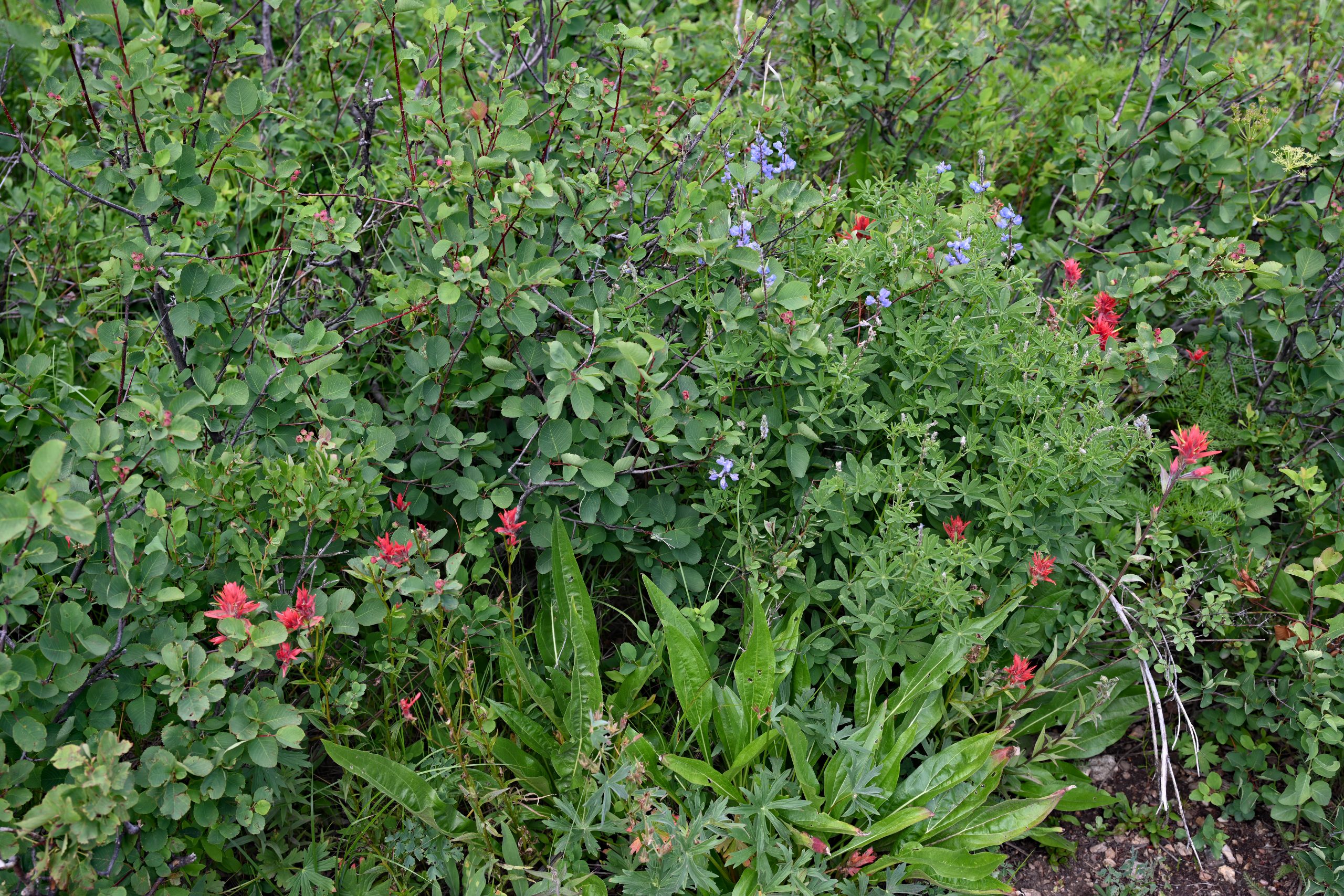
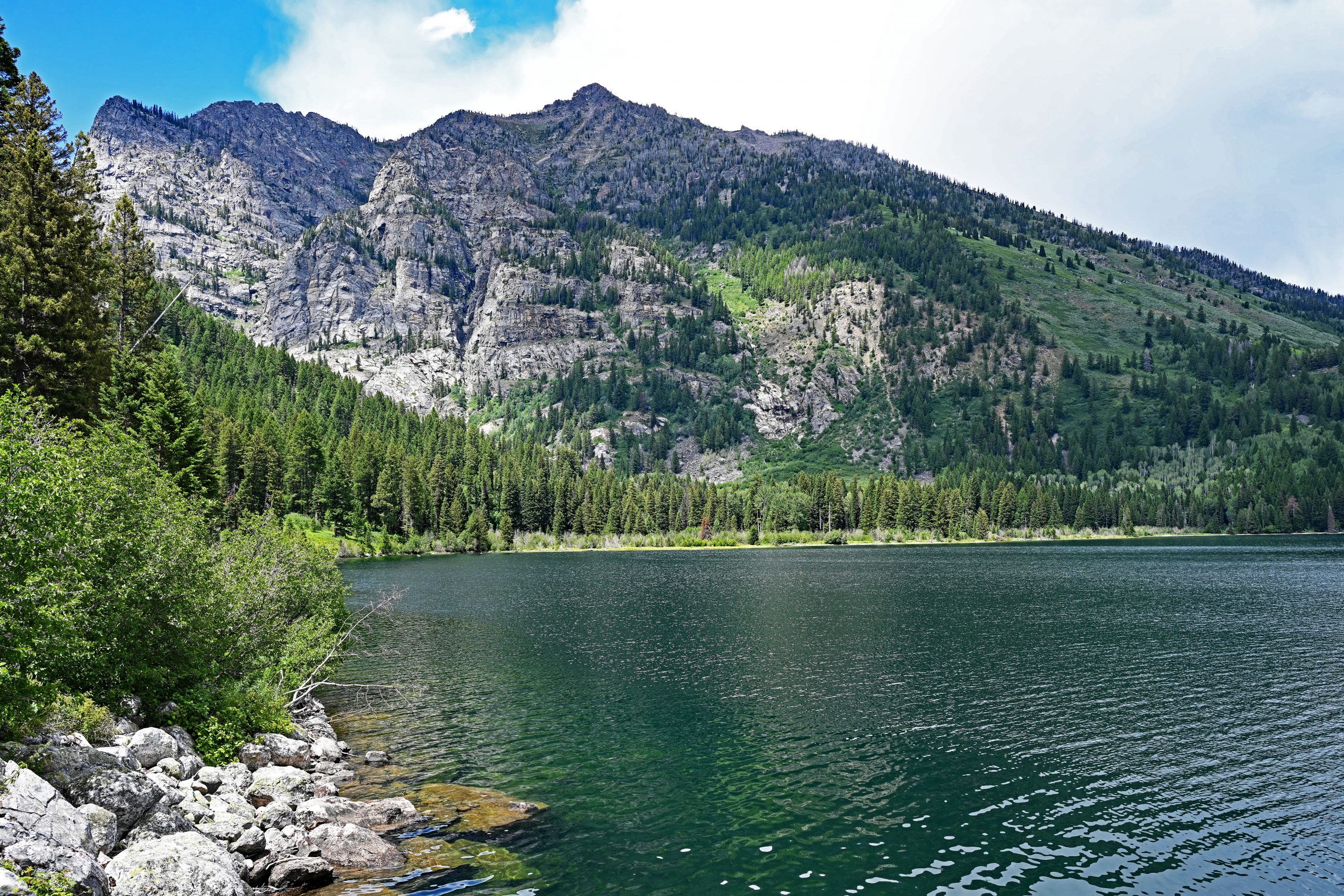
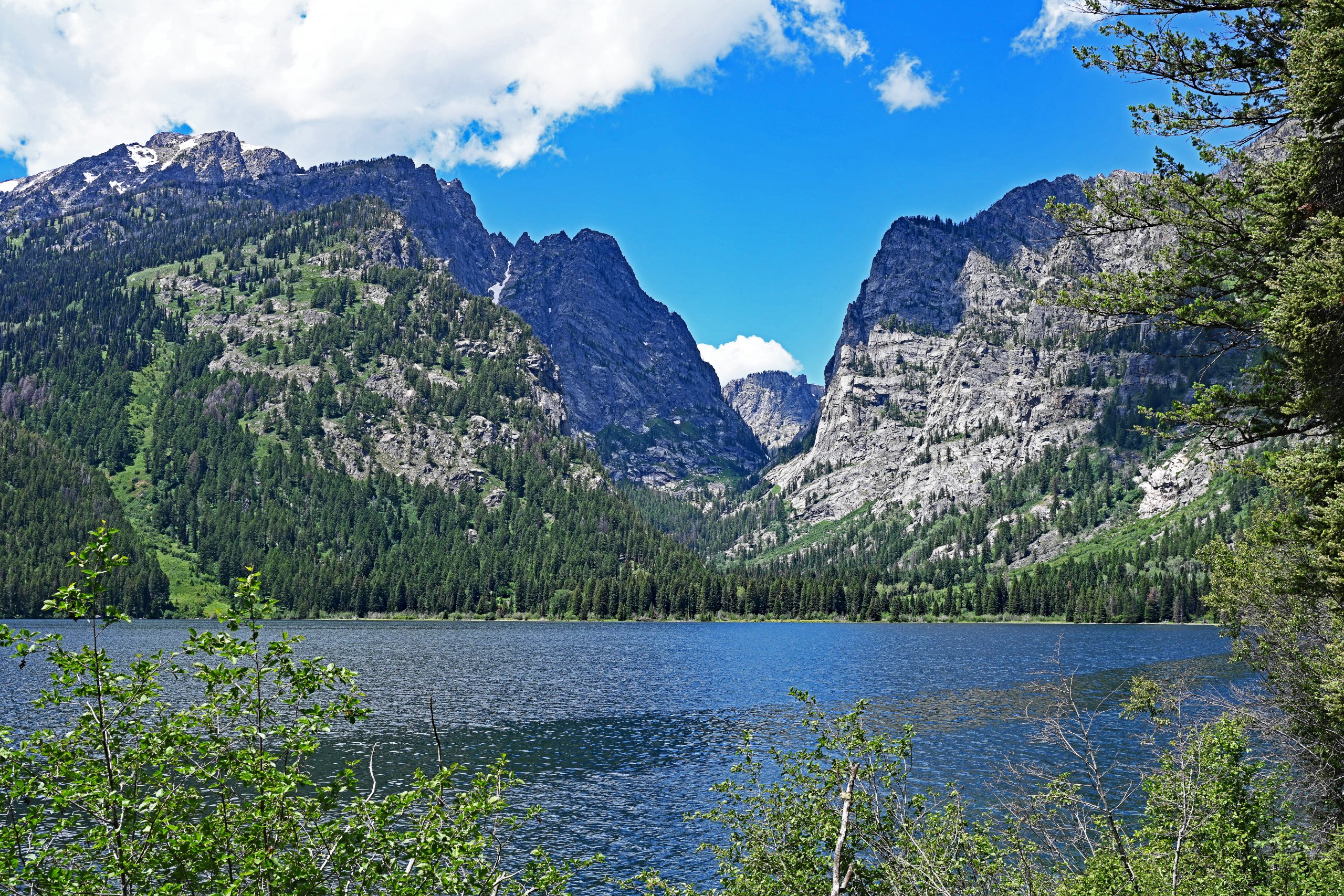
When the dense forest finally opened up, there it lay: Phelps Lake. Its surface perfectly mirrored the grand panorama of the mountain ridges that cradled it like a protective hand. Albright Peak rose to the north with steep, nearly vertical limestone walls—the famous Death Canyon Cliffs—their pale rock gleaming almost white in the midday sun. On the opposite side, the massive, dark bulk of Prospectors Mountain held court. The lake’s water shifted in mesmerizing gradients from deep emerald green to a rich cobalt blue, while gray granite boulders lined the shore. Along the path, alpine flora bloomed in full splendor: the intense scarlet of the Indian Paintbrush created a breathtaking complementary contrast against the lush green shrubs and the delicate blue-purple touches of lupines.
On the Shores of Phelps Lake
An Unexpected Encounter and the Symmetry of the Canyon
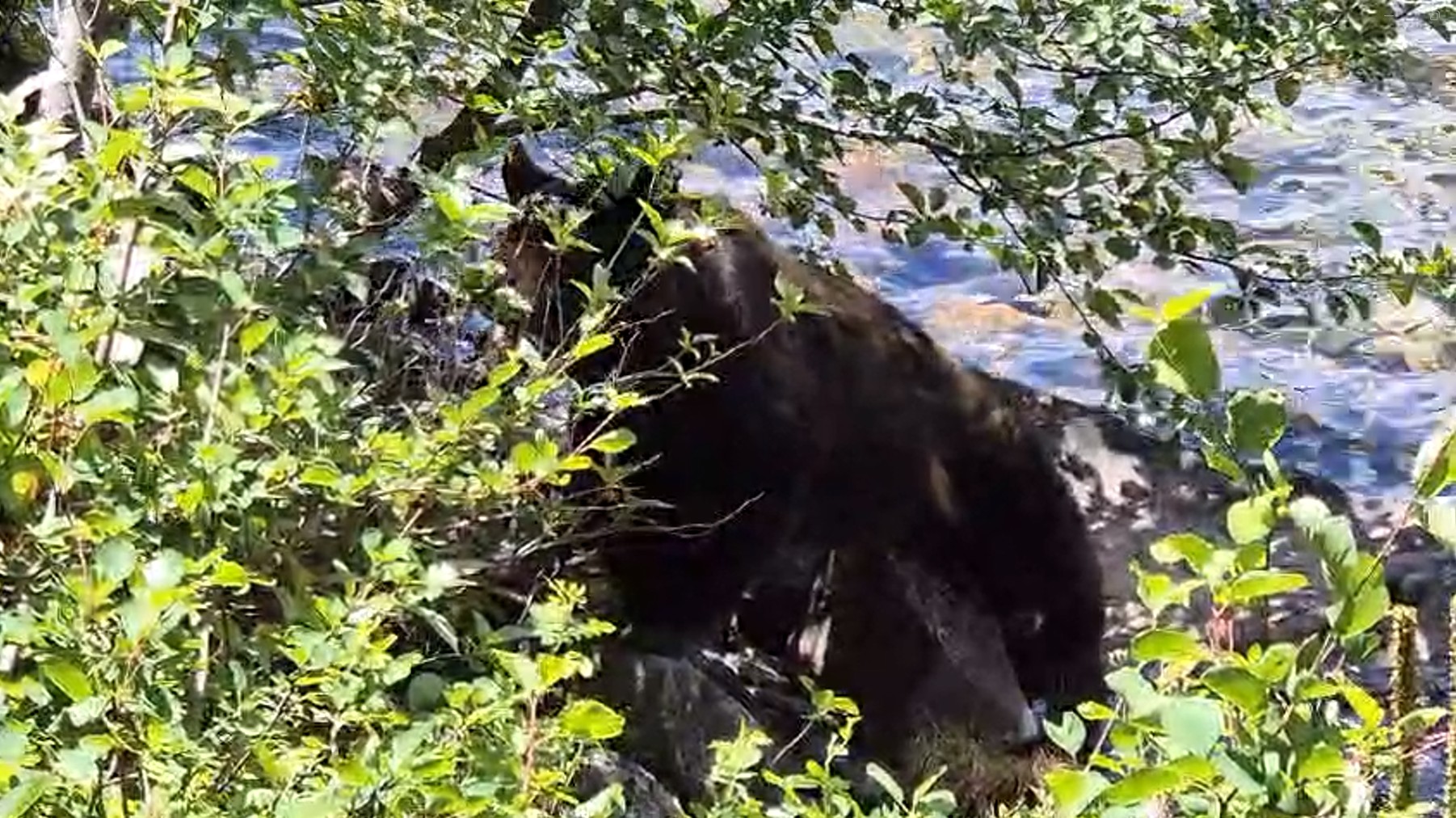
Suddenly, a quiet whisper broke my train of thought. A group of six young men in their early twenties paused and warned me in hushed tones: just twenty feet ahead stood a bear. My heart hammered against my ribs as I carefully crept toward the brush. And indeed, there it was: a magnificent black bear standing right at the water’s edge, its thick, dark brown fur shimmering in the shade of the leaves. “Maybe it’s best if we walk as a whole group,” one of the young men murmured. They followed me slowly and watchfully—a reassuring feeling of community in this moment of pure wilderness.
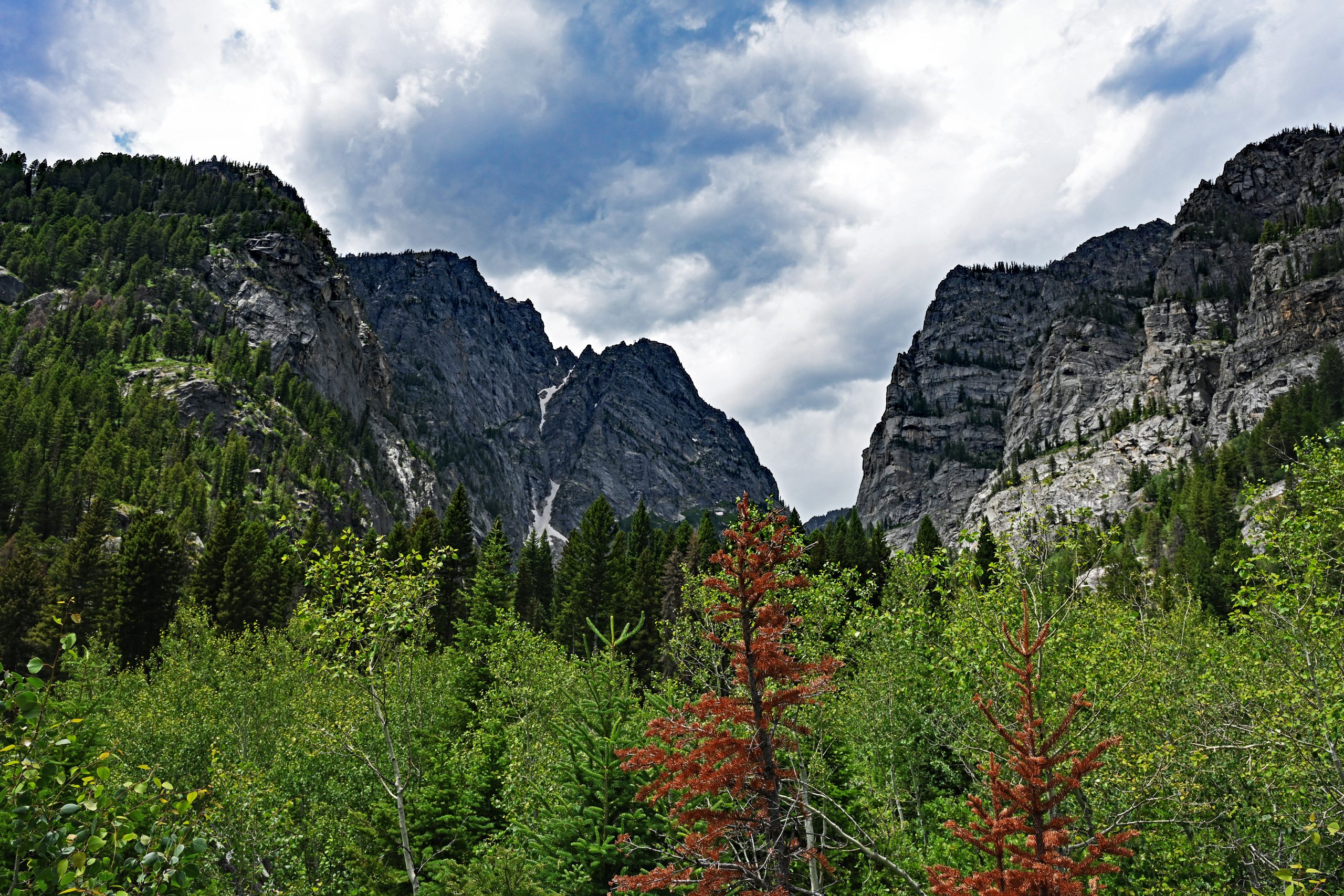
Just ten minutes later, I reached the iconic Jumping Rock. From this giant rocky ledge, several daredevils were plunging into the ice-cold lake. The view from up here was stunning: the gateway to Death Canyon presented itself in absolute, dramatic symmetry. Only as I continued walking did I realize that this monumental gateway lay well beyond the lake, forming the deep, shadowed entrance into the actual mountain gorge.
Adventure at Death Canyon
The Shift and the Ranger’s Whisper
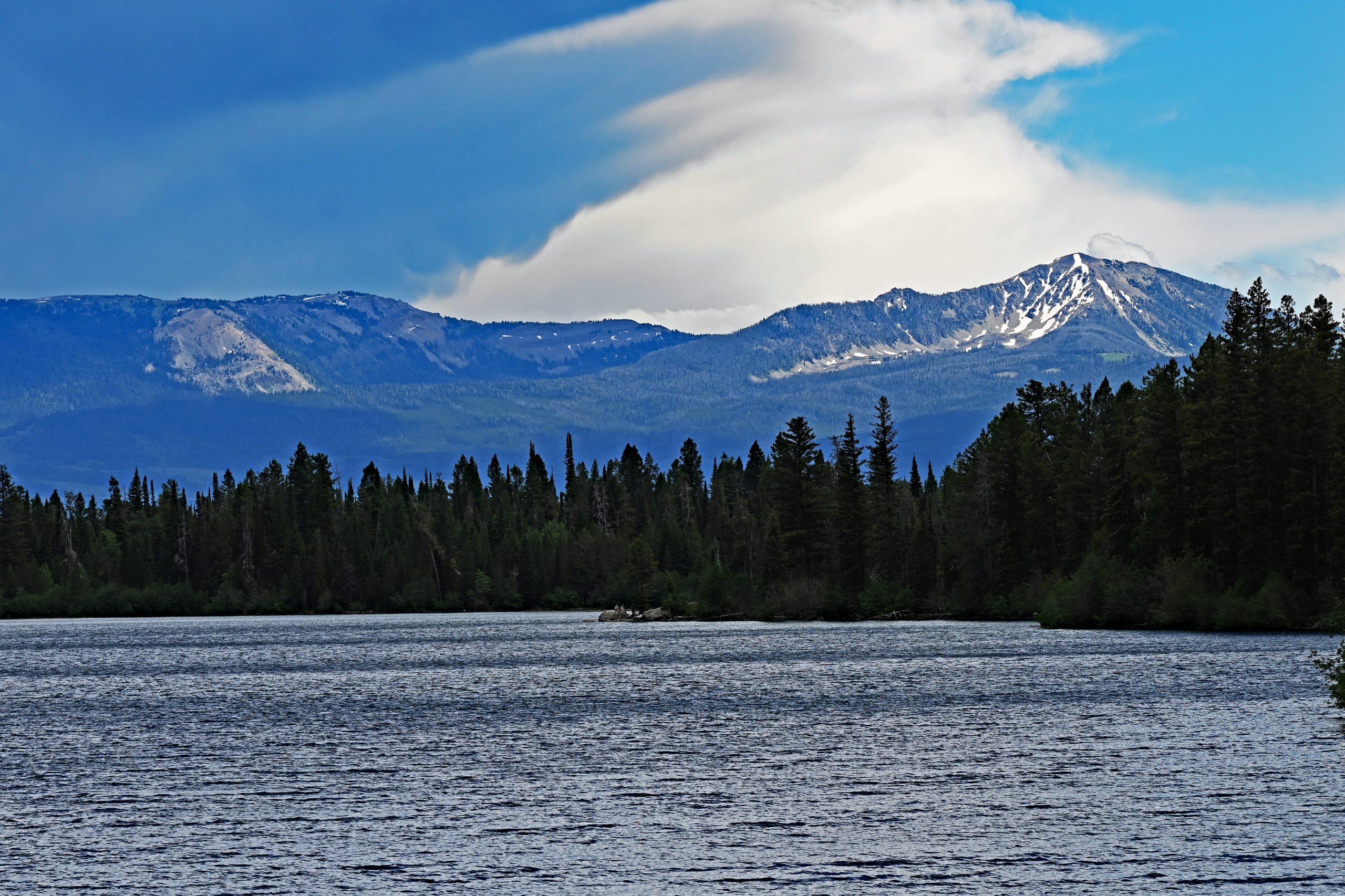
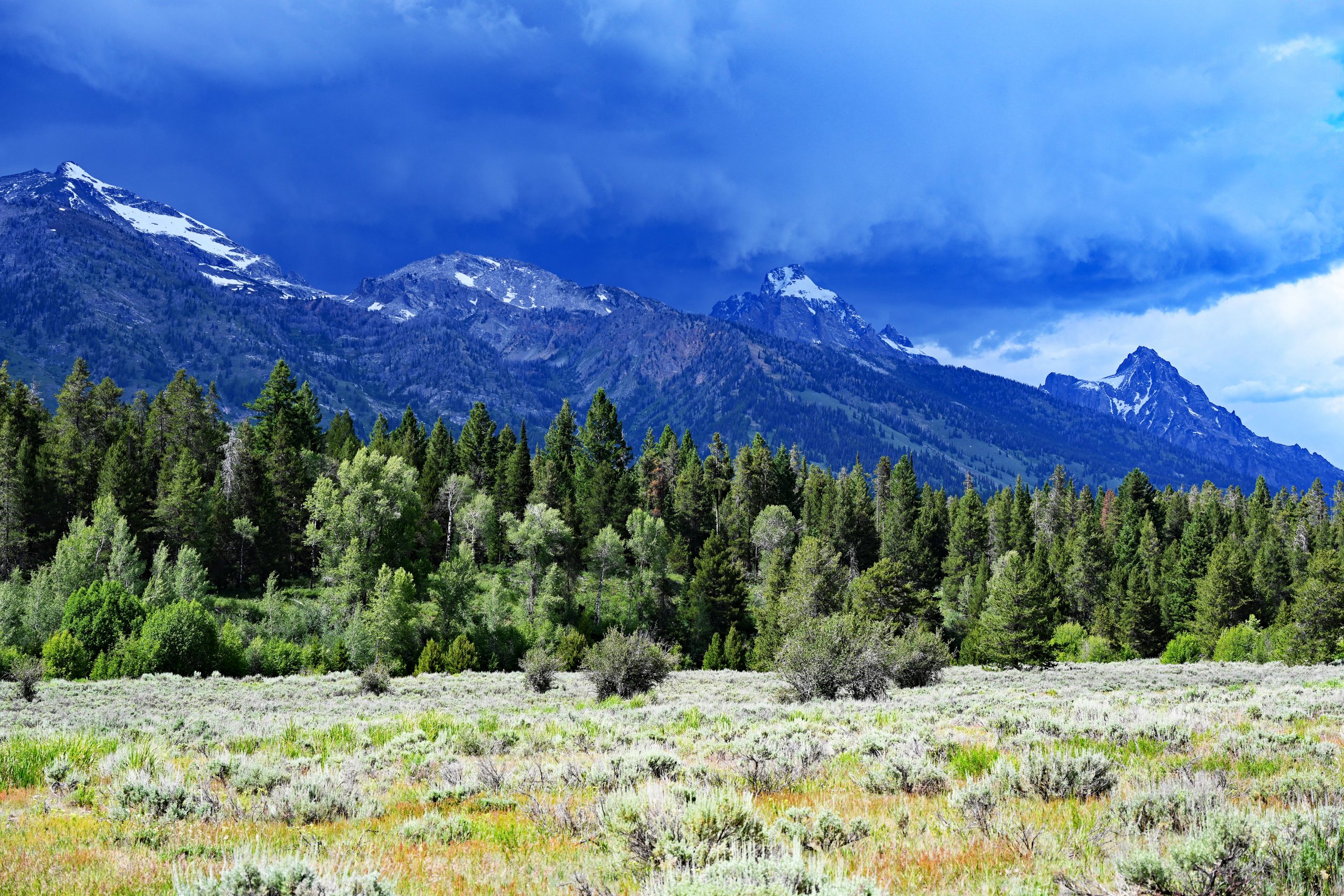
“There might be a thunderstorm in an hour,” a ranger at the Rockefeller Center had prophesied to me. As I reached the opposite side of the lake shore, it became clear just how right he would be. My last look back at the lake was defined by an eerie, captivating beauty. Above the distant, gentler peaks of the Gros Ventre Range, a monumental wall of white clouds was building up, flanked by a deep blue, heavy rain front. The lake’s surface rippled restlessly, reflecting the dramatic light. On the way toward Jenny Lake, the landscape opened up into a wide, flat plain thickly covered with pale green sagebrush. Behind a dark belt of trees, the entire main Teton Range rose high—from Buck Mountain past Middle Teton to the sharp, dark needle of Grand Teton. By now, the wall of clouds had grown so dark and threatening that it literally swallowed the majestic peaks. On the drive to Colter Bay Campground, the sky finally opened its floodgates, and the heavier rain drummed against the windows—the thunderous finale to an unforgettable day of hiking.
The Approach of the Storm