An overcast, stormy-gray sky stretches like a protective dome over the wide, flat basin of the Upper Platte River Valley. Here, at the historic confluence of the gently flowing Laramie River and the mighty North Platte River, every square meter of earth breathes pure Wild West history. The landscape presents itself in muted colors: the barren prairie grass, swaying in the wind, glows in earthy shades of yellow, ocher, and brown. In the distance, the soft shapes of rolling hills emerge, while to the west, the silhouette of the imposing Laramie Mountains breaks the horizon. It is a setting of raw beauty and endless vastness, exuding an almost reverent, peaceful atmosphere.
Anyone strolling across the open, welcoming grounds today can easily forget that this place was once the pulsating, strategic heart of American westward expansion (the Frontier). Founded in 1834 as a private fur trading post under the name Fort William, the outpost developed into the most significant military post on the Northern Plains after its purchase by the U.S. Army in 1849. It provided protection for streams of emigrants on the legendary Oregon Trail, served as a diplomatic meeting place for historic treaty negotiations with Indigenous nations, and secured the routes of the legendary Pony Express.
From the parking lot, an asphalt path leads into this living open-air museum, where the striking buildings of the old trading post are the first to catch my eye.
The Historic Center of the Fort
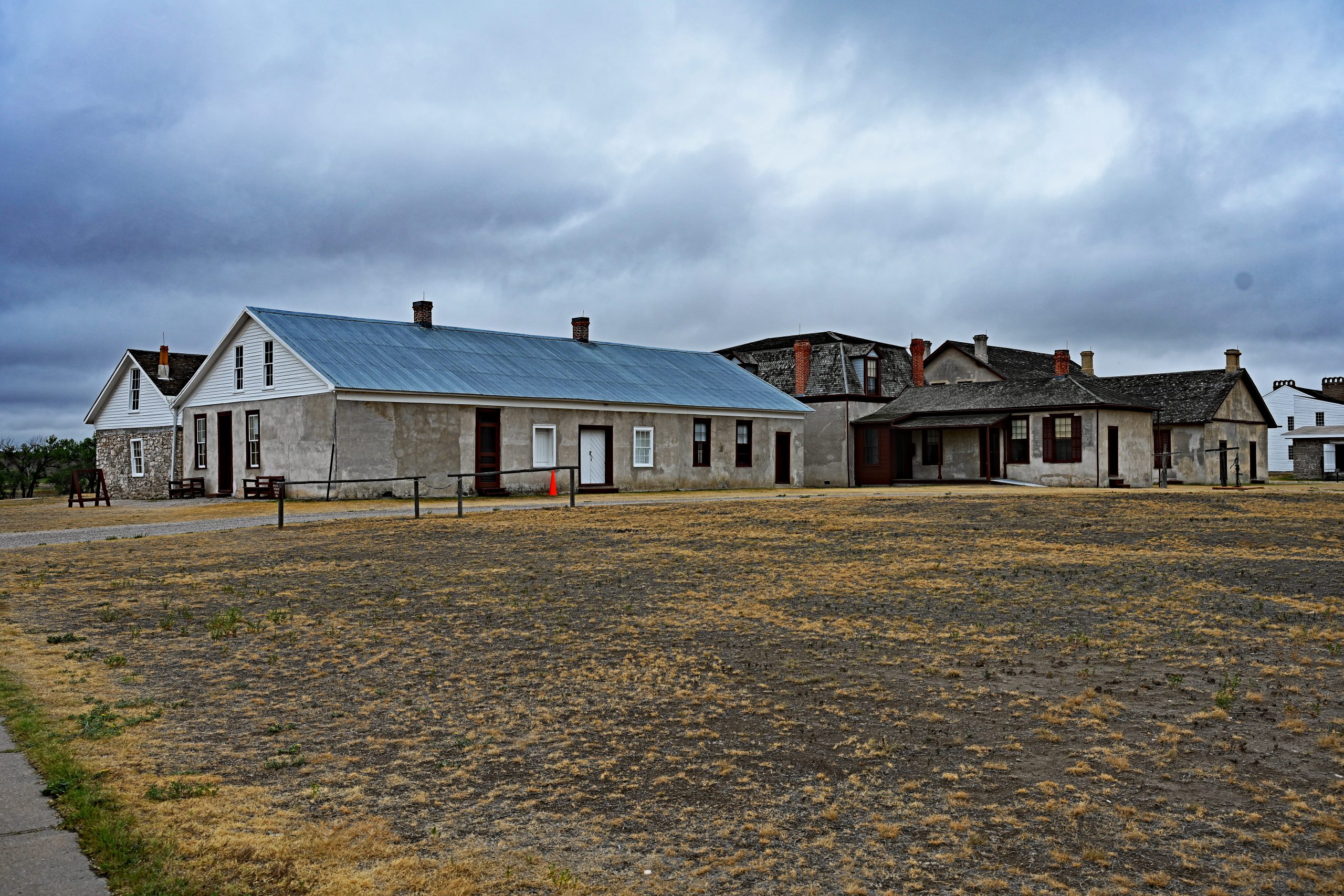
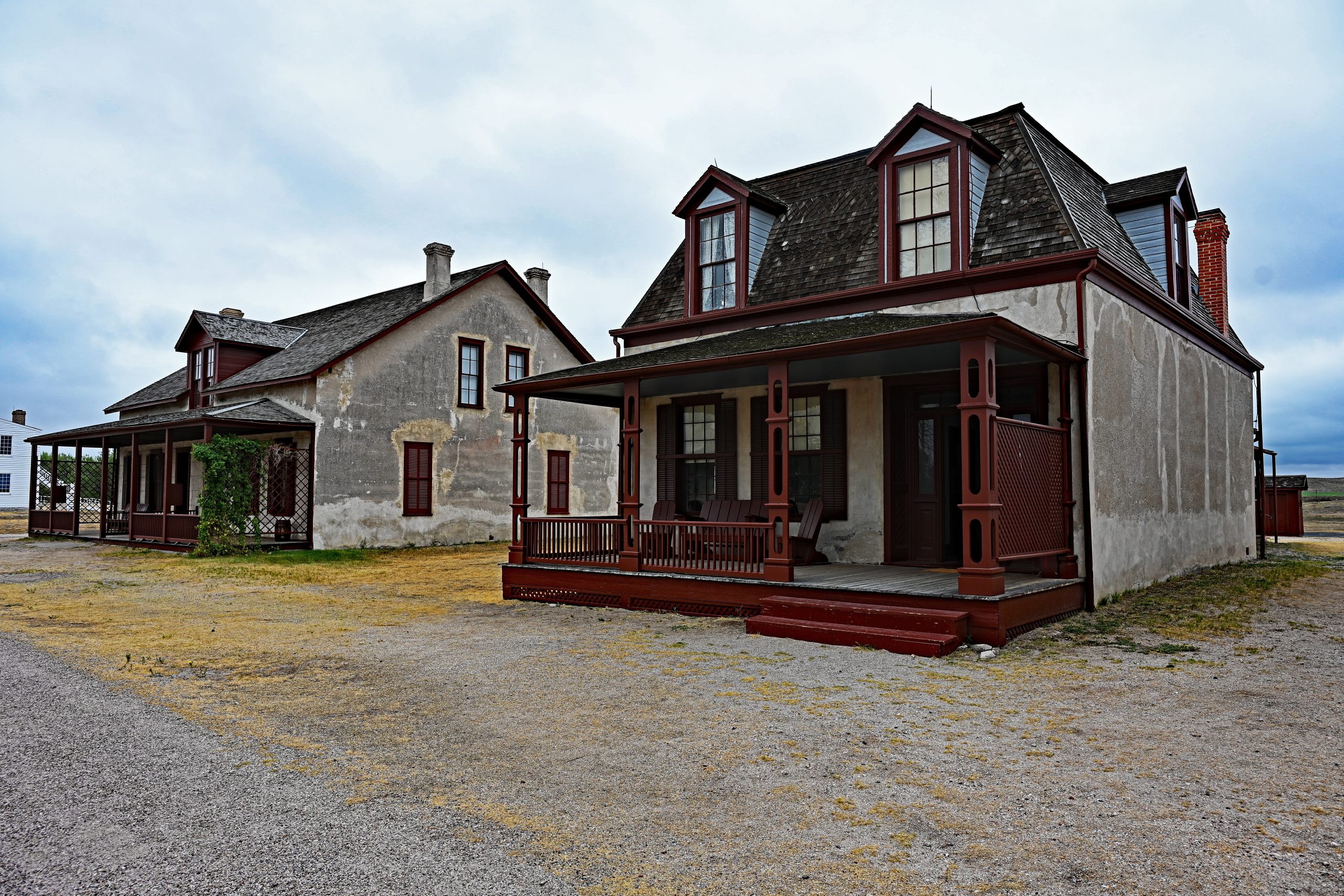
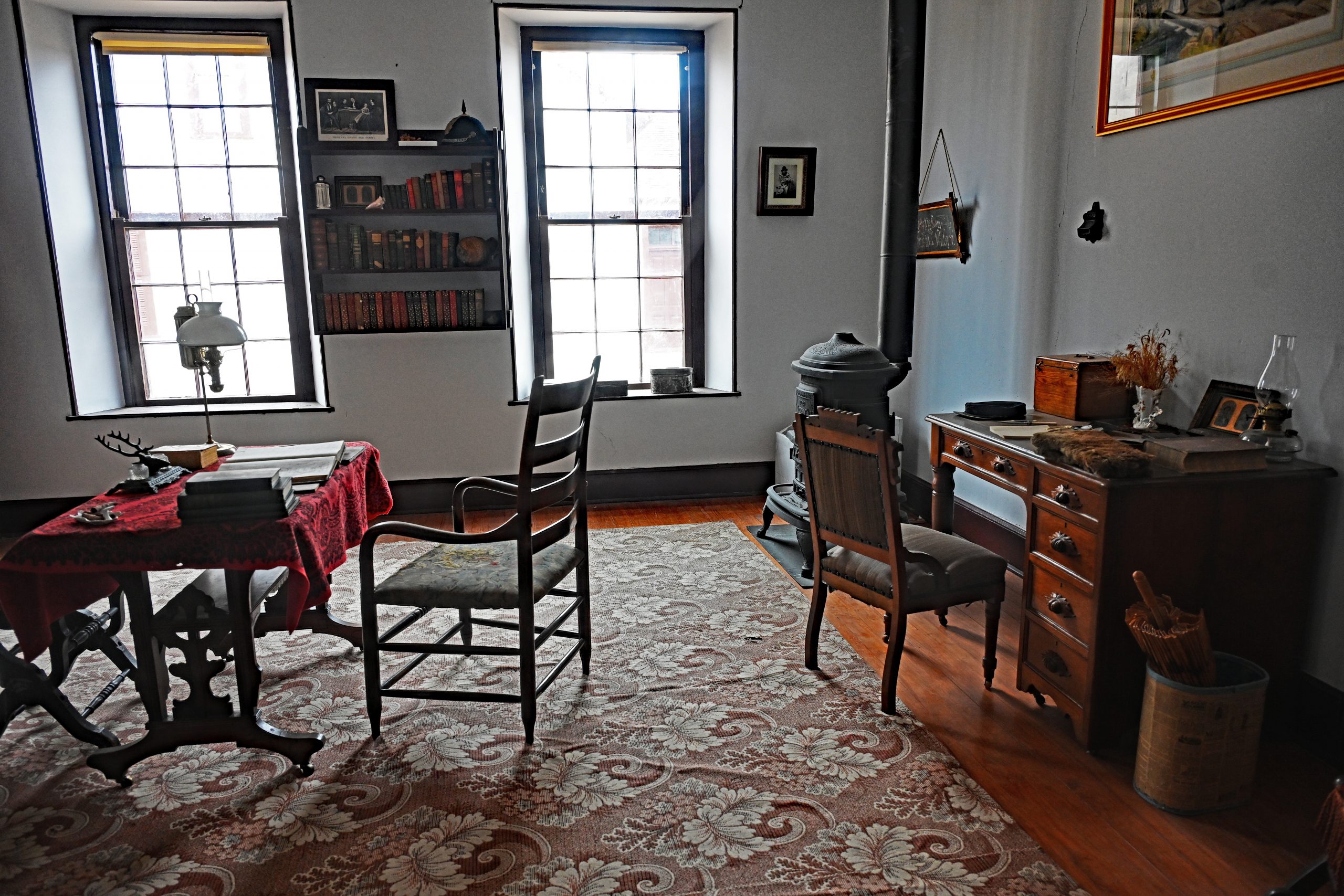
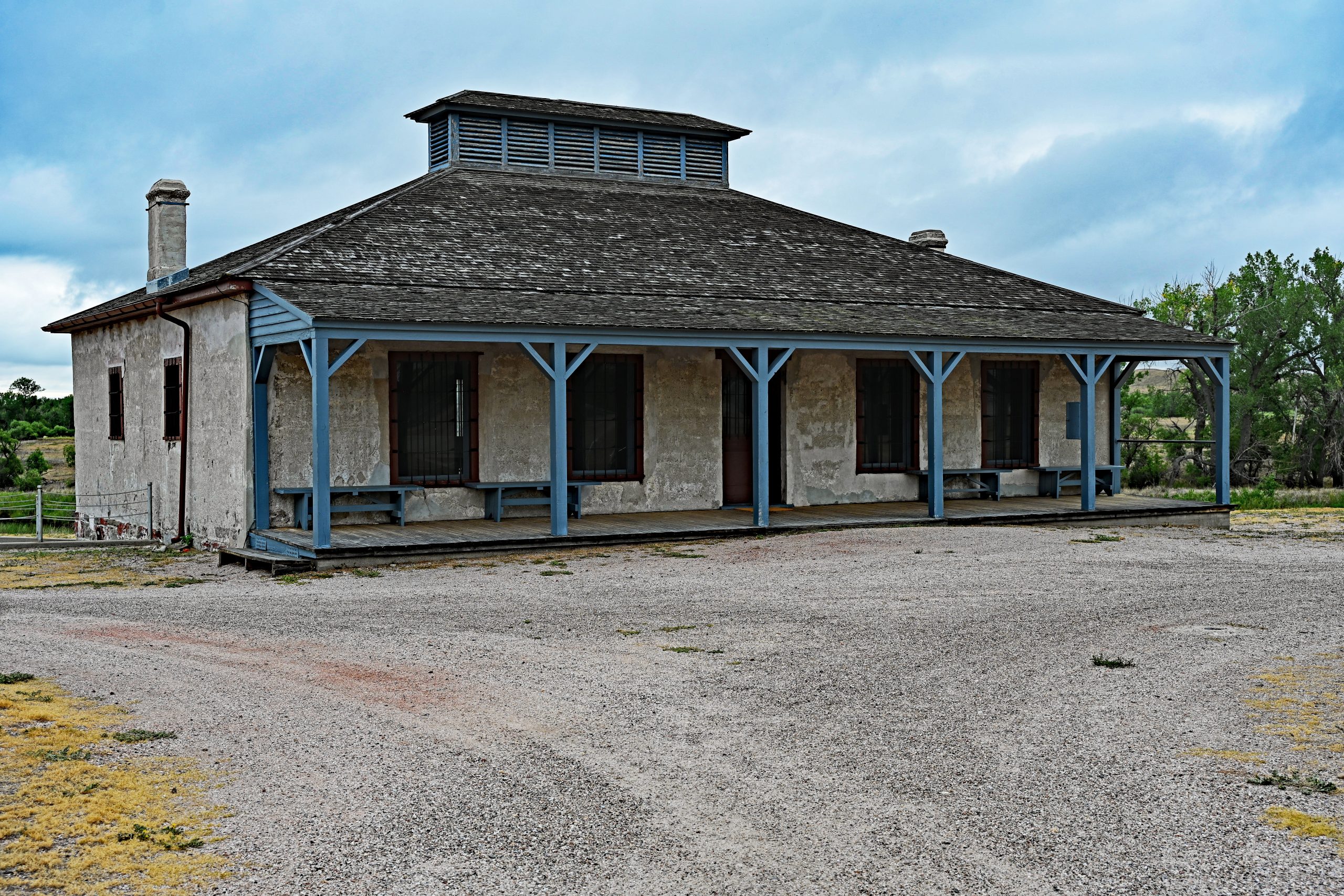
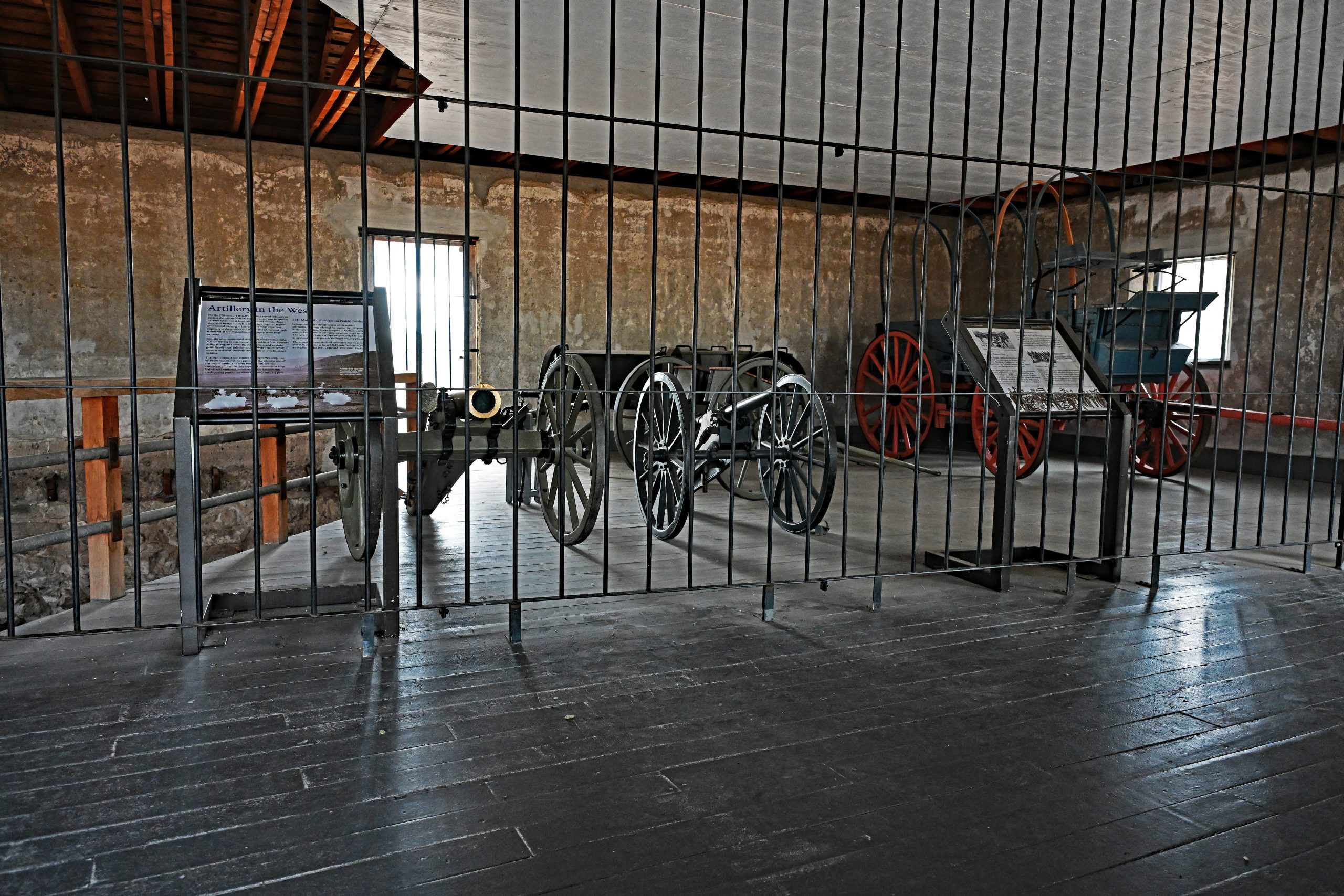
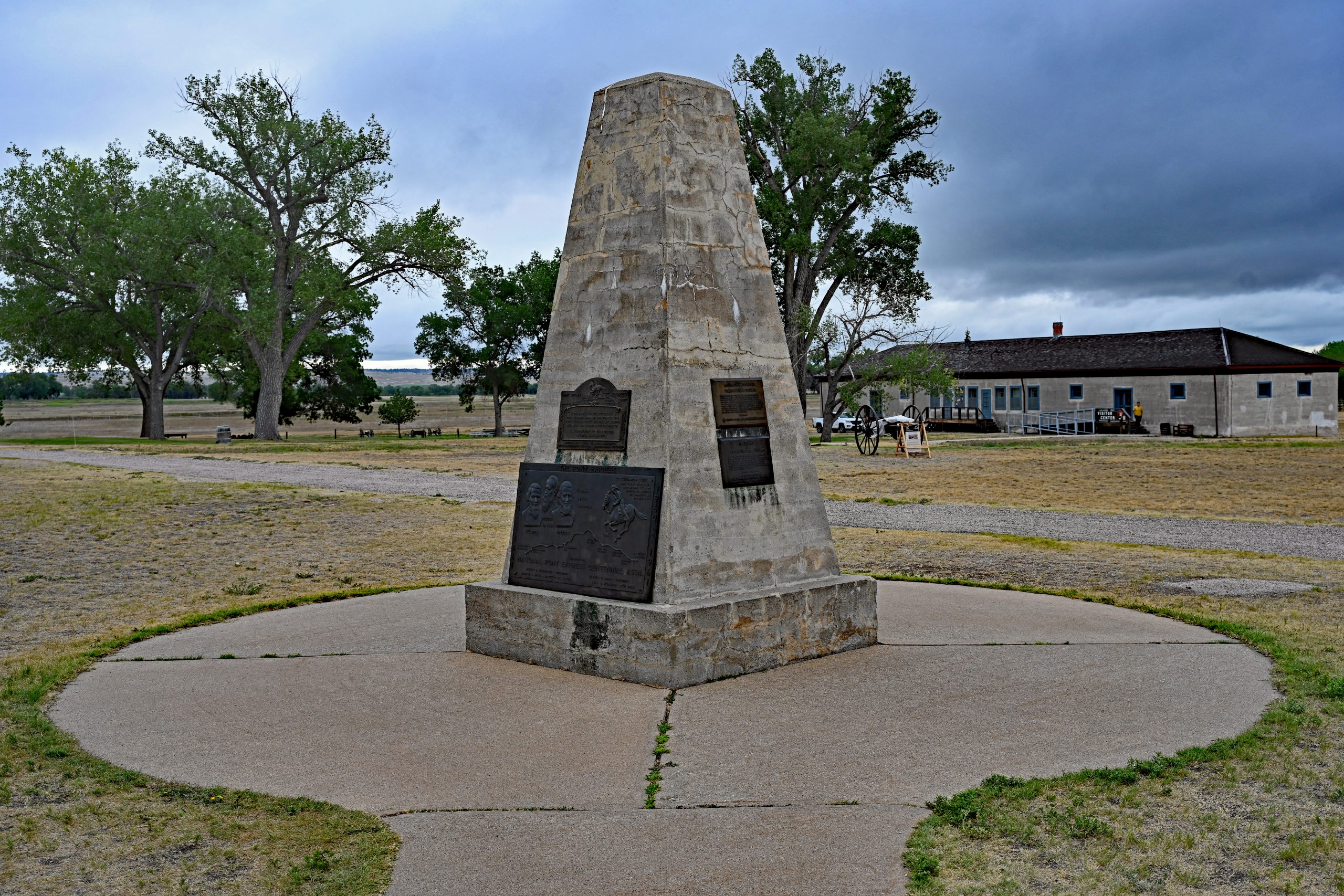
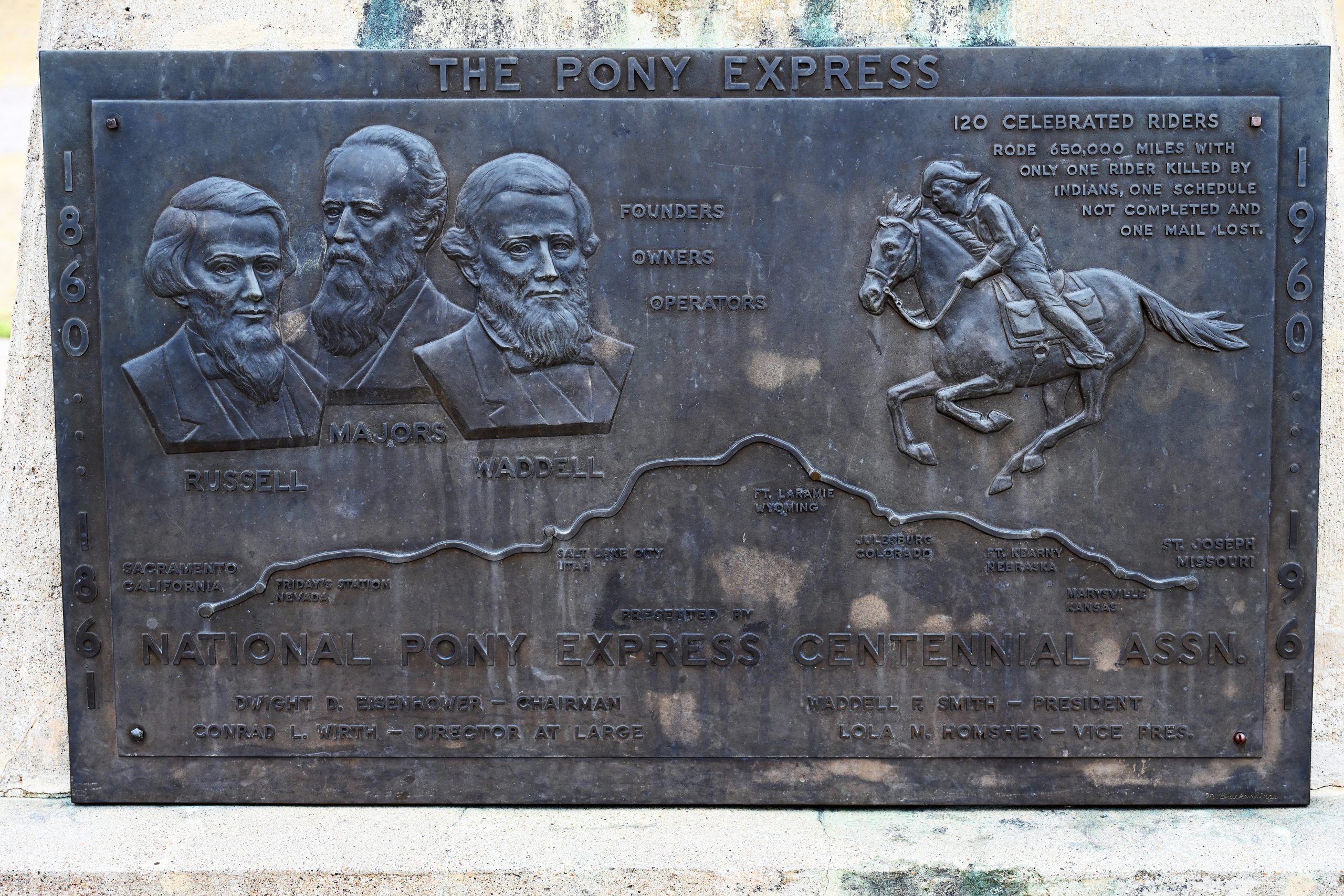
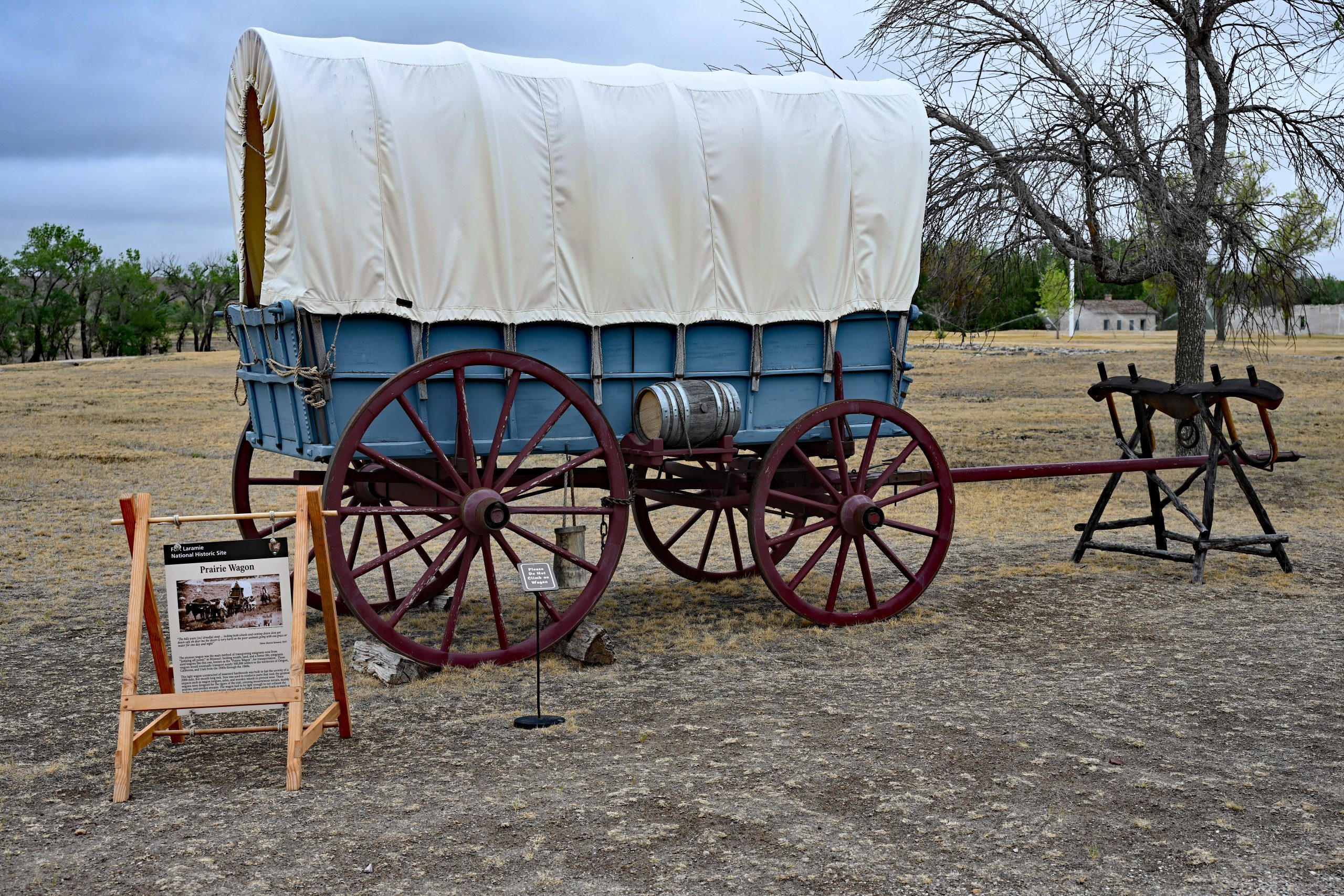
Particularly fascinating is the seamless transition between different eras, which can be read directly from the structures. Not far from the stone guardhouses, you encounter monuments and relics that bear witness to the incredible hardships of the travelers of that time. Looking at the detailed bronze plaques of the Pony Express monument or a faithful replica of a covered wagon, one becomes aware of how grueling the journey into the New World must have been. The settlers defied heat, dust, and deprivation with the simplest of means—a thought that leaves me deeply humbled when looking at the beautifully restored “Prairie Schooner”.
Pioneers, Post, and Covered Wagons
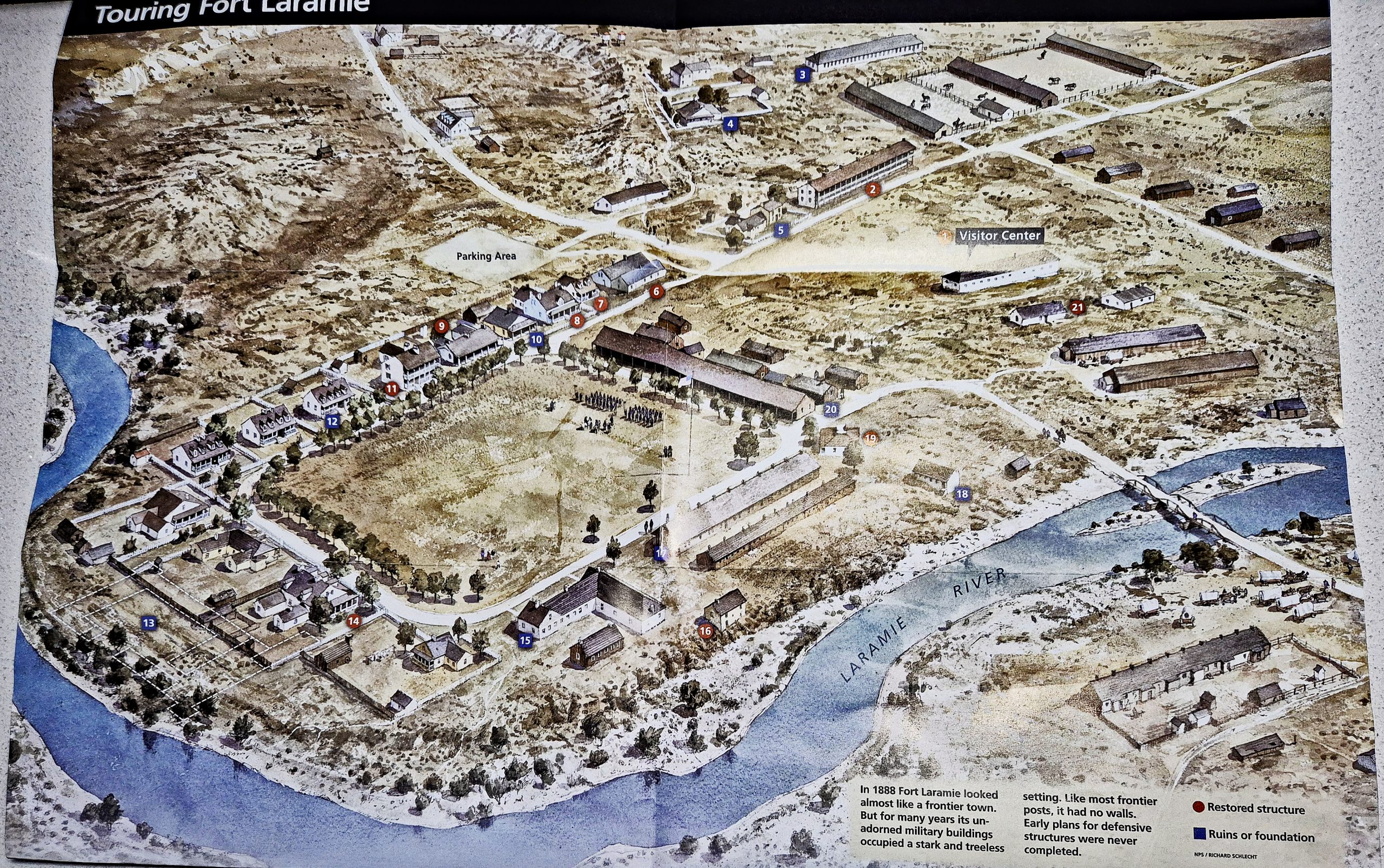
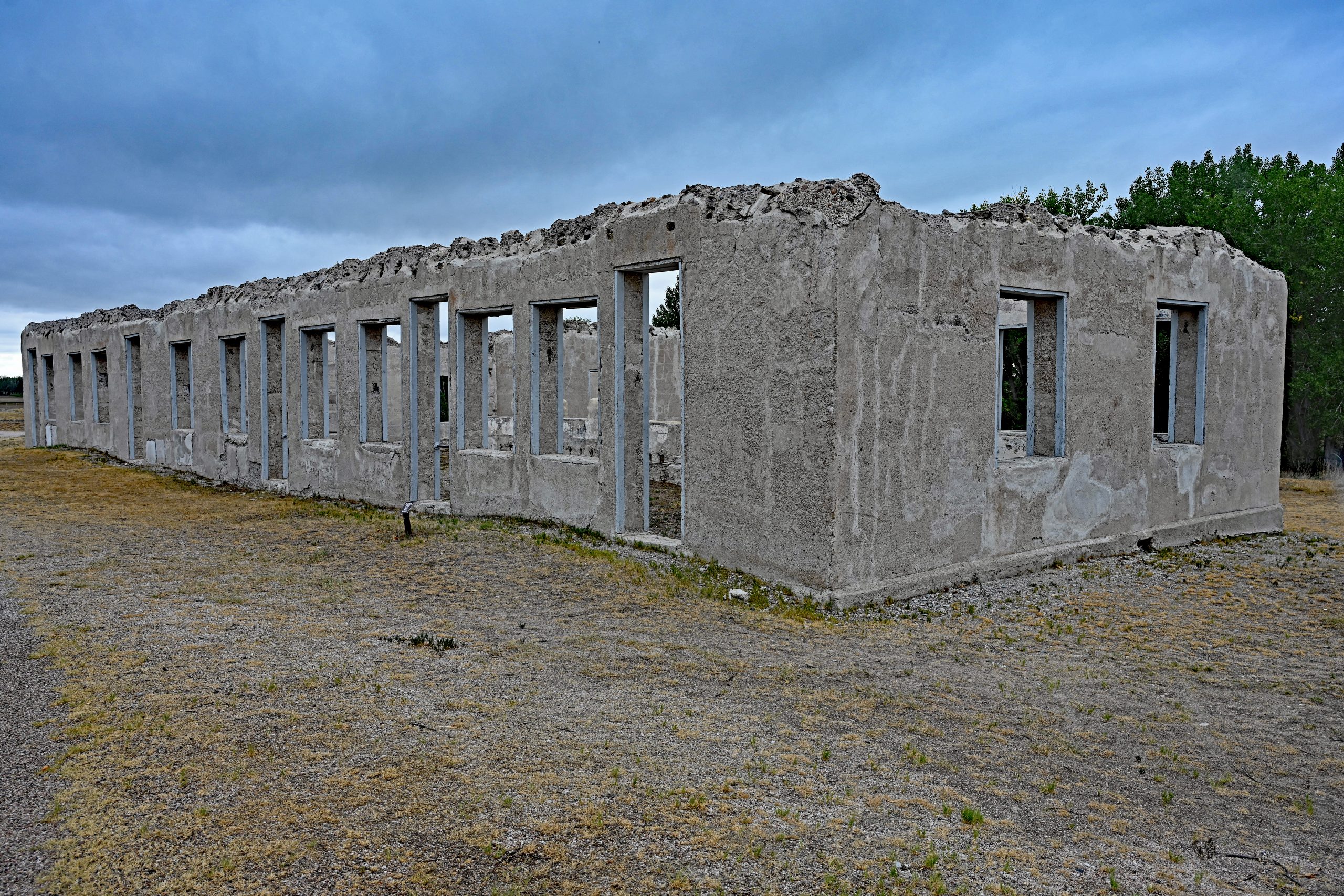
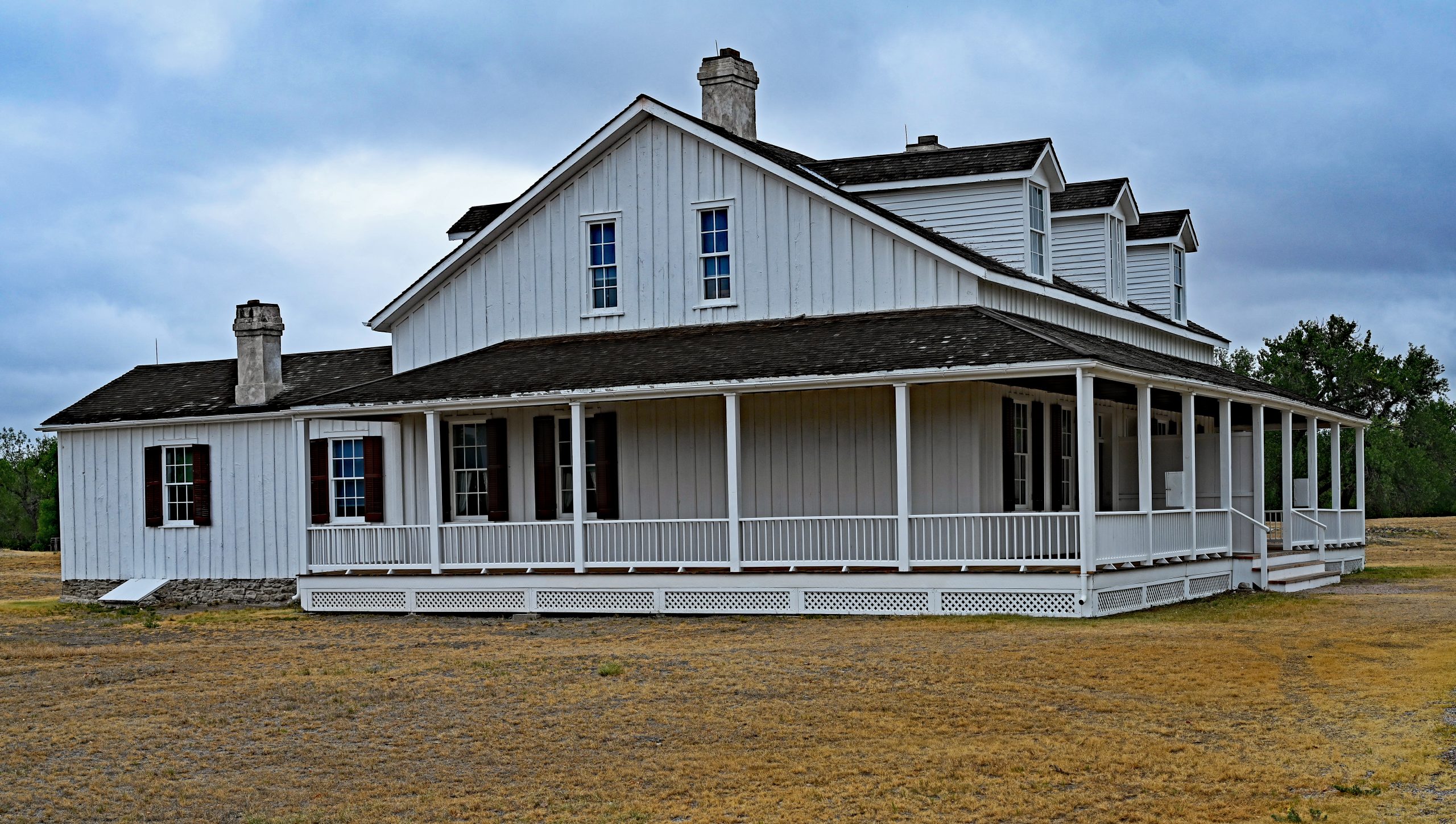
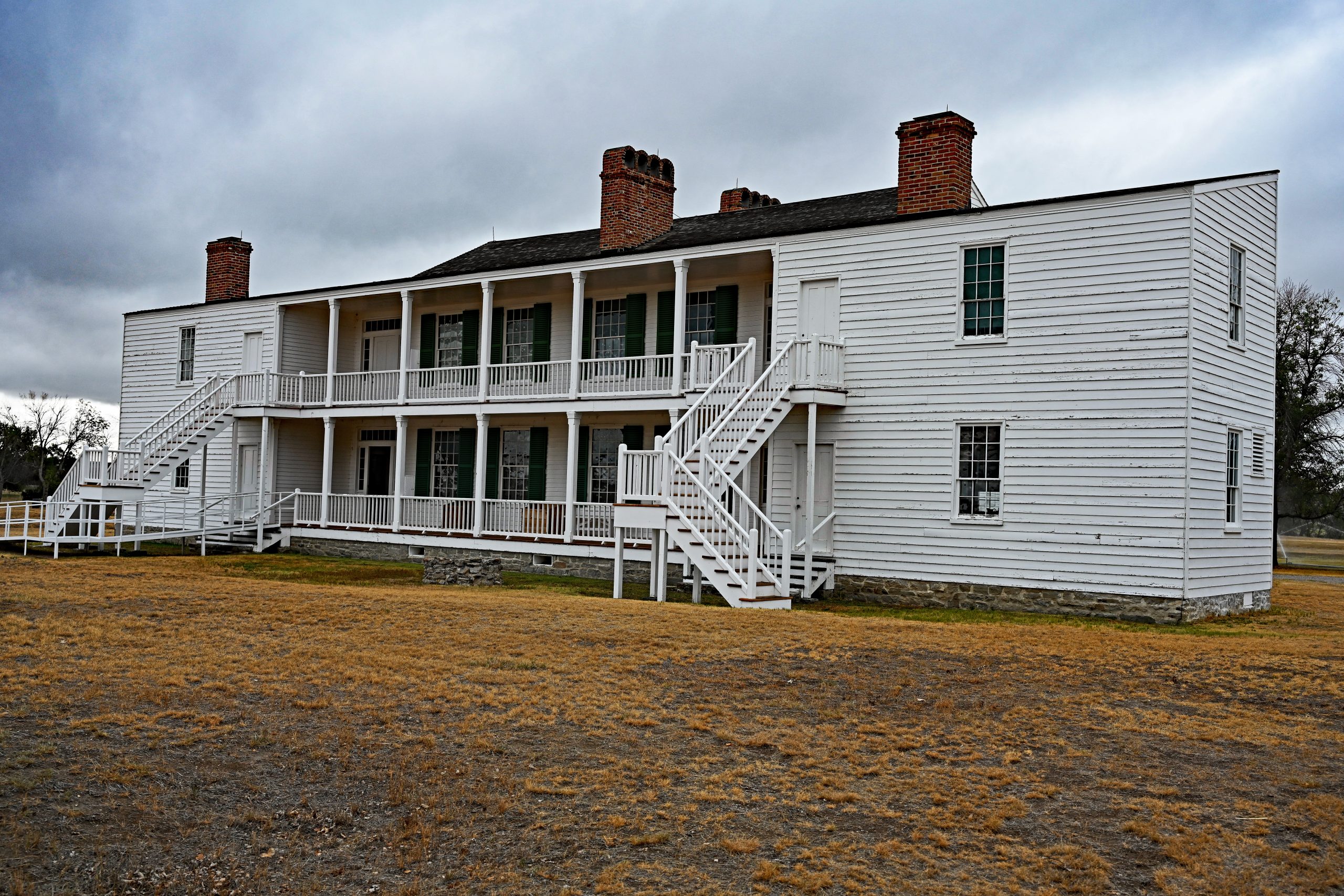
The path continues past the imposing remains of military architecture. The massive, weathered grout-concrete ruins of the old administration building stand in sharp contrast to the elegant, gleaming white Captain’s Quarters with their spacious, shaded wooden veranda. A special jewel is the legendary building “Old Bedlam” from 1849, which is considered the oldest surviving military building in Wyoming. Its double-decker veranda and green shutters have defied the prairie wind for over a century and a half.
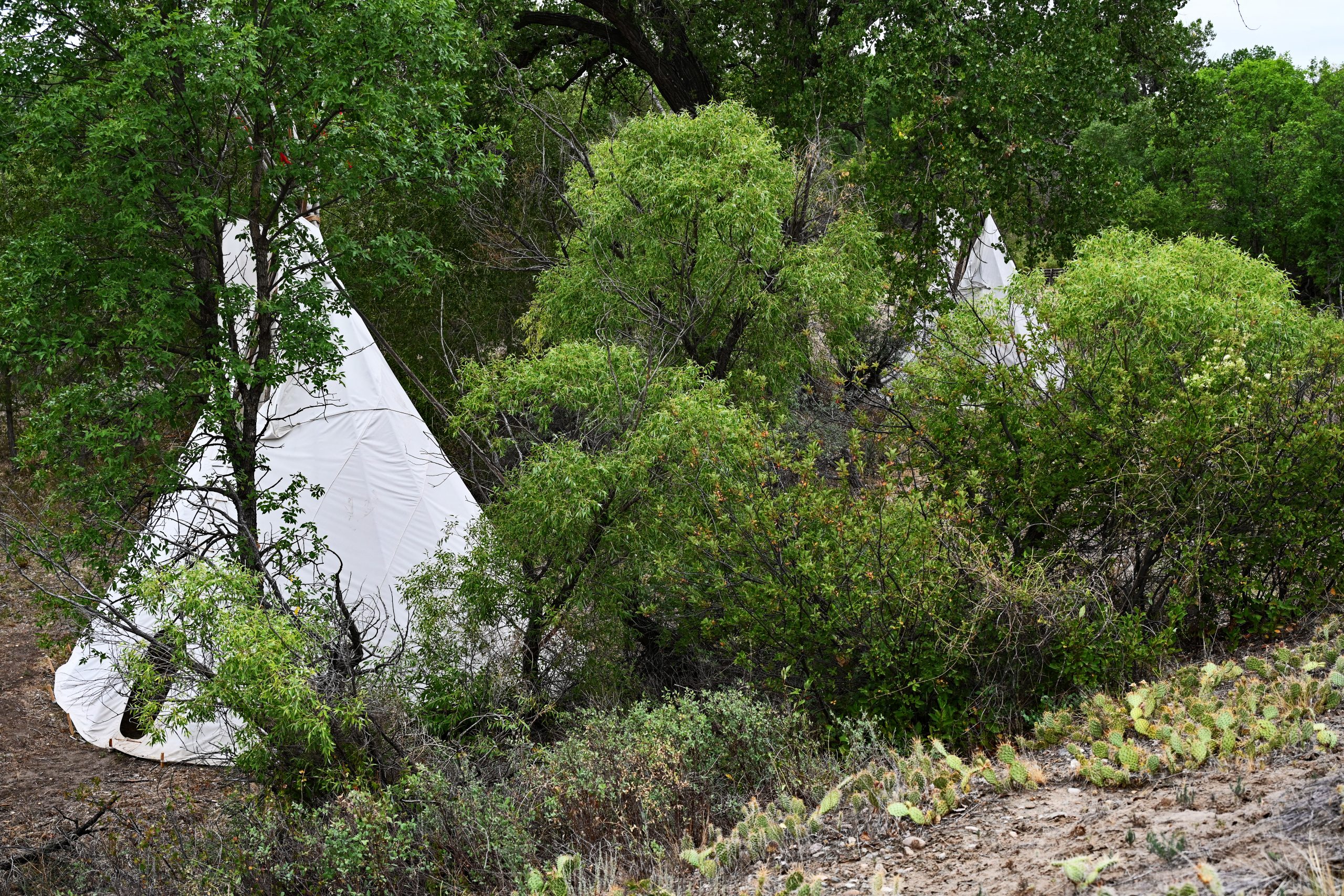
Away from these official military buildings, nestled in the dense, vibrant green of the wooded riverbank, traditional white tipis recall a very different, often forgotten fate. After the decline of the fur trade, the Métis—families with Euro-Indigenous roots—were pushed to the margins of society. Excluded from the glamorous life of the officers, they found refuge in such camps along the river floodplains.
Architecture of the Military Elite and Life on the Margins
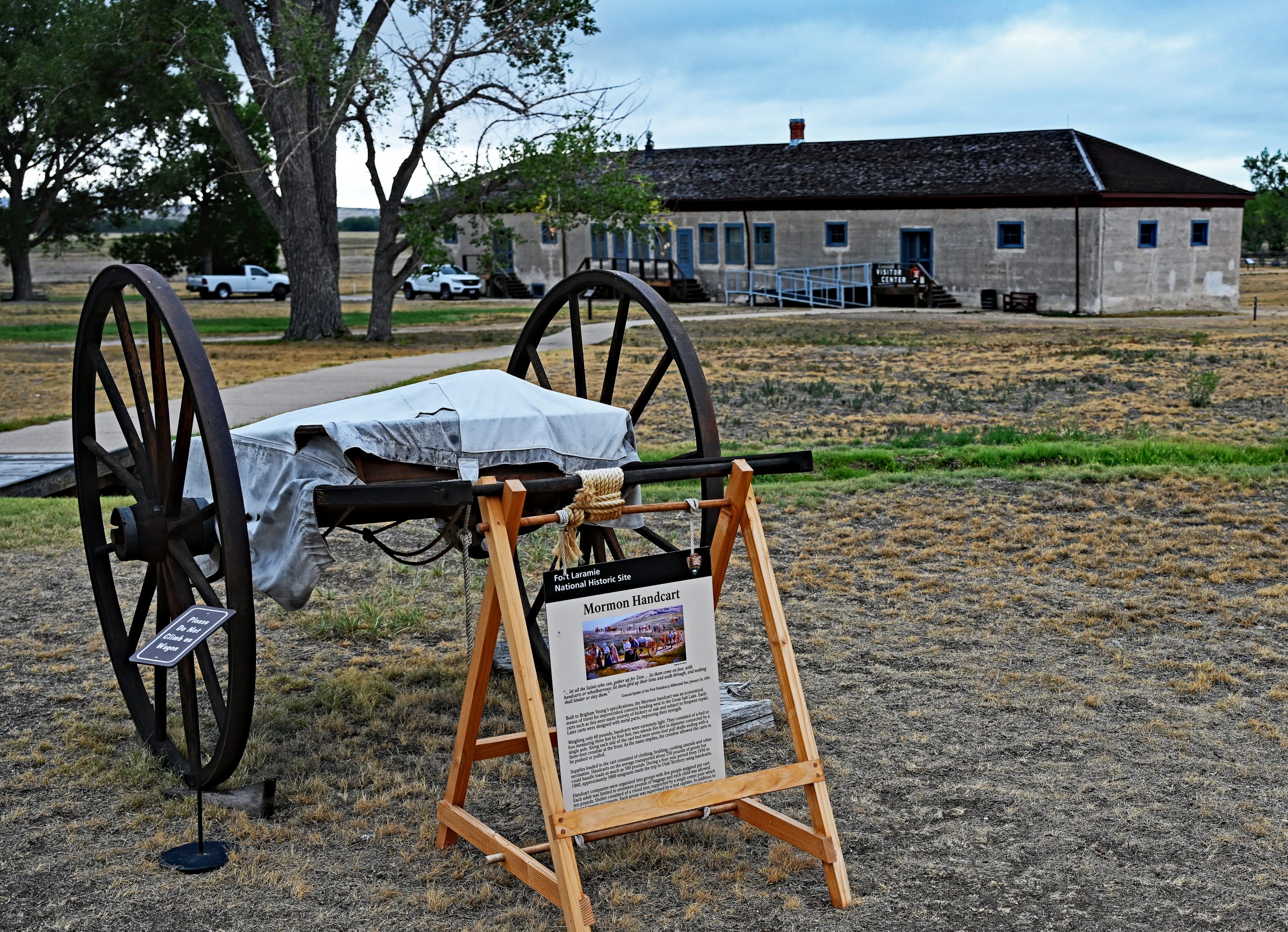
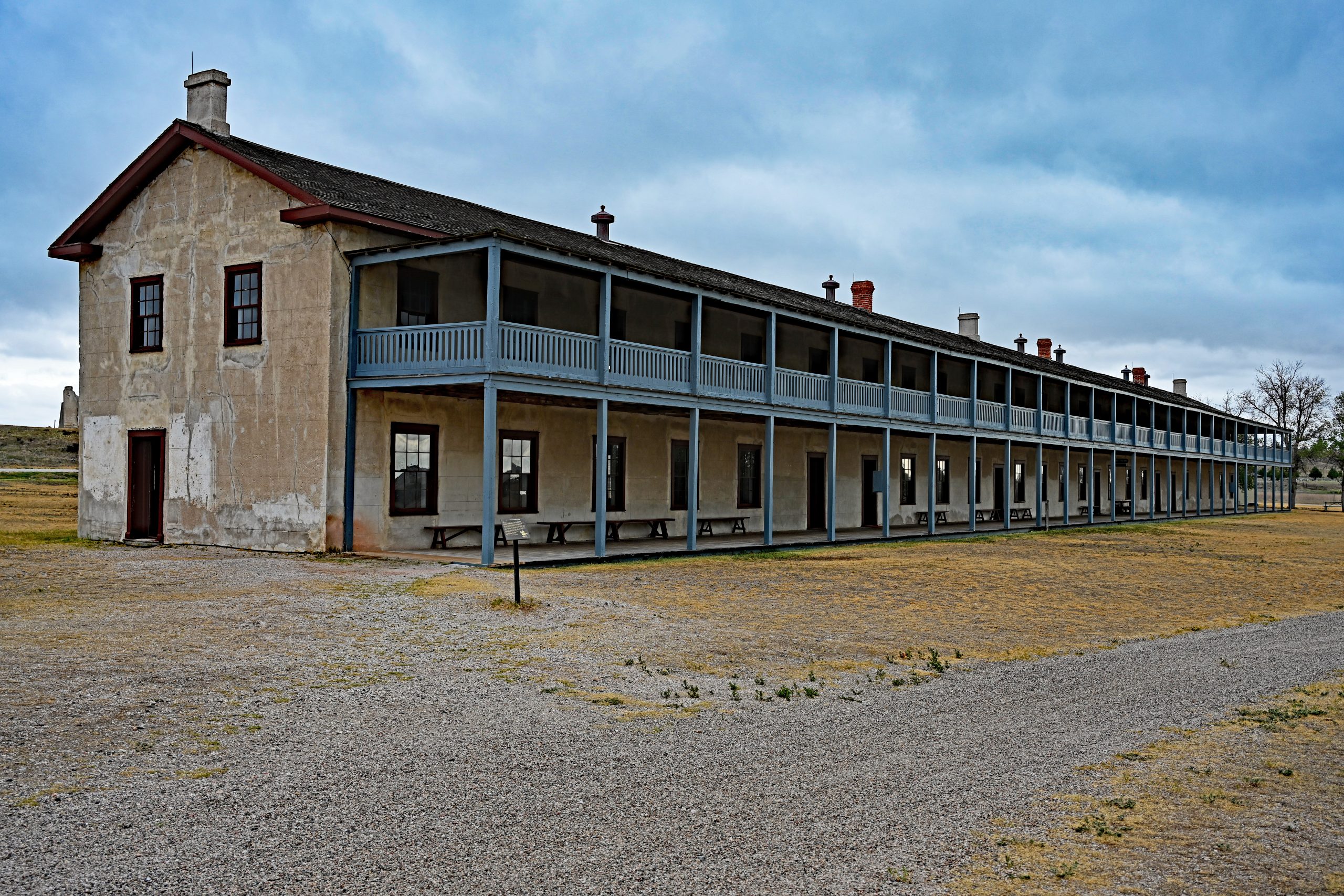
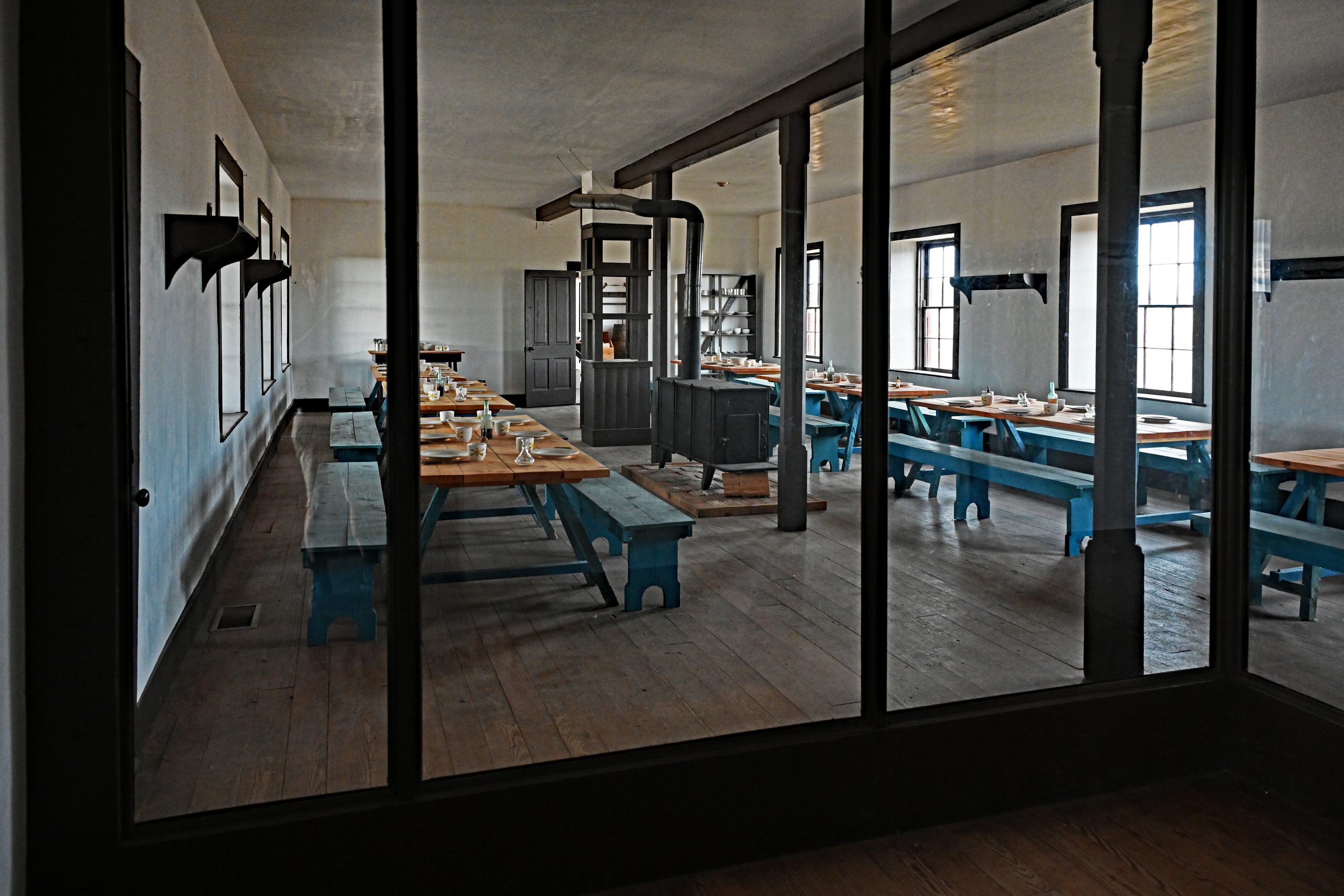
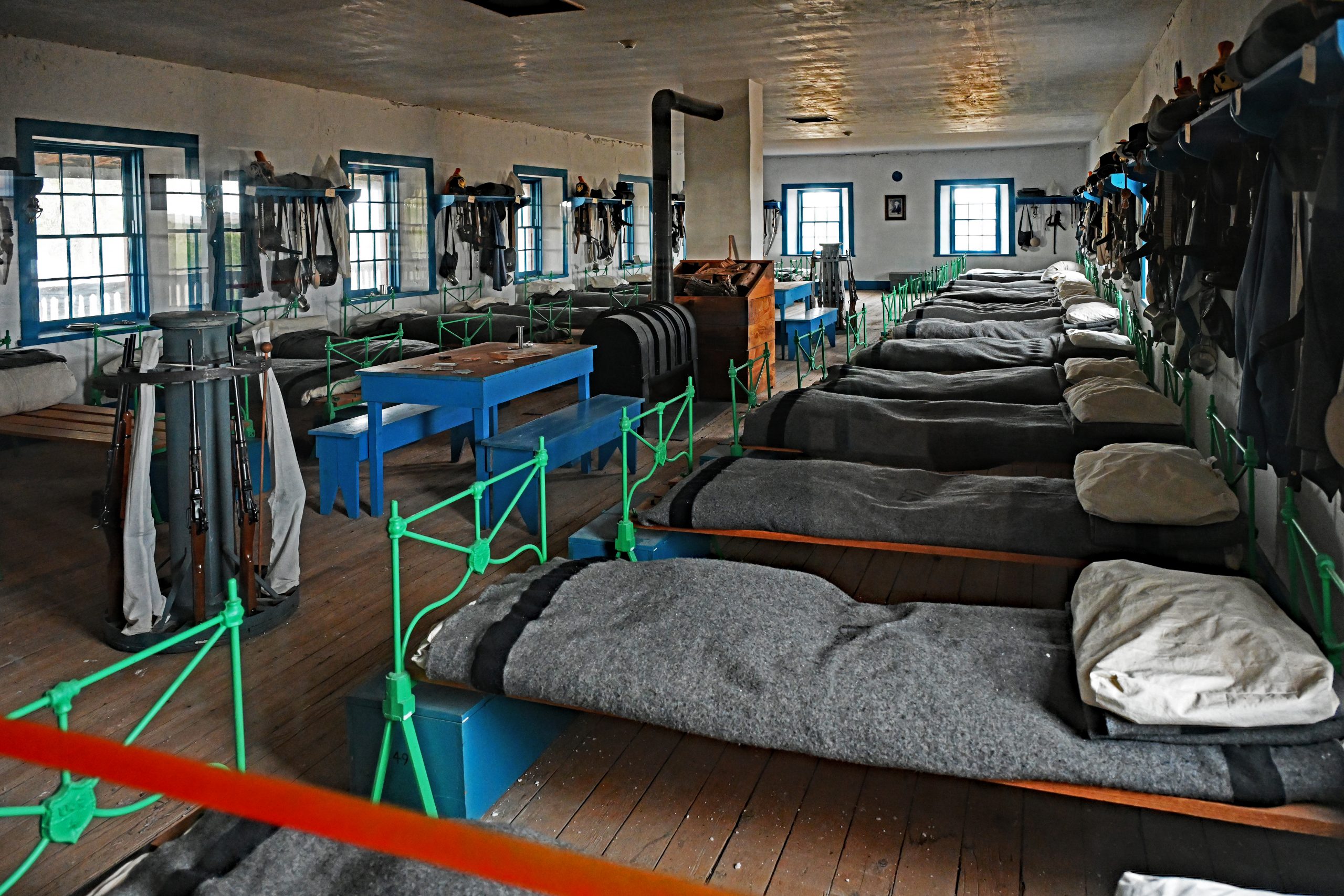
A true architectural highlight is the gigantic Cavalry Barracks, built in 1874. The elongated barracks building, in front of which a historic Mormon handcart is displayed today, provides a tangible picture of the strictly regulated daily life of the soldiers. A glance through the protective glass panes into the interior reveals the stark, functional symmetry of that era: on the ground floor, the wooden tables and benches of the Mess Hall line up, while the upper floor served as a massive dormitory. Dozens of beds with their green iron frames and gray wool blankets stand meticulously lined up here—there was absolutely no trace of privacy for the soldiers.
The Harsh Everyday Life of the Cavalry
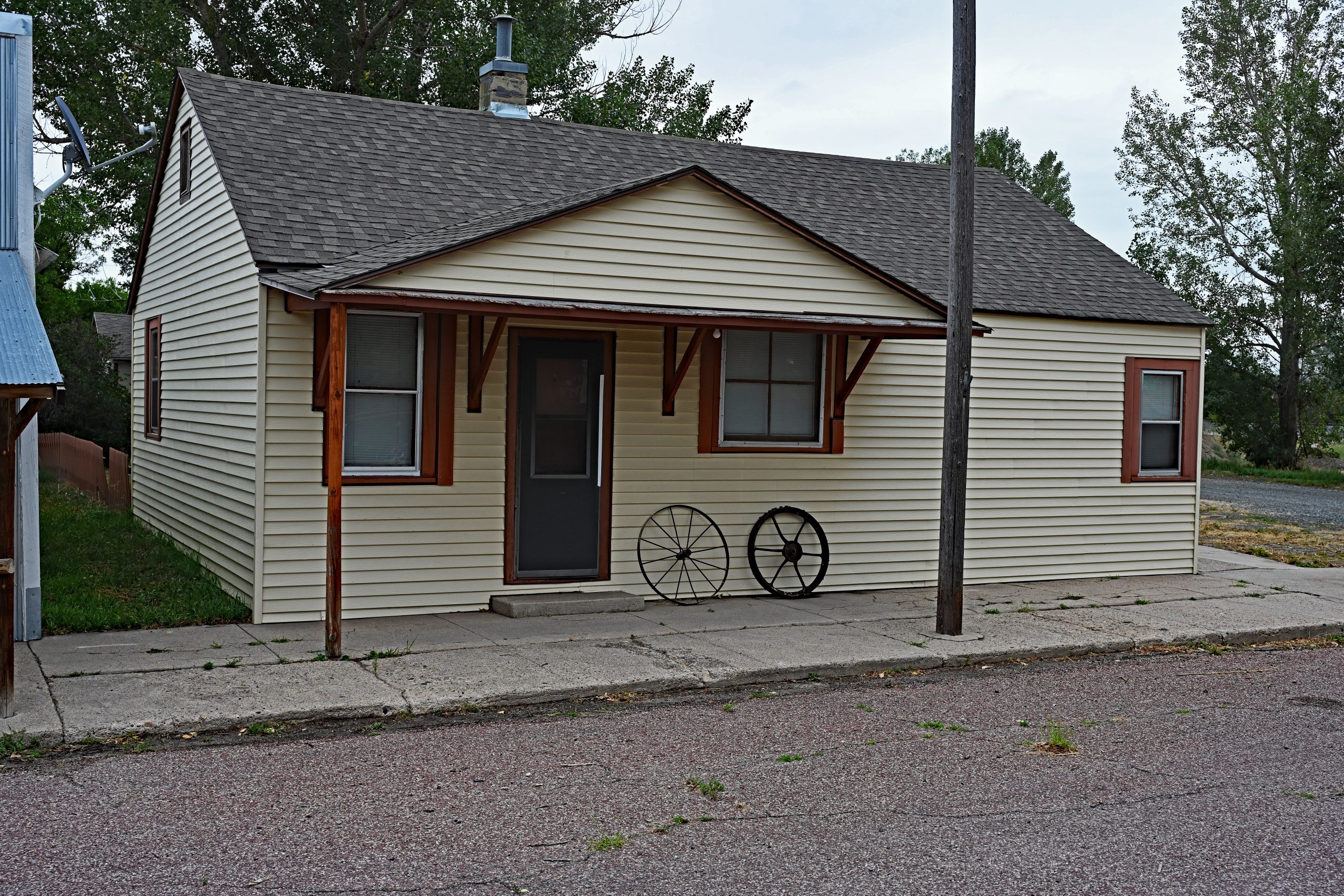
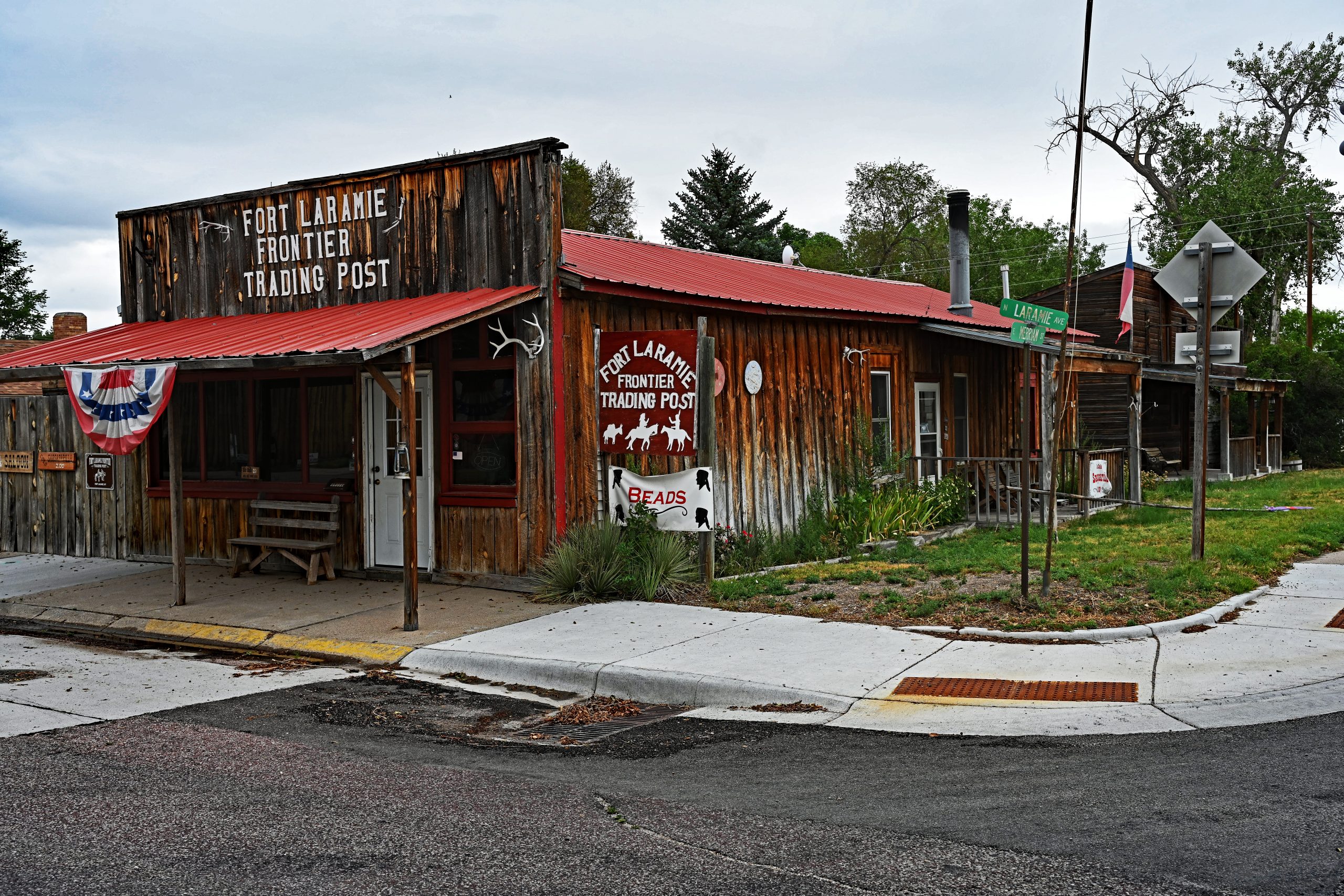
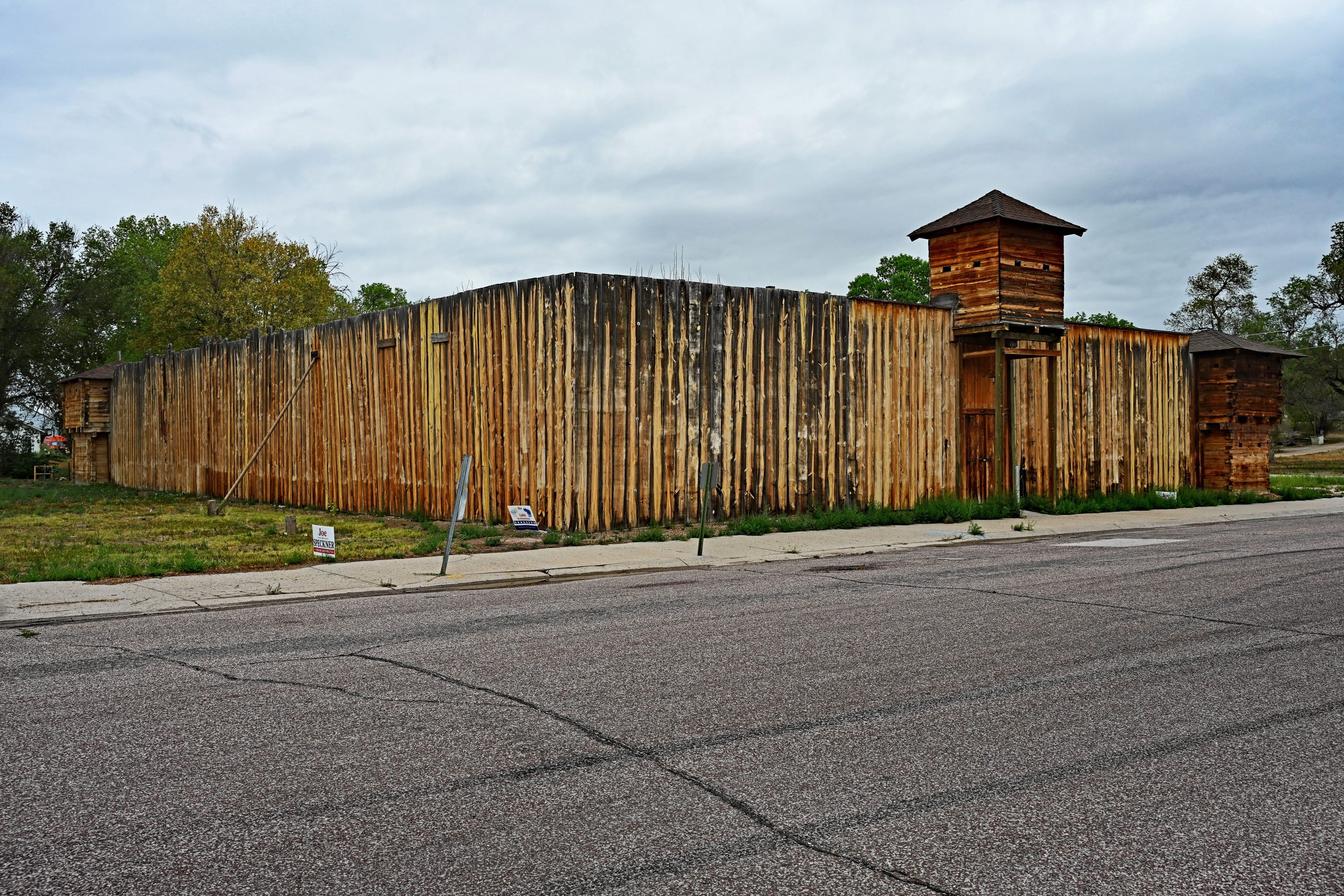
After leaving the official historic site, I am drawn into the adjacent, quiet town of Fort Laramie. Here, the nostalgic journey through time continues seamlessly. Alongside classic wooden houses in a rural Western style, the Frontier Trading Post on a street corner is particularly fascinating. Its deeply darkened old-wood facade and bright red tin roof exude pure, deliberate Wild West charm. The crowning finale is an impressive replica of the very first wooden palisade fort from 1834. With its defensive walls and the watchtower above the gate, it brings to mind just how vulnerable the first fur traders once were in this endless, wild landscape.
Nostalgia and Origins in the Town of Fort Laramie