February 29/Mach 1st 2024
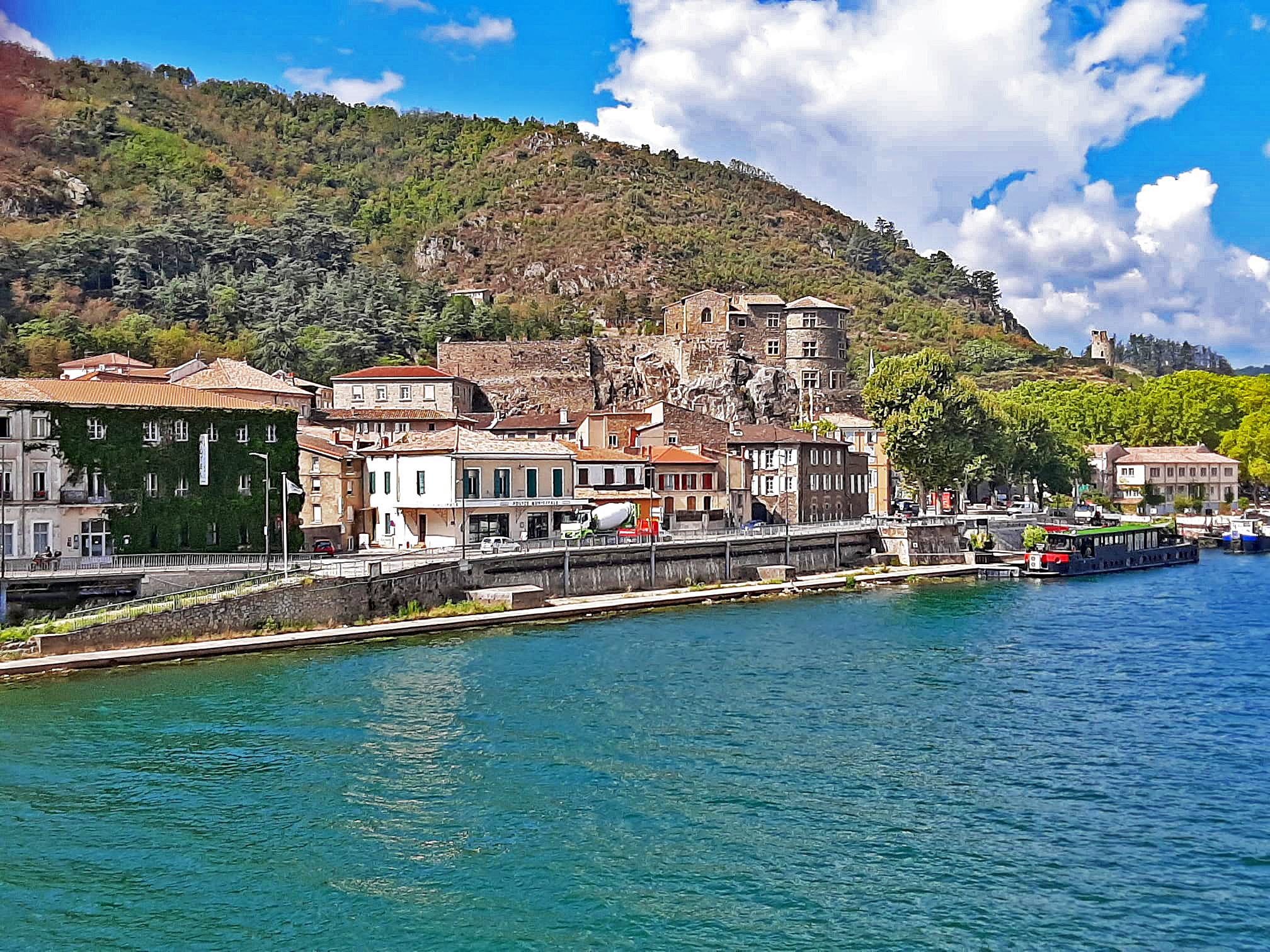
The path finally leads away from the metropolises, deep into the gentle landscape of the Rhône Valley. Leaving Lyon behind and following the course of the river southward, you reach the picturesque town of Tournon-sur-Rhône. Here, the view opens up, breathing the tranquility of the province. Along the banks of the mighty river, whose waters flow quietly here, historic rows of houses crowd closely together. Above them, perched unapproachably on a rugged, grey granite cliff, stands the Château de Tournon. With its massive defensive walls and towers dating back to the 15th and 16th centuries, it looks like a stone guardian overlooking the valley. A river cruise ship lies lazily at the quay, while high up on the opposite ridge, a small watchtower juts into the sky. It is a place of contrasts, where the raw nature of the Massif Central meets the gentle, sun-drenched wine terraces of the region—a perfect, peaceful conclusion to a journey through the eras.
Historic charm on the Rhone – Tournon-sur-Rhône
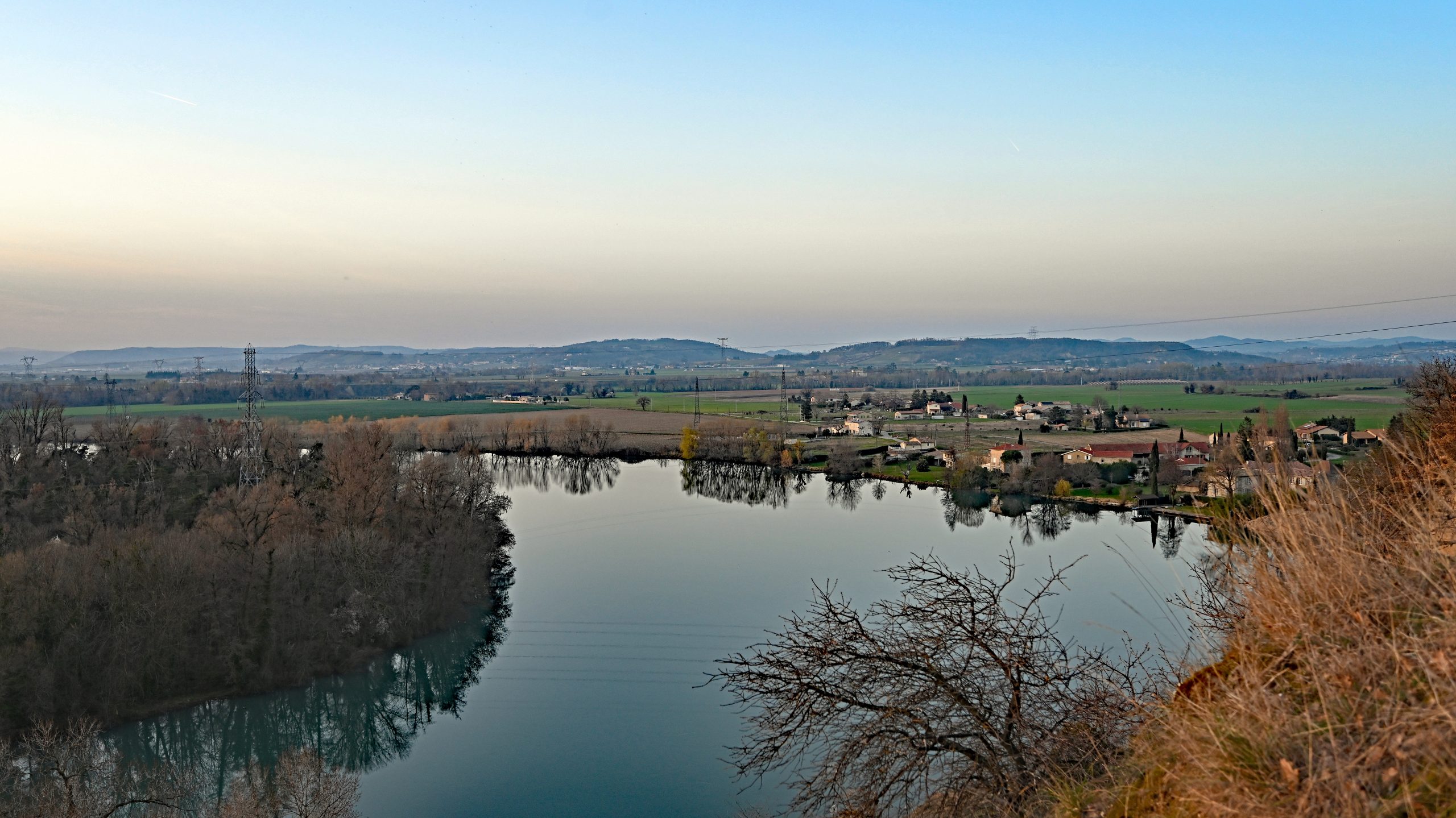
Yet the journey is far from over. Just half an hour later, I am drawn up into the hills of the Drôme. Near Châteauneuf-sur-Isère, the Butte du Châtelard rises from the plain, a small mountain that I climb along a narrow path. Once at the top, a vast river landscape unfolds. Here, the Isère describes an elegant, wide loop, gliding with stoic calmness past dense, wooded banks and the flat, red-tiled roofs of a rural settlement. The warm, soft light of the late afternoon lies like a golden veil over the distant chain of hills on the horizon.
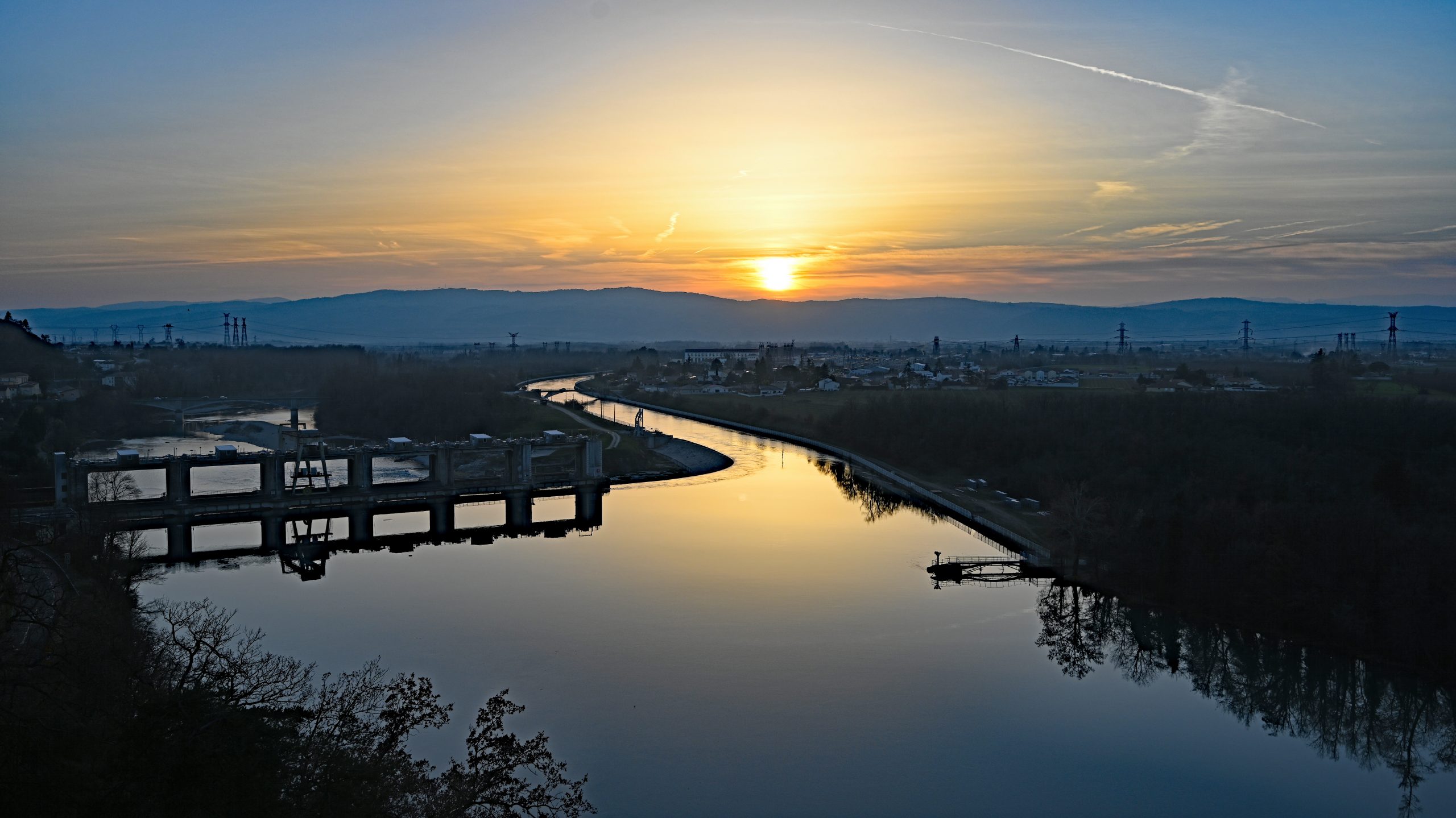
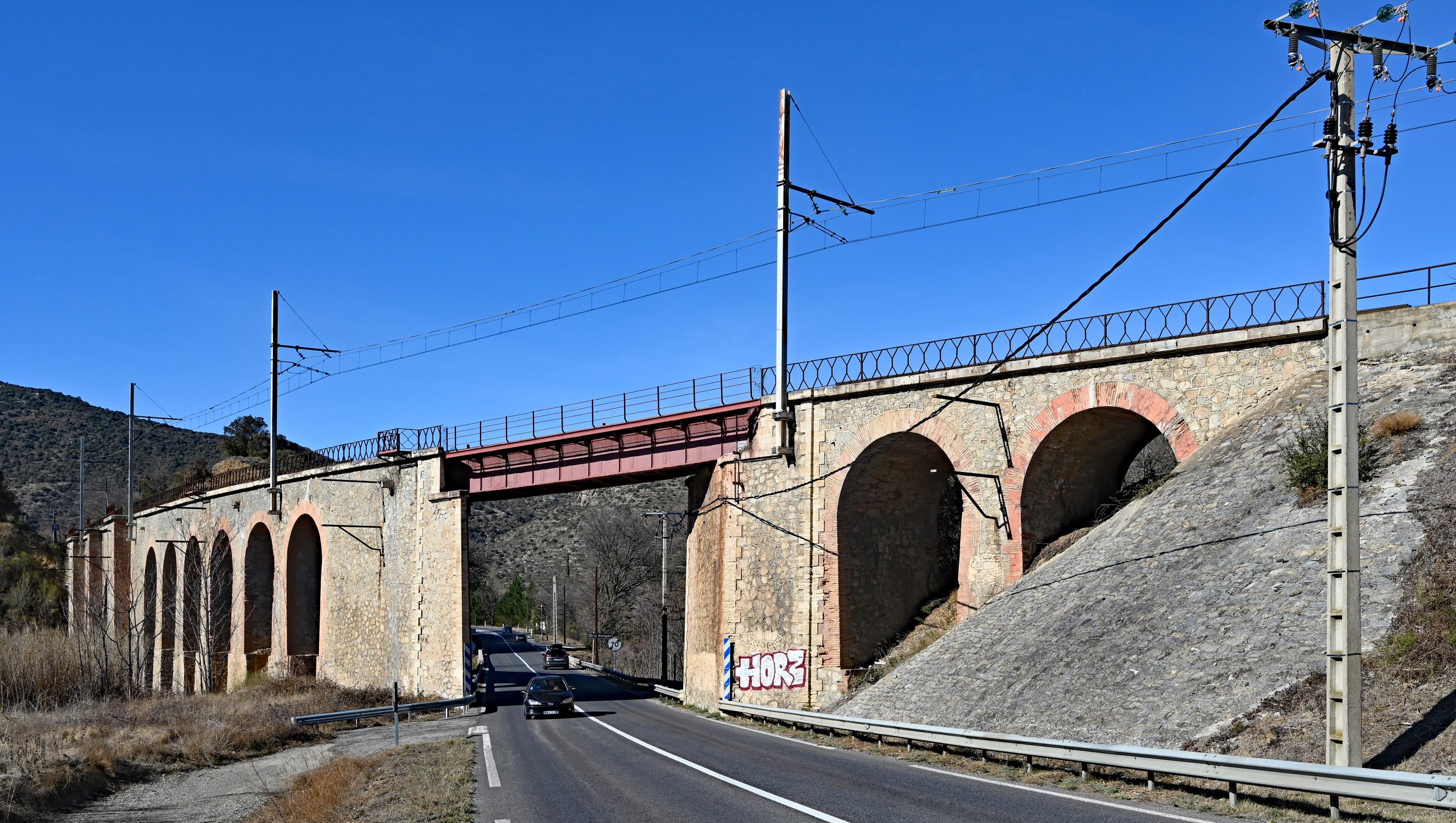
I turn around and look to the west. Only a minute earlier, the low-lying sun was positioned exactly over the spectacular dam of Châteauneuf-sur-Isère. This historic structure tames the rushing waters, while an artificial canal branches off dead straight to the right. On the mirror-like surface of the reservoir, the sky burns in flaming colours—a memorable moment of perfect symmetry and peace, before the road carries me further, past an old railway viaduct that boldly spans the country road with its heavy masonry stone arches and a central, red steel girder.
Impressions from the Drôme Valley
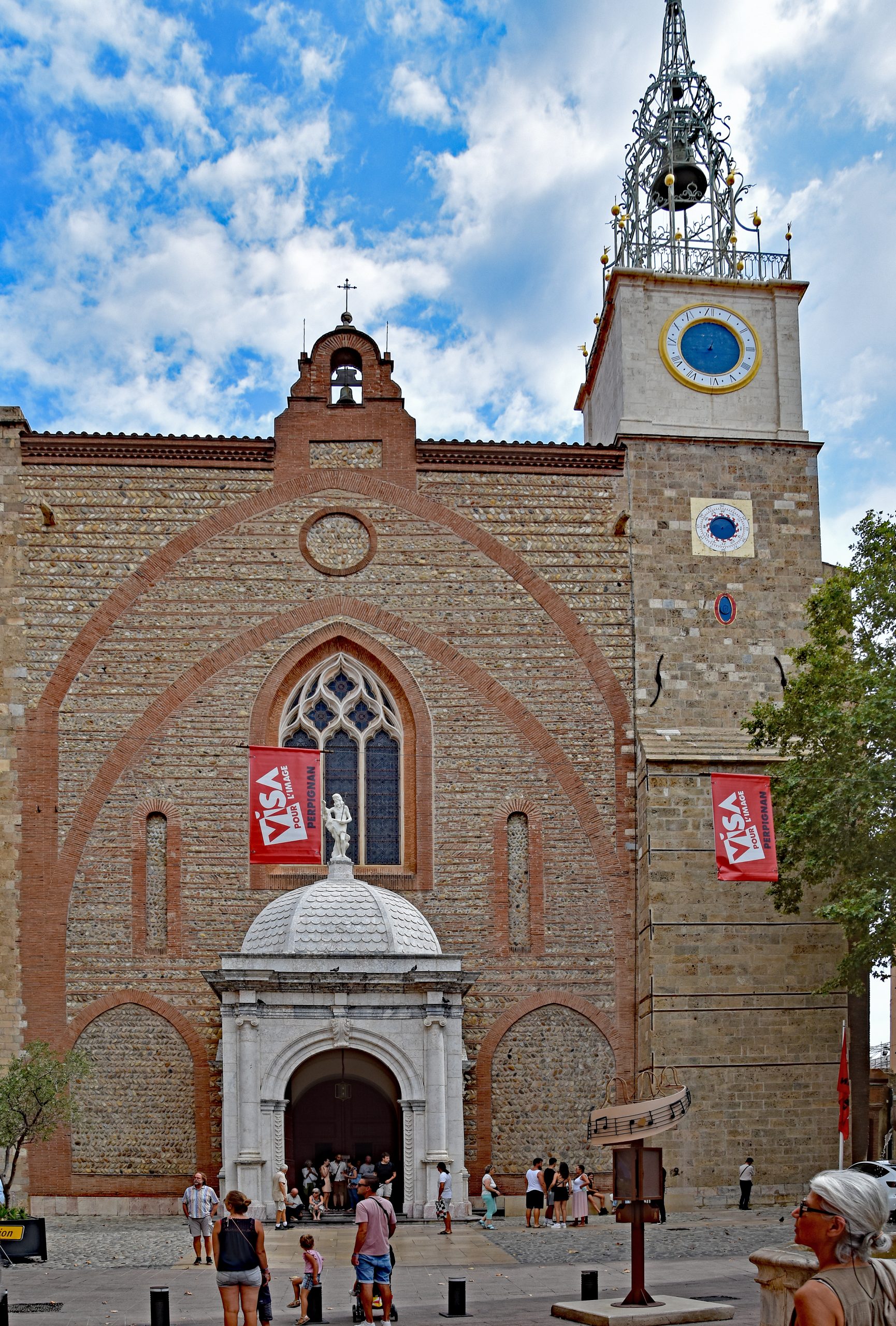
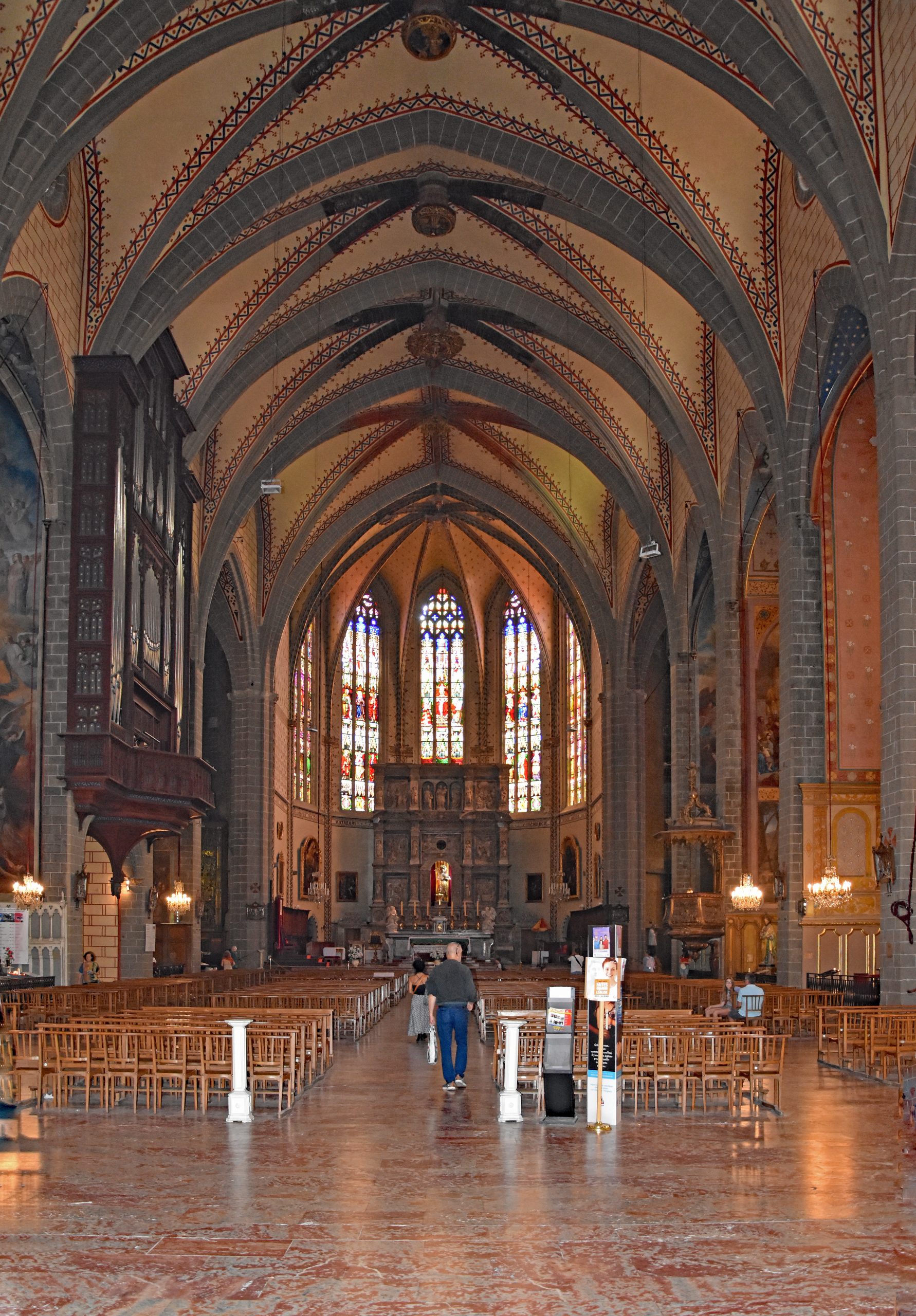
The journey makes a massive leap southward, into the history-steeped Roussillon region. The first stop is Perpignan, a city where the Catalan soul can be felt at every corner. In the middle of the lively alleys of the old town, you suddenly find yourself in front of the monumental west facade of the Basilique-Cathédrale Saint-Jean-Baptiste. Its exterior fascinates with the typical contrast of red bricks and rounded river stones, overlooked by a delicate, forged iron campanile that stands out sharply against the azure sky. Stepping through the portal, you are welcomed by the solemn silence of one of the widest gothic naives in France. Not a single pillar breaks the view through this vast expanse, which leads straight to the richly decorated chancel, while on the left, the monumental 16th-century organ with its magnificent wood carvings watches like a silent giant.
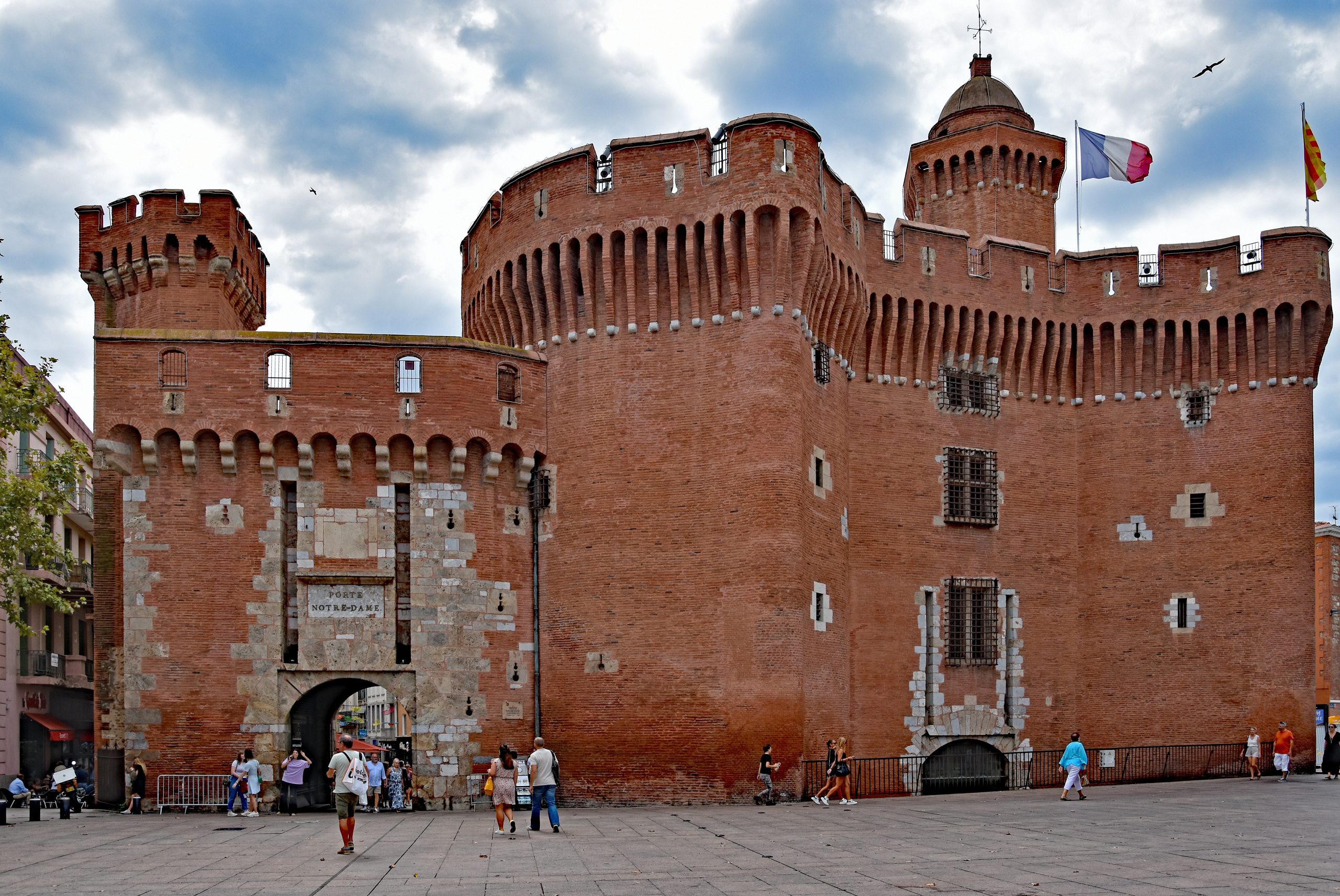
Not far away, the proud landmark of the city shines bright: Le Castillet. The fortified red-brick gate, with its characteristic battlements and small watchtower, tells stories of past times when it still guarded the city boundaries. Today, the French tricolour and the red-and-yellow striped Catalan flag wave harmoniously in the wind above the bustling Place de Verdun.
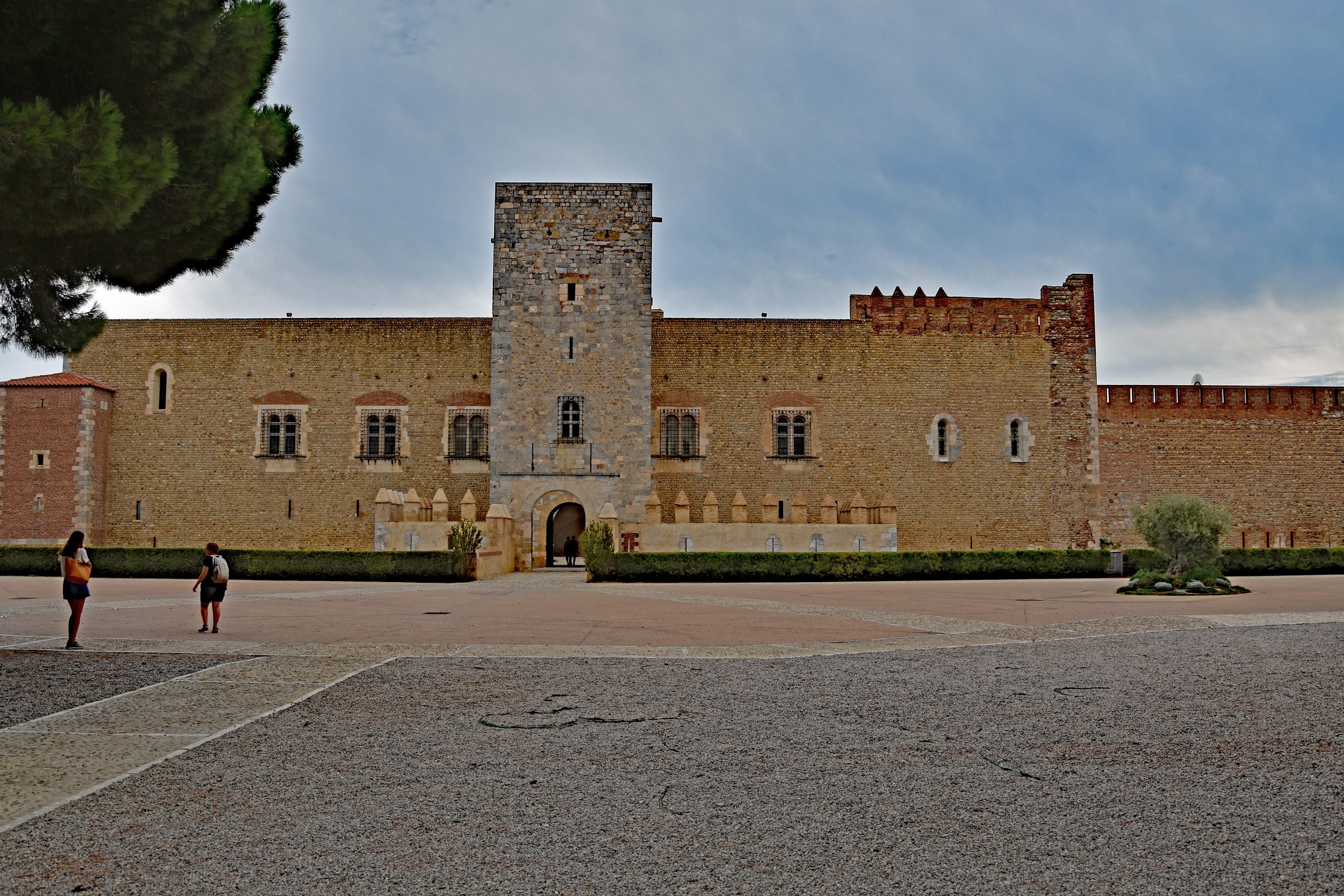
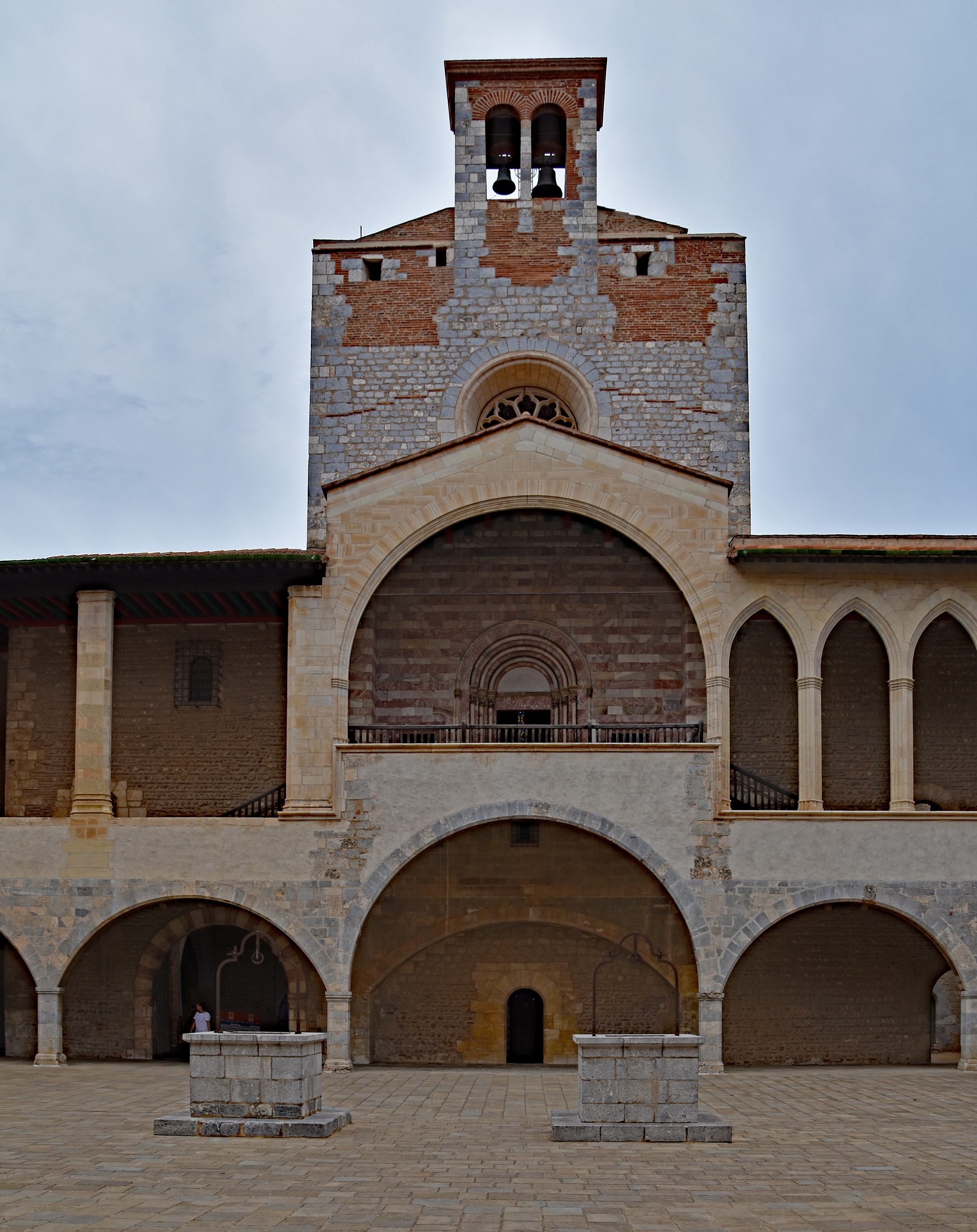
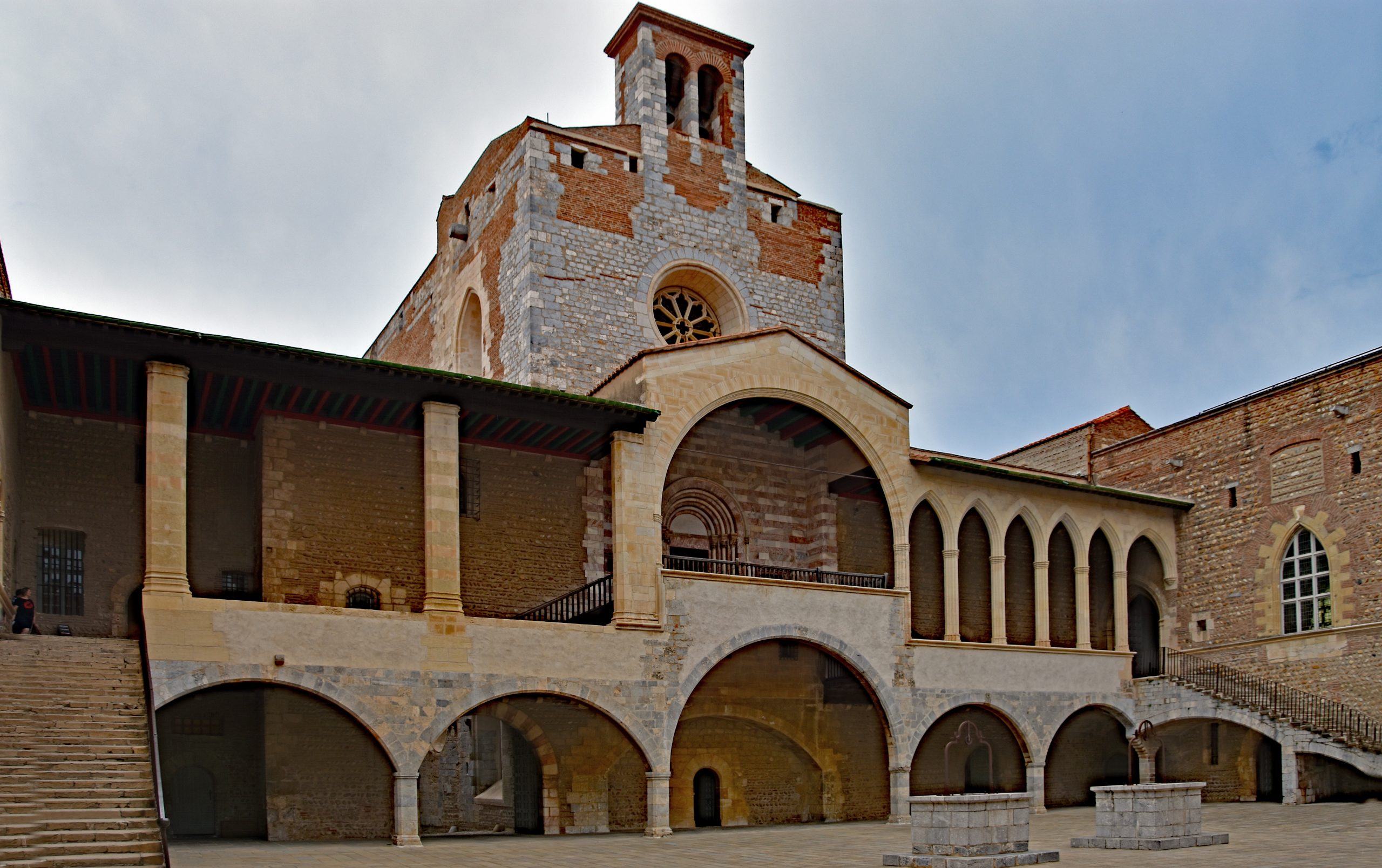
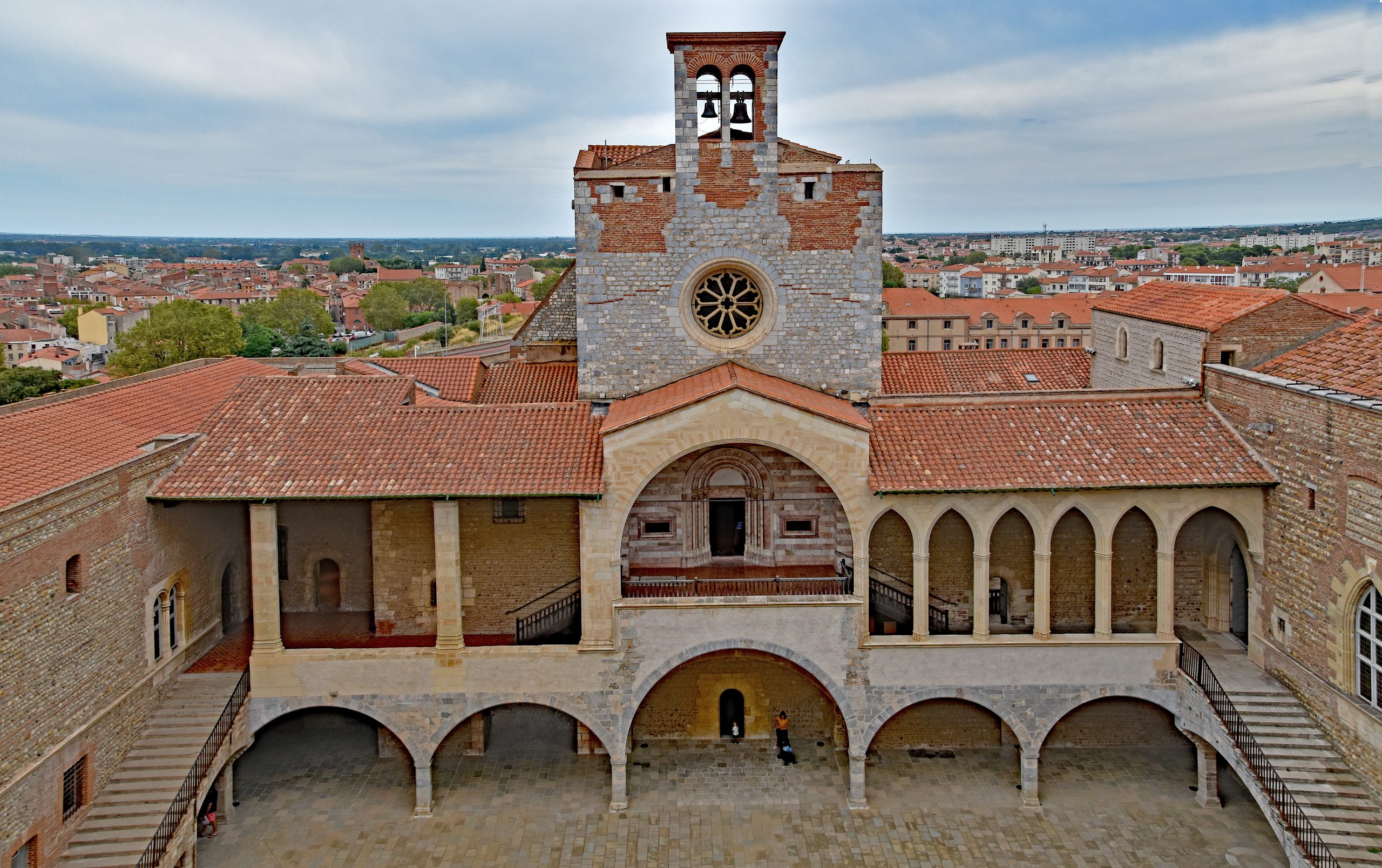
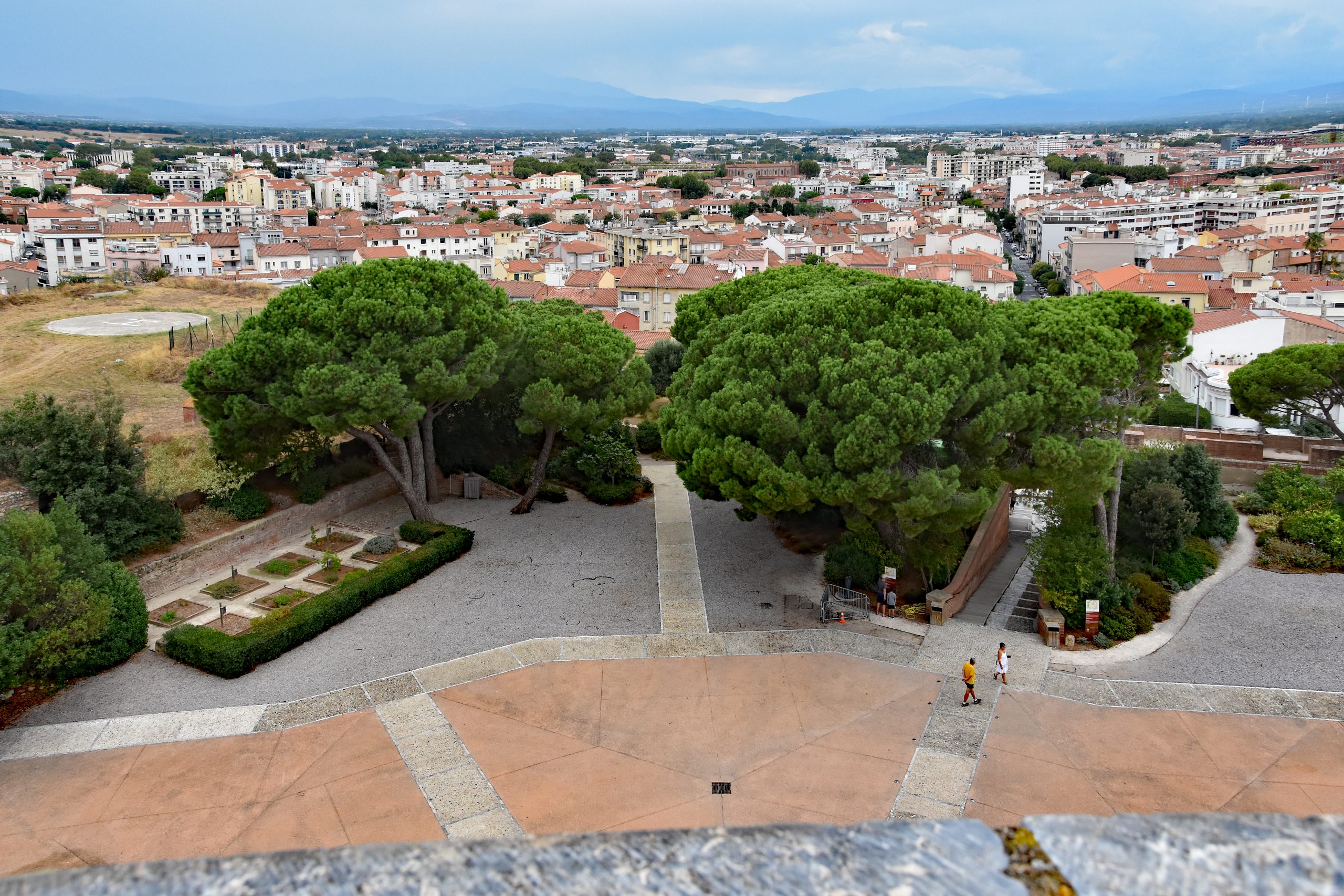
My path leads me further up to the mighty fortress complex of the Palais des Rois de Majorque. Even in the large courtyard of honor, the square Tour de l’Hommage draws all eyes to it. It guards the entrance to an architectural jewel: the two-story inner courtyard. Here, the facade of the royal chapel Sainte-Croix blends into the complex, its upper, Romanesque marble portal crafted from alternating layers of red and white stone. Wide open-air staircases and elegant, gothic pointed-arch arcades invite you to linger. Climbing up onto the ramparts at last, all of Perpignan lies at your feet. The view wanders over the symmetry of the paved inner courtyard, down to the geometrically arranged palace gardens with their deep green Mediterranean pines, and finally reaches far across the sea of houses to the bluish, cloud-shrouded silhouettes of the Pyrenees.
The Historical Heritage of Perpignan
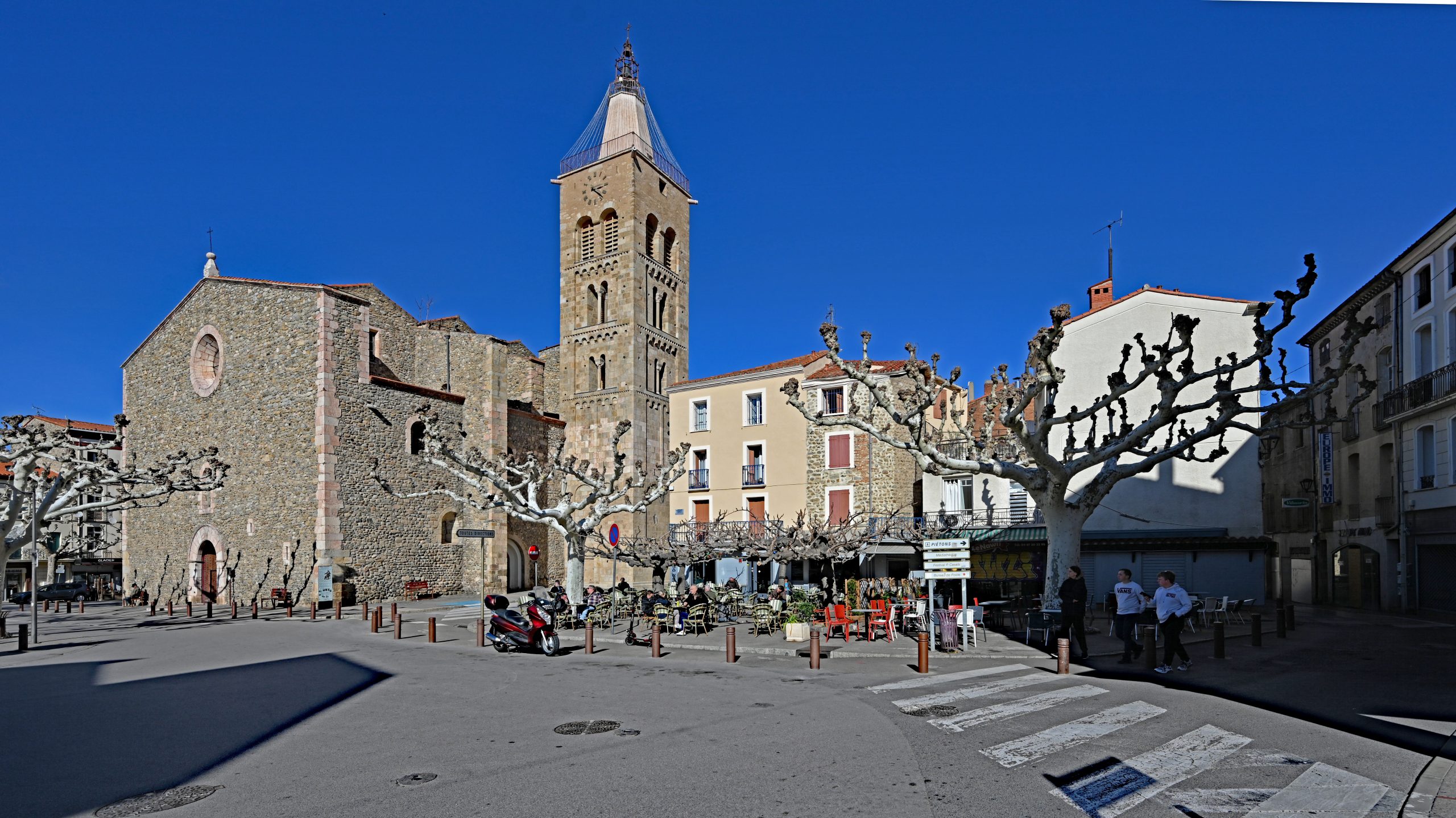
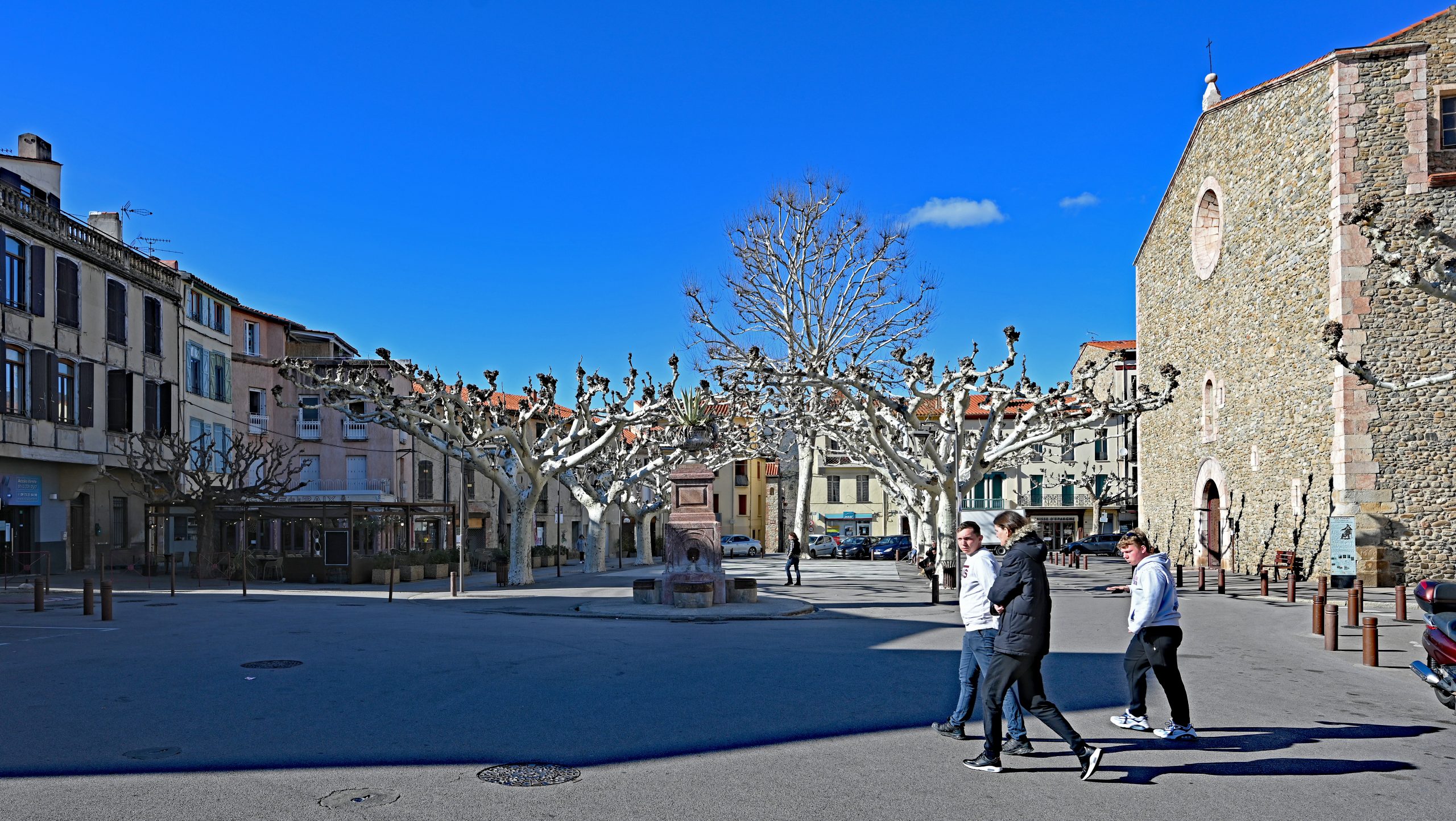
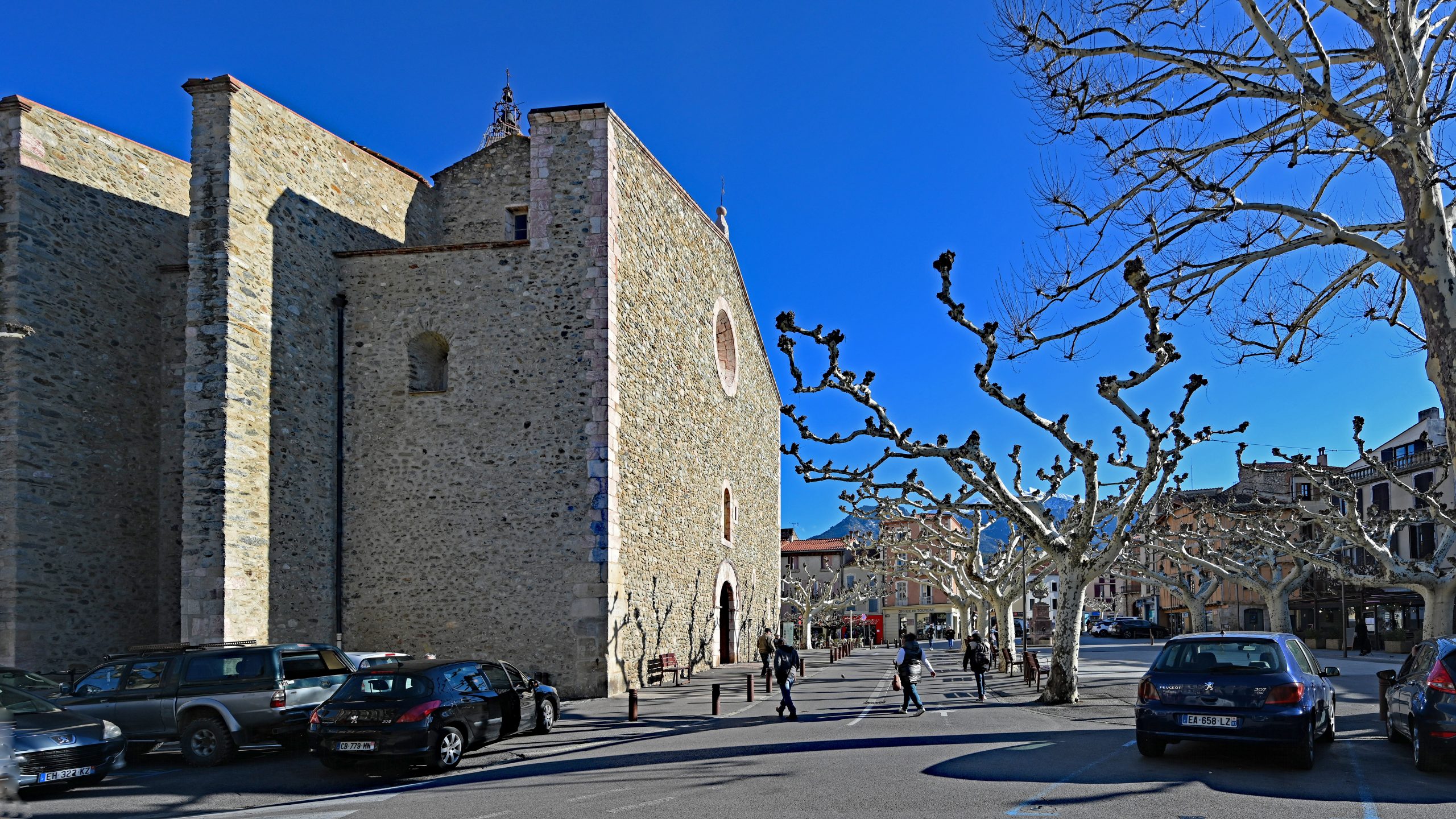
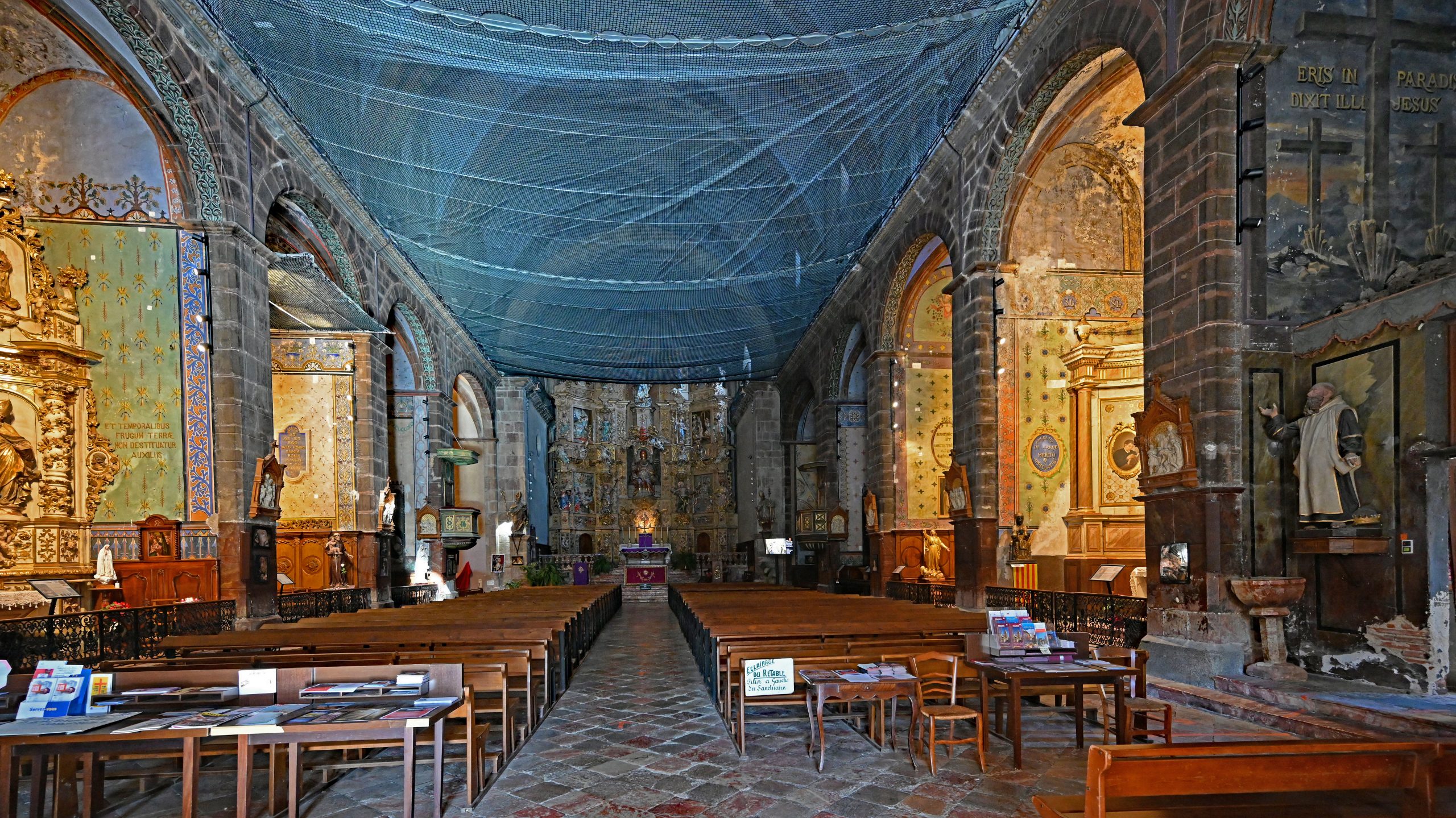
Following the call of the mountains, I reach Prades in the heart of the Conflent. A spirit of southern French serenity fills the lively Place de la République; people sit in the shade of the striking, yet leafless plane trees in front of the cafés. Right next to them rises the Église Saint-Pierre. Walking along its rough outer wall, joined from coarse natural stone, you feel the historical heritage of this place. Inside, a baroque splendor unfolds that is second to none: a huge, golden altar retable dominates the nave, which is currently spanned by a delicate protective net—though this does nothing to diminish the spiritual atmosphere.
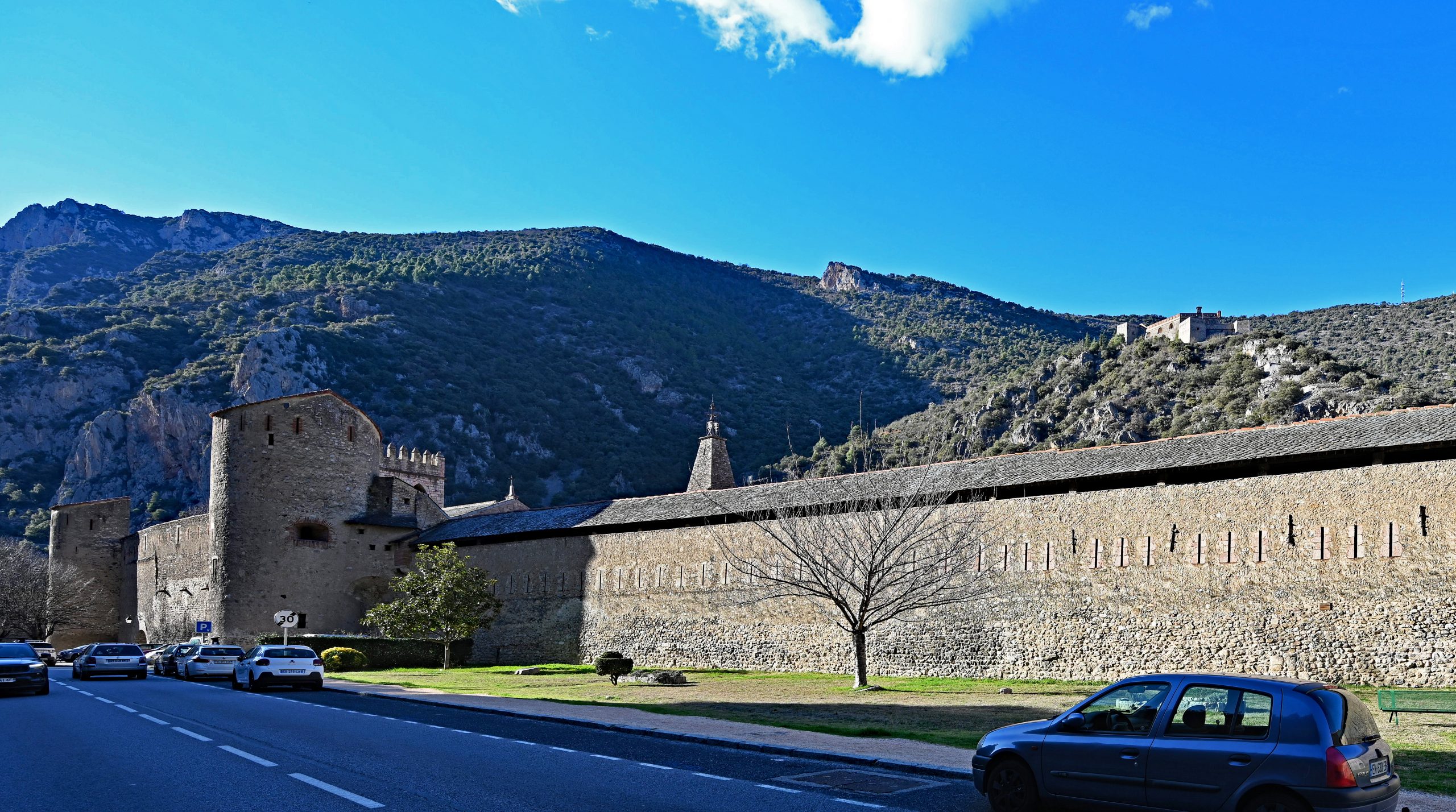
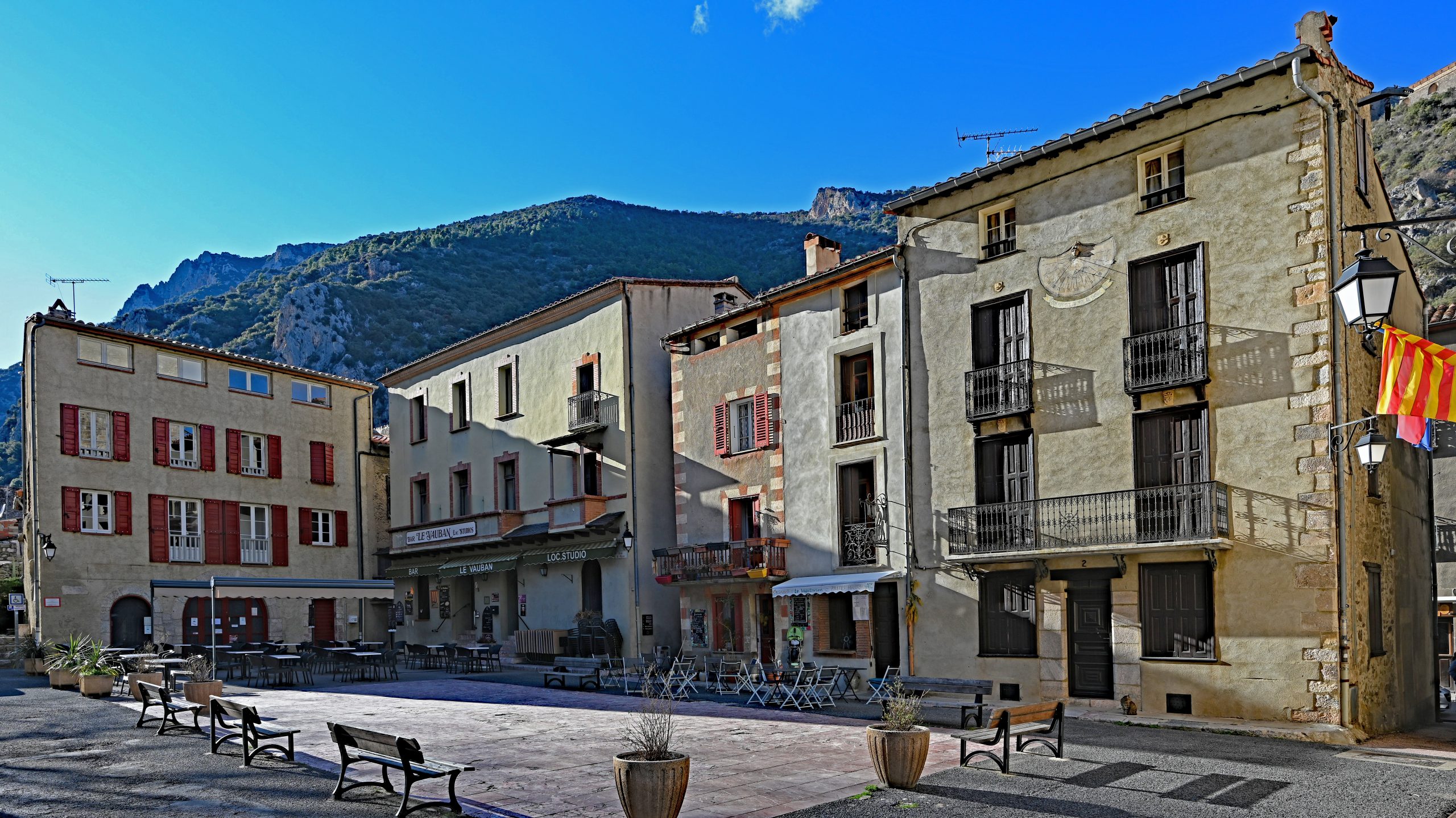
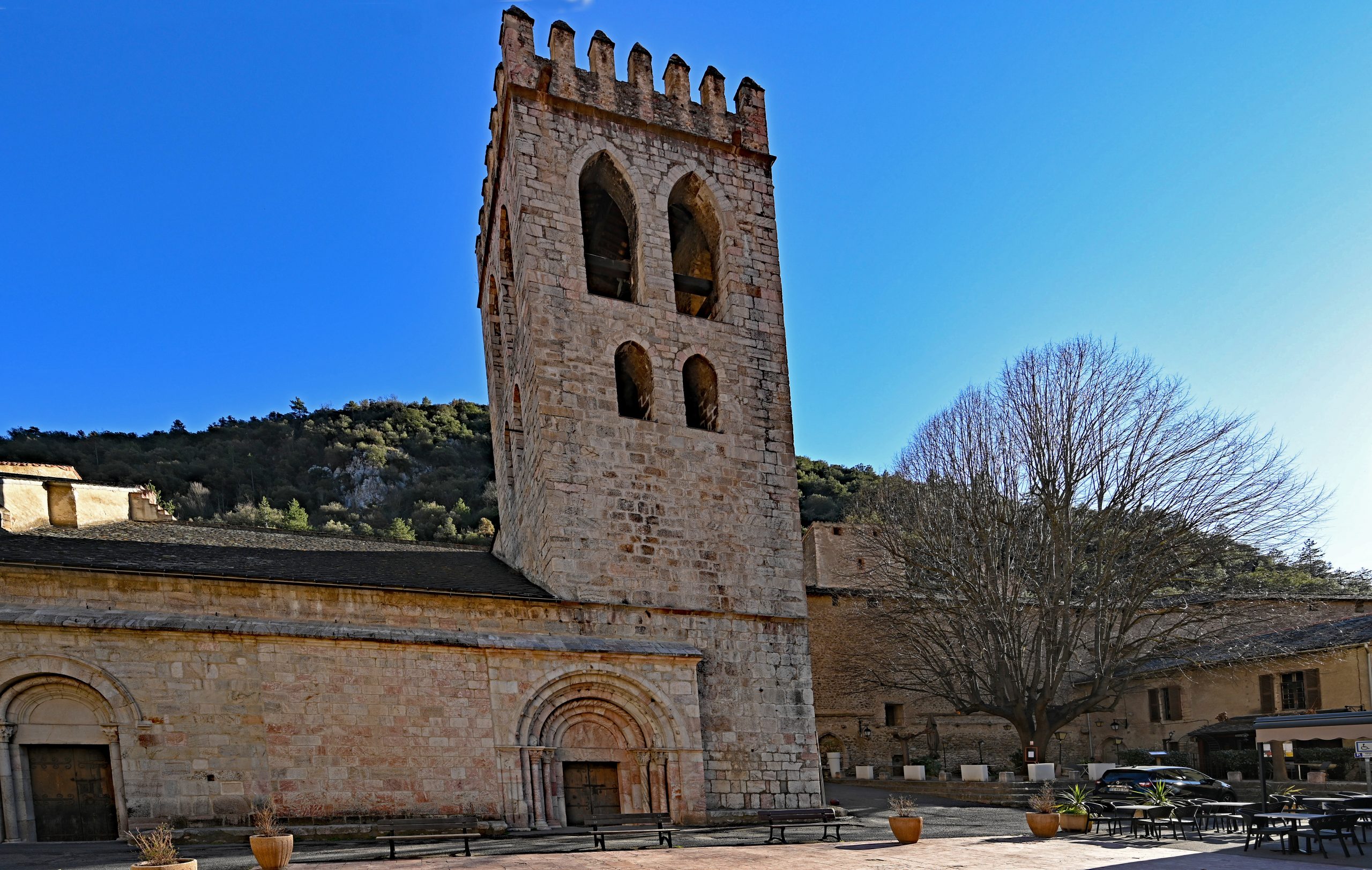
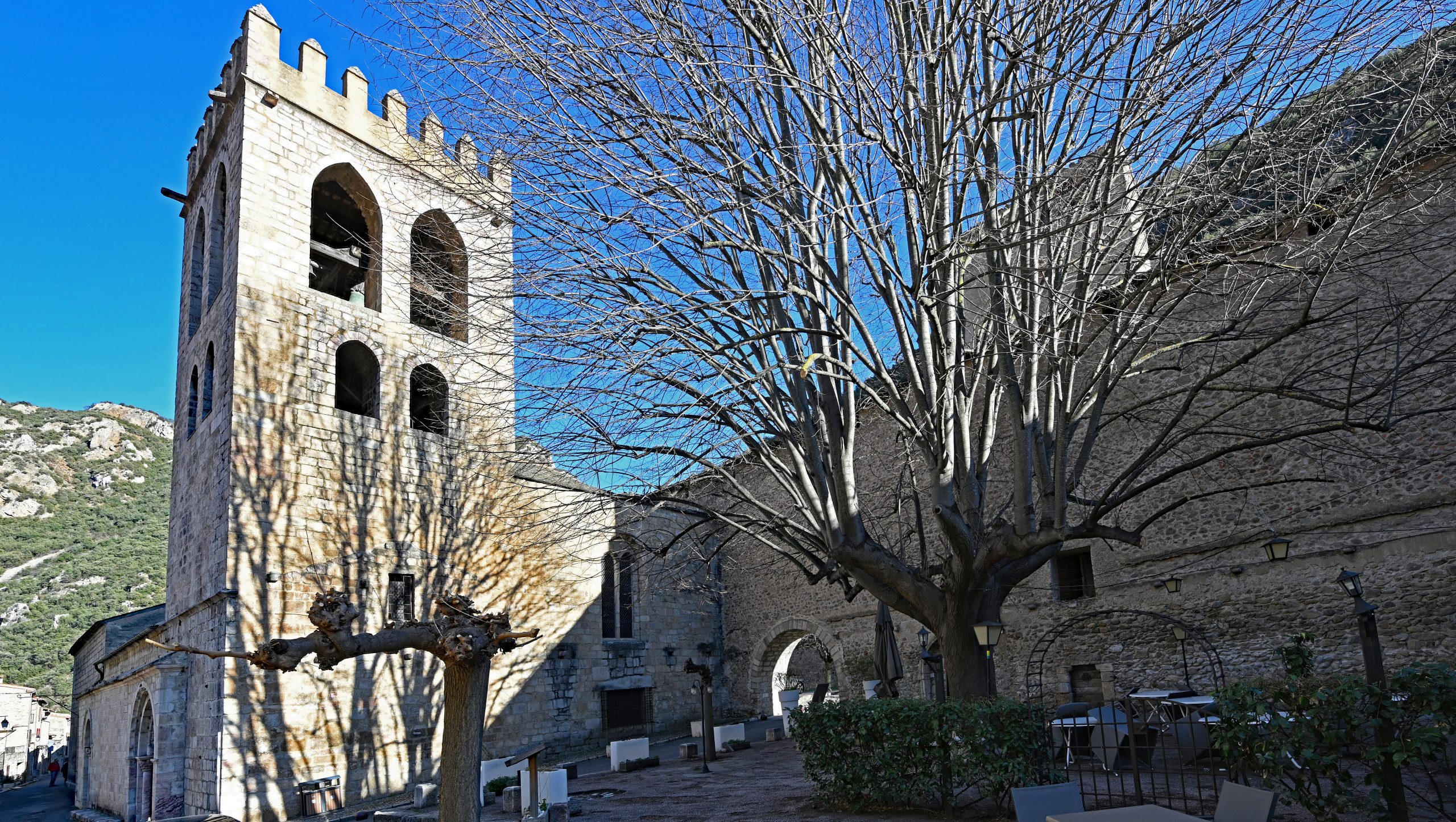
Just a few kilometers further up the valley, the terrain narrows and I reach the town of Villefranche-de-Conflent, entirely enclosed by ramparts. Even from the outer road, the mighty Vauban fortifications with the round Tour du Diable look impressive, while high up on the mountain ridge, the unapproachable Fort Libéria stands tall. Inside the cobblestone alleys, time seems to have stood still. At the picturesque Place de l’Église, an artistic historical sundial casts its shadow onto the house wall, while the steep, wooded slopes of the Pyrenees tower in the background. Right next to it stands the fortified church of Saint-Jacques. Its defensive bell tower and Romanesque portal radiate an unshakeable permanence, especially when the clear winter light casts a lively play of shadows onto the old stone through the bare branches of a large tree.
Encounters in Prades and Villefranche
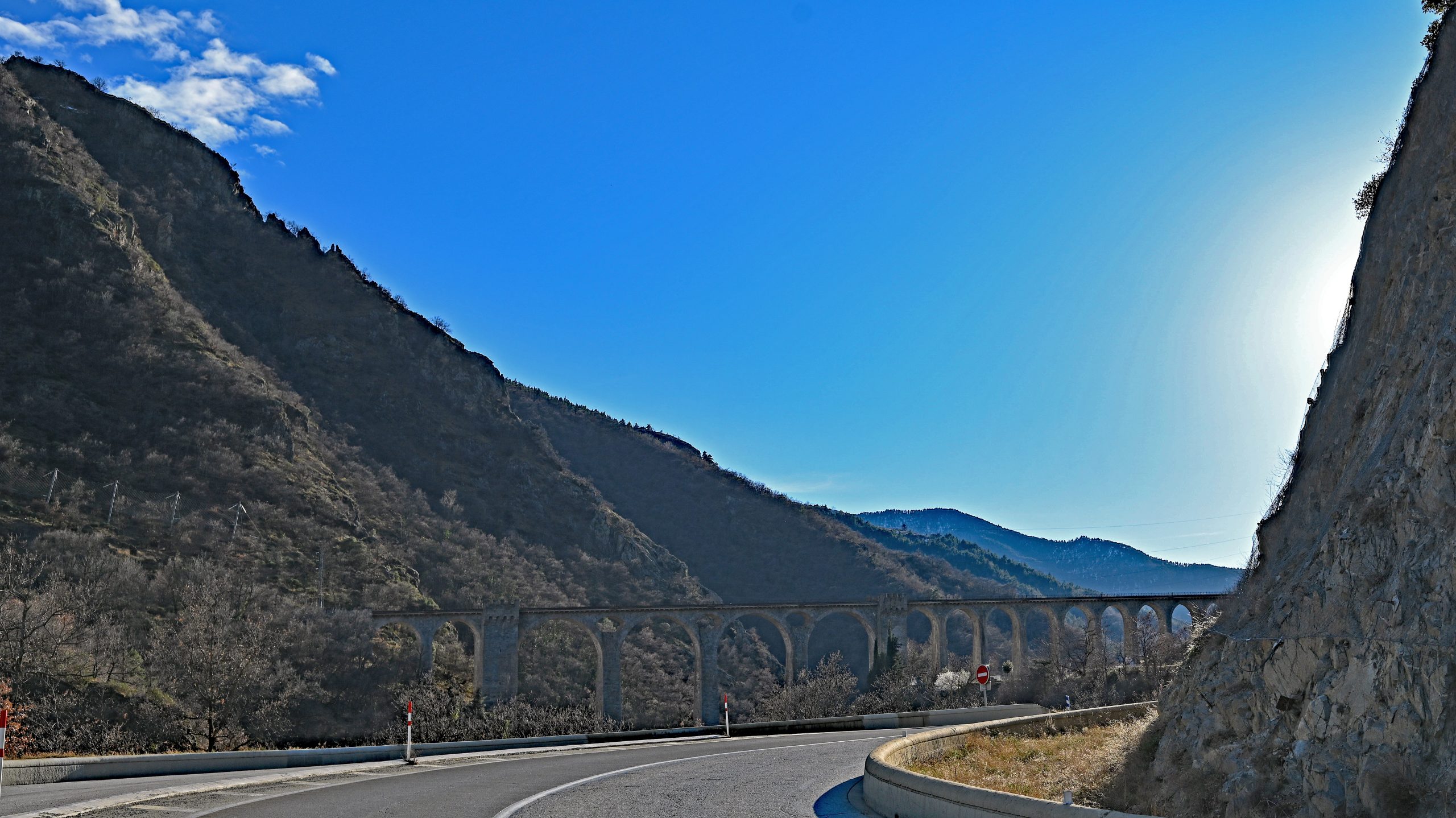
Behind Villefranche, the actual, spectacular ascent into the alpine mountain world begins. The Route Nationale 116 winds in tight curves through the deep gorge of the Têt river. Suddenly, a monumental structure spans the valley: the Pont Séjourné. This two-story stone viaduct is an absolute masterpiece of engineering, built for the famous Train Jaune, which carves its way through the mountains here.
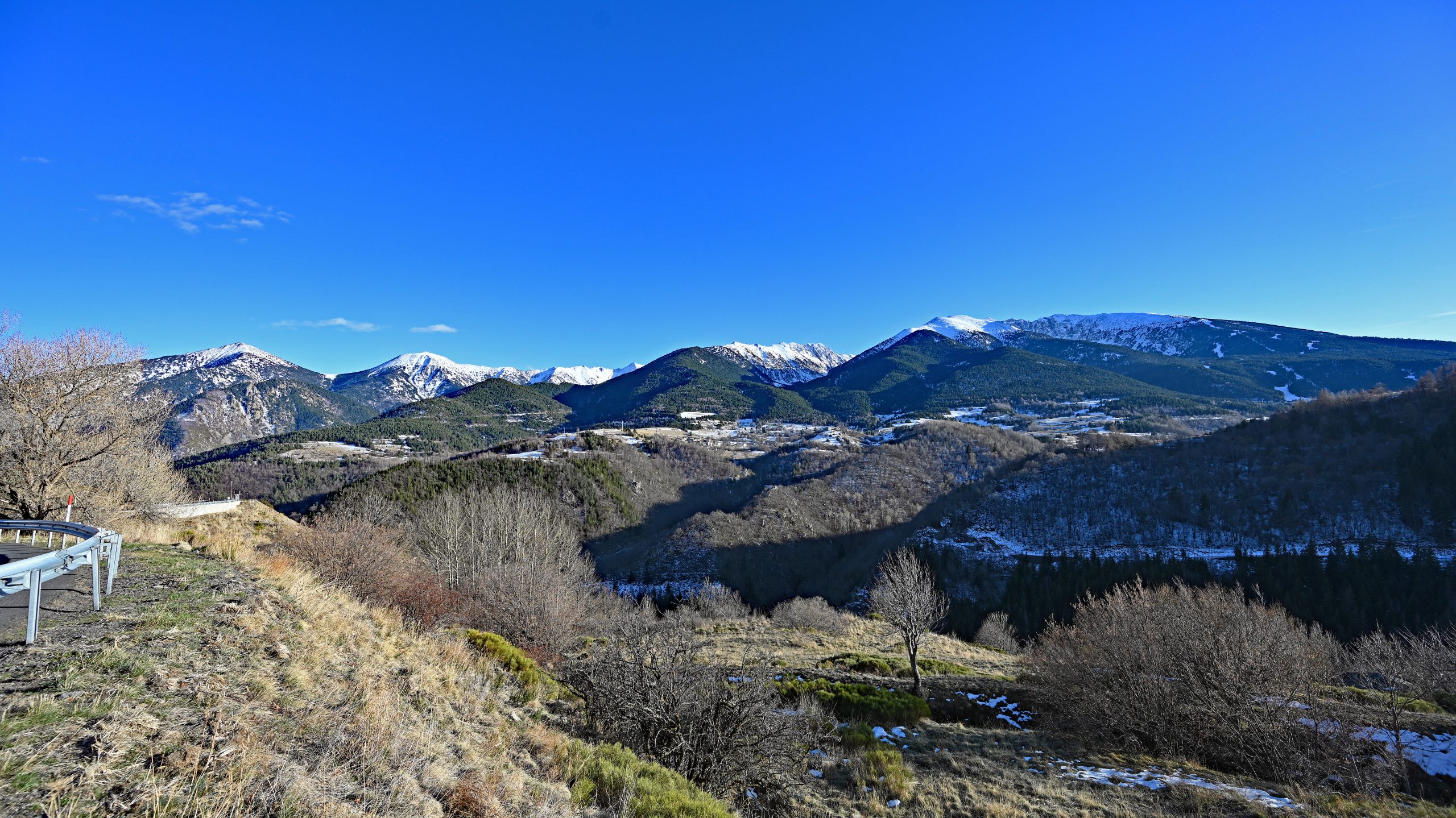
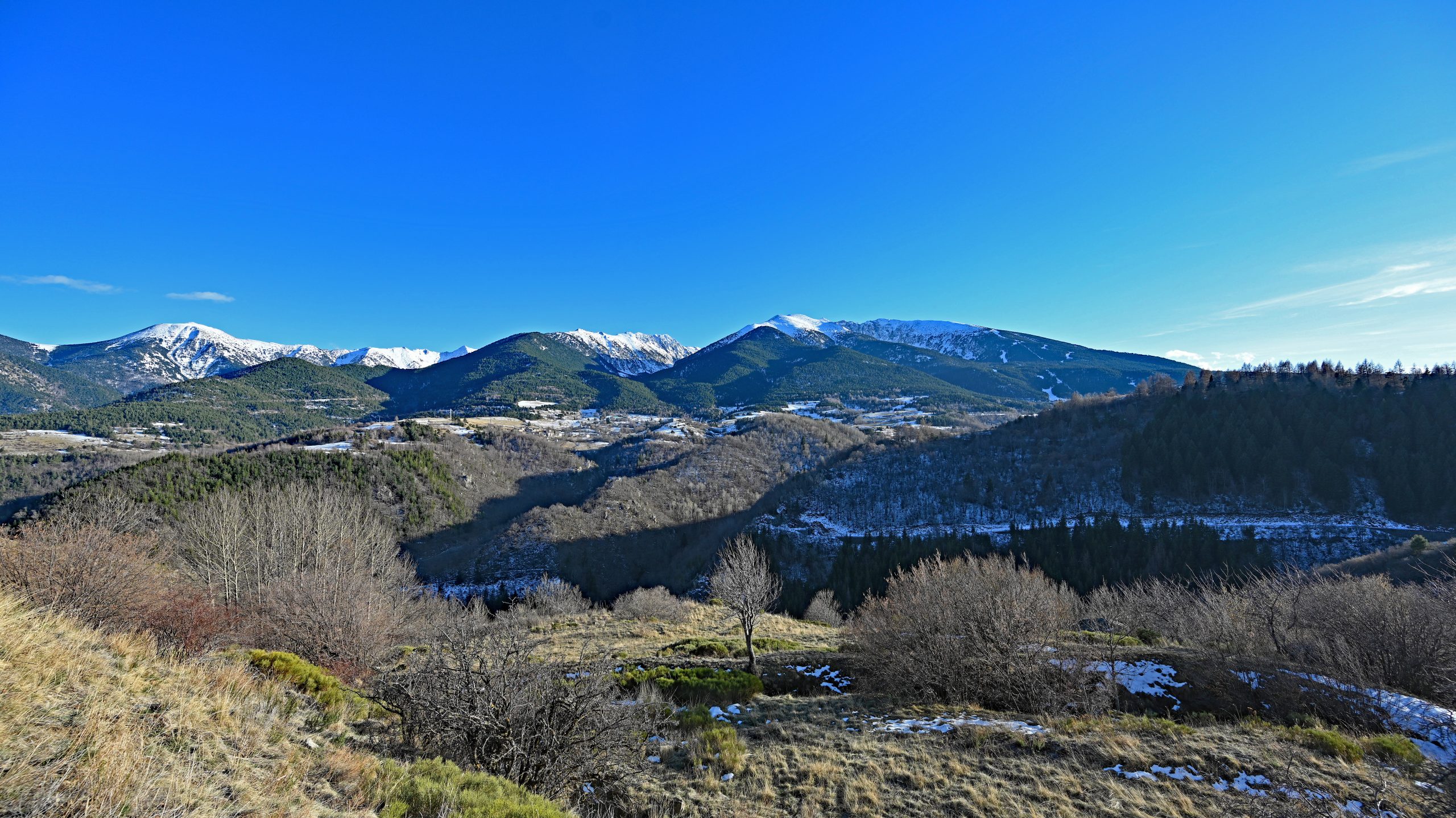
The higher I get, the rougher and more majestic the landscape becomes. Looking back, the wide Têt valley opens up in all its glory. Deep below, the small mountain village of Sauto clings picturesquely to the steep slopes, surrounded by barren mountain meadows. On the horizon, the rugged, mighty peaks of the eastern Pyrenees now rise, already proudly wearing their first white blanket of snow—a sublime, icy greeting to conclude this journey.
The Ascent into the Mountain World