When we traveled to Gdańsk for three days on September 9, 2026, we already knew our time together would be precious. My wife, Hanusia, was leading a two-day workshop there, so we immediately took advantage of our first afternoon to set out on a joint discovery tour. My actual goal was a large shopping mall, as I urgently needed some accessories for my camera. Yet Gdańsk makes it hard to walk straight toward a single destination: barely had we taken our first steps through the Old Suburb (Stare Przedmieście) when monumental brick buildings and historic facades drew us under their spell.
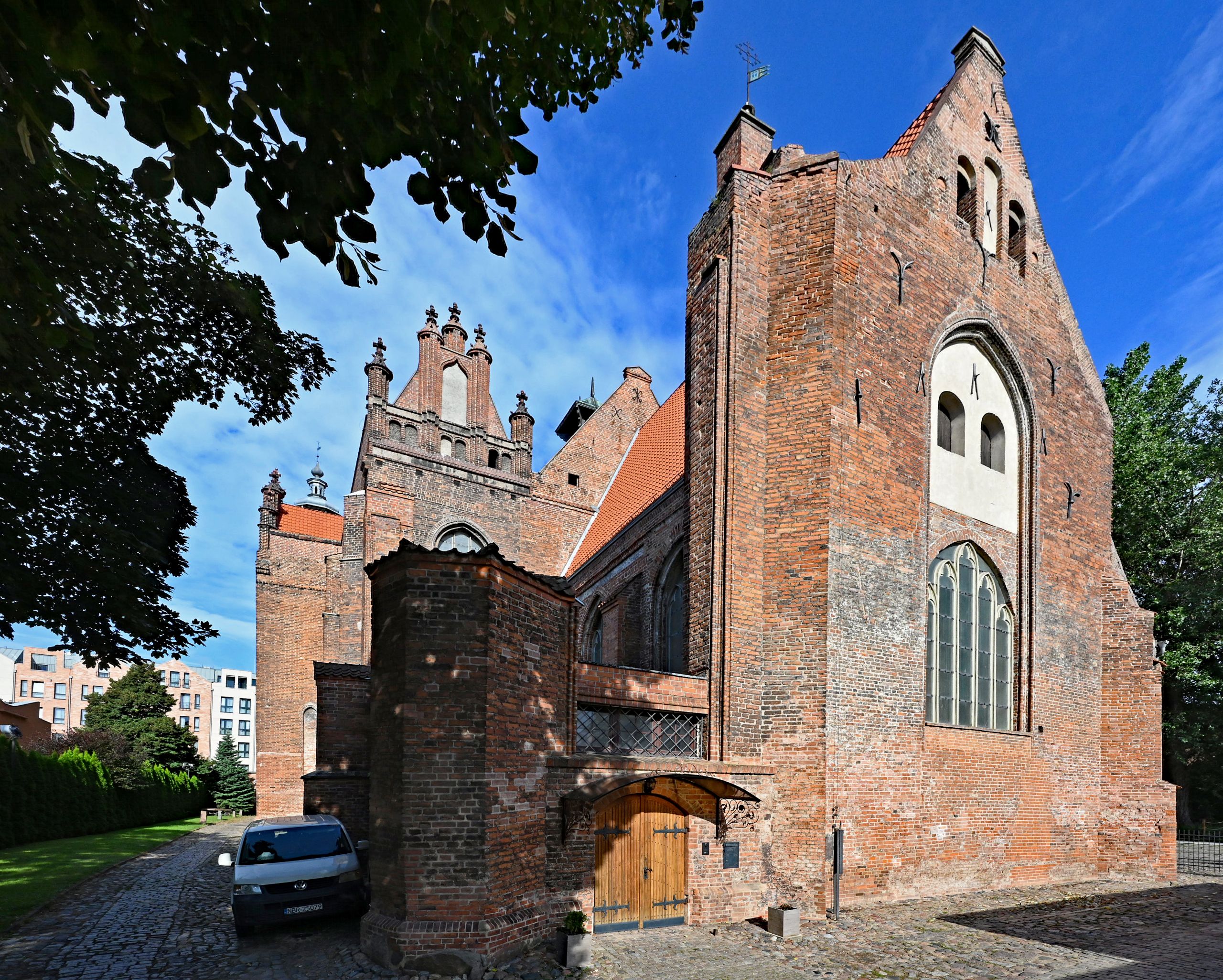
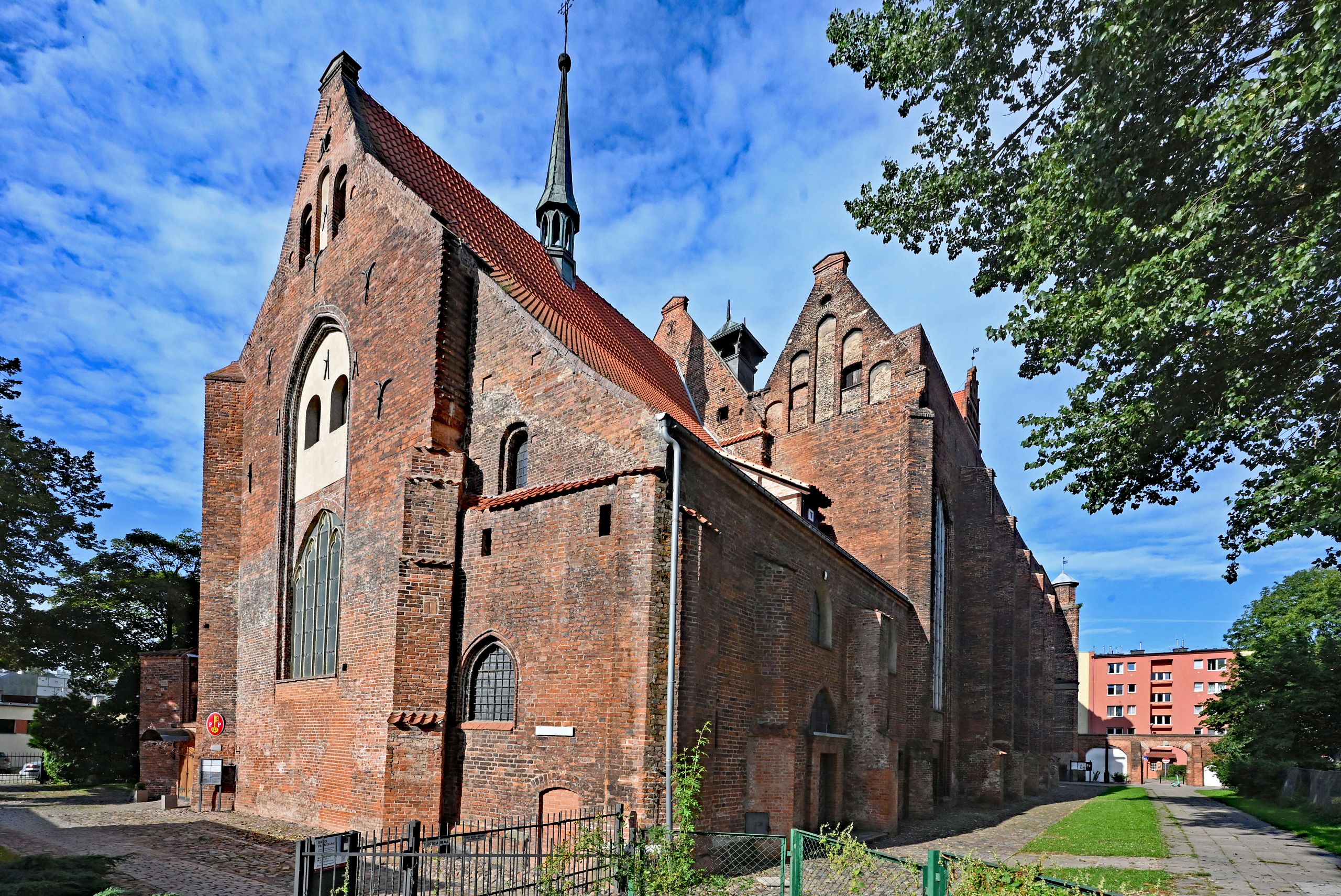
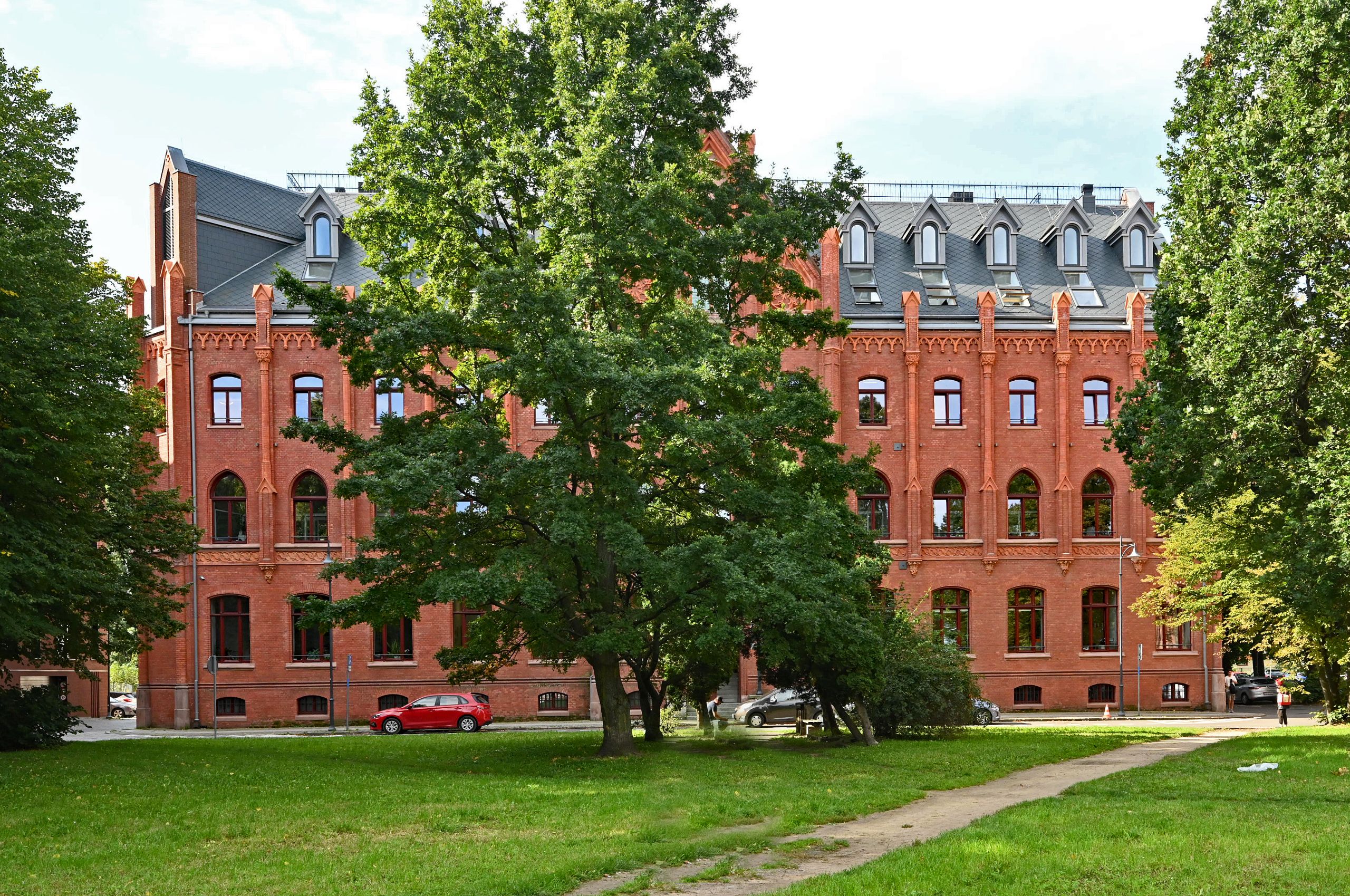
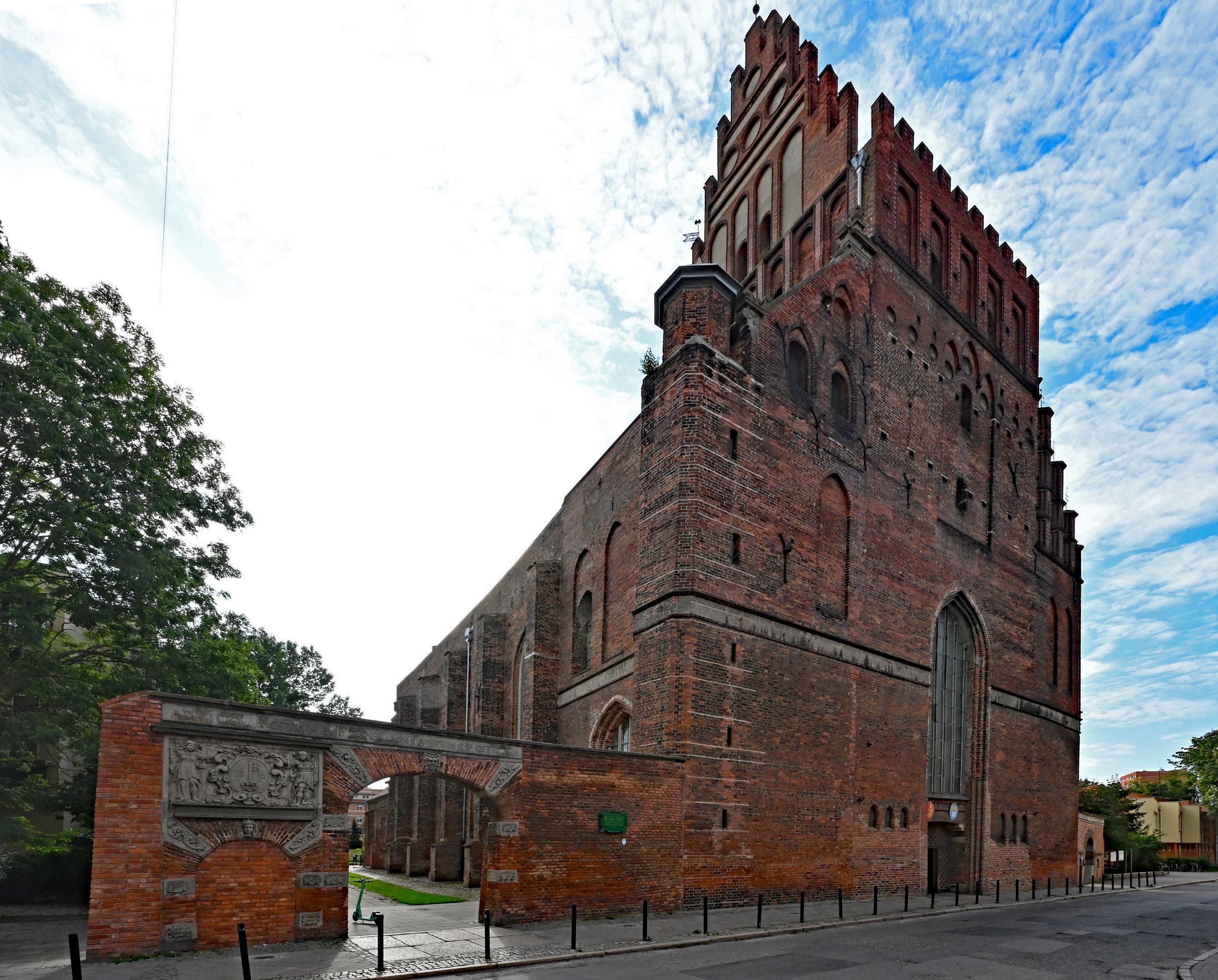
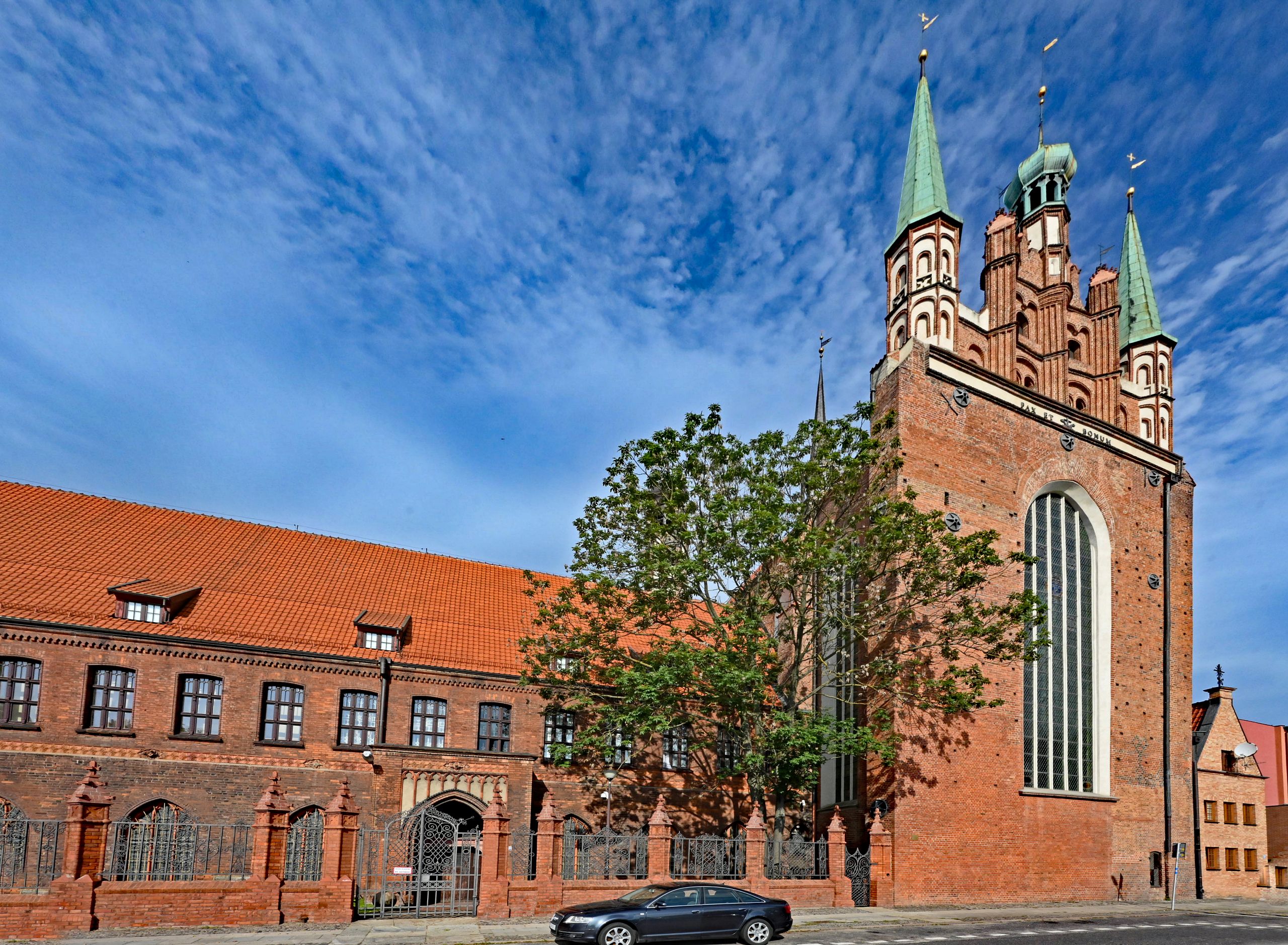
Our walk began at the mighty Church of St. Peter and Paul, built between the late 14th and early 16th centuries. With its tall pointed-arch tracery windows, characteristic stepped gables, and massive, almost fortress-like west tower, this Gothic hall church ranks among the largest in the city. Just a few steps away on Lastadia Street, we spotted the monumental Former Supreme Postal Directorate from the late 19th century (now home to the Gdańsk Labor Office). Rising behind a green lawn, the four-story Neo-Gothic brick building impresses with its pointed-arch windows, vertical pilasters, crenellated frieze, and pointed dormers on the slate roof—standing right next to the historic complex of the Former Municipal Gymnasium from 1837, whose facade design involved the famous Prussian architect Karl Friedrich Schinkel. Continuing onward, we passed the Late Gothic Holy Trinity Church together with the adjacent Former Franciscan Monastery, which today houses part of the National Museum. The crown-like brick gables with their three slender turrets and the Franciscan inscription “PAX ET BONUM” above the choir window radiated a profound sense of peace in the warm late-summer light.
Gallery 1: Brick Gothic in Gdańsk’s Old Suburb
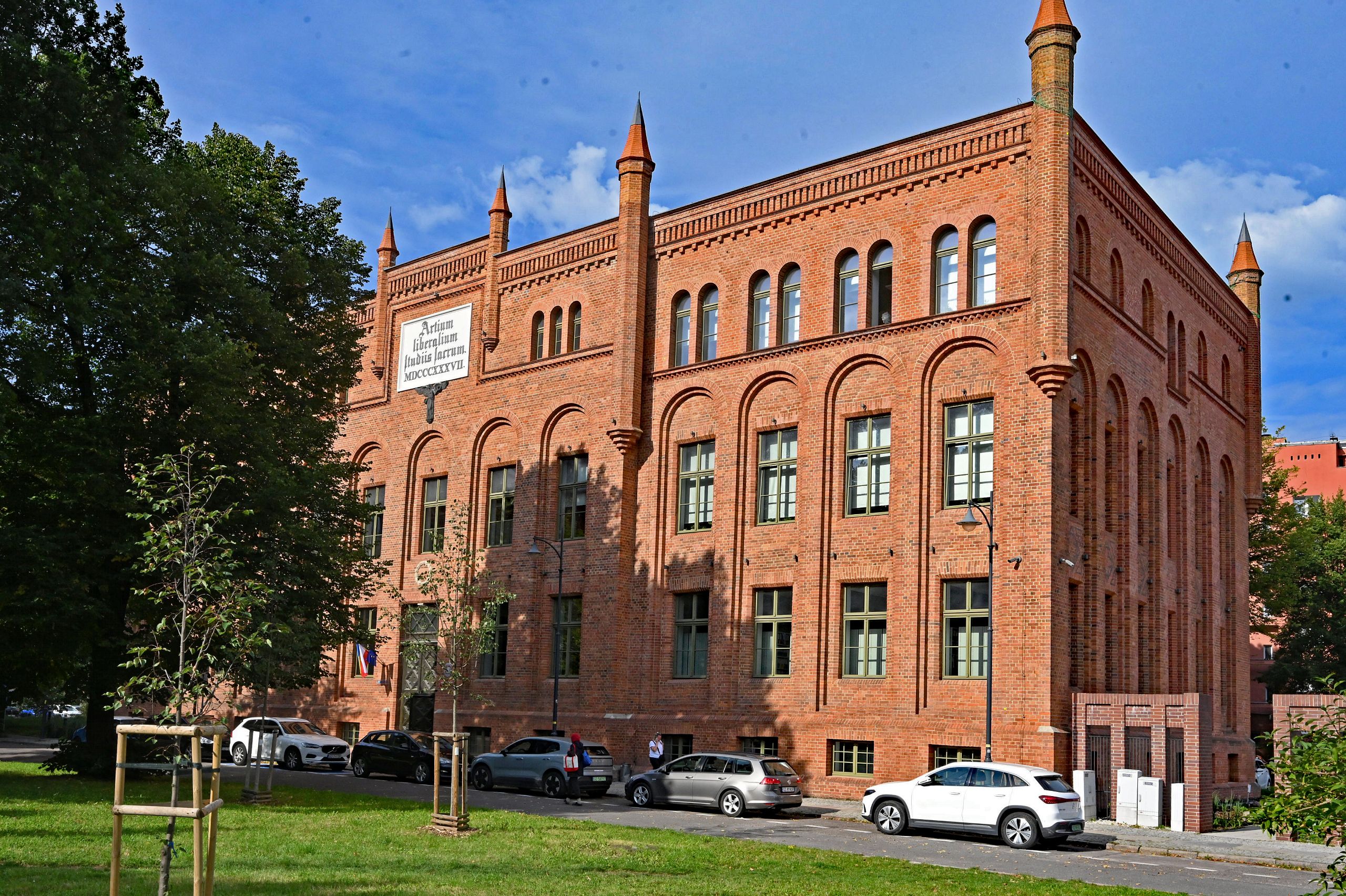

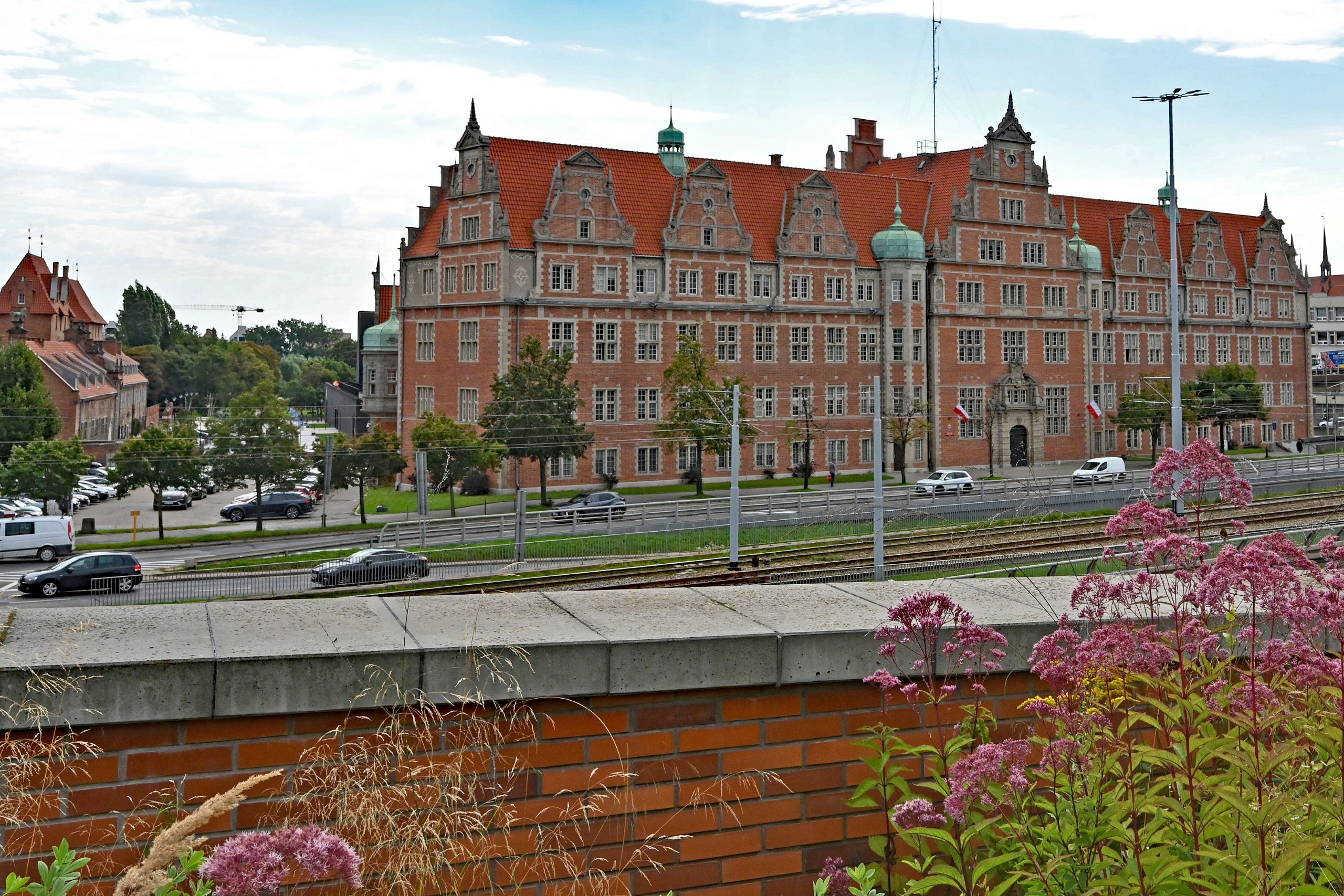
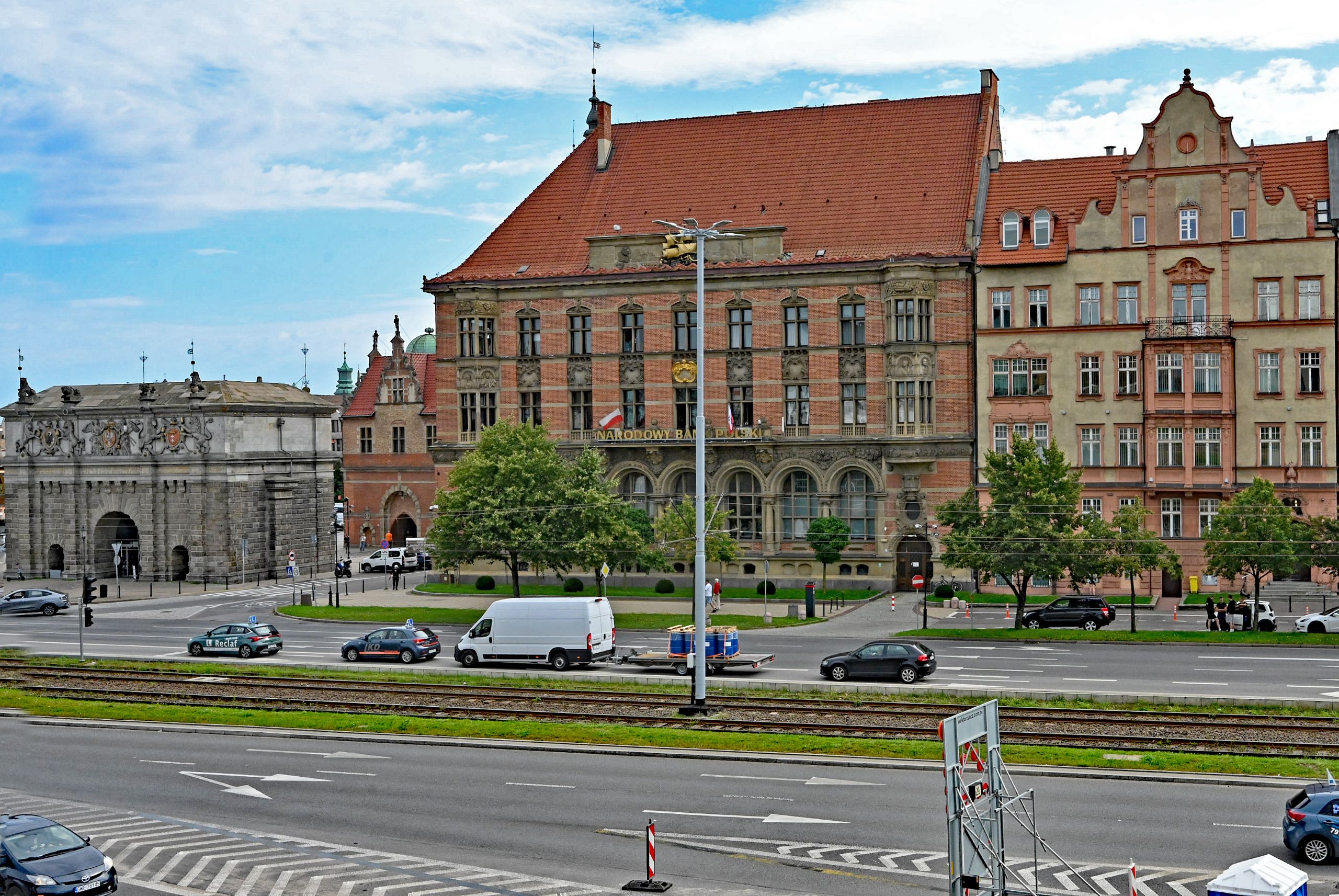
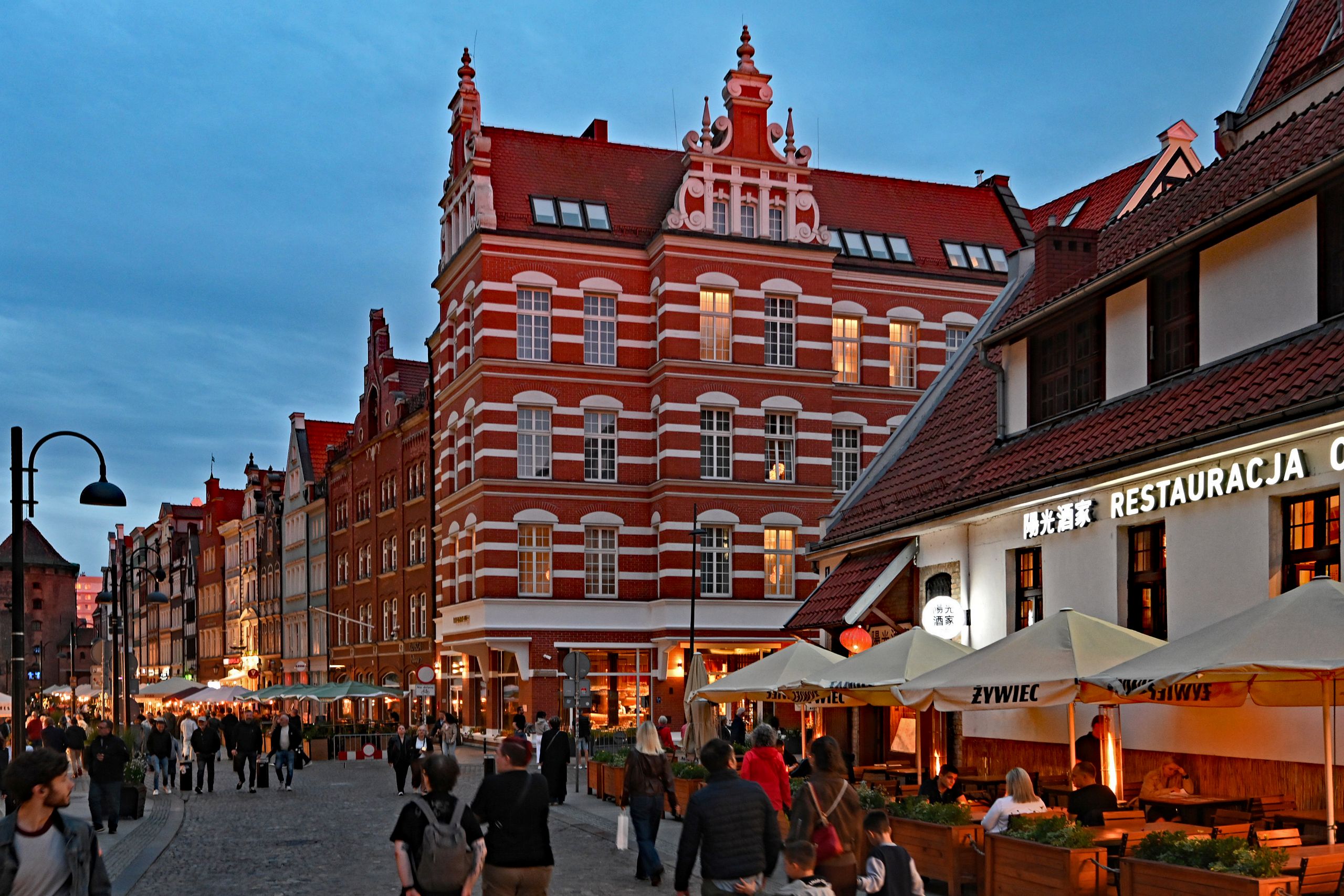
When we finally reached the modern urban quarter and shopping center Forum Gdańsk, its elevated terraces and balustrades offered a fantastic panorama of the city’s architectural layers. Directly across the street rose the monumental Neo-Renaissance building of the Pomeranian Voivodeship Office, built between 1902 and 1906 with volute gables and green copper domes. Slightly to the left, the stone Highland Gate (Brama Wyżynna) of 1588 marked the former main entrance to the city fortifications, flanked immediately by the stately brick-and-sandstone edifice of the National Bank of Poland. Forum Gdańsk itself proved to be an intriguing contrast between contemporary clinker-brick and glass architecture and a lovingly restored historic brick building nestled in its courtyard.
Gallery 2: From Forum Gdańsk to the Banks of the Motława


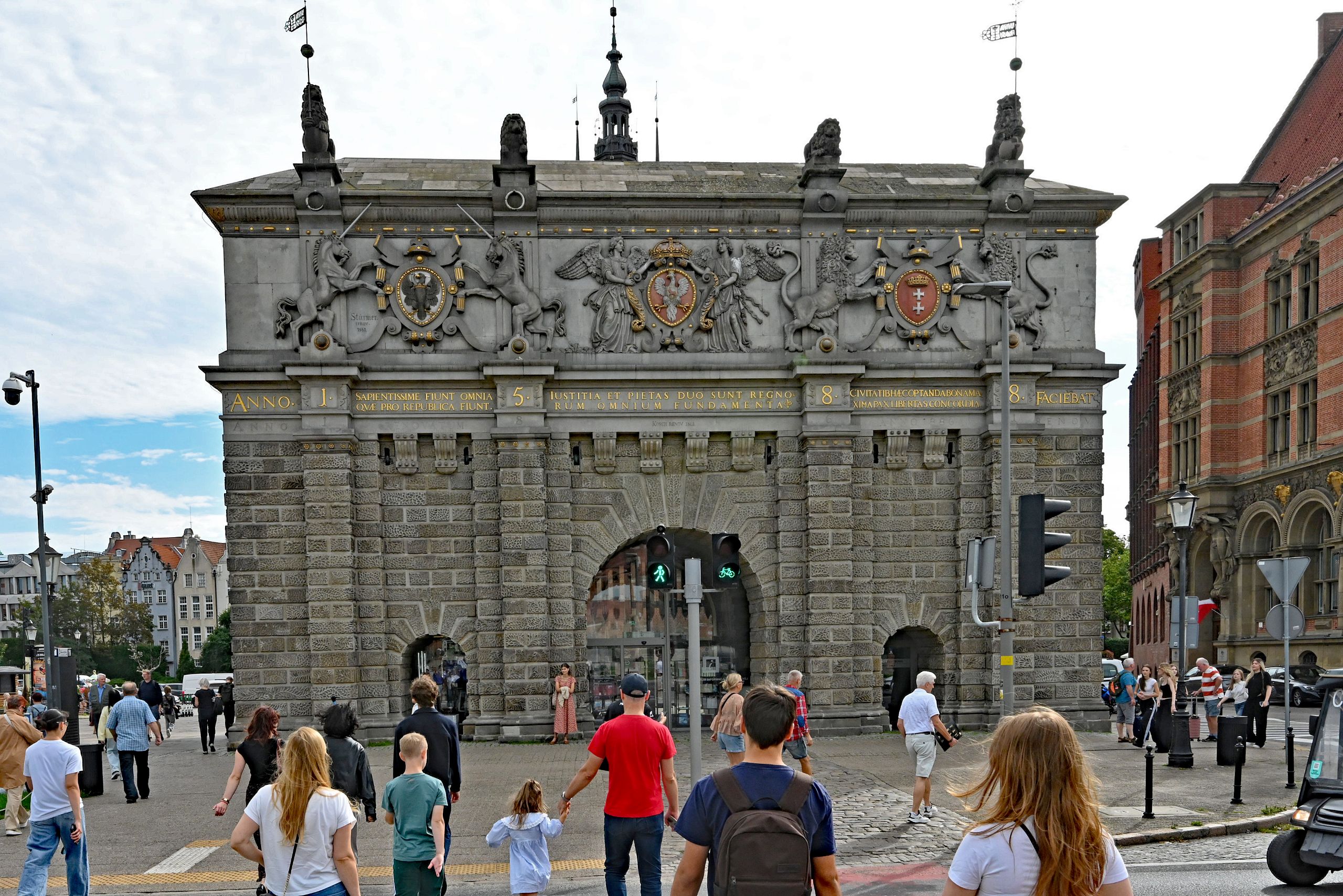
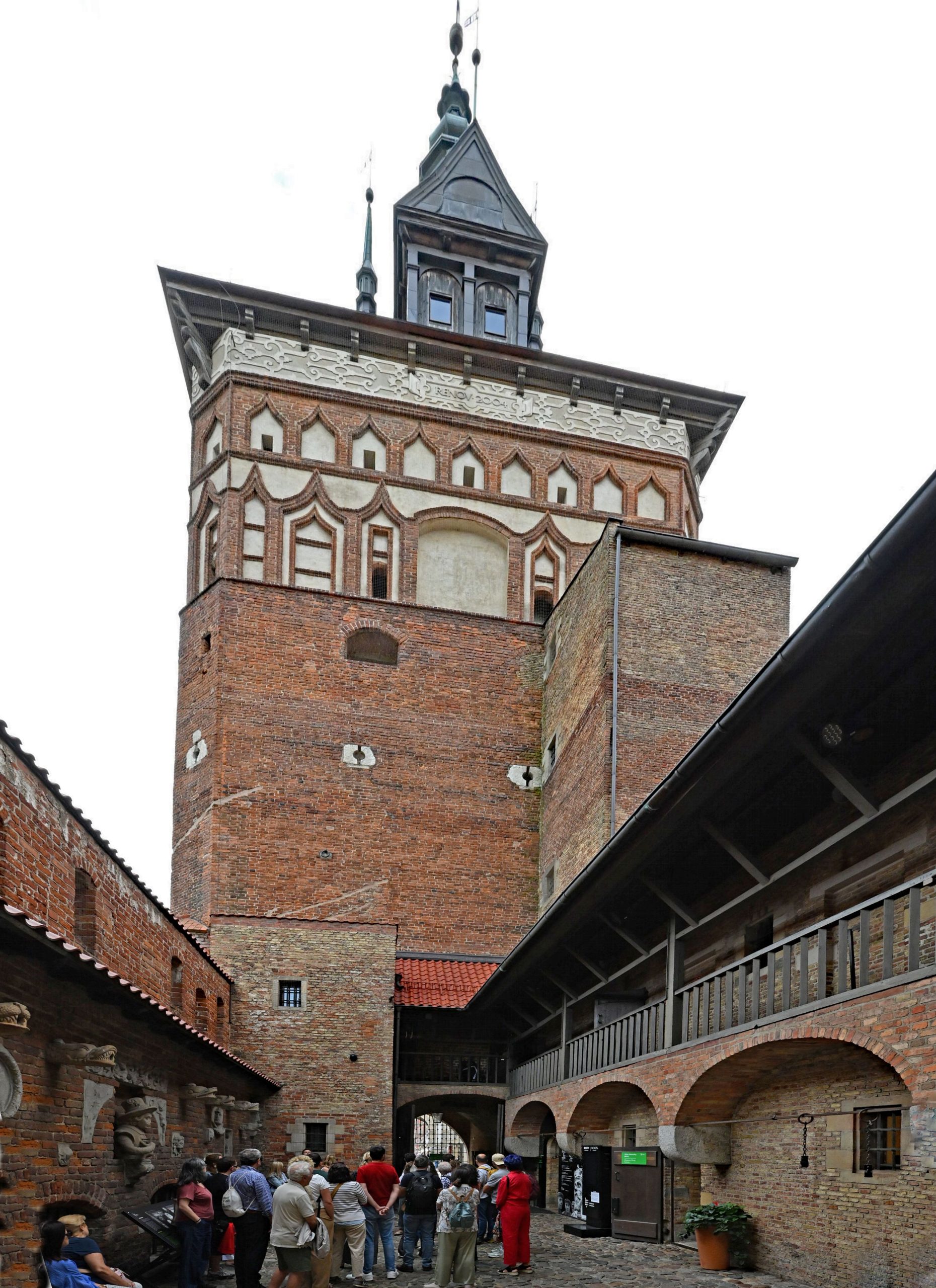
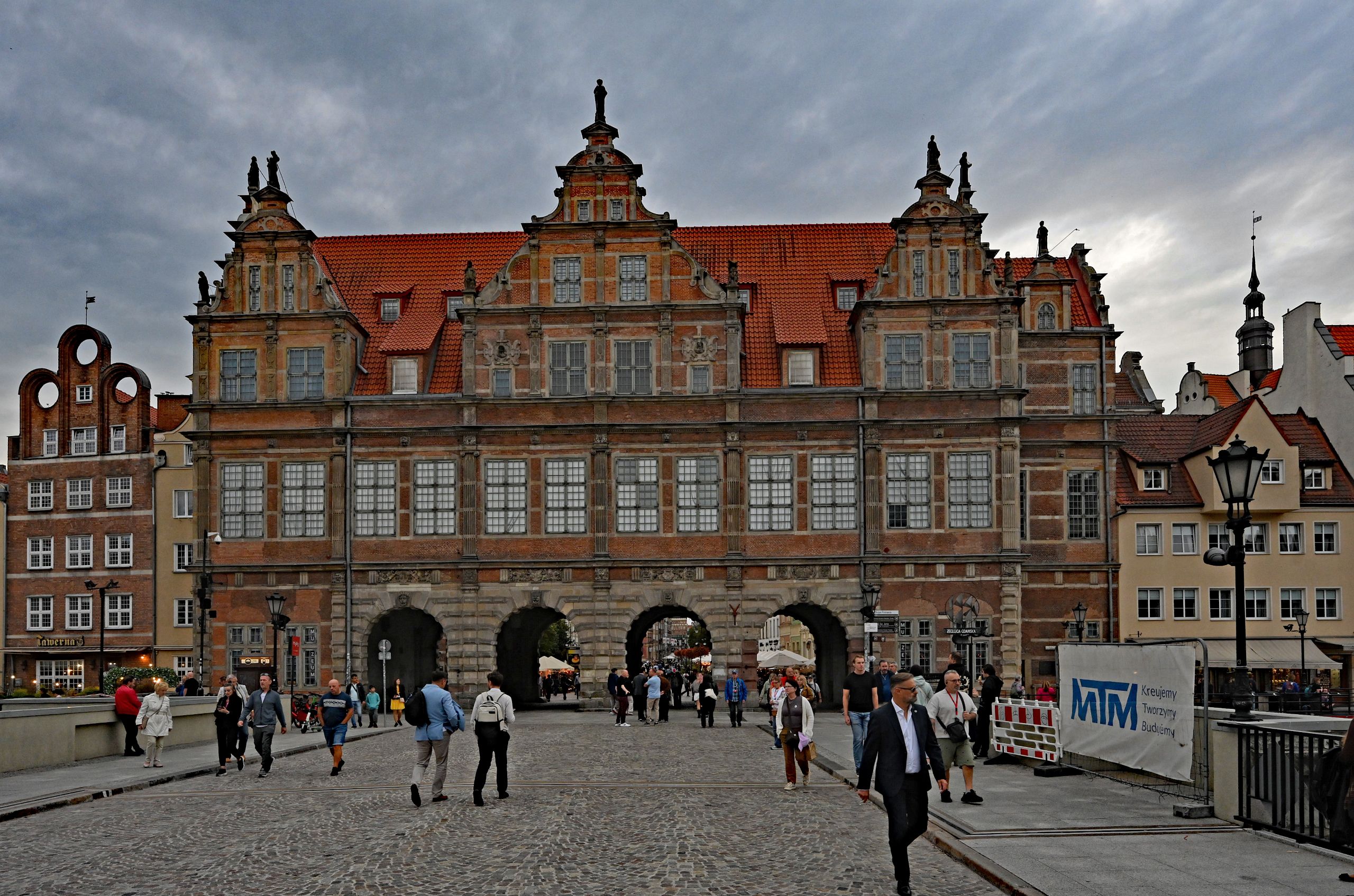
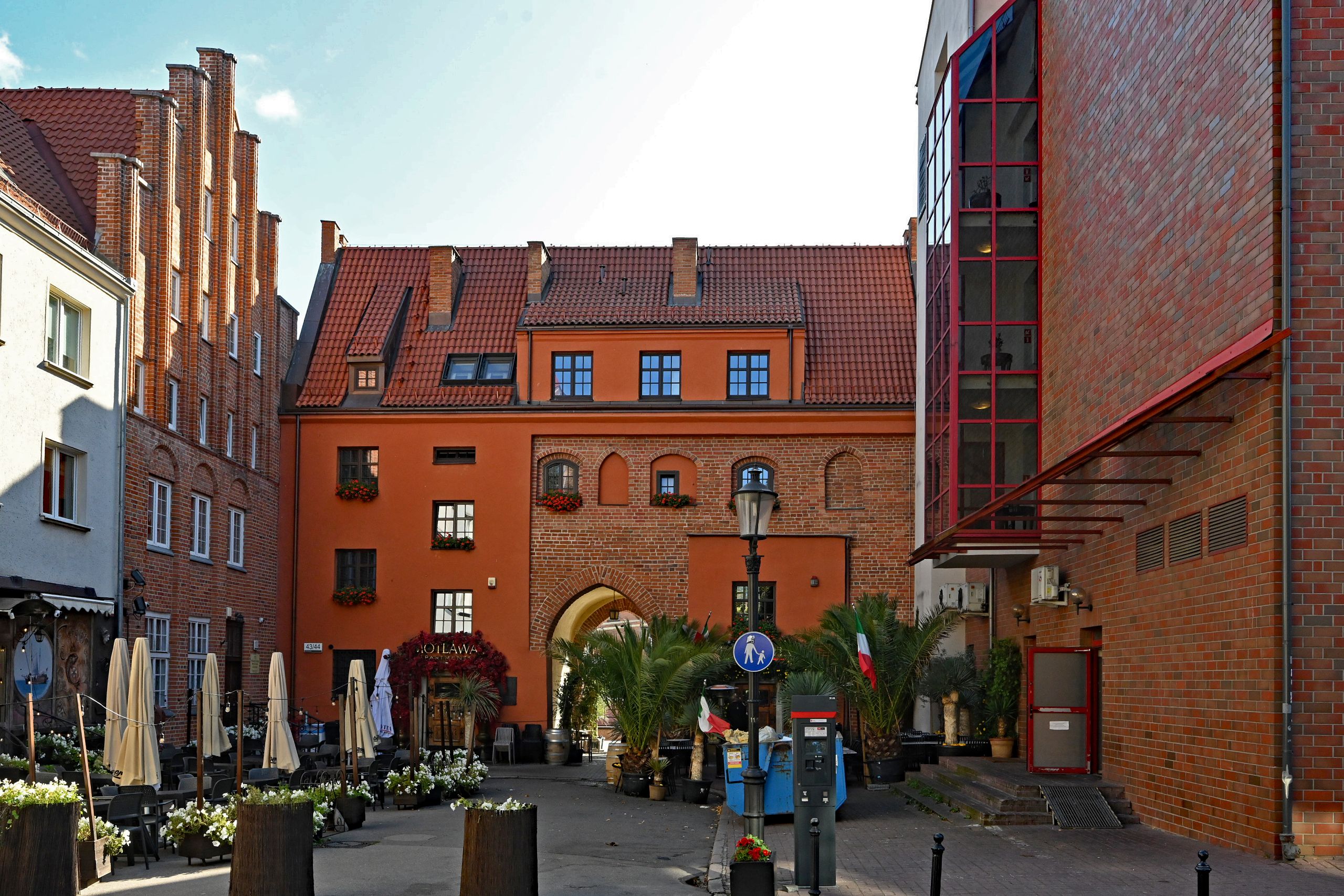
As soon as we left the shopping center, we crossed the street directly toward the massive Highland Gate. Built to plans by Flemish master builder Willem van den Blocke, this Renaissance gate impresses up close with its rusticated sandstone blocks, golden Latin maxims, and ornate relief coats of arms of Poland, Royal Prussia, and the City of Gdańsk. Just beyond it, we entered Gdańsk’s Main Town (Główne Miasto) through the fortified barbican complex of the Prison Tower and Torture House dating from the 14th century. From here, our path led through the magnificent Old Town to the banks of the Motława River, where the Green Gate, built between 1564 and 1
Gallery 3: Along the Historic Water Gates on the Motława
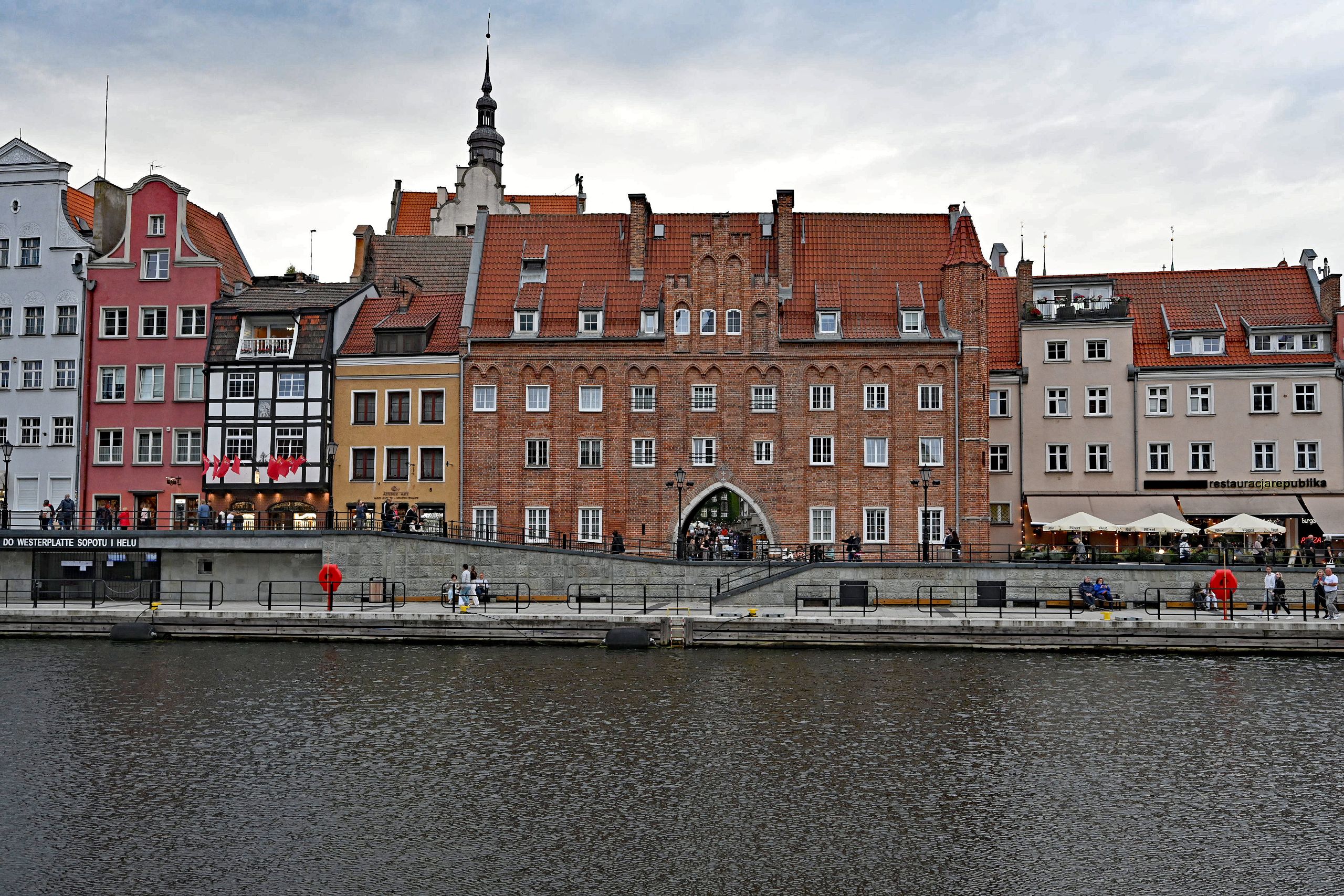


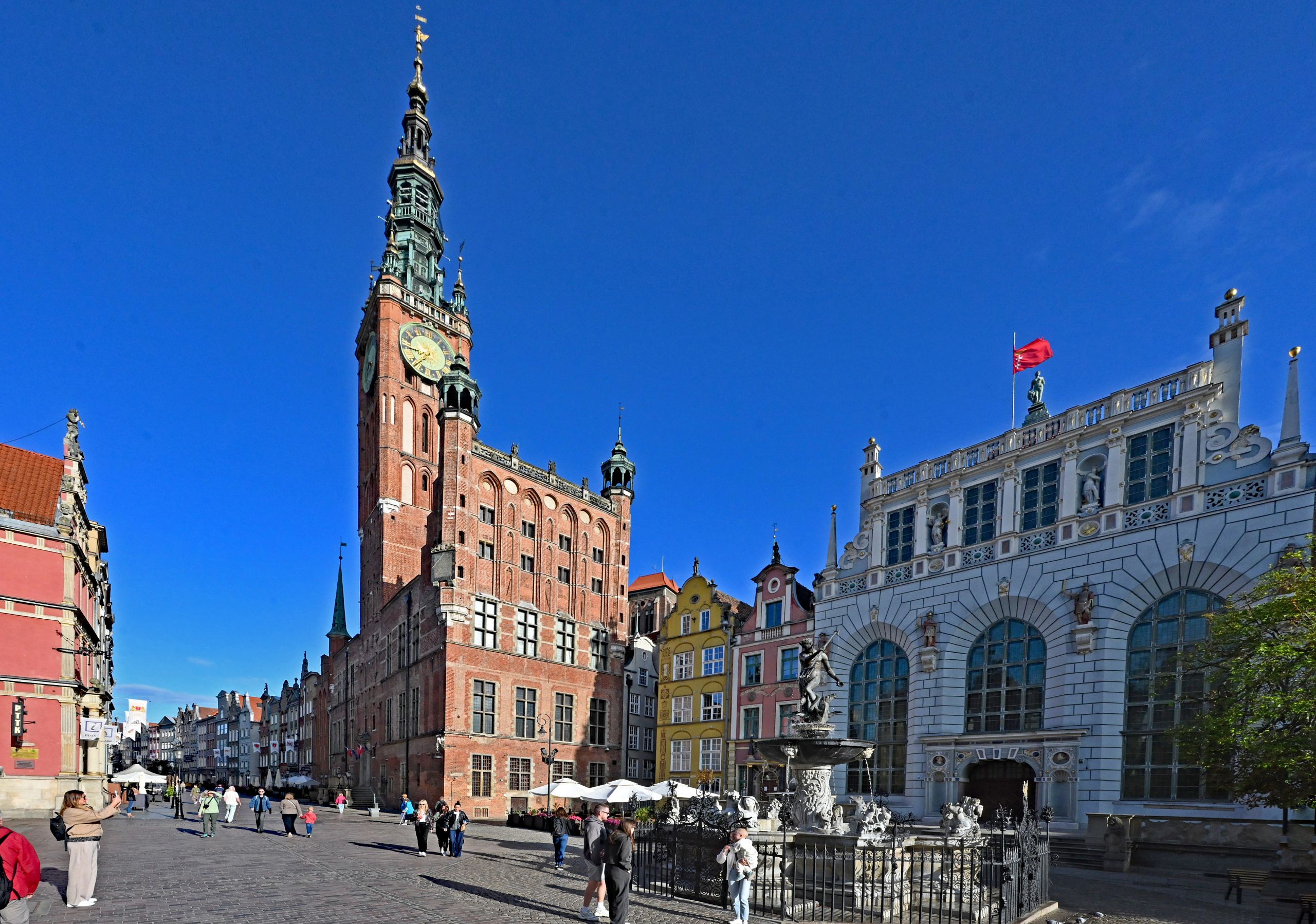
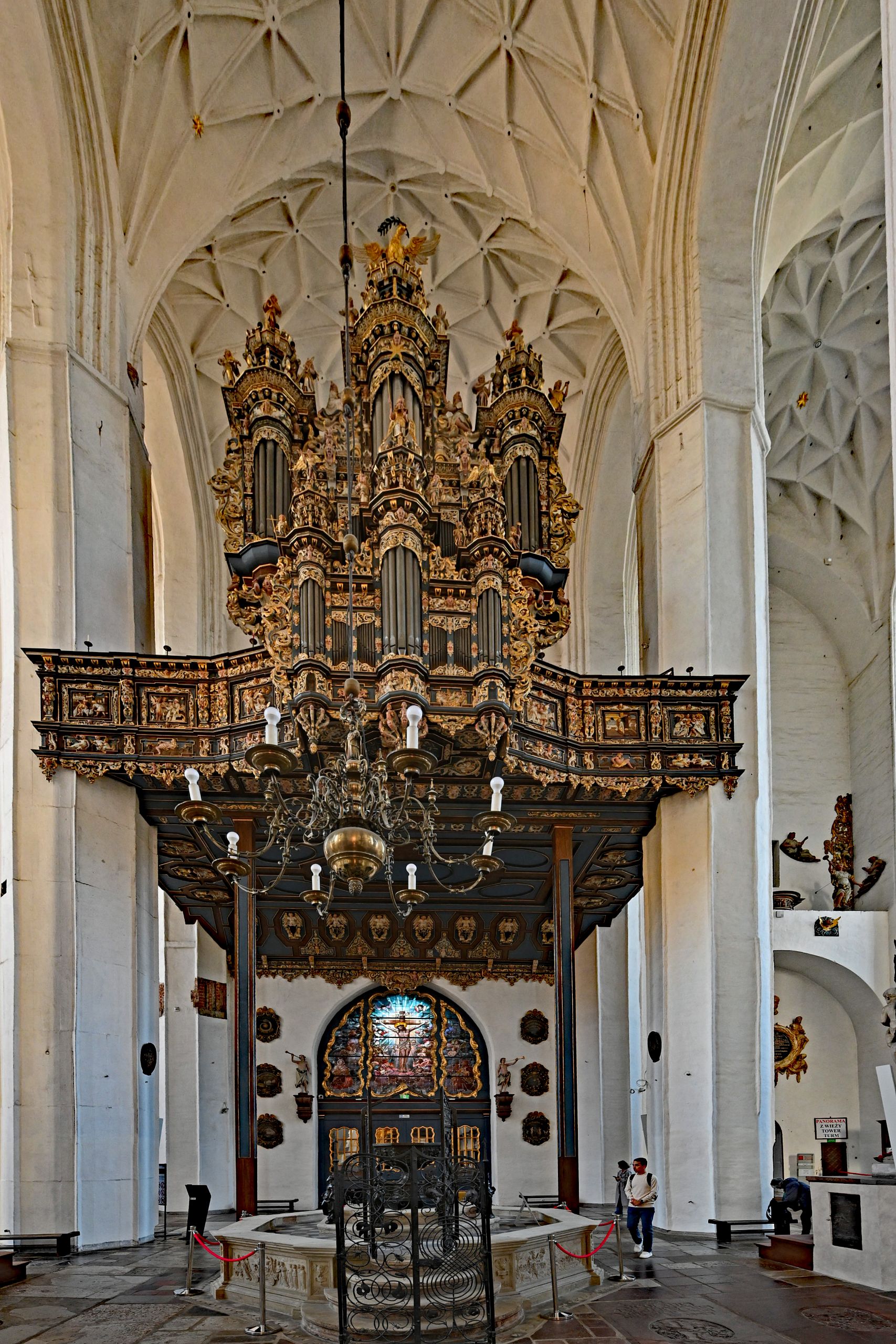
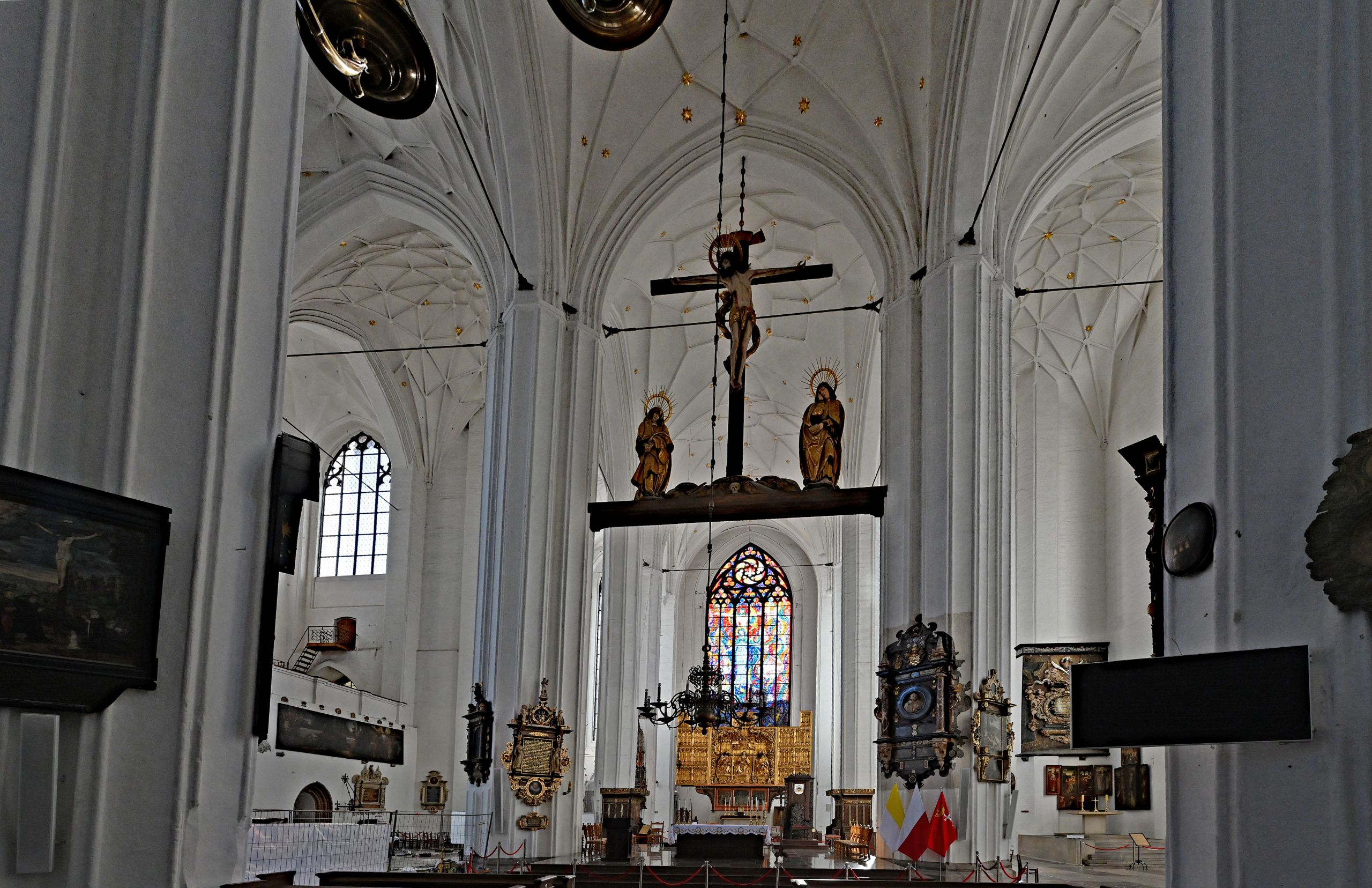
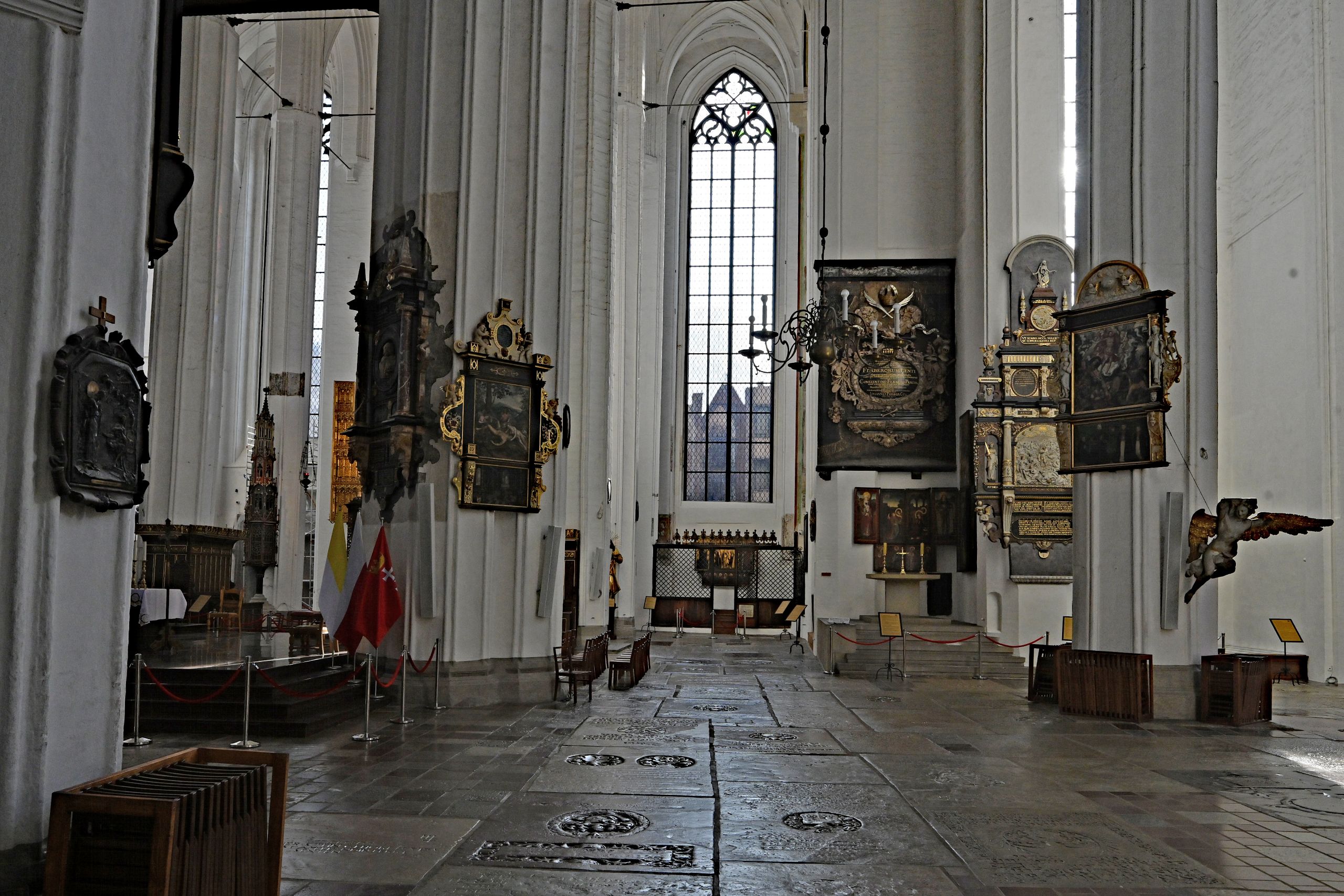
The next morning, I set out on my own while Hanusia held her workshop. Crisp morning light bathed the Main Town in warm tones as I stepped onto the Long Market (Długi Targ), where the 83-meter-tall Main Town Hall, Artus Court, and Neptune’s Fountain gleamed in the bright sunshine. Just a few steps away stood the monumental St. Mary’s Basilica, the largest brick church in the world. After admiring its vast proportions from the southeast, north, and west sides, I stepped inside to take in the serenity of the light-filled stellar vaults. Within the expansive interior, I was particularly captivated by the magnificent Main Organ and baptismal font, the view down the nave past the monumental rood cross group and the medieval Astronomical Clock toward the gilded high altar, and the countless historic epitaphs lining the white pillars.
Gallery 4: Morning Walk Through the Main Town and St. Mary’s Basilica


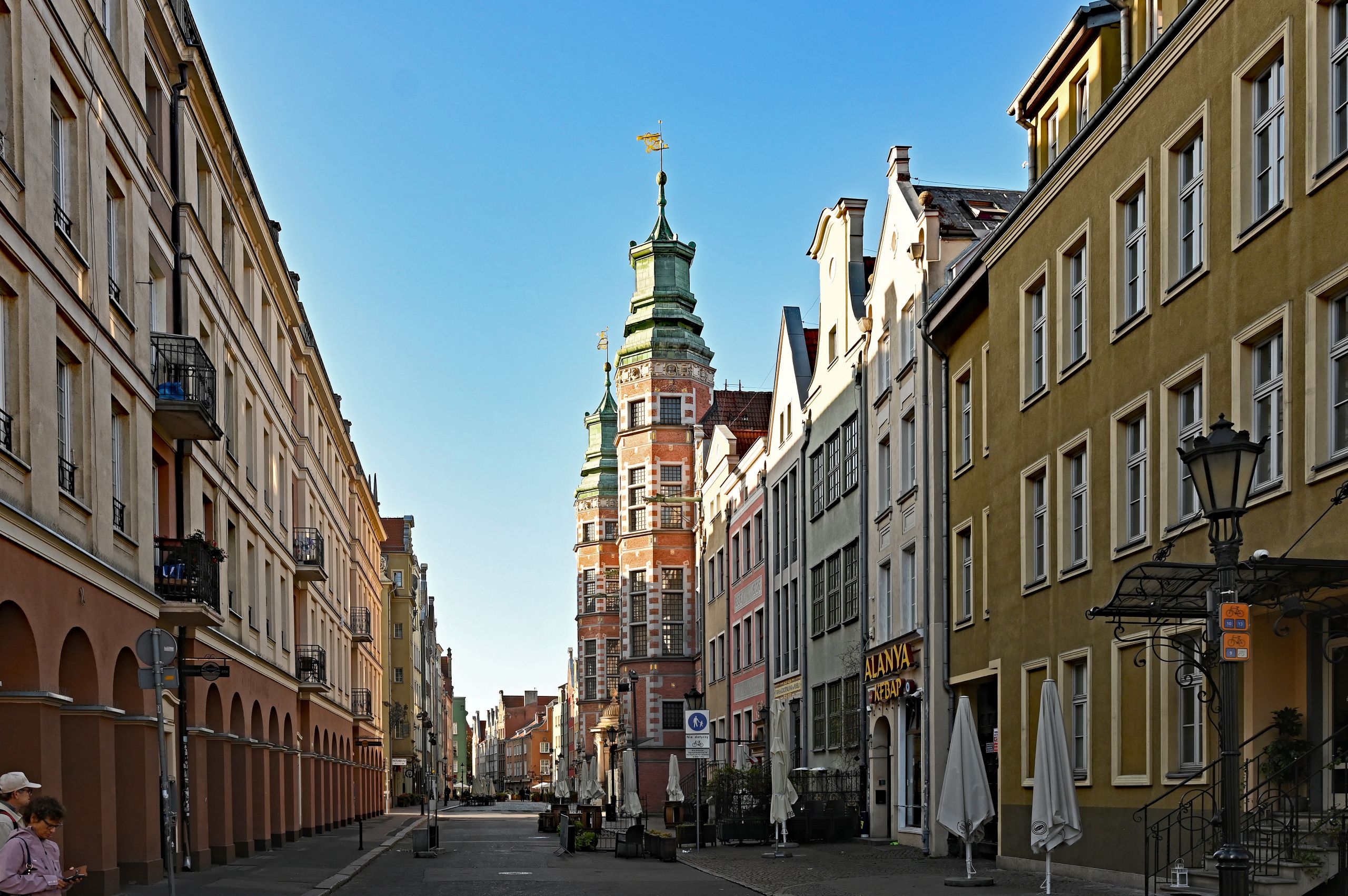
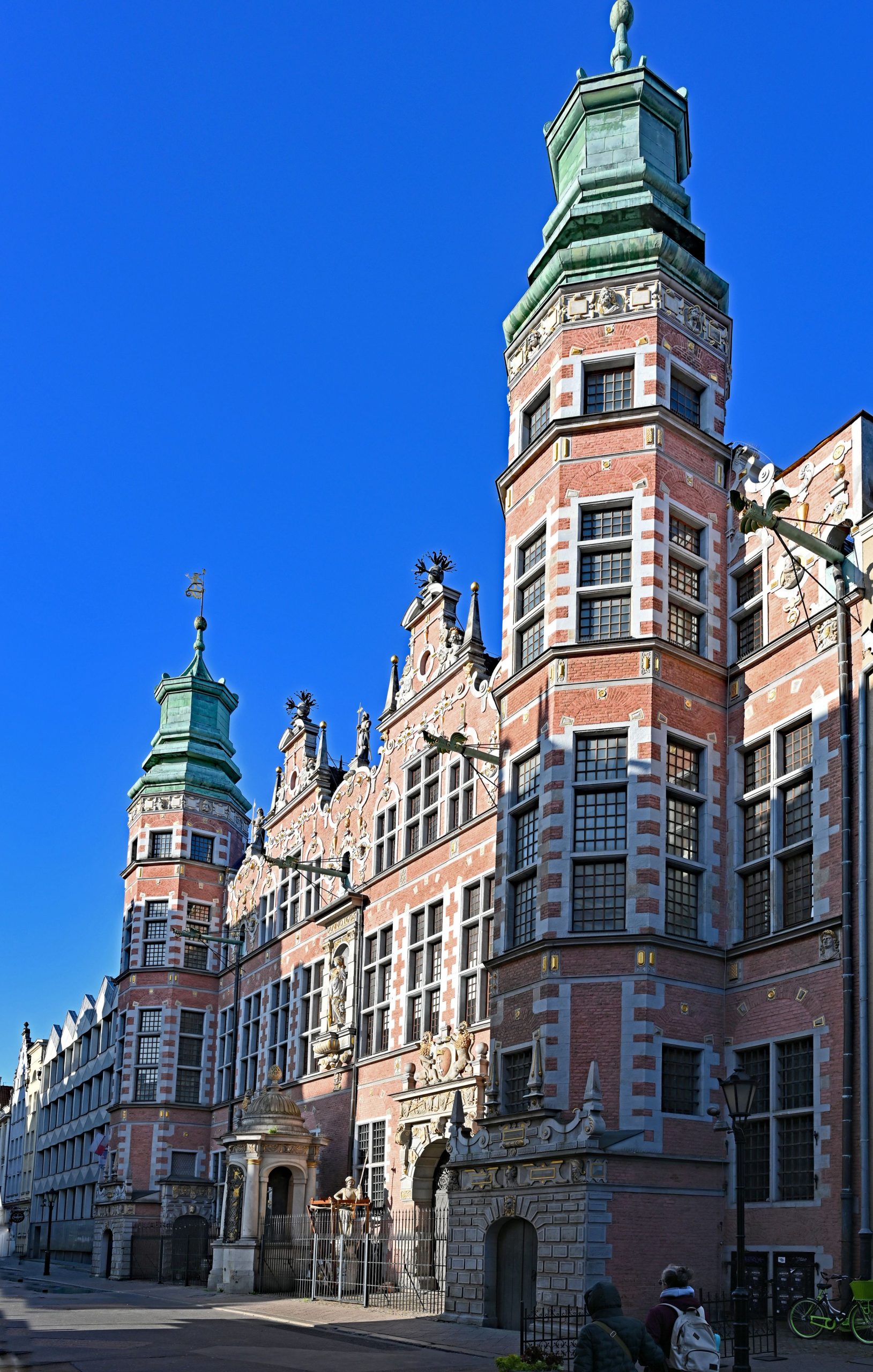
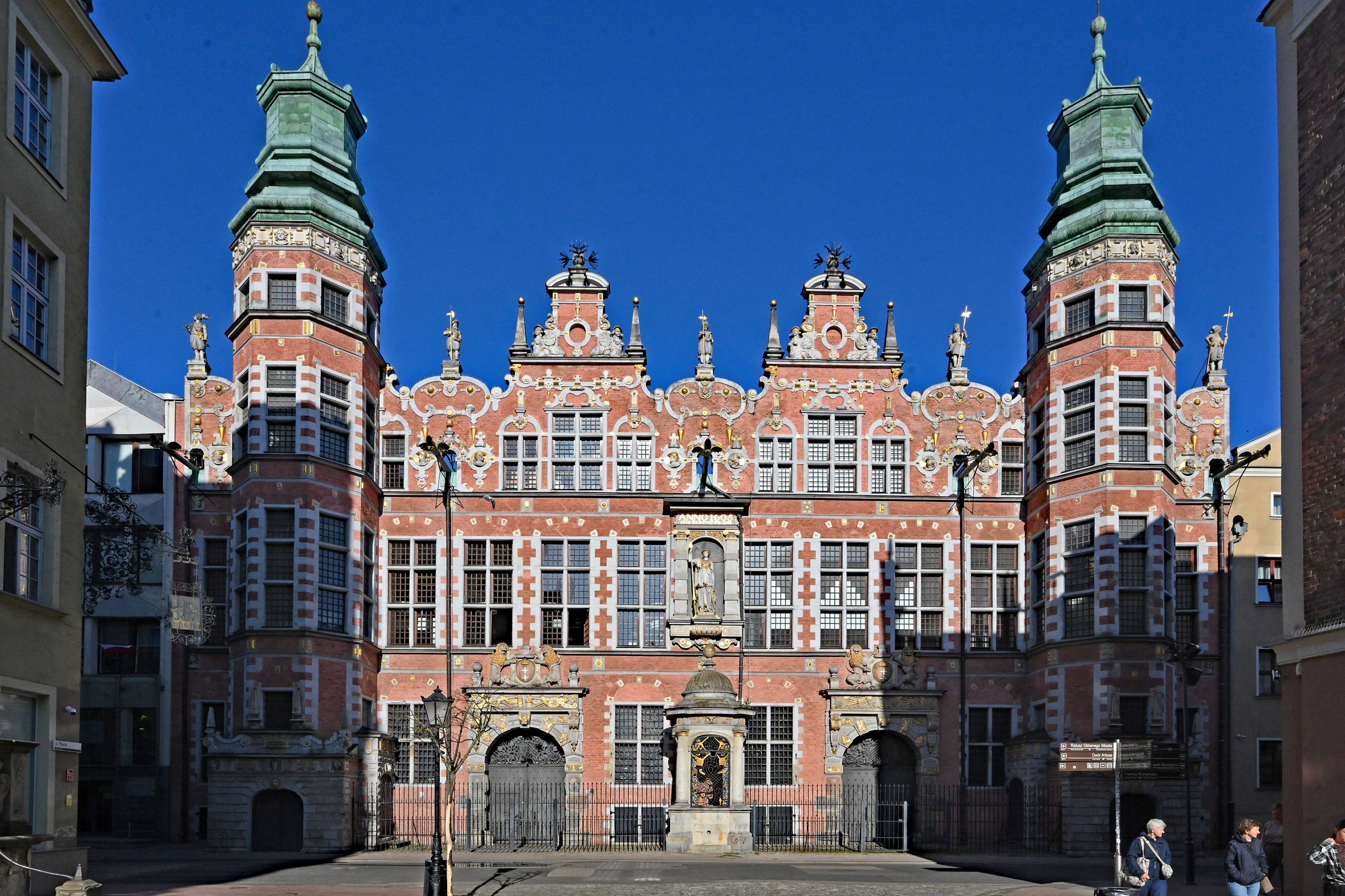
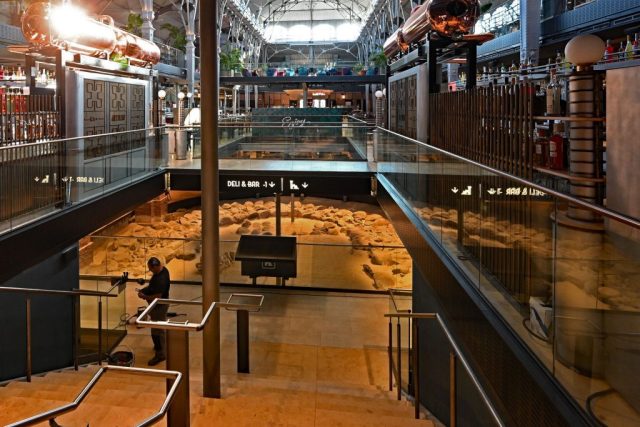
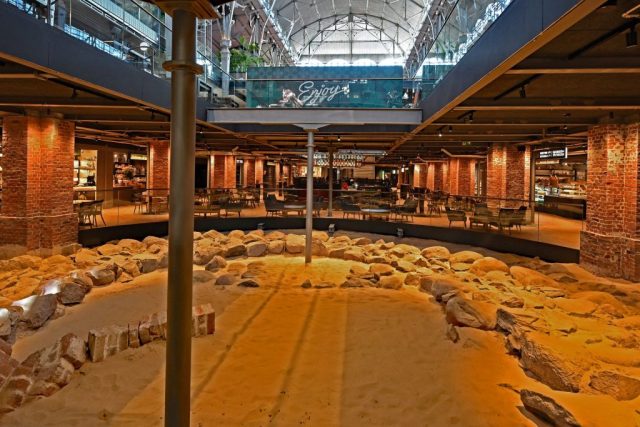
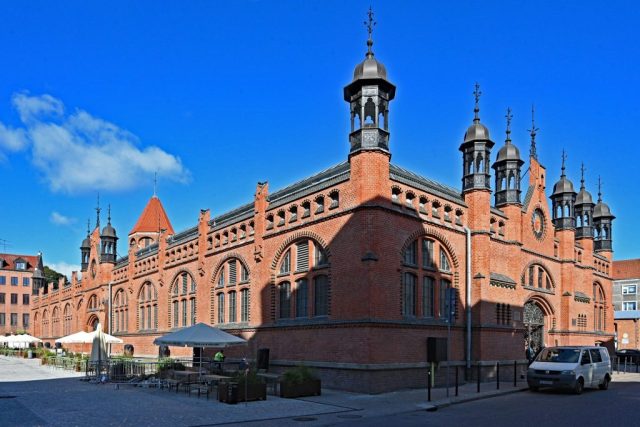
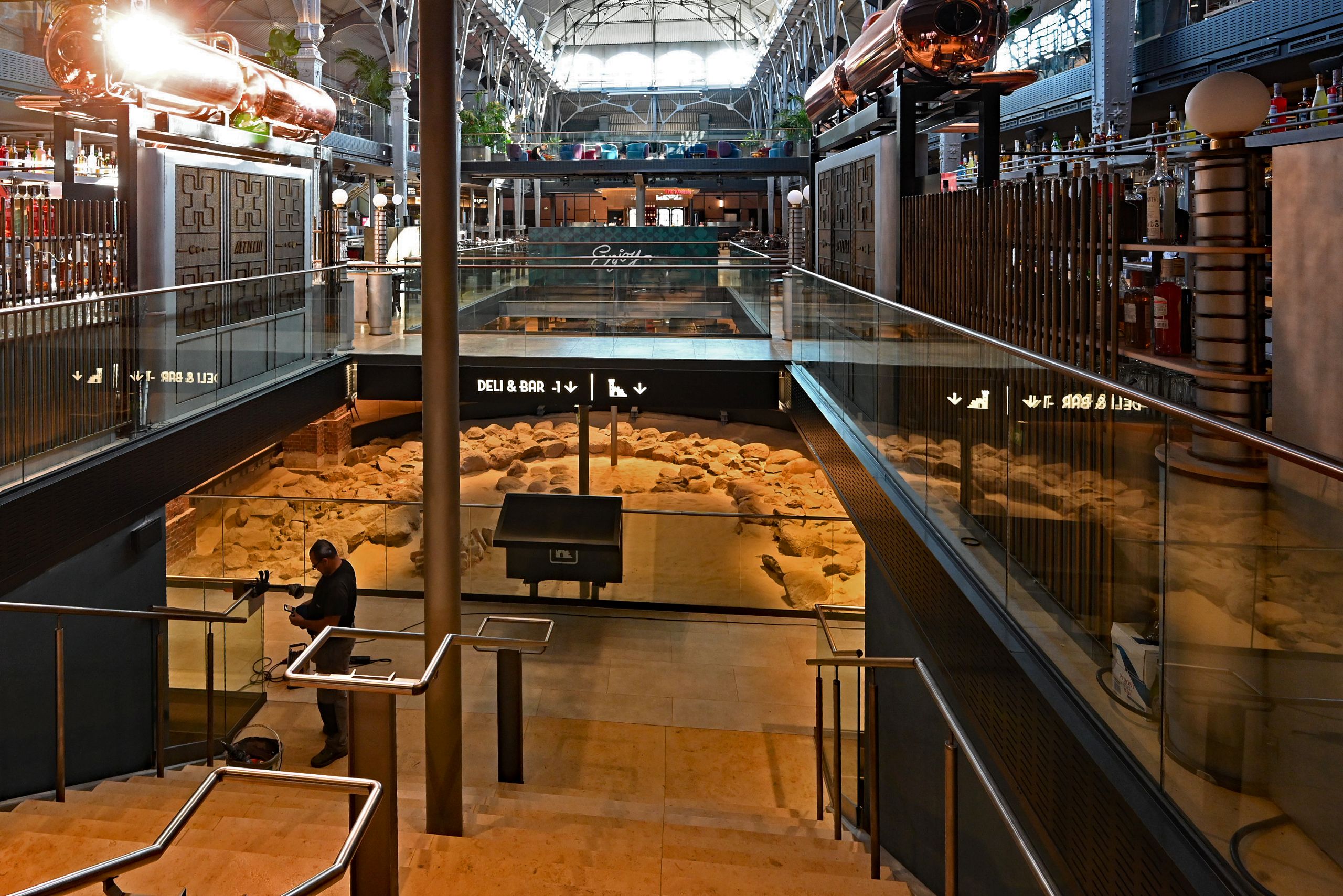
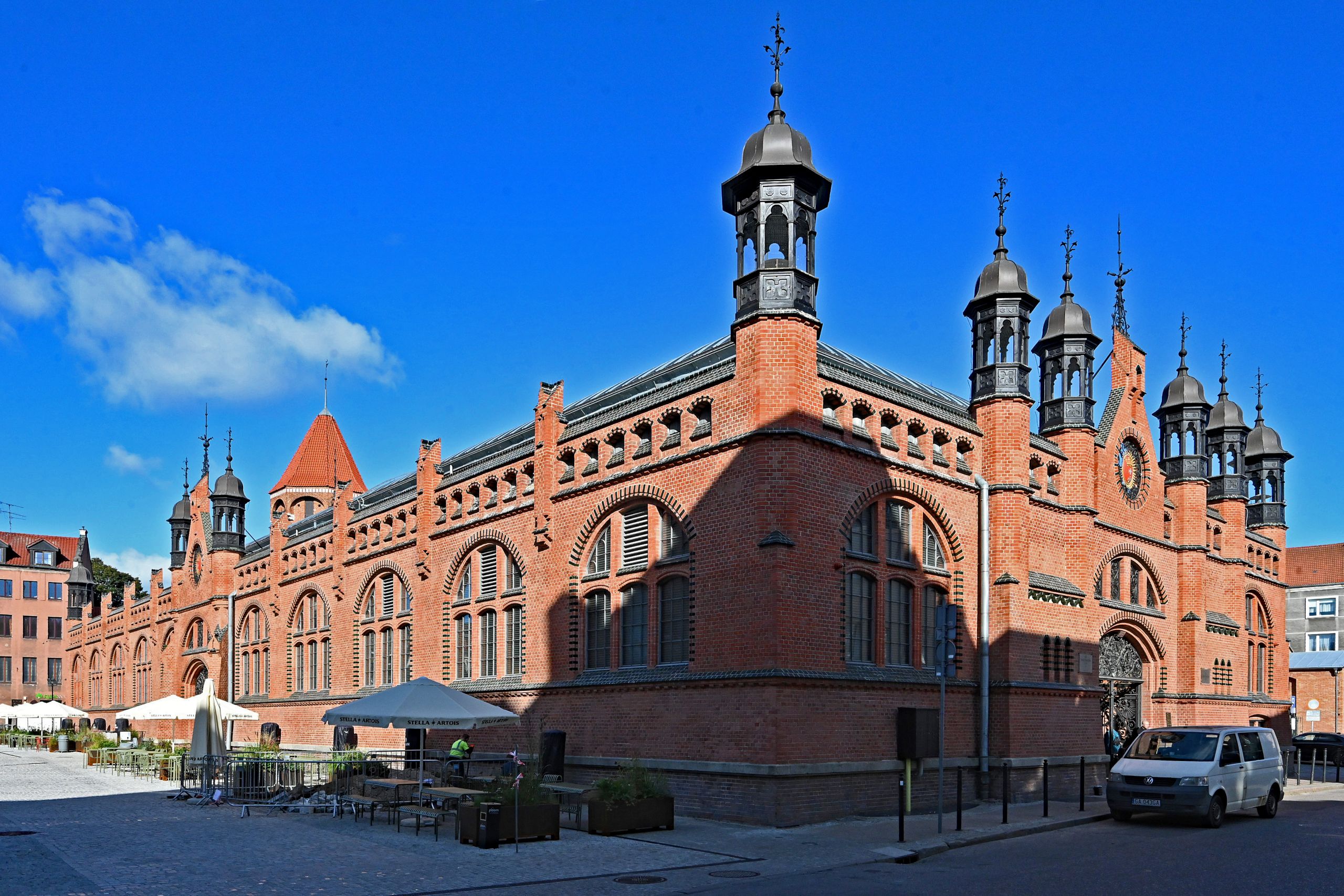
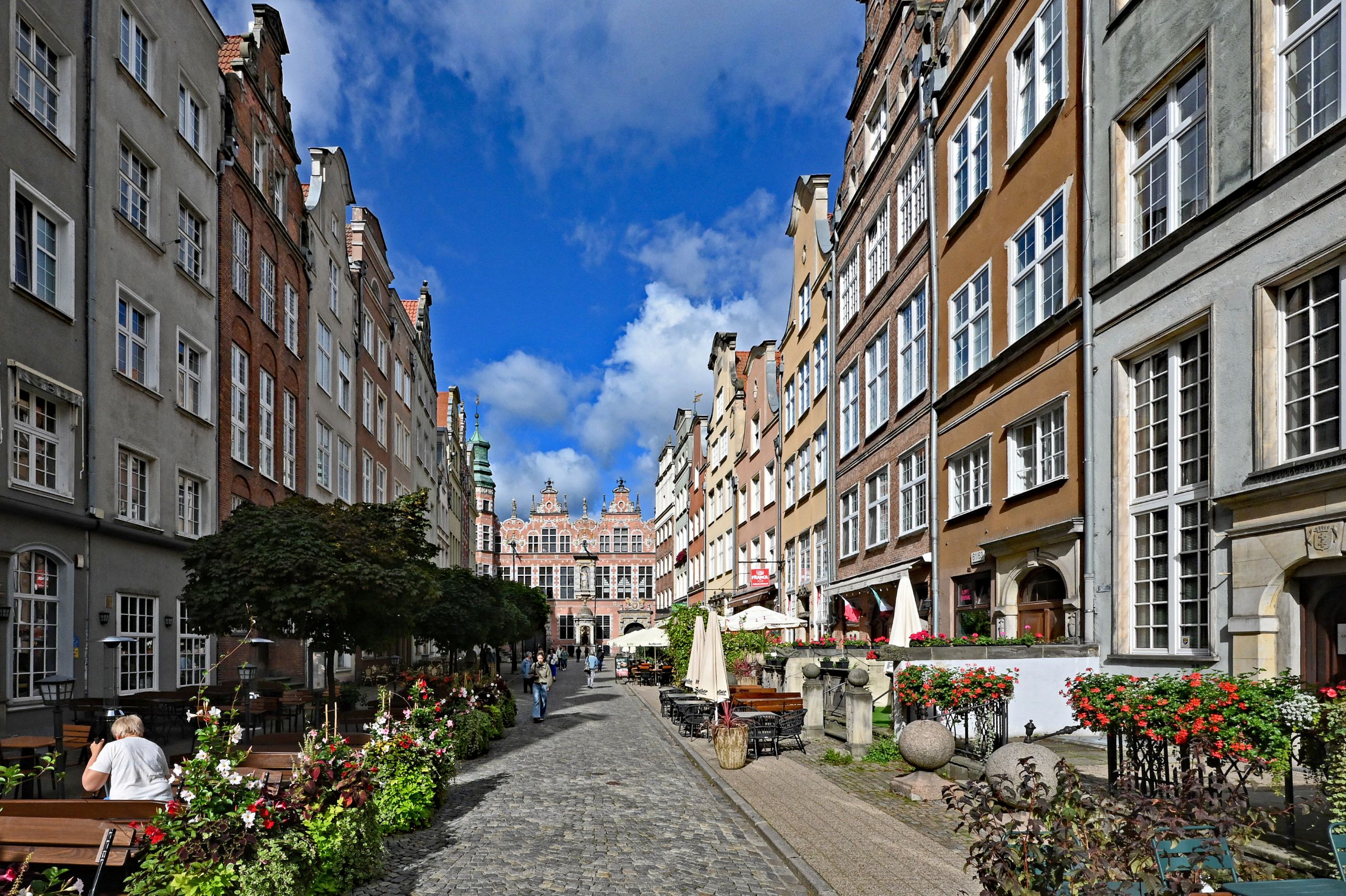
Afterward, I strolled down quiet Beer Street (ul. Piwna) straight toward the symmetrical east facade of the Great Armory. Built between 1600 and 1609 by Anton van Obbergen, this masterpiece of Flemish Mannerism fascinates with its curved volute gables, gilded statues, and the figure of Minerva, the Roman goddess of war, standing above the historic well. My path continued to the Gothic St. Nicholas’ Church, the only sacred building in the city center to survive World War II unscathed, and into the neighboring Market Hall (Hala Targowa) from 1896. There we took a relaxing coffee break—directly above the glass-enclosed foundations of the first Romanesque St. Nicholas’ Church from the 12th century.
Gallery 5: From the Great Armory to the Historic Market Hall
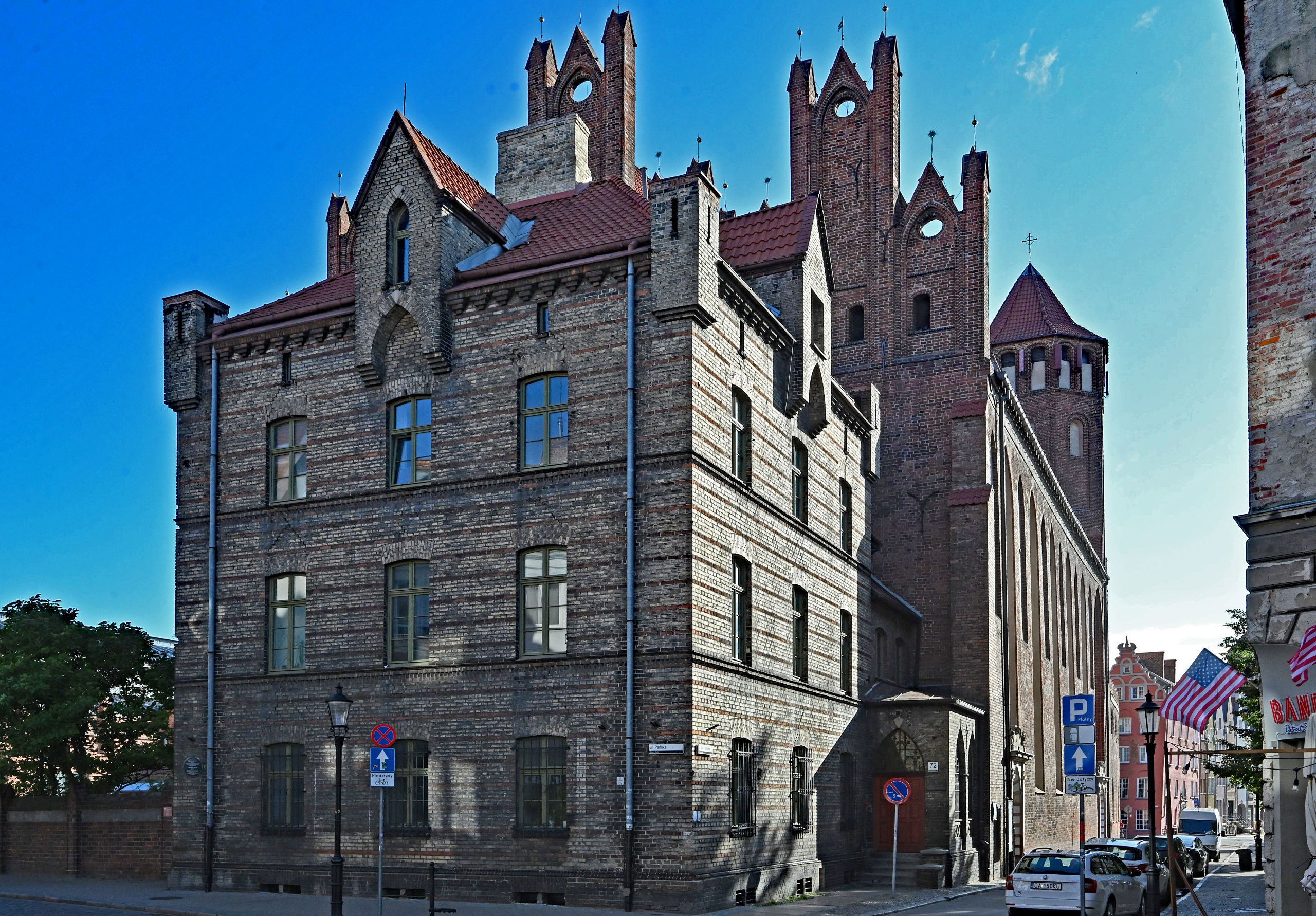

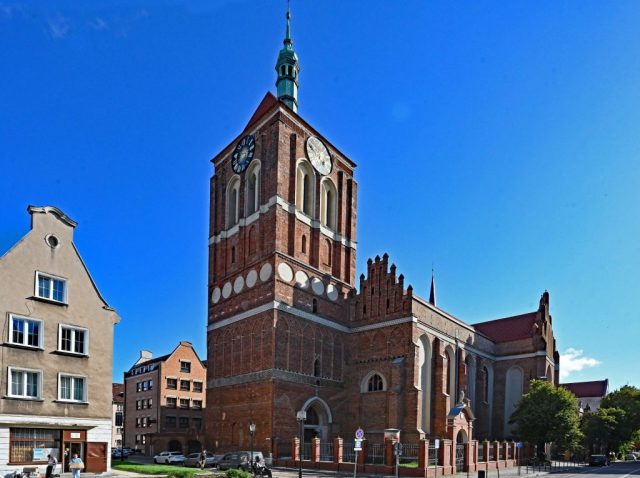
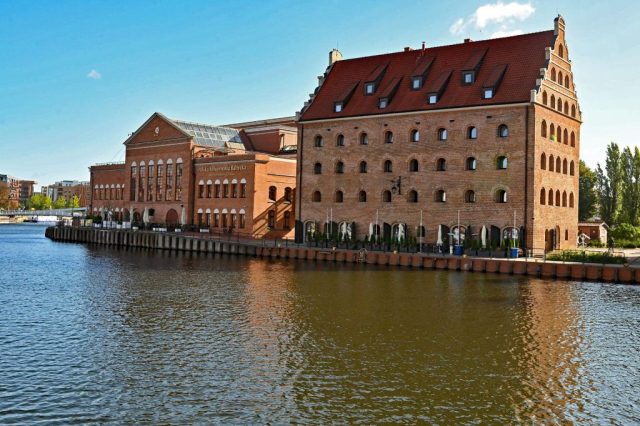
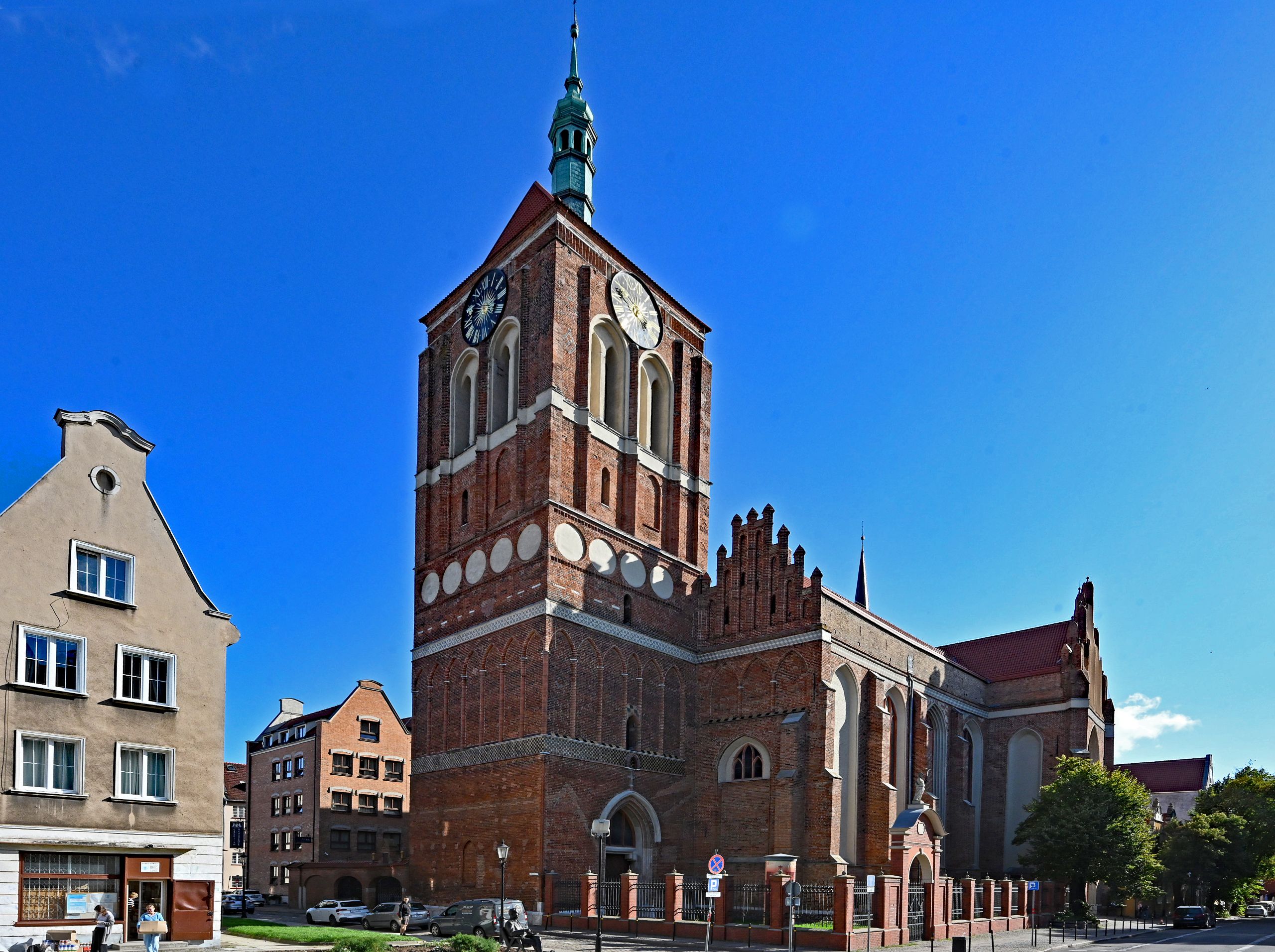
Refreshed, I walked past the Neo-Gothic exterior of the Market Hall to the Gothic St. John’s Church and exited through small St. John’s Gate back out to the water. From the promenade, the view opened up across the river to Ołowianka Island, featuring the Polish Baltic Philharmonic housed in a former 1898 power plant and the massive 17th-century Royal Granary.
Gallery 6: Market Hall Excavations, Waterfront, and St. John’s Gate
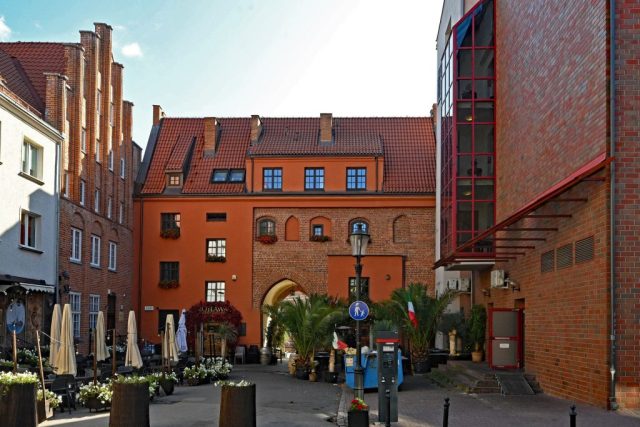


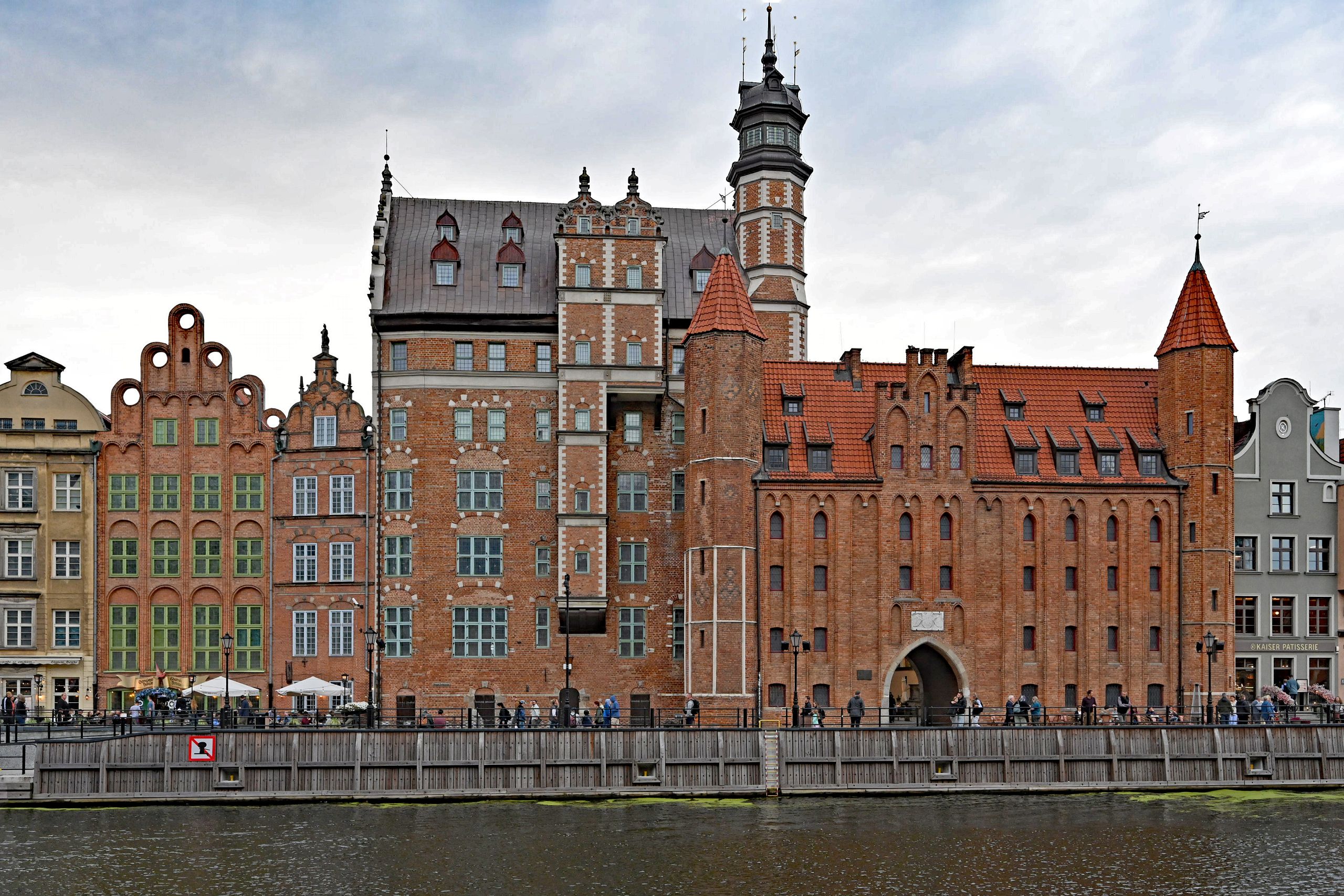
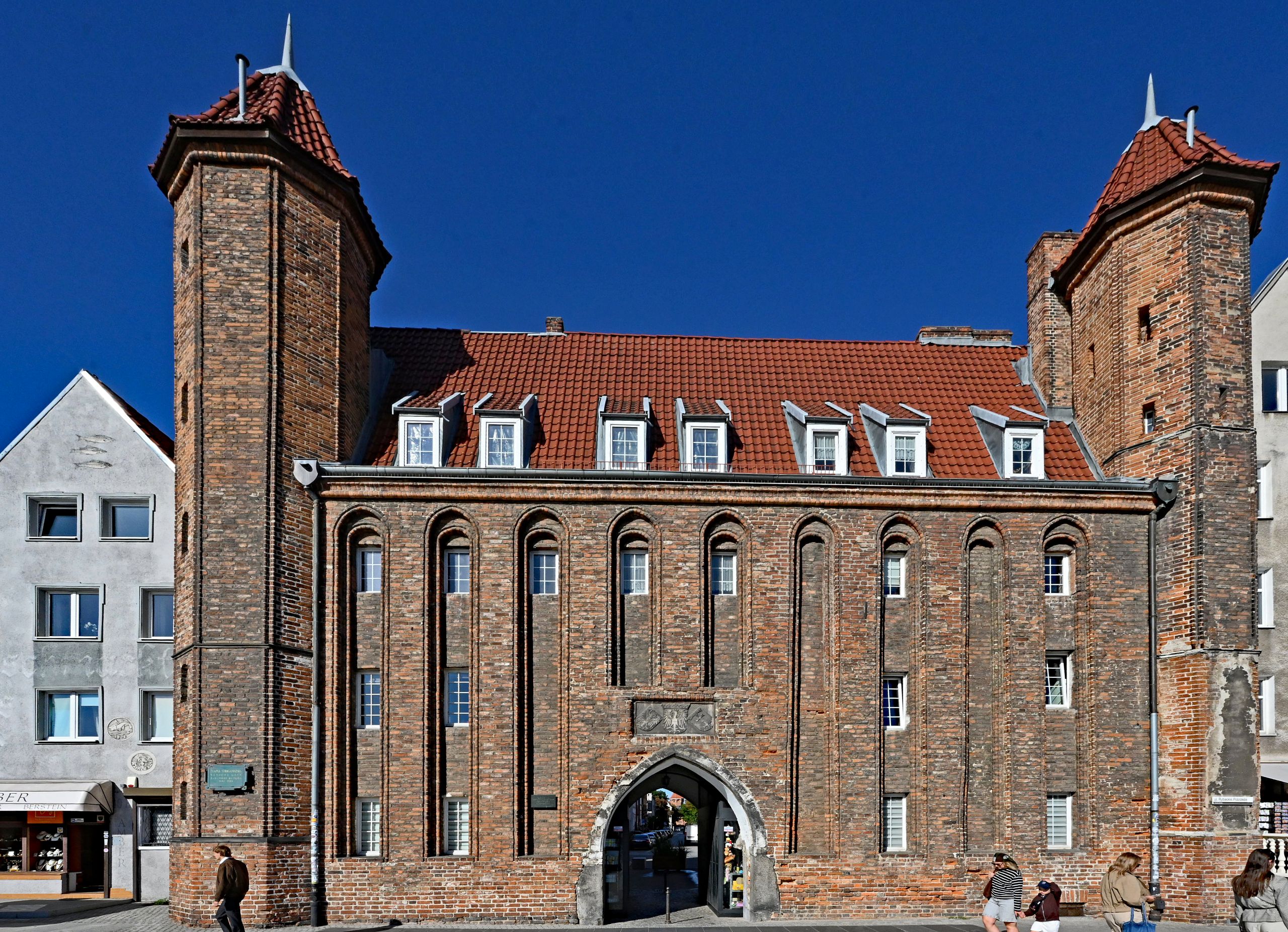
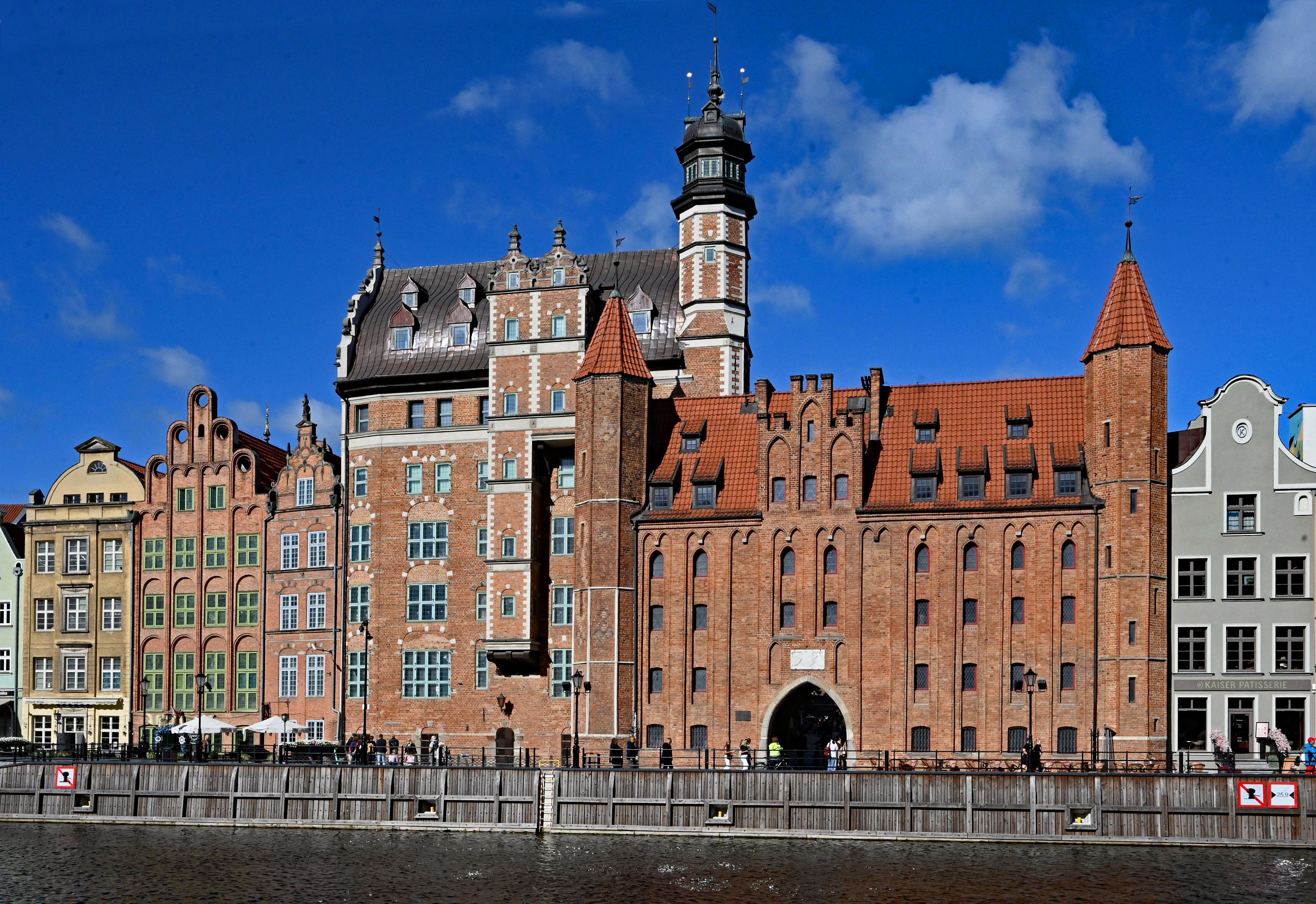
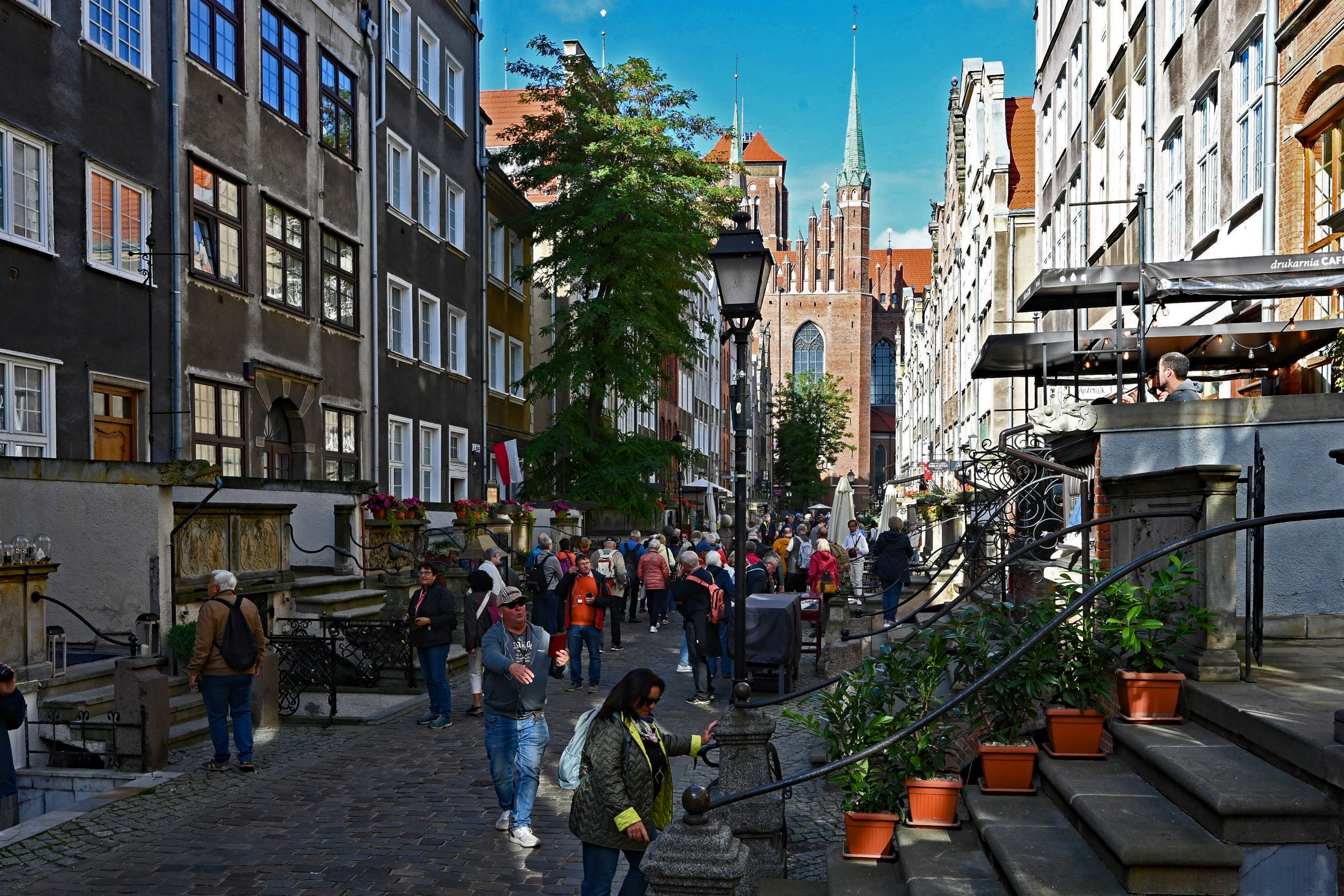
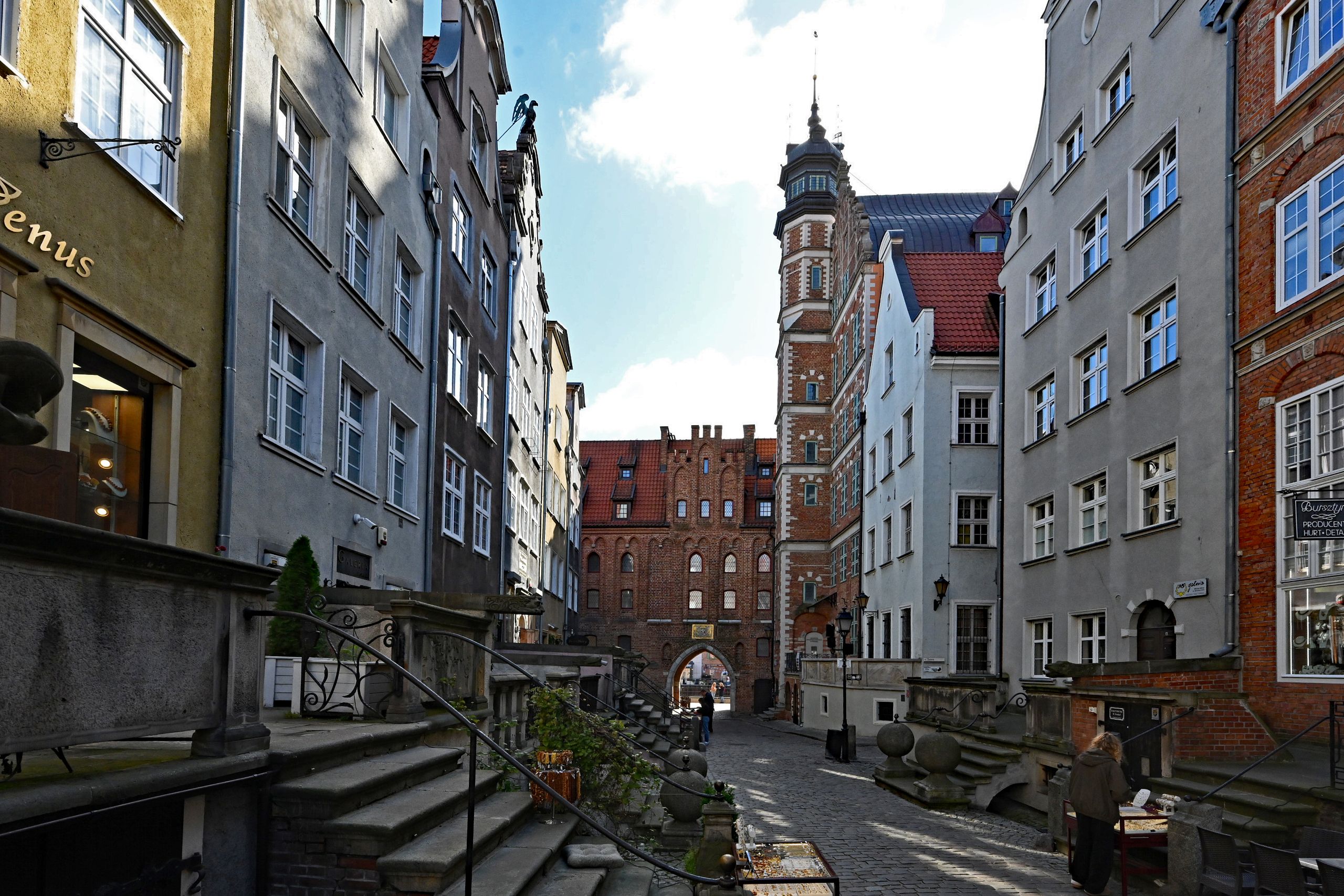
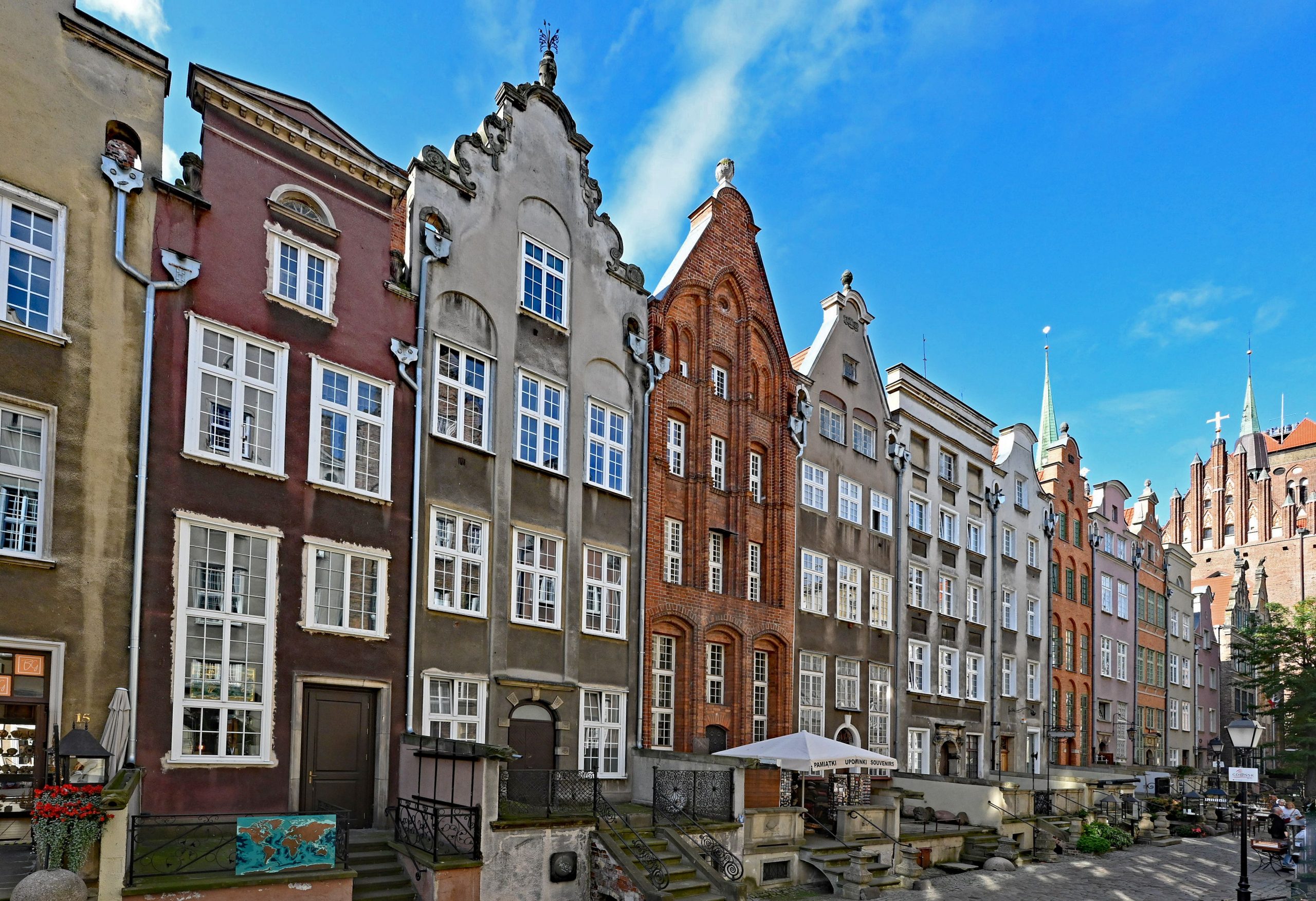
Passing the Late Gothic Hawkers’ Gate and St. Mary’s Gate, I turned into famous St. Mary’s Street (ul. Mariacka). Lined with historic stone stoops (przedproża), carved stone spheres, and amber galleries, it offered picturesque views both toward St. Mary’s Basilica and back toward St. Mary’s Gate. In the lively afternoon, my circuit closed via Beer Street, the west side of the Prison Tower on Coal Market (Targ Węglowy), and one final look across the Long Market toward the Green Gate.
Gallery 7: Stone Stoops and Old Town Lanes in the Afternoon Light
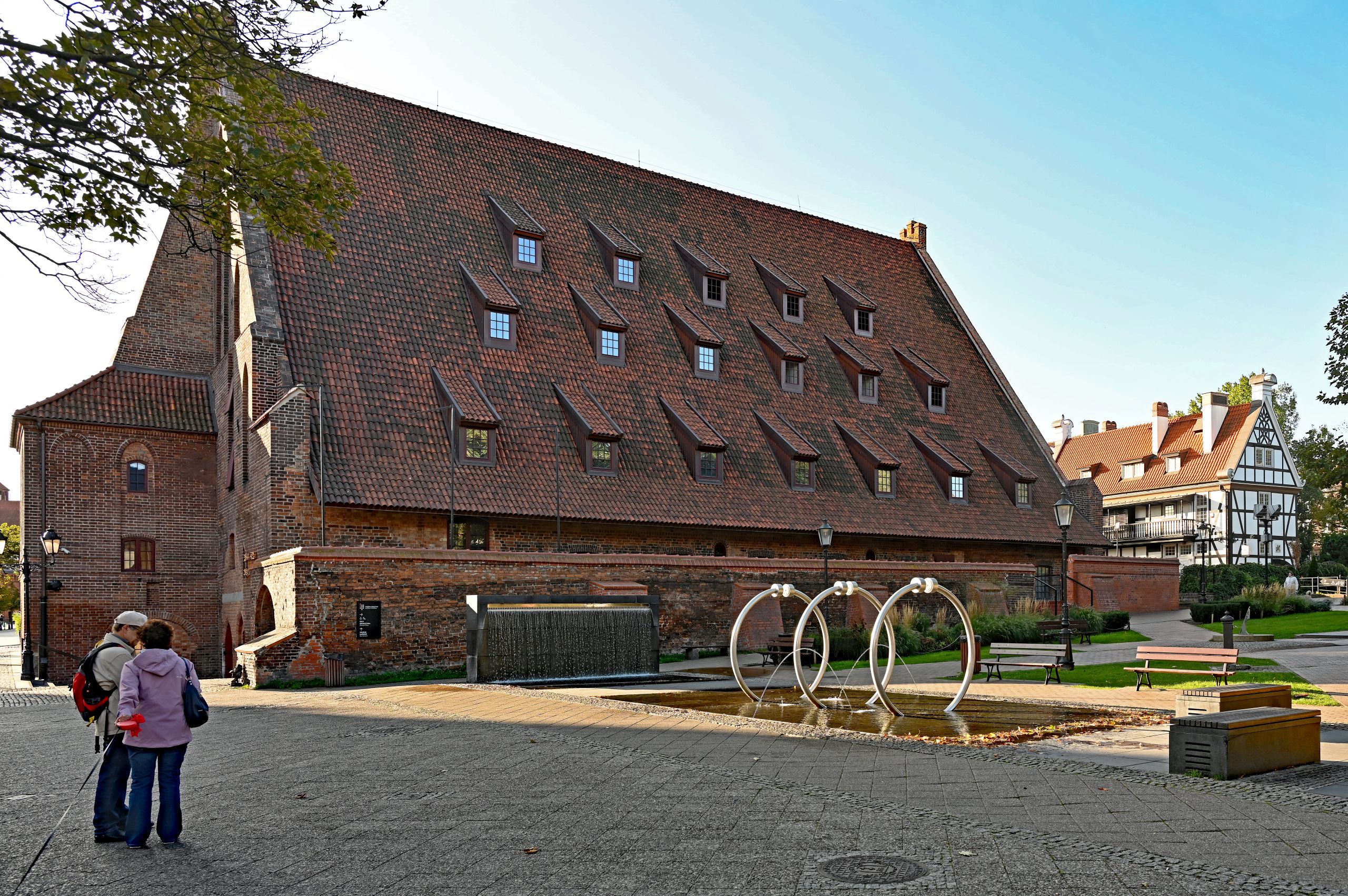
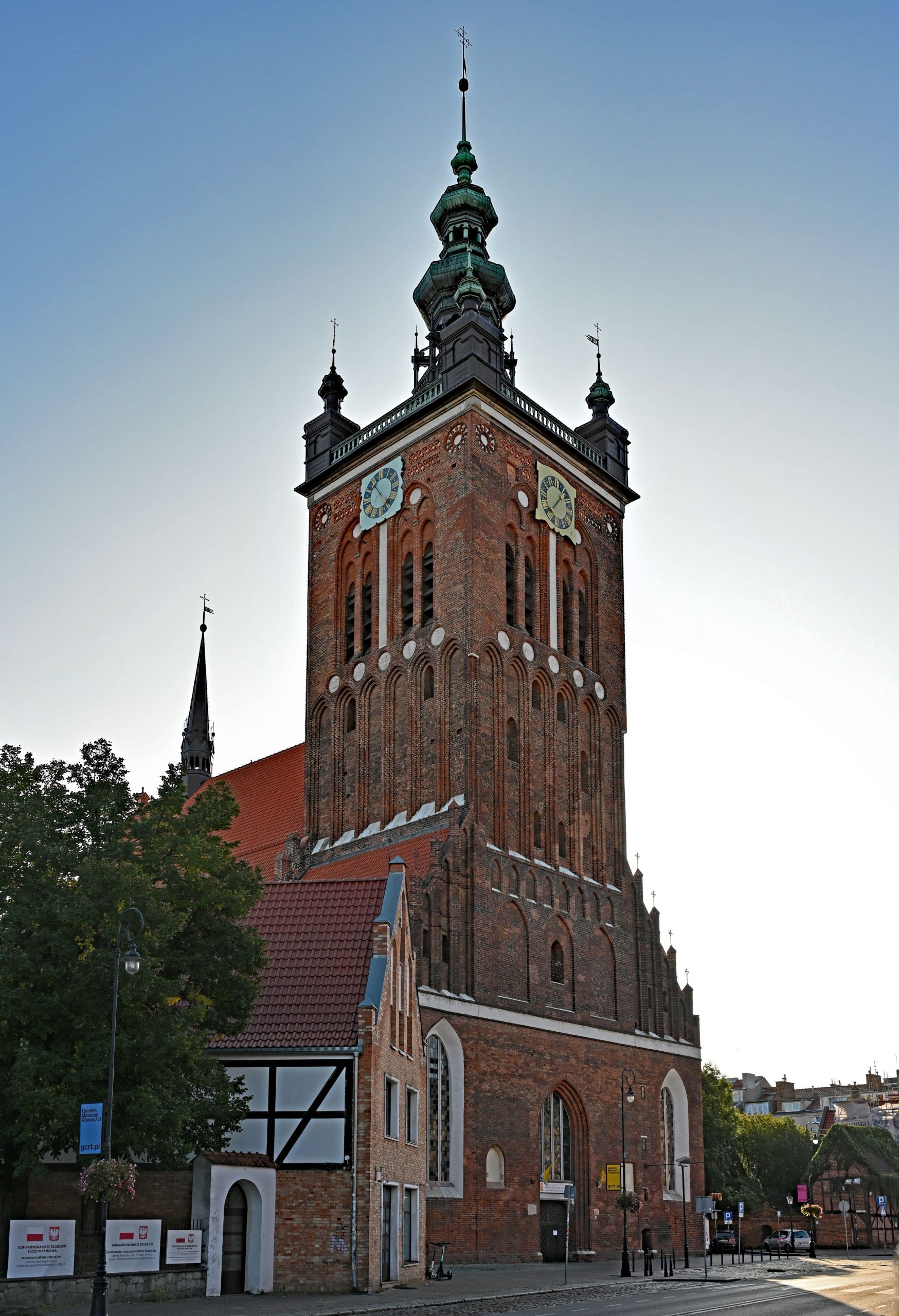
Looking through these photographs inevitably brought back memories of our family trip in 2023, when we celebrated my mother-in-law’s birthday in Gdańsk. Back then, we had explored the monumental 14th-century Great Mill—now home to the Amber Museum—alongside the modern Hevelius Fountain and the neighboring St. Catherine’s Church with its famous carillon.
Gallery 8: Family Memories of Gdańsk 2023

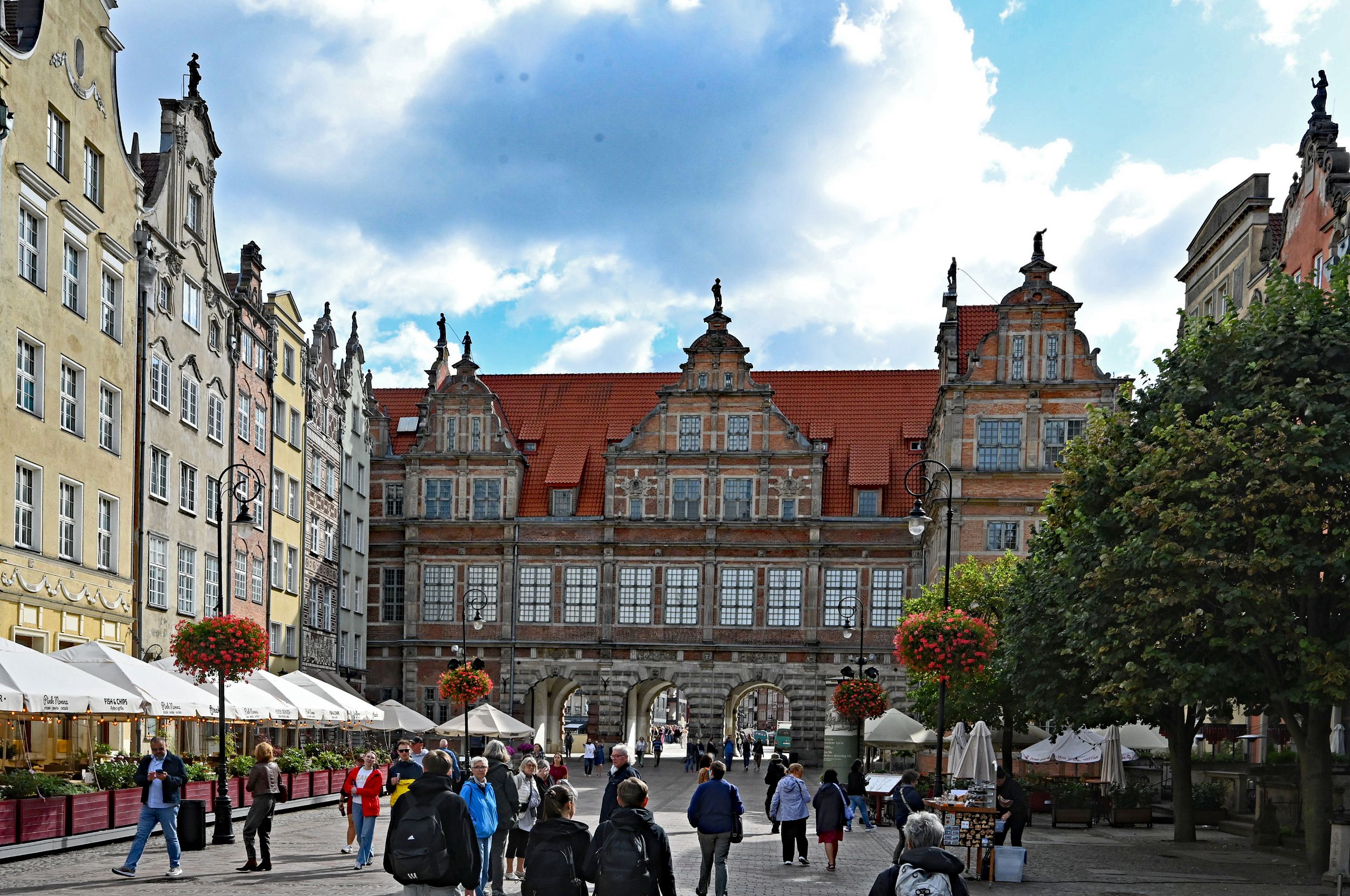
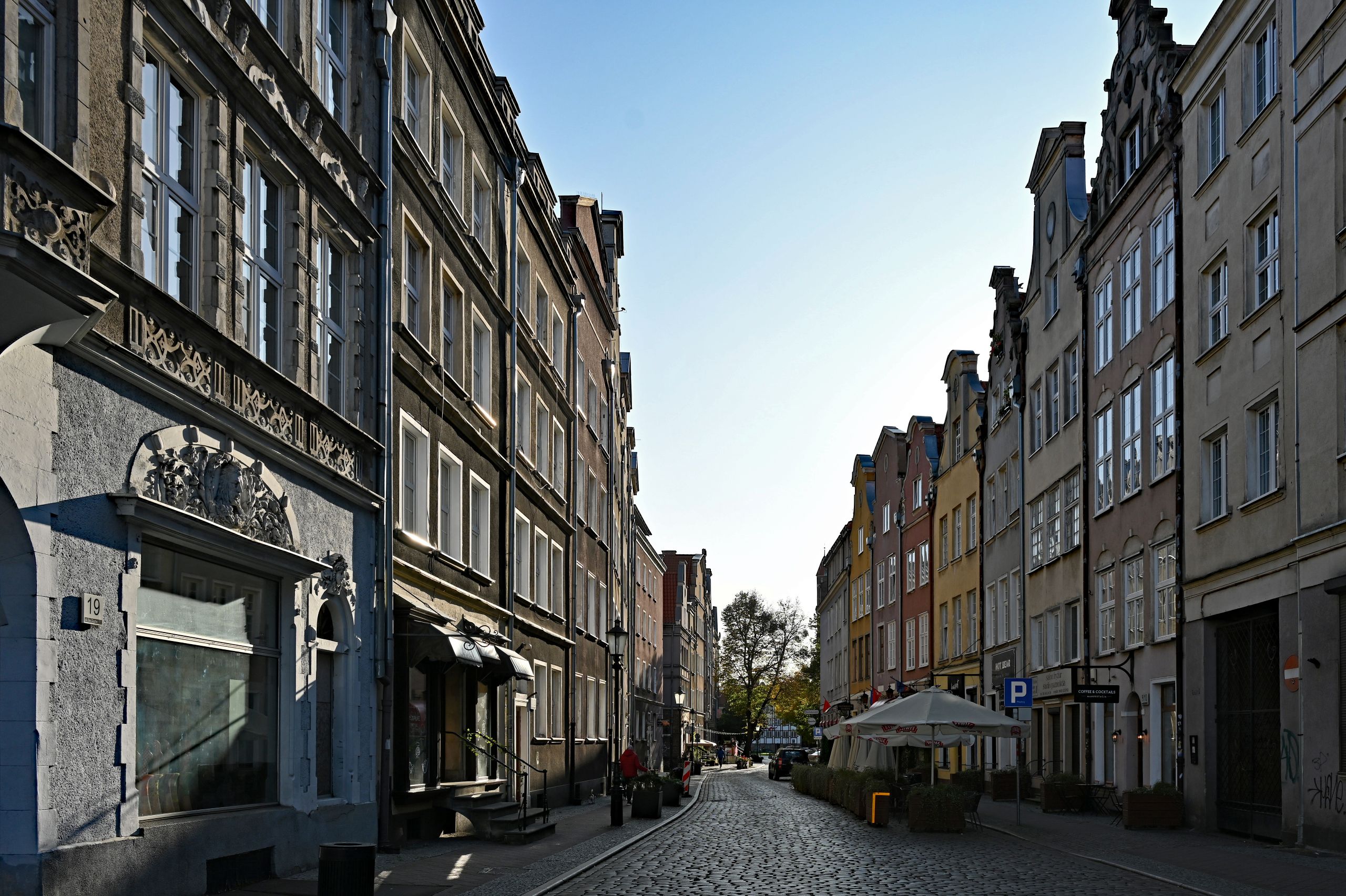
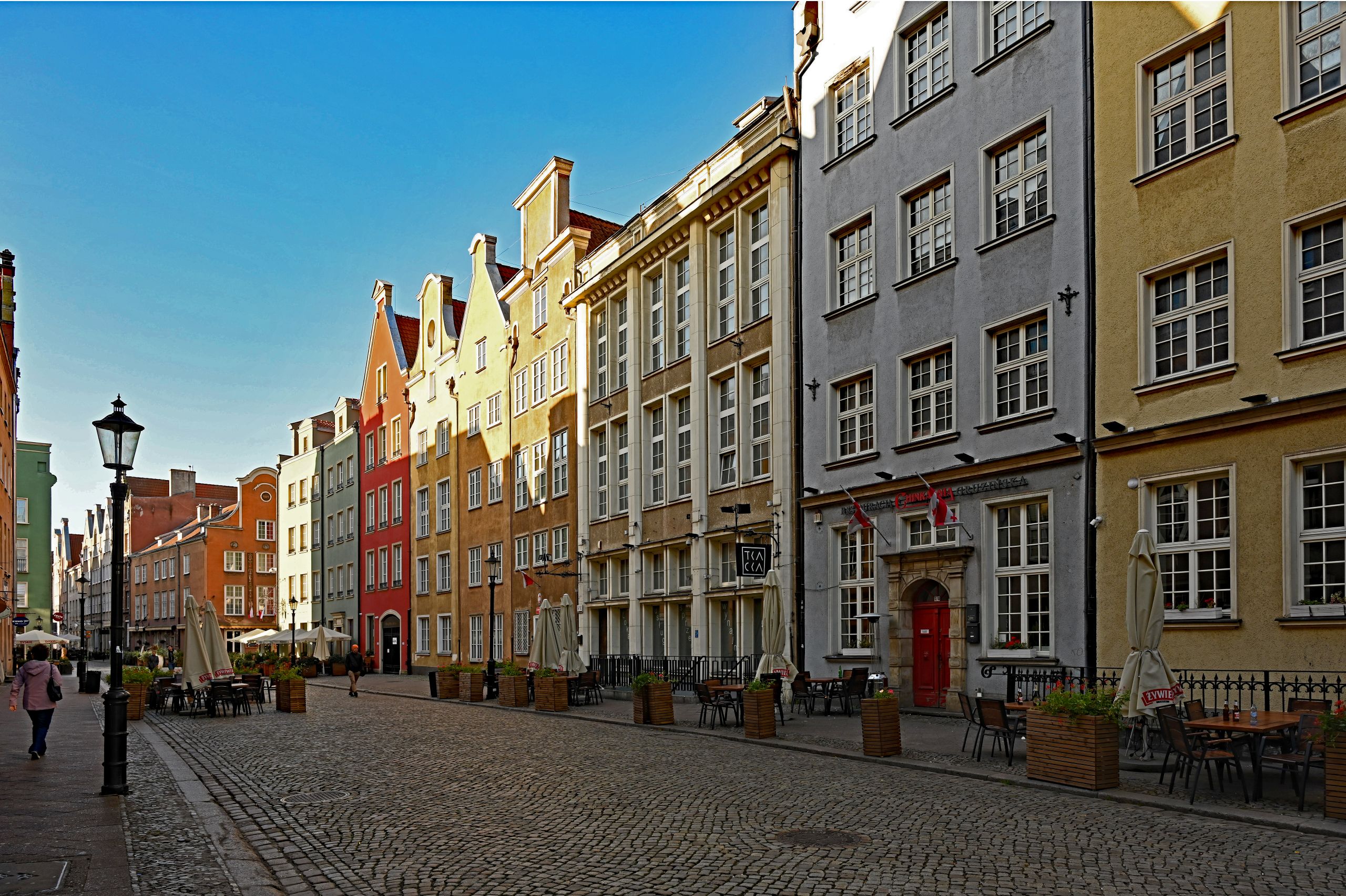
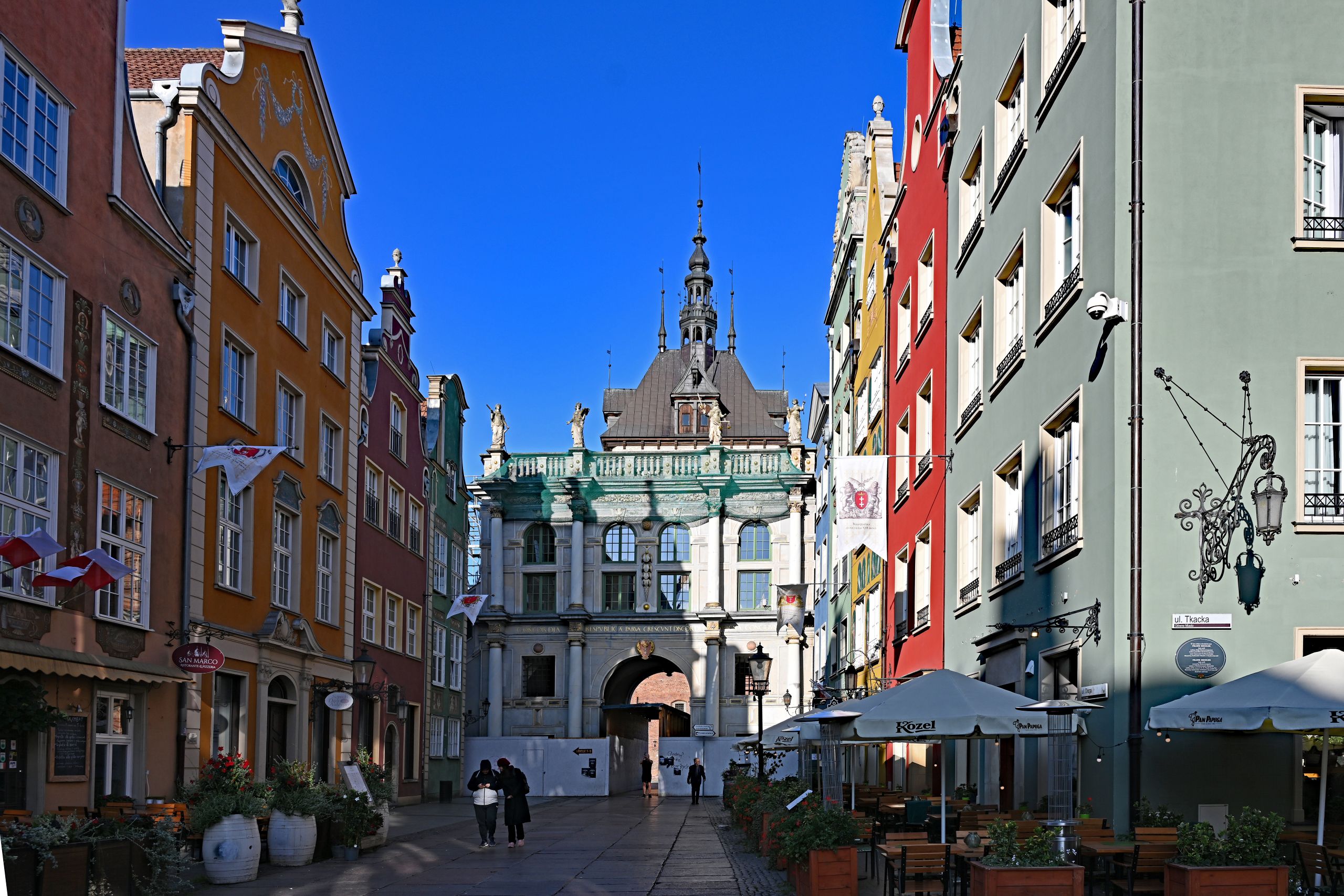
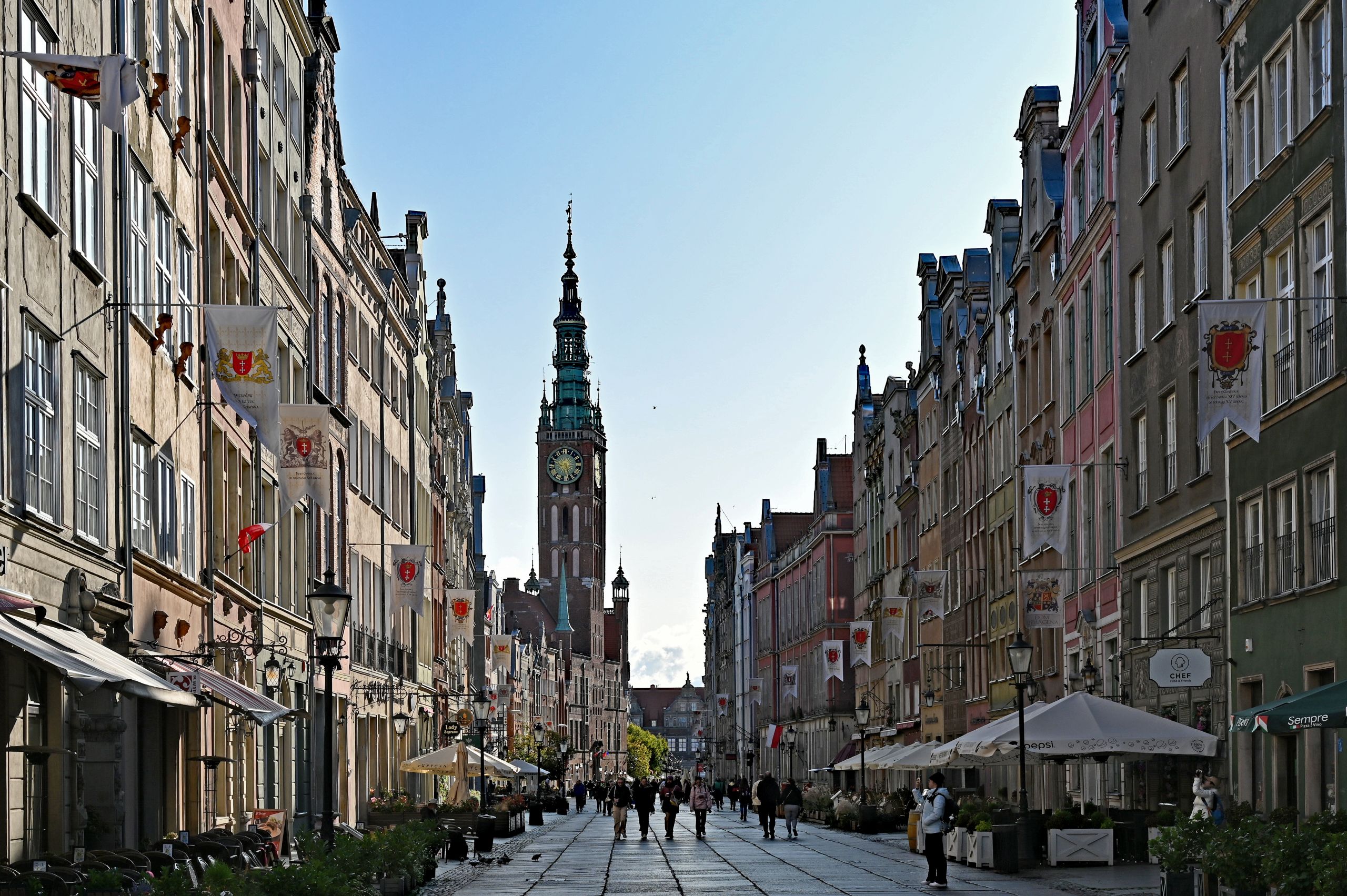
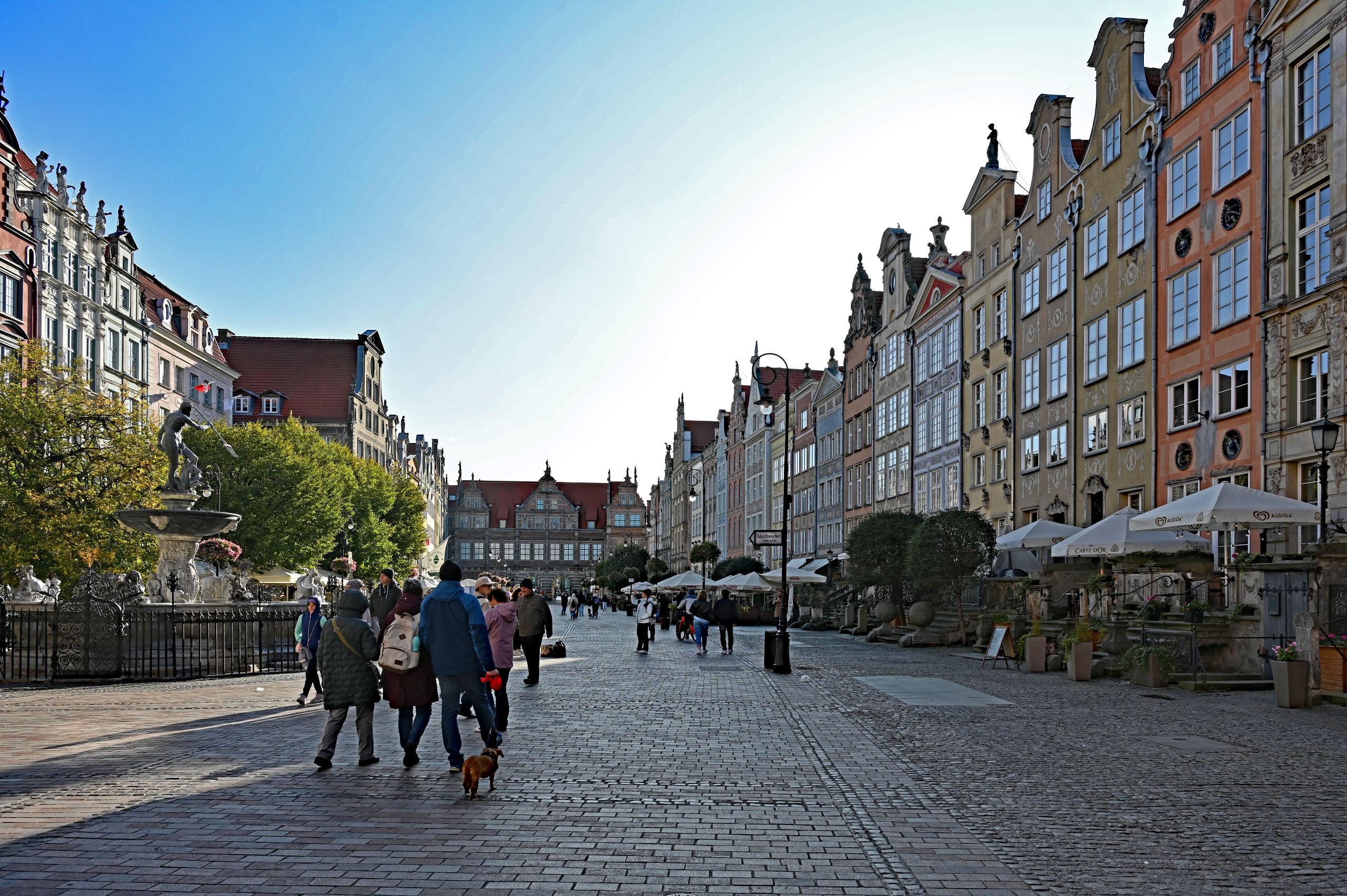
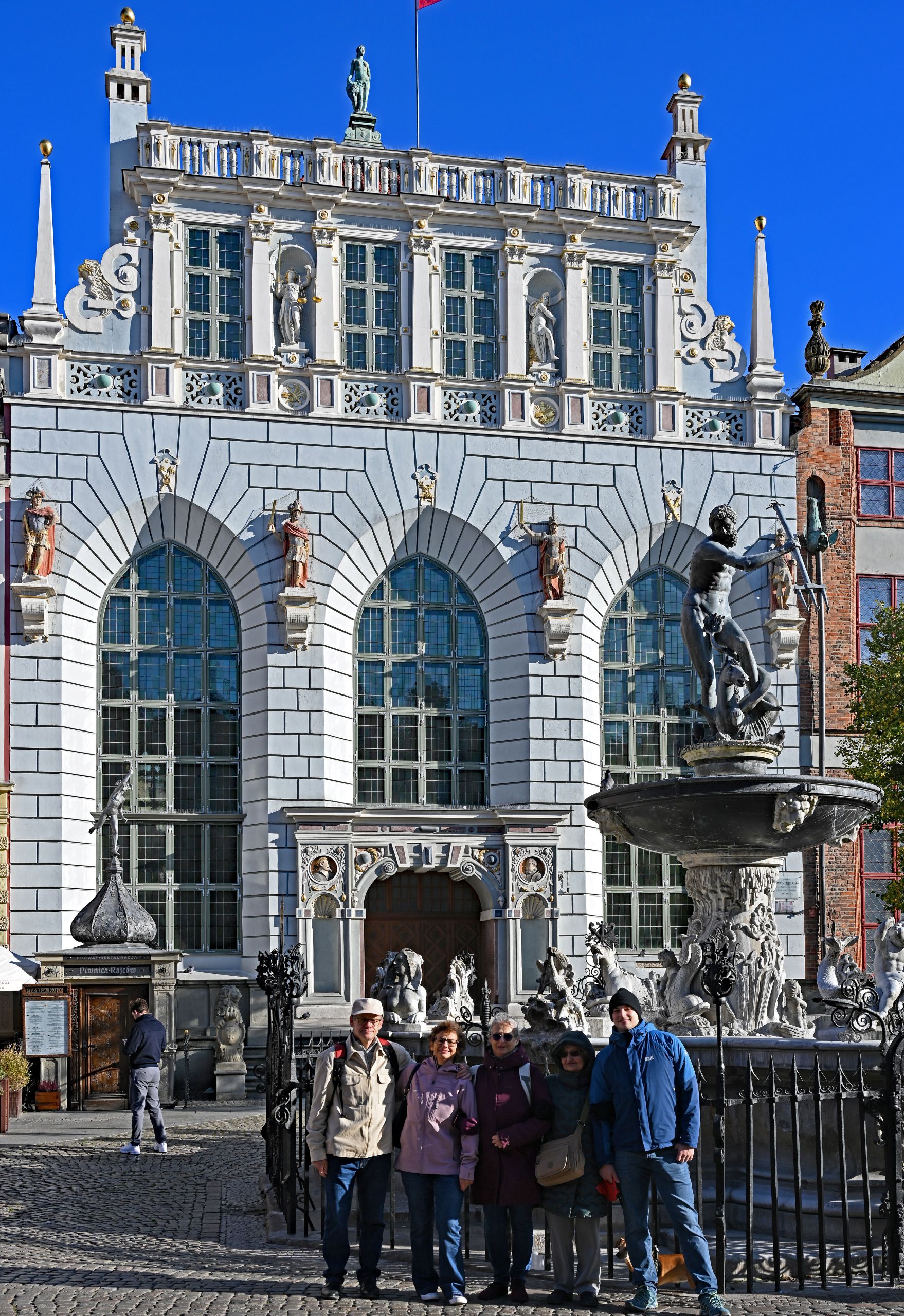
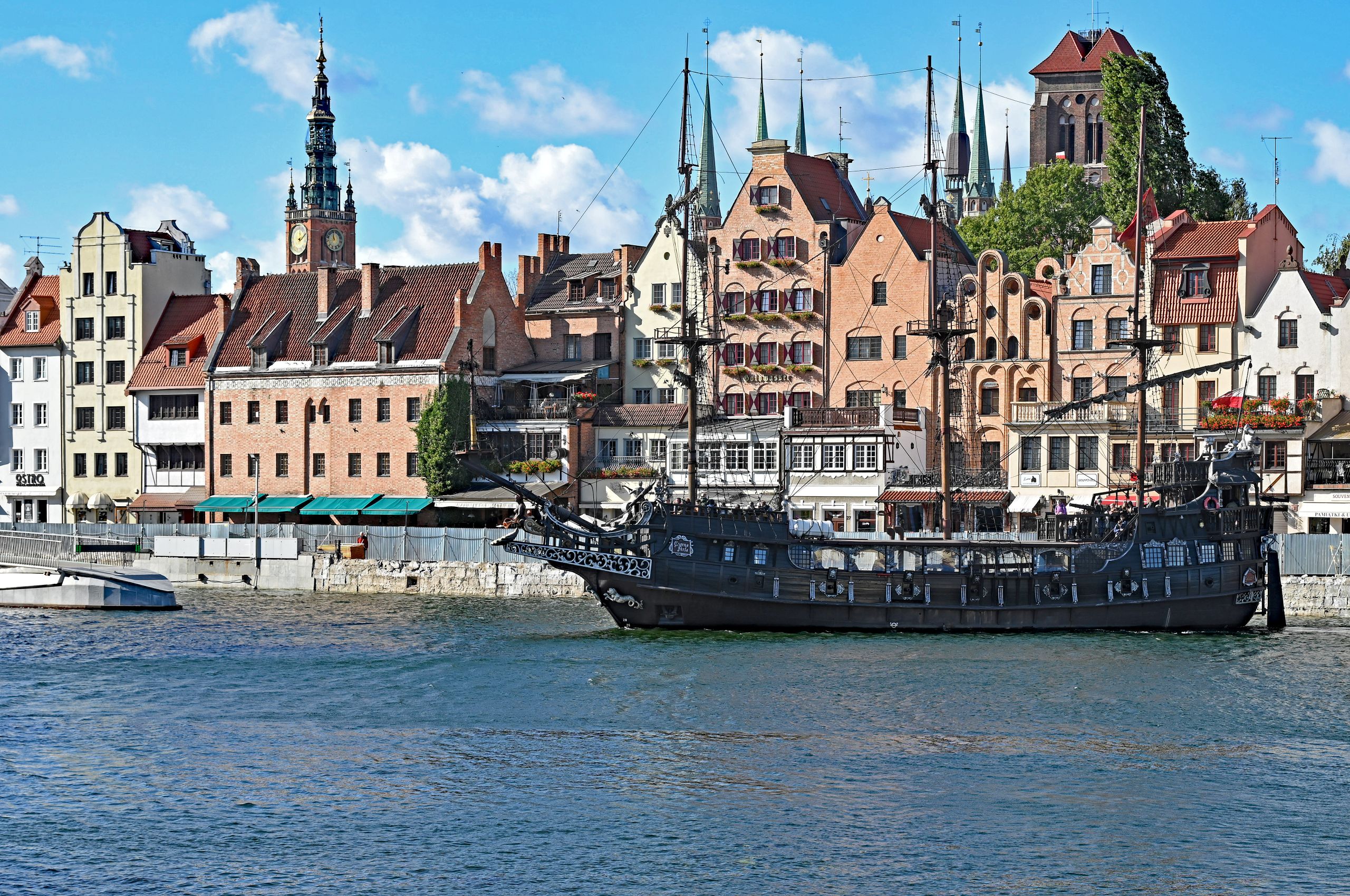
The sunlit-and-shadowed Breadmakers’ Lane (ul. Chlebnicka) and the entire Royal Way from the Golden Gate down Long Lane (ul. Długa) to the Long Market had enchanted us then as well. A group photo in front of Neptune’s Fountain and Artus Court, along with the sight of the excursion galleon “Black Pearl” (Czarna Perła) anchored before the Old Town skyline, complete these wonderful memories of a city that captivates us anew on every visit.
Gallery 9: Along Gdańsk’s Royal Way and the Motława River