
September 7, 2026 – Exploring the Hanseatic City on the Oder River with my wife Hanusia
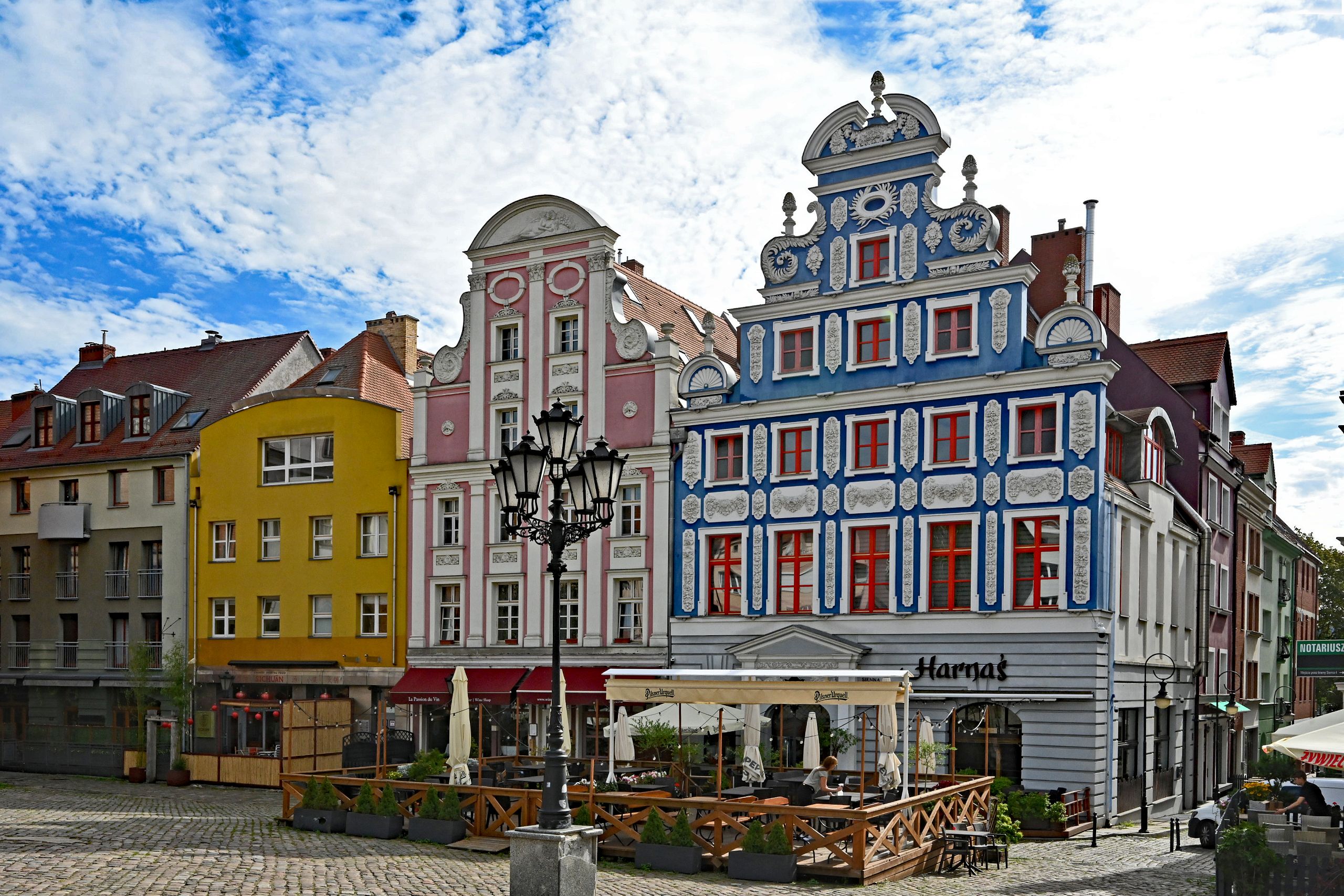
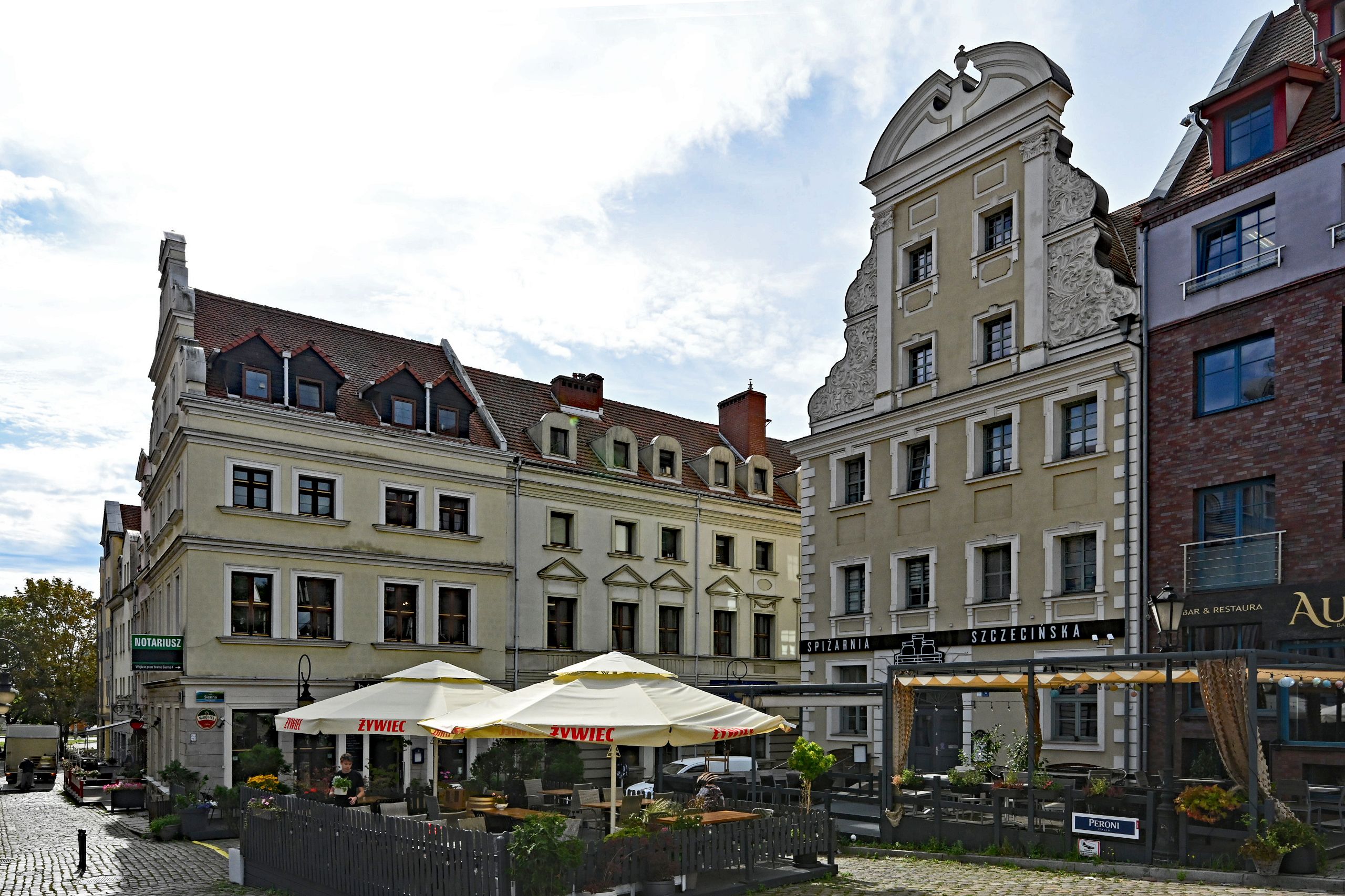
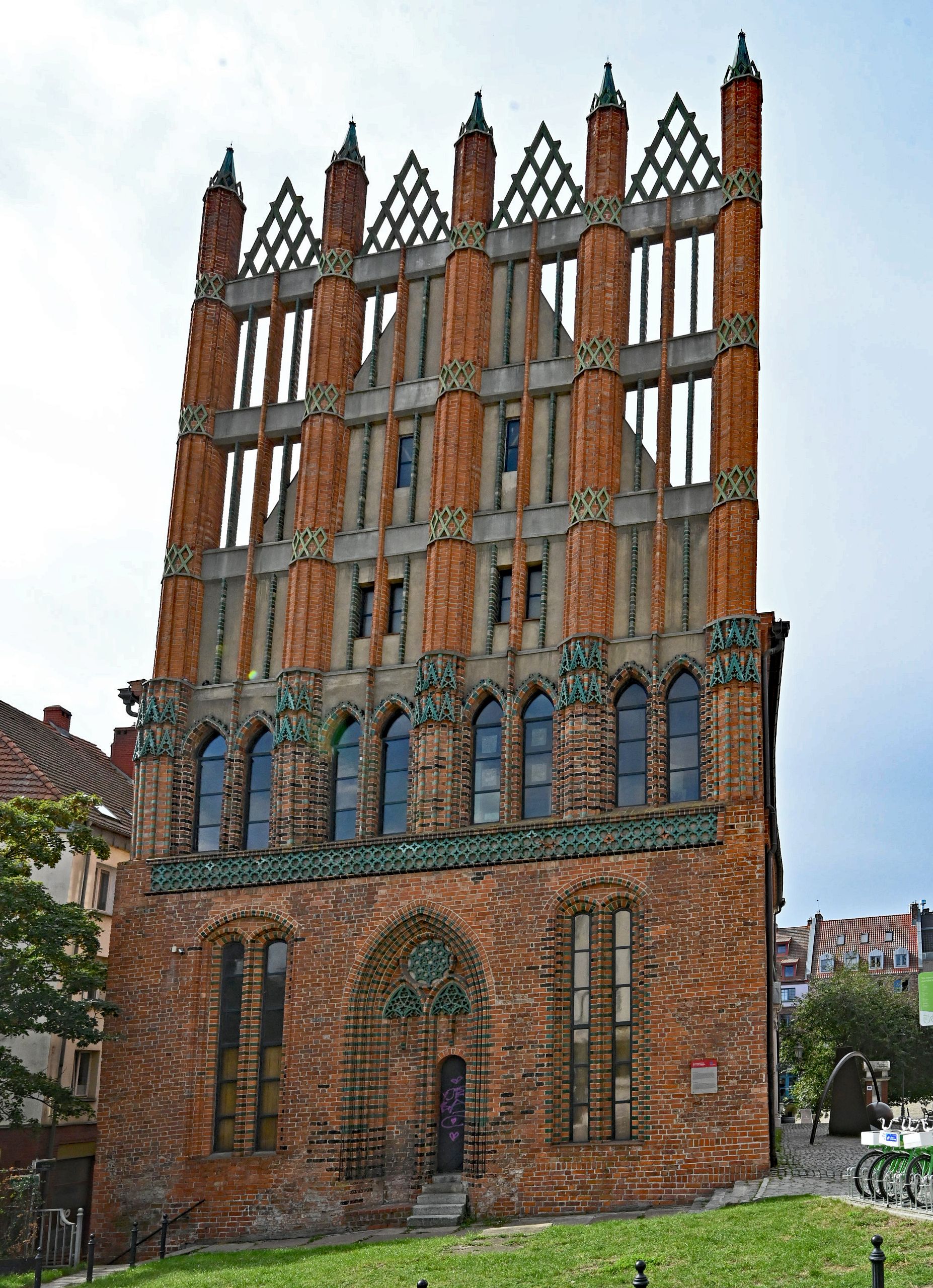
September 7, 2026 welcomed us with mild late-summer weather and pleasantly crisp air—ideal conditions for exploring Szczecin on foot together with my wife Hanusia. After just a few steps, it became clear how fascinatingly this city reflects its eventful history, spanning from a Pomeranian ducal residence and Prussian grandeur to loving post-war reconstruction. Our walk began in the heart of the rebuilt Old Town, the Stare Miasto, at the cobblestone Hay Market (Rynek Sienny). Surrounded by cozy street cafés, we admired the colorful townhouses whose historic facades were reconstructed with great attention to detail following the destruction of World War II. Particularly eye-catching were the cream-colored, richly decorated Monin House (Kamienica Moninów) and the bright blue-and-white Linsing House (Kamienica Linsinga) with its red window frames and playful Baroque gables. Right next to them, like a stone witness to the Middle Ages, rose the towering south facade of the Old Town Hall (Ratusz Staromiejski). Built in the 15th century and now housing the Museum of the History of Szczecin, it is a masterpiece of North German Brick Gothic: six slender, rounded pillars soar upward, connected at the top by delicate, green-glazed tracery screens to form an impressive showpiece wall.
Gallery 1: Colorful Old Town and the Ducal Castle of Pomerania
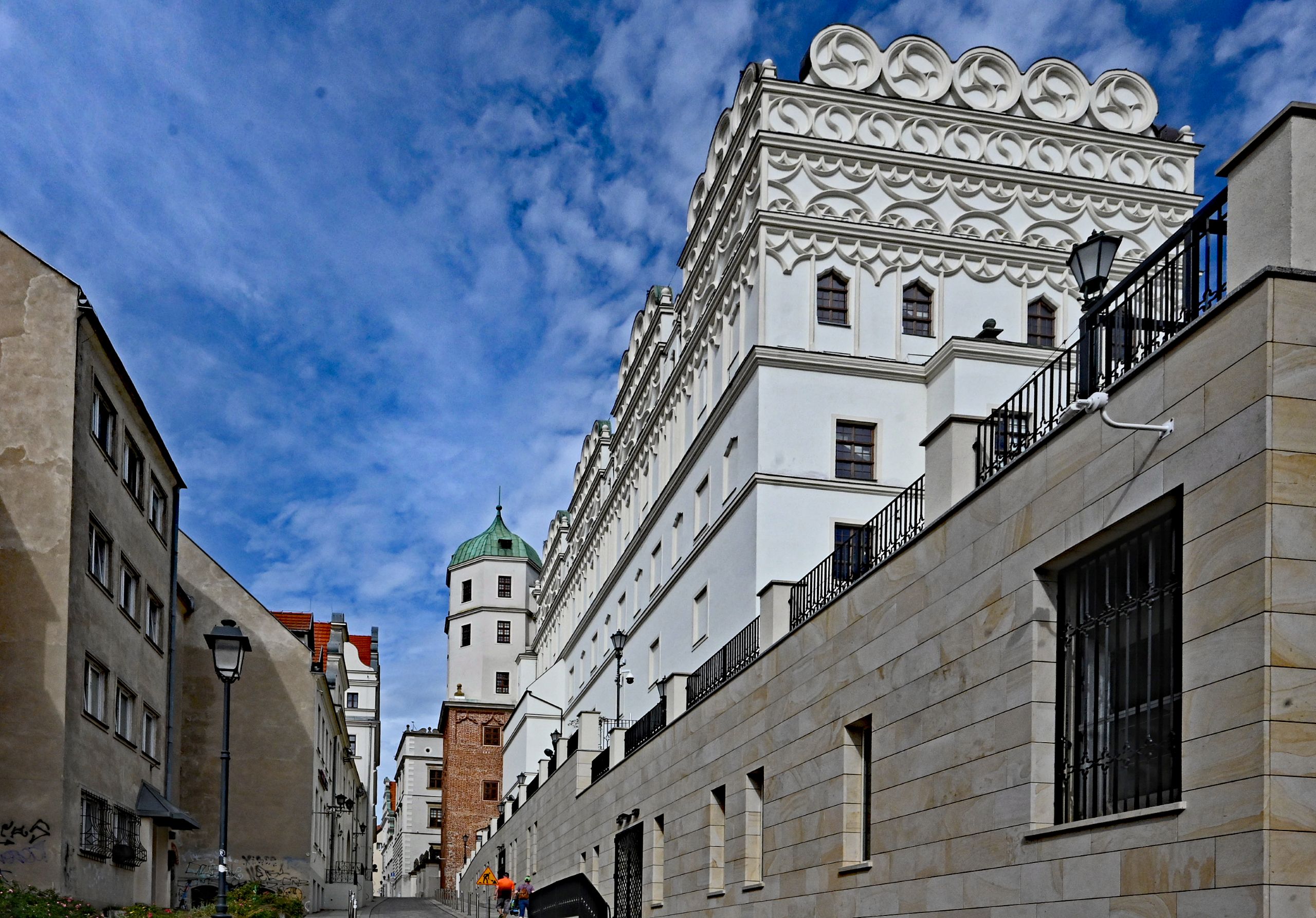
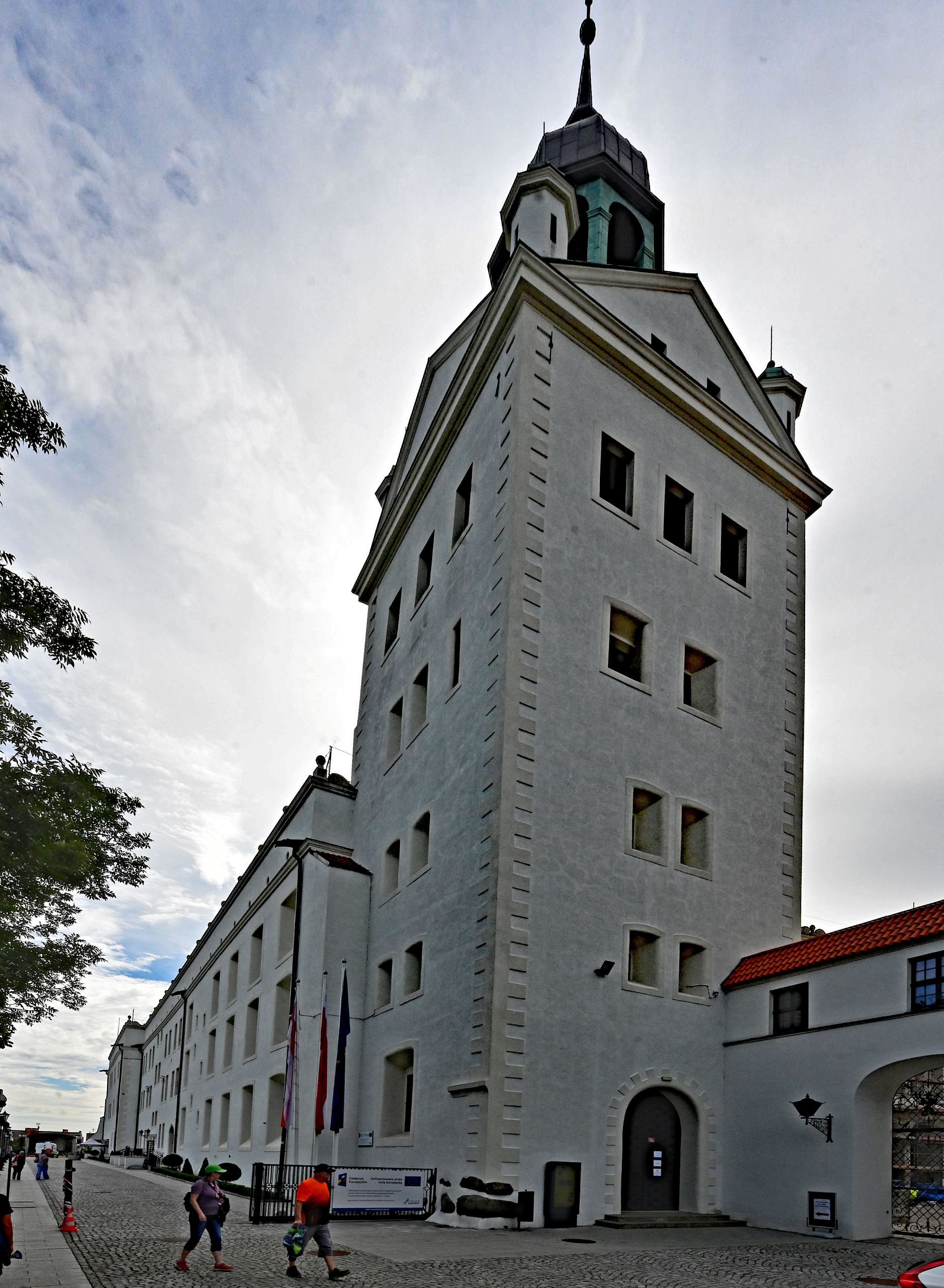
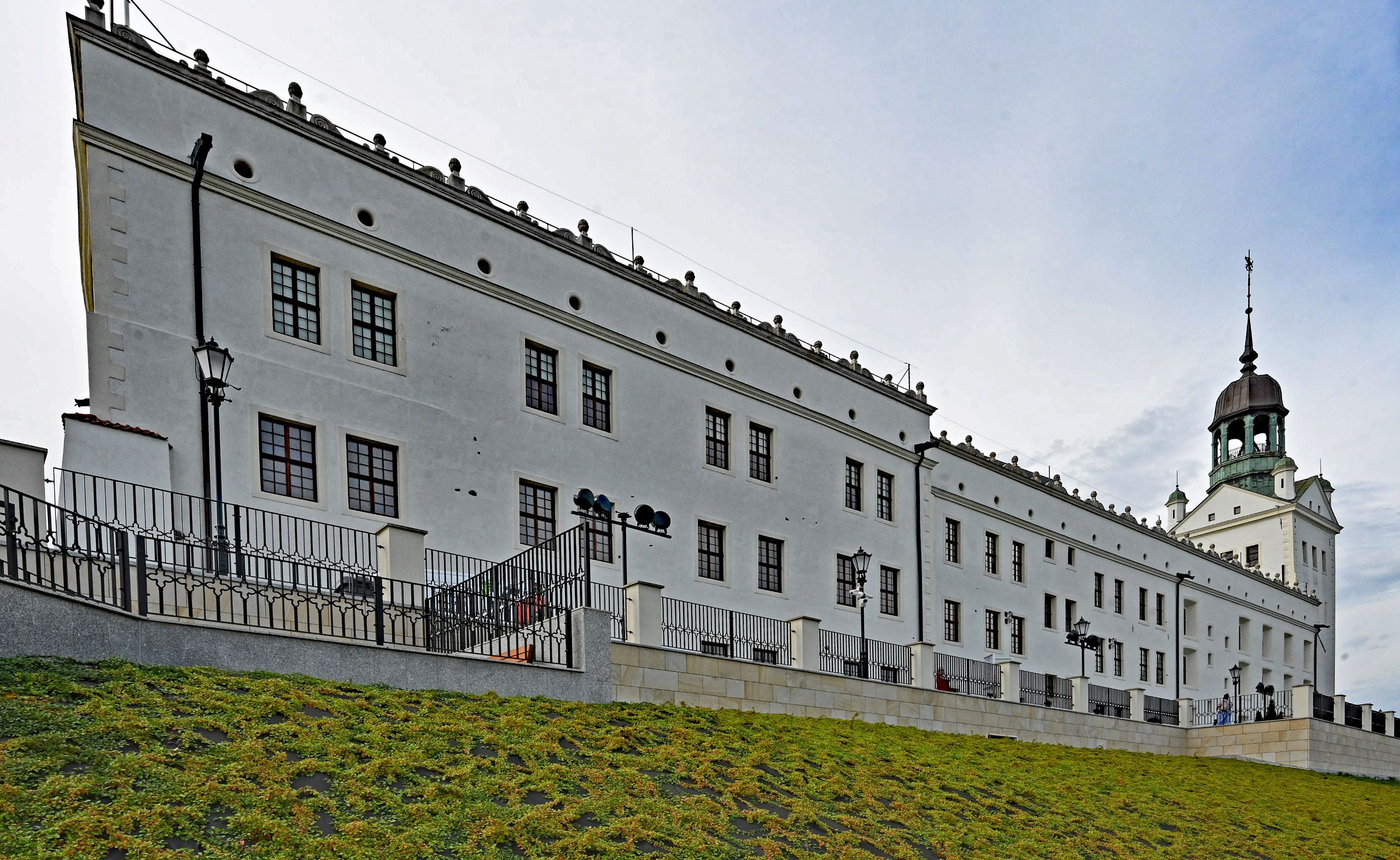
From the lower Old Town, we followed the rising lane ulica Kuśnierska up to Castle Hill, where the gleaming white Ducal Castle of Pomerania (Zamek Książąt Pomorskich) awaited us. For centuries, this complex served as the ancestral seat of the House of Griffin, the dukes who ruled Pomerania. After conquering the climb, we stood before the massive Renaissance wings with their characteristic sweeping decorative gables and roof attics. Especially impressive was the view along the north side with its modern viewing terraces and wrought-iron railings, watched over by the tallest of the four castle towers, the Bell Tower (Wieża Dzwonów), crowned with its green copper dome and fine corner quoins.
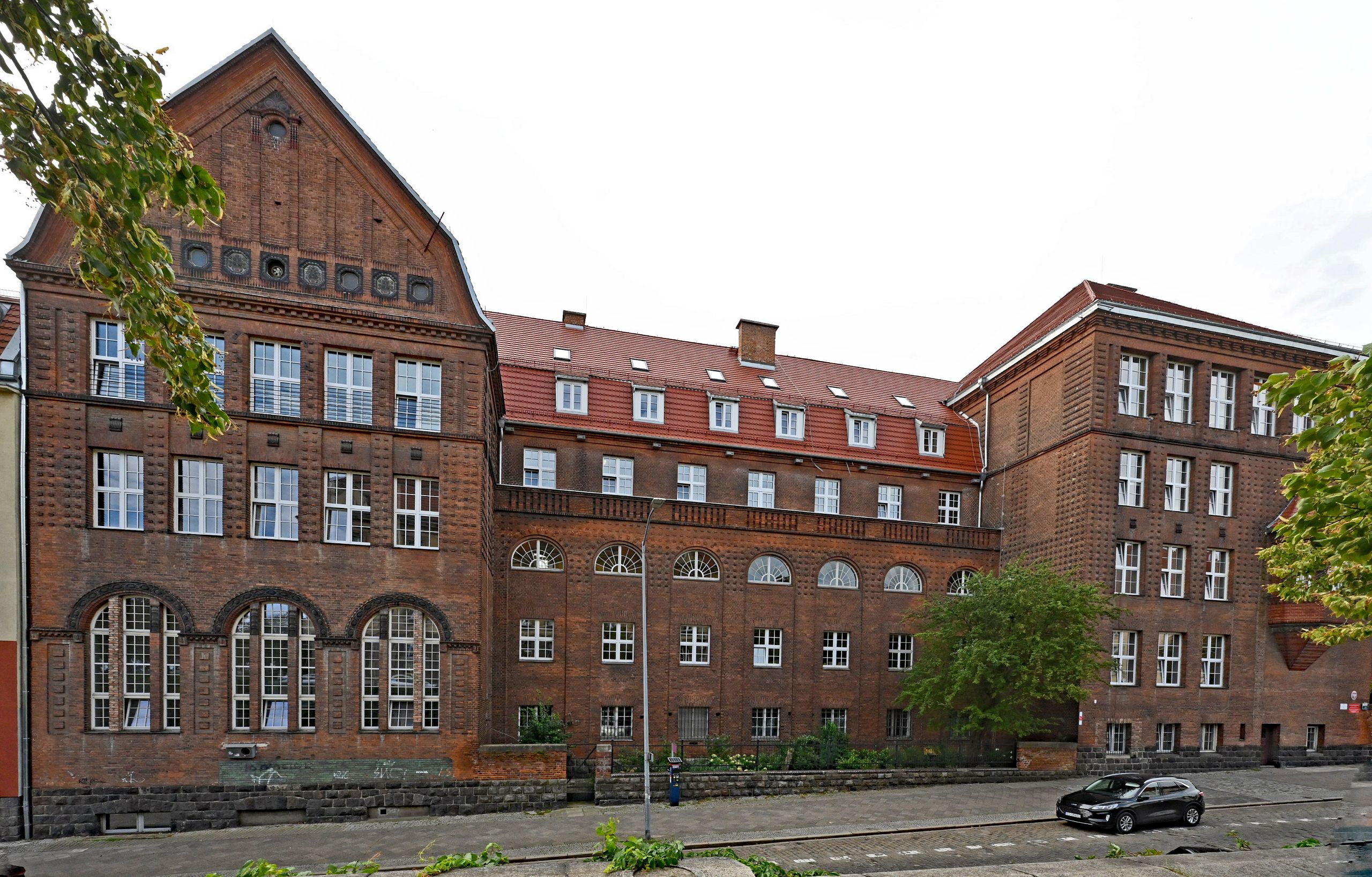
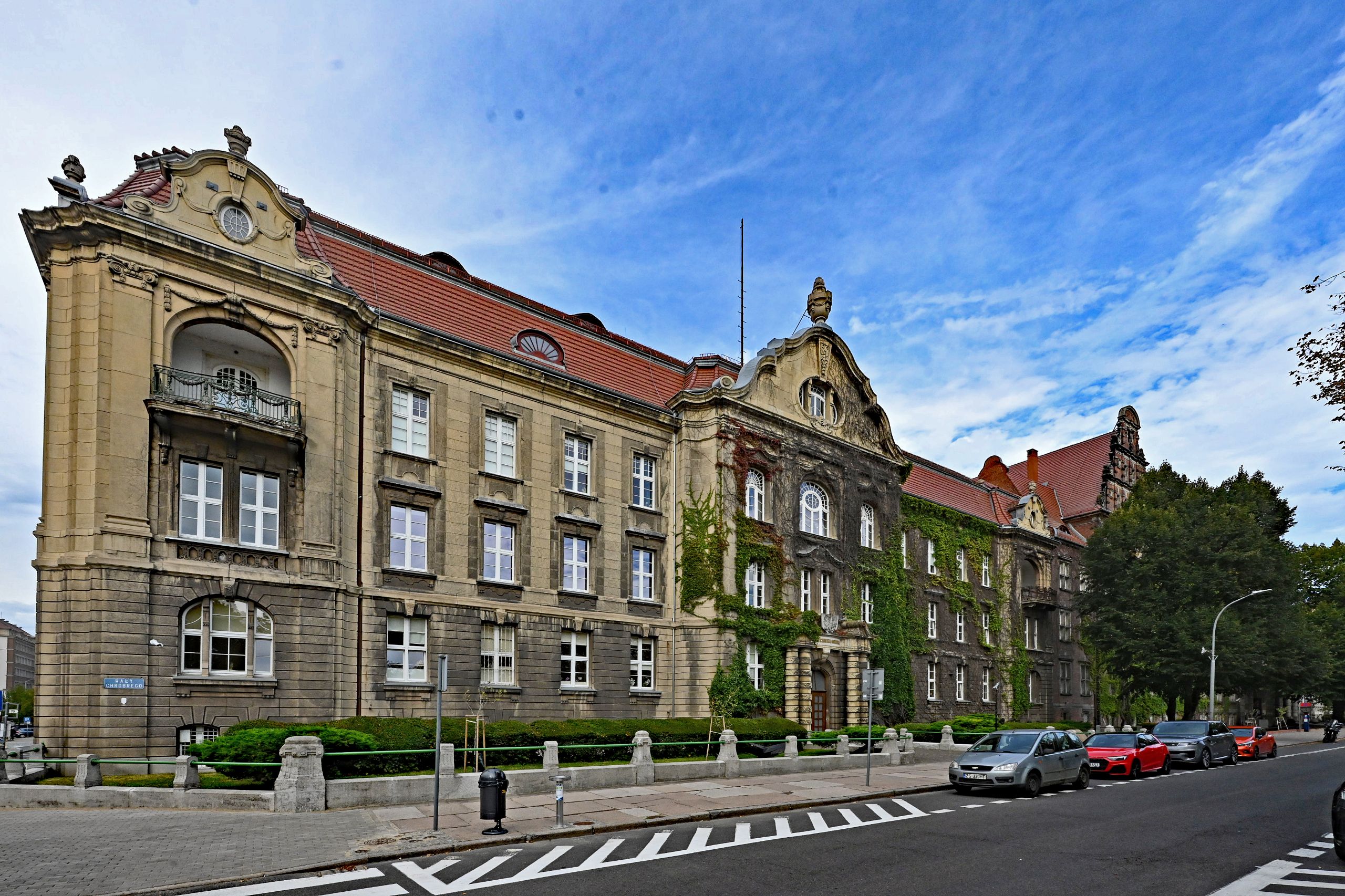
Our path continued northward through the leafy, spaciously laid-out Szczecin of the early 20th century. At ulica Małopolska 22, we paused in front of a dignified brick building: the former Elisabeth Lyceum, built starting in 1914 and today home to the Szczecin Sports School (Zespół Szkół Sportowych). Its architecture elegantly combines elements of Reform architecture with Neoclassical and Baroque forms, recognizable by the round decorative medallions, large arched windows, and dark natural stone plinth. Just a few minutes’ walk further, arguably the city’s most famous panorama opened up before us: the Chrobry Embankment (Wały Chrobrego, formerly Hakenterrassen), perched high above the west bank of the Oder River. Laid out at the beginning of the 20th century under Mayor Hermann Haken, this grand promenade unites monumentality with sweeping views across the river. Right at the southern end, we were greeted by the ivy-clad main building of the Maritime University of Szczecin (Politechnika Morska w Szczecinie), constructed between 1902 and 1921 in the North German Neo-Renaissance and Neo-Baroque styles with curved gables and a covered loggia.
Gallery 2: From the Elisabeth Lyceum to the Monumental Chrobry Embankment
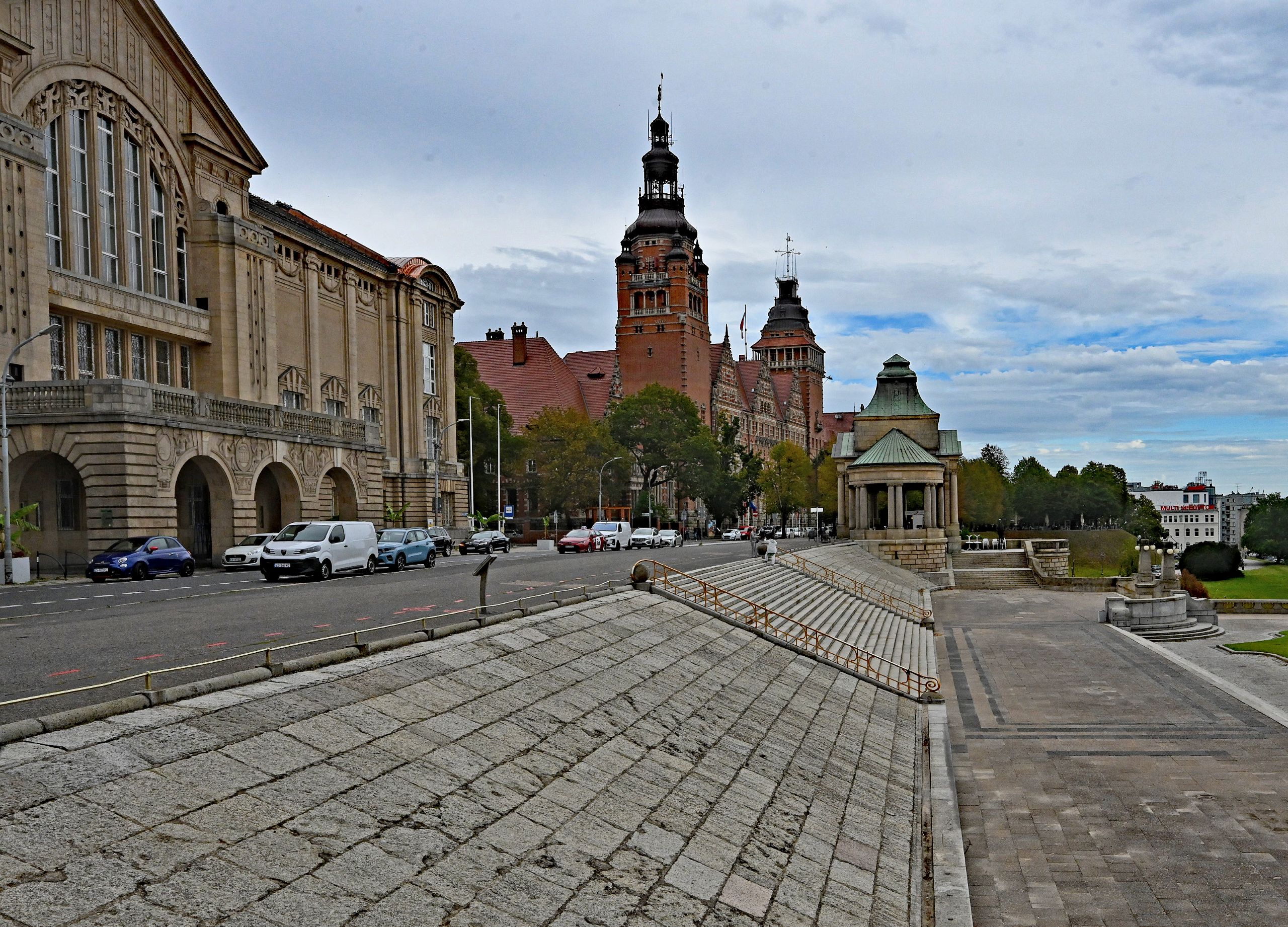
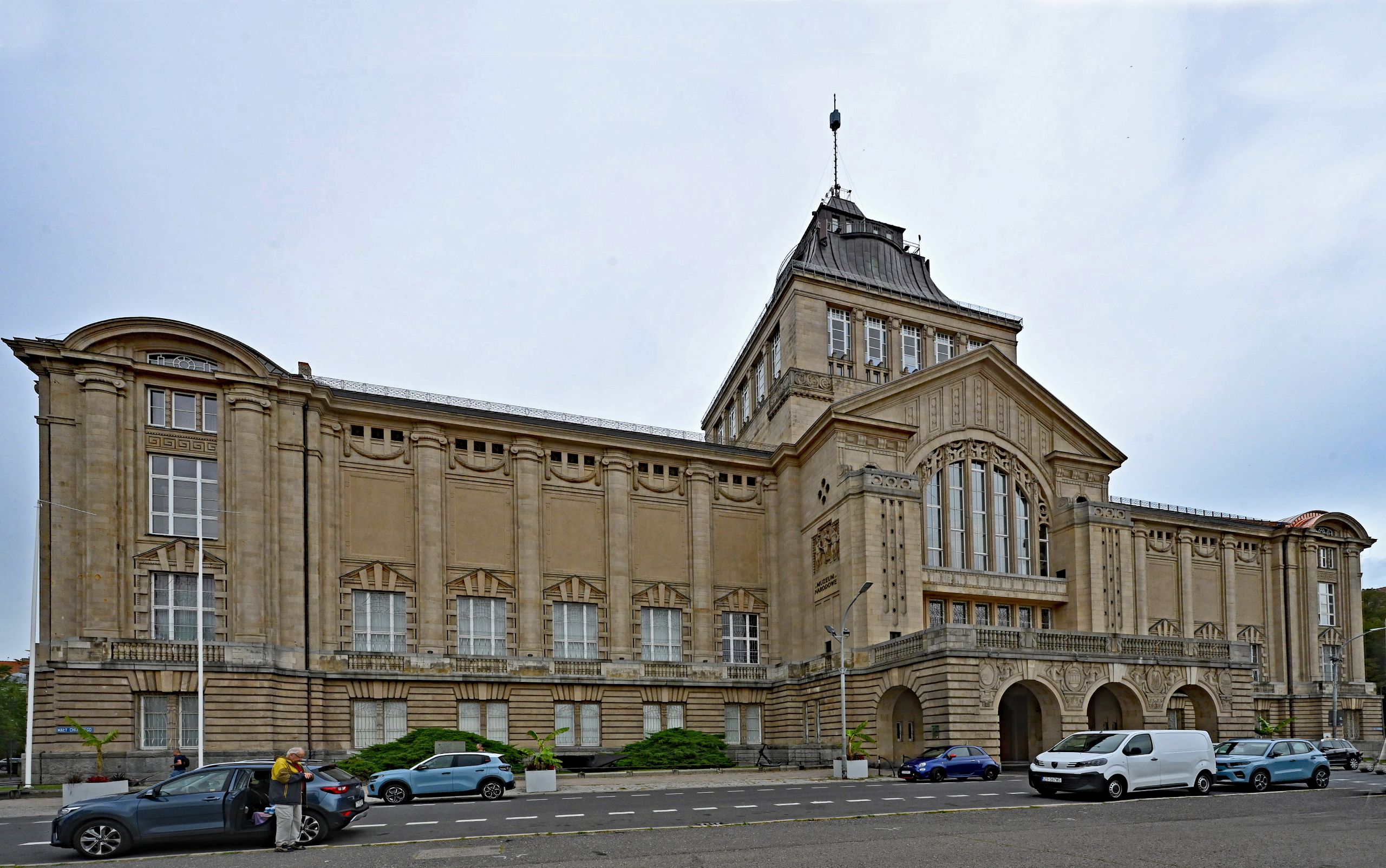
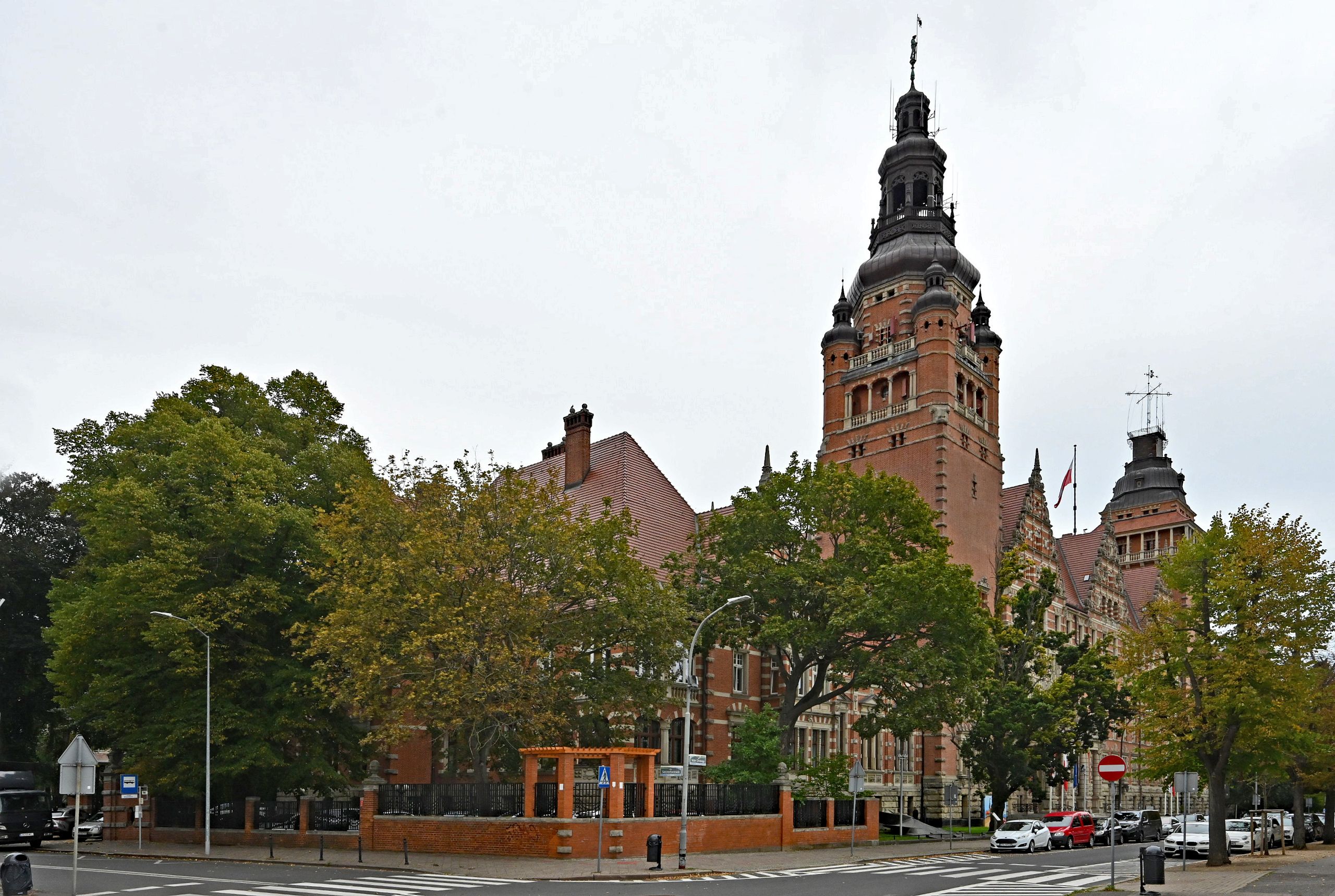
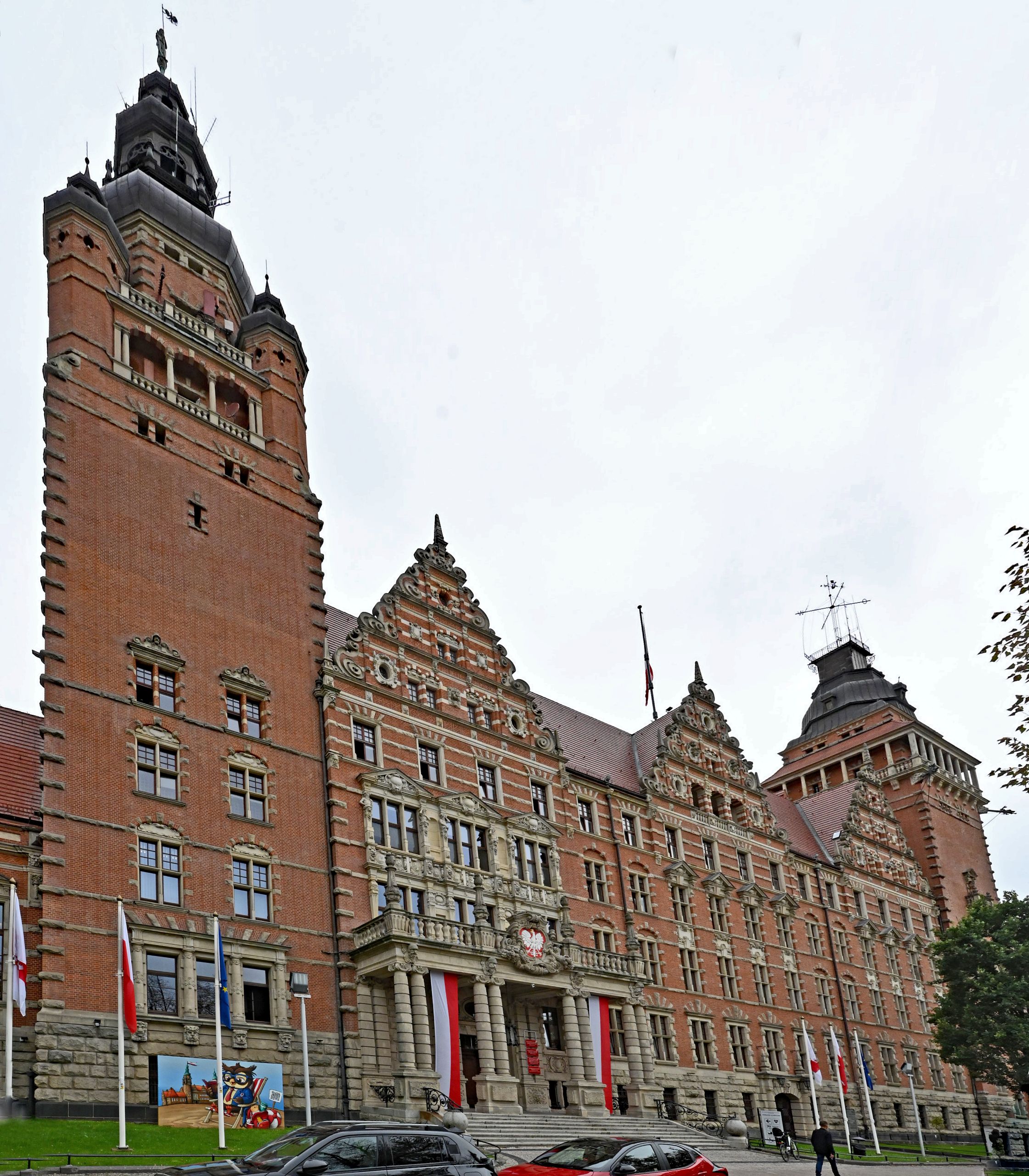
Strolling along the broad terraced complex with its grand staircases and two characteristic columned pavilions topped with curved copper roofs, we could hardly stop marveling. At the center of Wały Chrobrego stands the National Museum in Szczecin (Muzeum Narodowe w Szczecinie), built between 1908 and 1913 under city architect Wilhelm Meyer-Schwartau in a blend of Neoclassical and Art Nouveau styles. Its sandstone-colored facade, featuring round-arched arcades, massive pilasters, and a tall central tower, radiates an almost palace-like serenity. Right next door, the West Pomeranian Voivodeship Office (Zachodniopomorski Urząd Wojewódzki) provides a vibrant contrast: erected between 1906 and 1911 in the North German Renaissance style out of red brick and light sandstone, the complex is crowned by two mighty towers with copper domes, while the Polish coat of arms and white-and-red flags mark the columned main entrance.
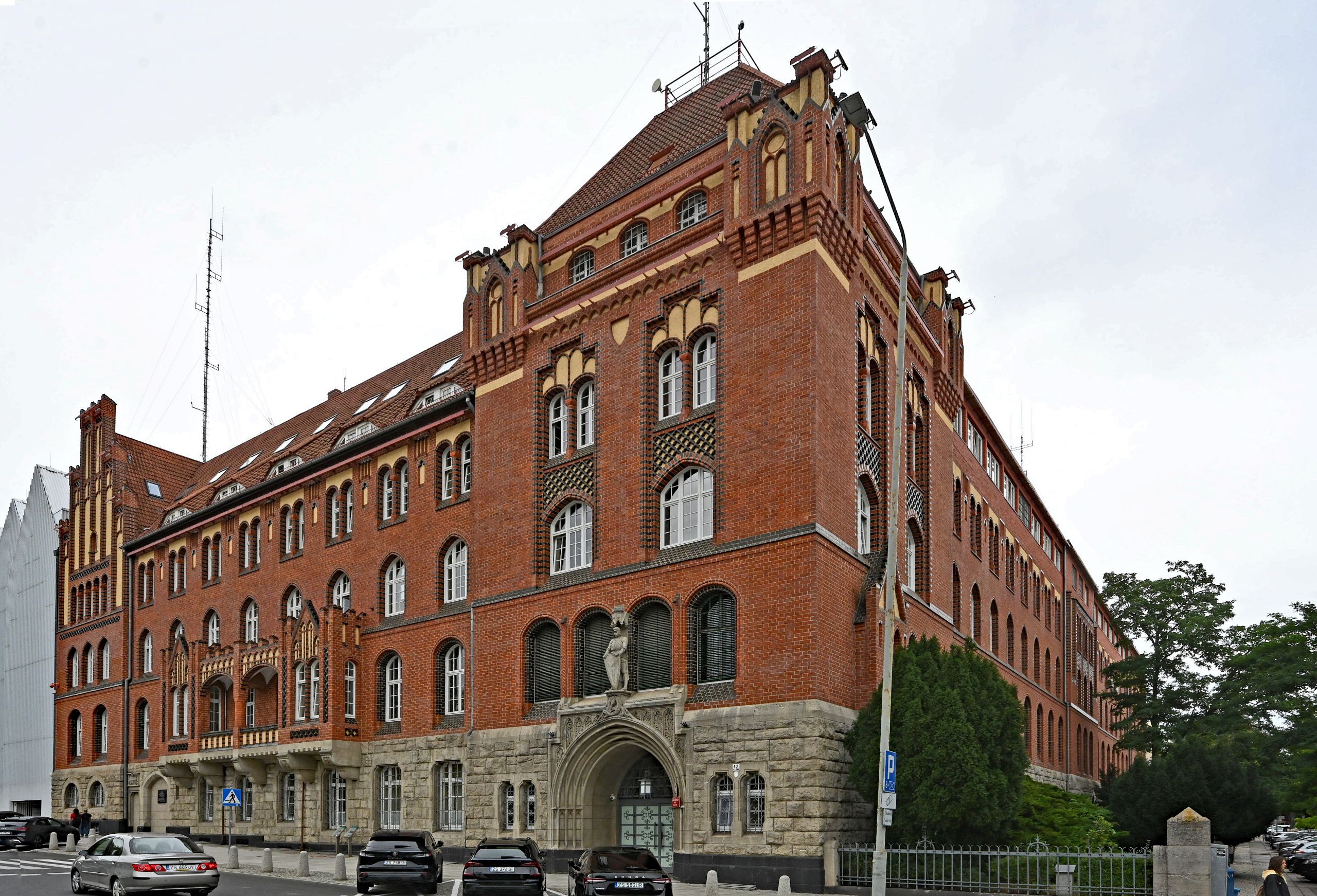
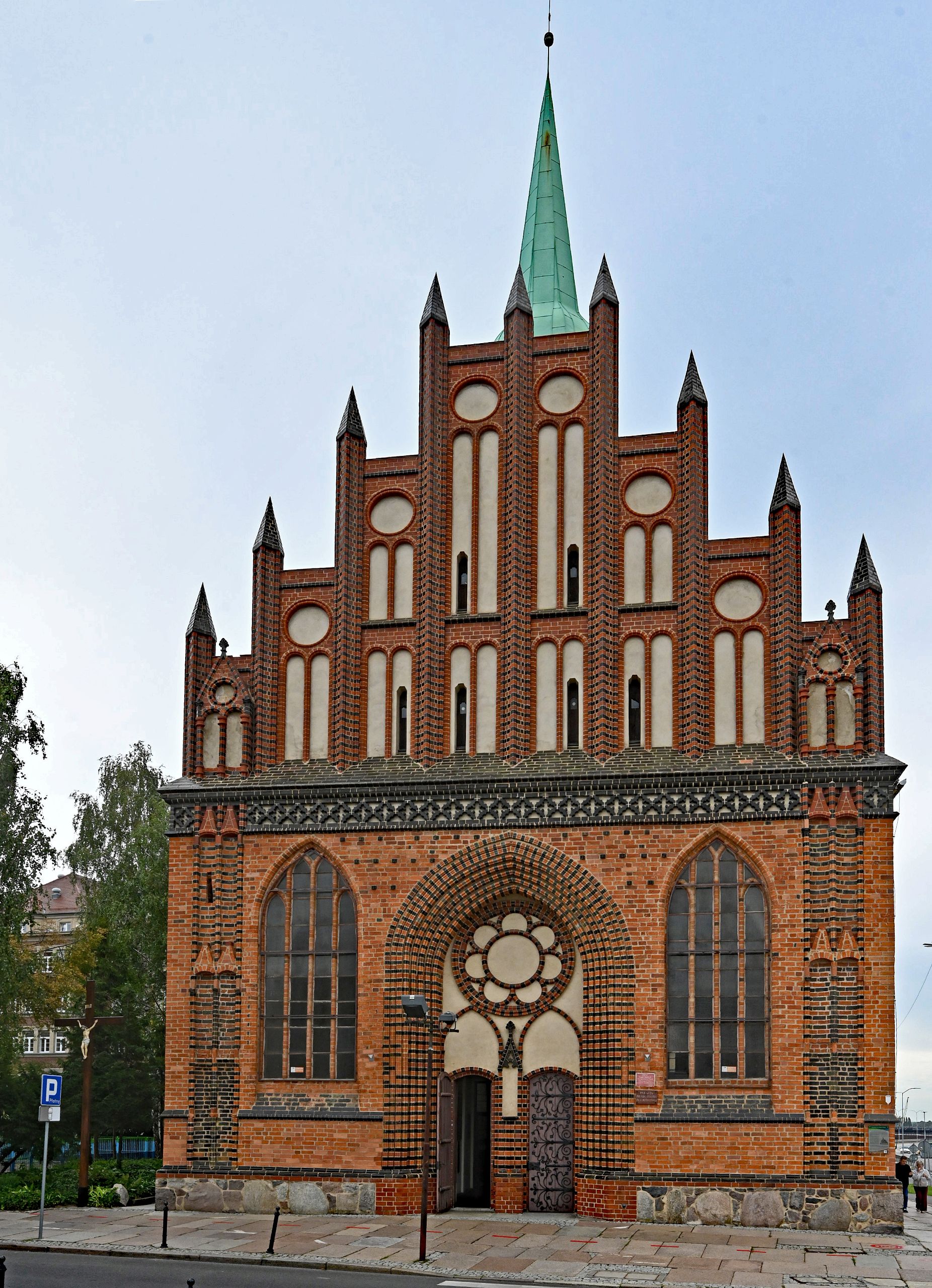
On our way back toward the city center, at the corner of ulica Małopolska and ulica Starzyńskiego, we passed the Neo-Gothic West Pomeranian Provincial Police Headquarters (Komenda Wojewódzka Policji), built between 1902 and 1905. Above its rusticated stone base, a stone Roland statue keeps watch over the main portal, while right next door the snow-white, jagged gables of the modern Szczecin Philharmonic created an exciting architectural contrast. Yet our true goal for the afternoon was the city’s great Gothic brick churches, which rise like red lighthouses above the cityscape. First on our route was the Church of Saints Peter and Paul (Kościół św. Piotra i Pawła), whose origins date back to Bishop Otto of Bamberg’s Pomeranian mission in 1124. Its present Late Gothic form from the 15th century captivated us immediately: the richly articulated, stepped gable with its slender pinnacles, white-plastered pointed-arch blind niches, dark glazed brick bands, and pointed, green-patinated roof turret looks as though it were embroidered out of red brick.
Gallery 3: Szczecin’s Gothic Church Treasures and Brick Landmarks
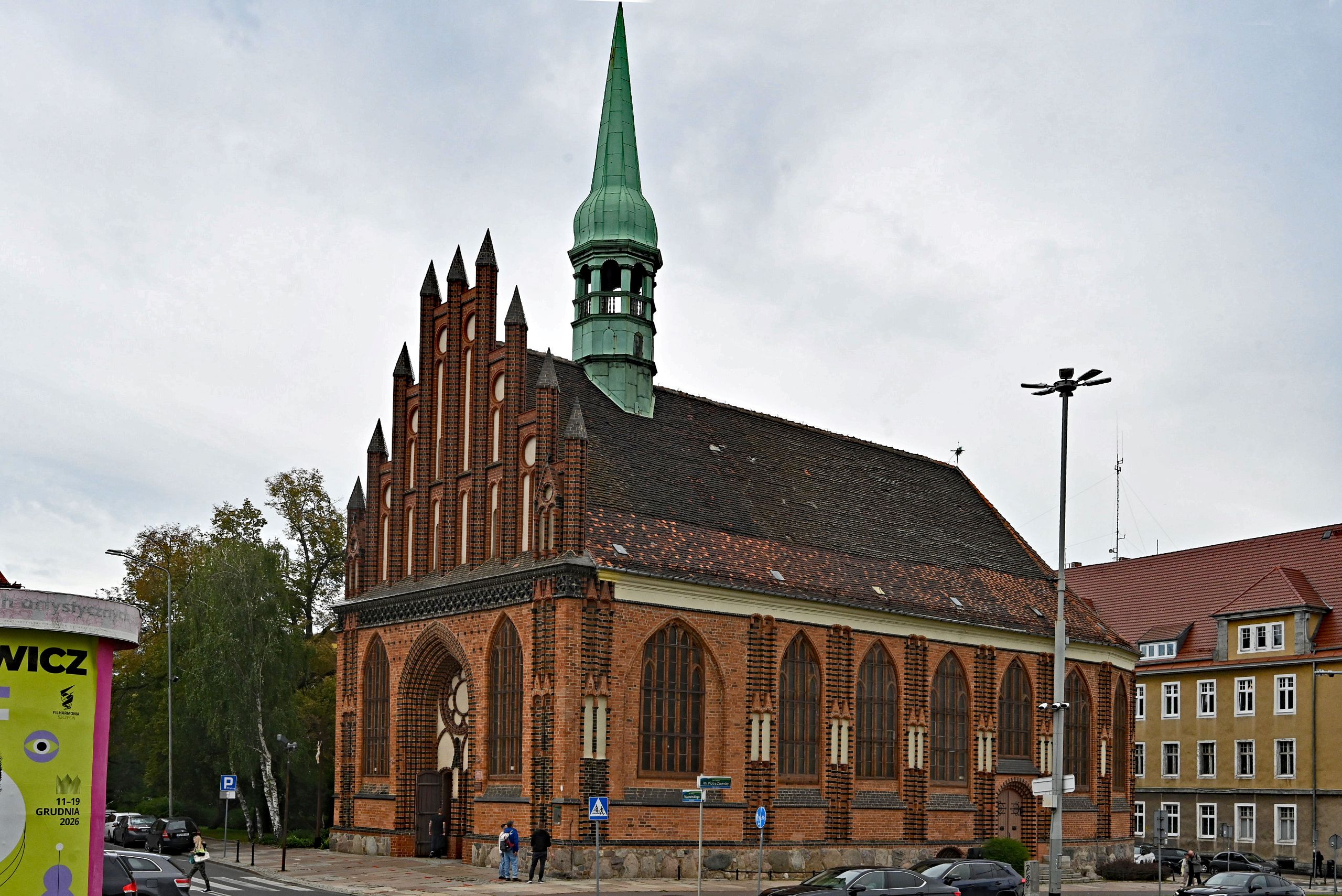
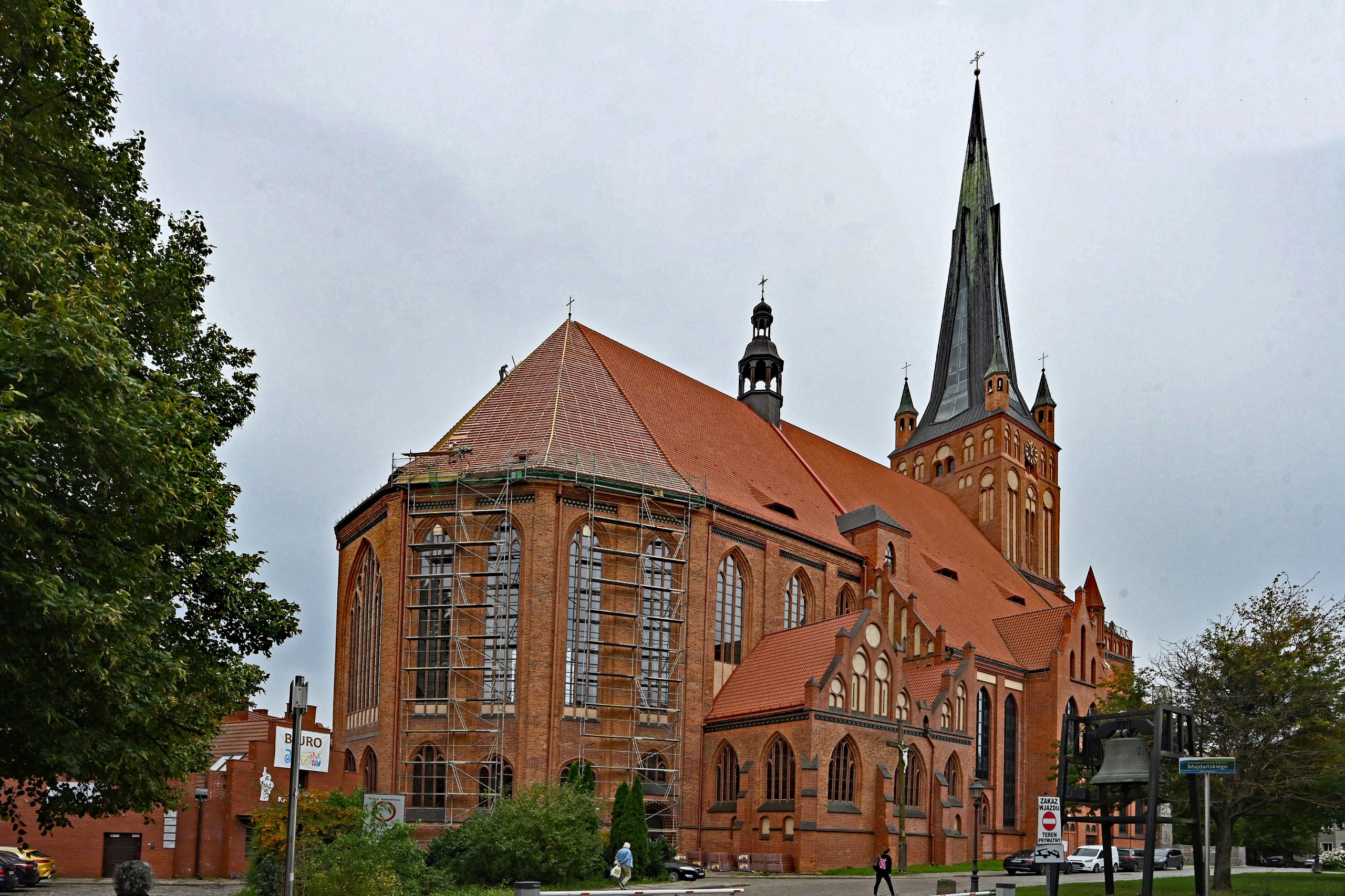
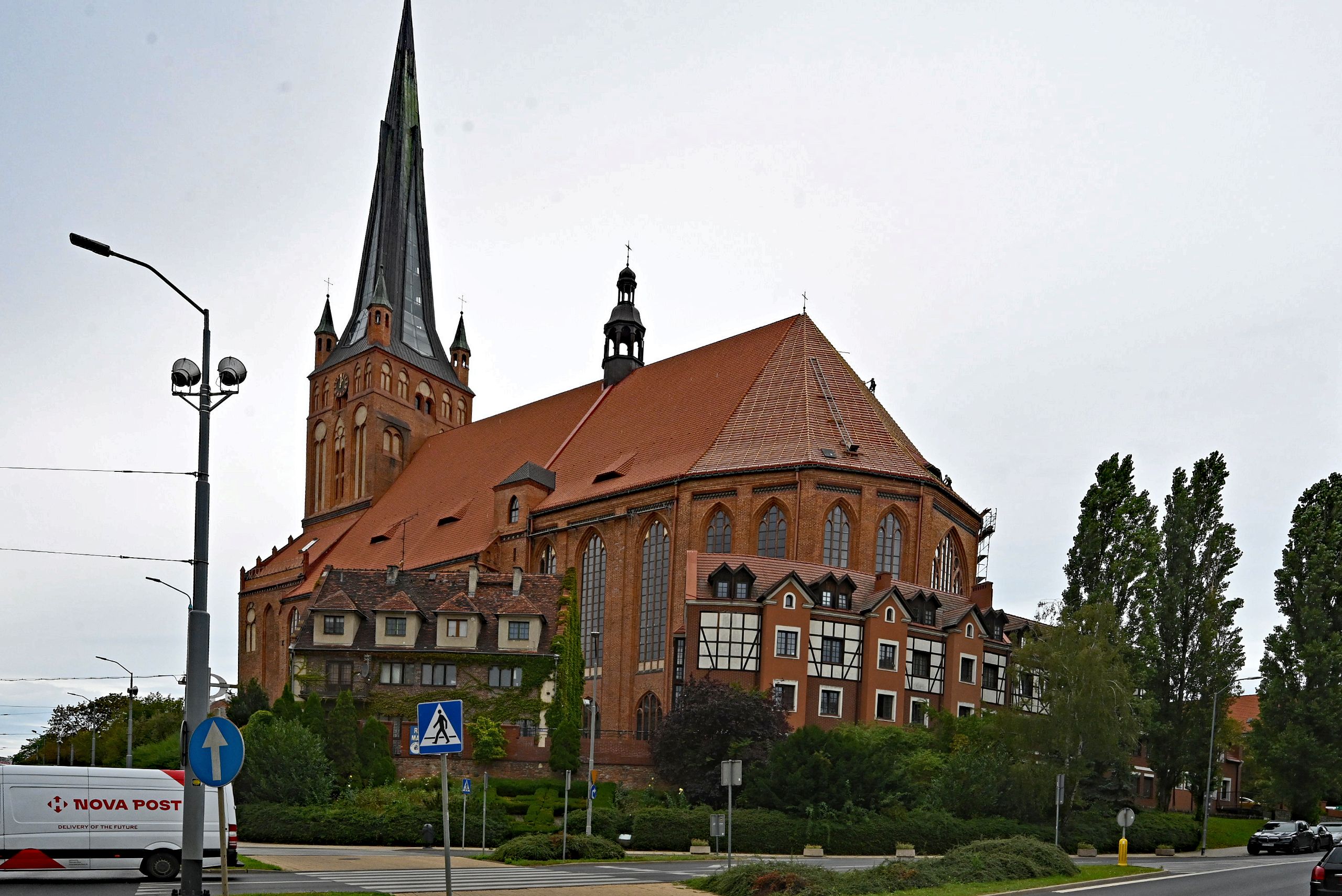
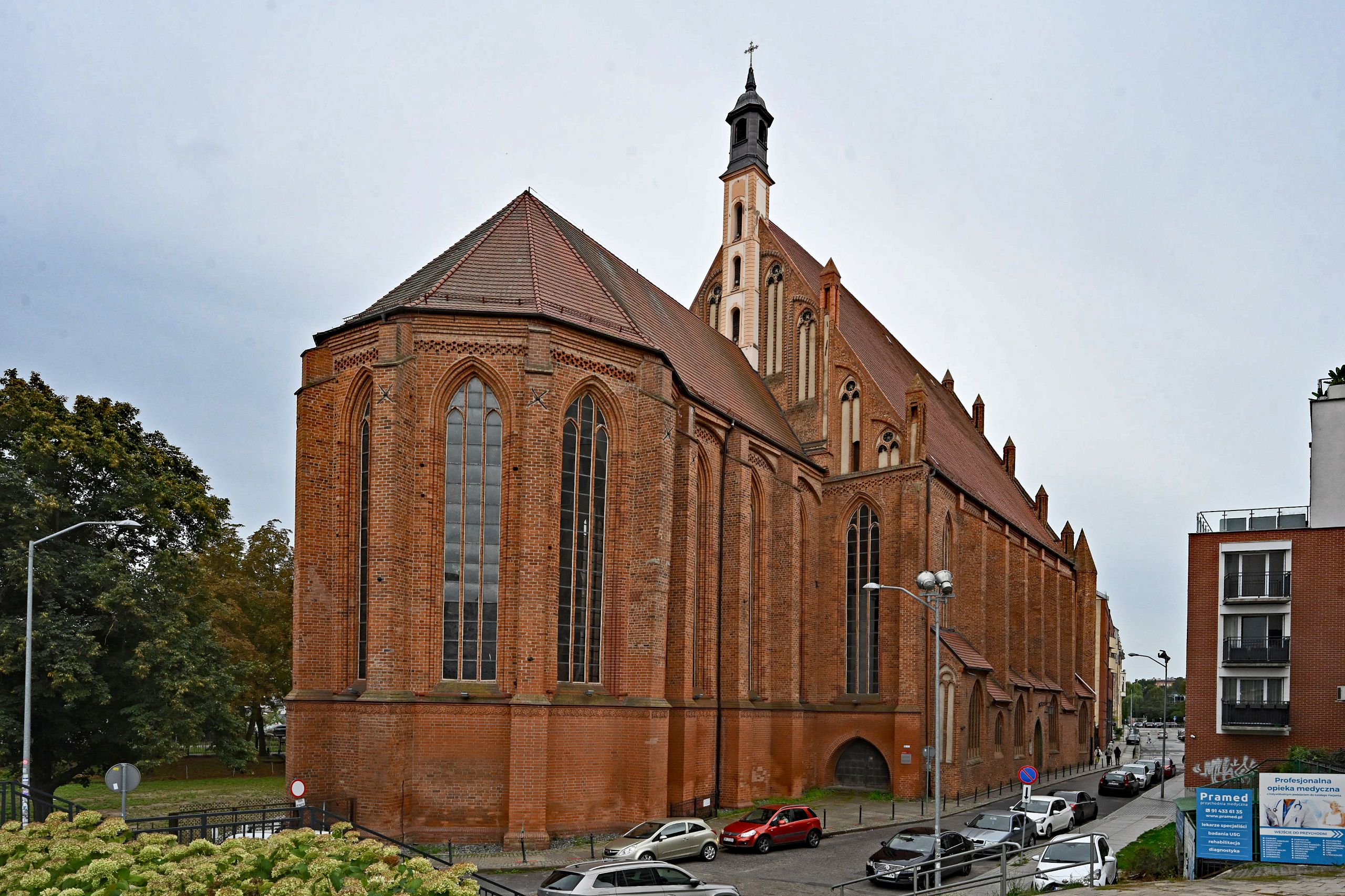
From there, the spire of St. James’s Cathedral (Bazylika Archikatedralna św. Jakuba Apostoła), rising over 110 meters into the sky, served as our next landmark. As the mother church of the Archdiocese of Szczecin-Kamień, this massive 14th- and 15th-century hall church dominates the entire Old Town. We walked around the monumental edifice, admiring the light-filled polygonal choir with its tall lancet windows, the free-standing historic church bell in its steel frame on the east side, and the picturesque half-timbered and rectory buildings nestled against the green terraced walls beneath the nave on the south side. Finally, the atmospheric conclusion to our walking tour was the Church of St. John the Evangelist (Kościół św. Jana Ewangelisty) near the Oder riverbank on ulica Świętego Ducha. Built by Franciscans starting in the 14th century, this former monastic church impressed us with its austere, powerful brick architecture, tall choir, and slender, white-plastered roof turret. When we returned to our car shortly afterward, Hanusia and I looked back on an unforgettable day in which Szczecin had deeply impressed us with its blend of medieval Brick Gothic, princely Renaissance, and majestic Wilhelmine-era architecture.