May 31, 2021 – A Sunny Start in Historic Saint-Ursanne
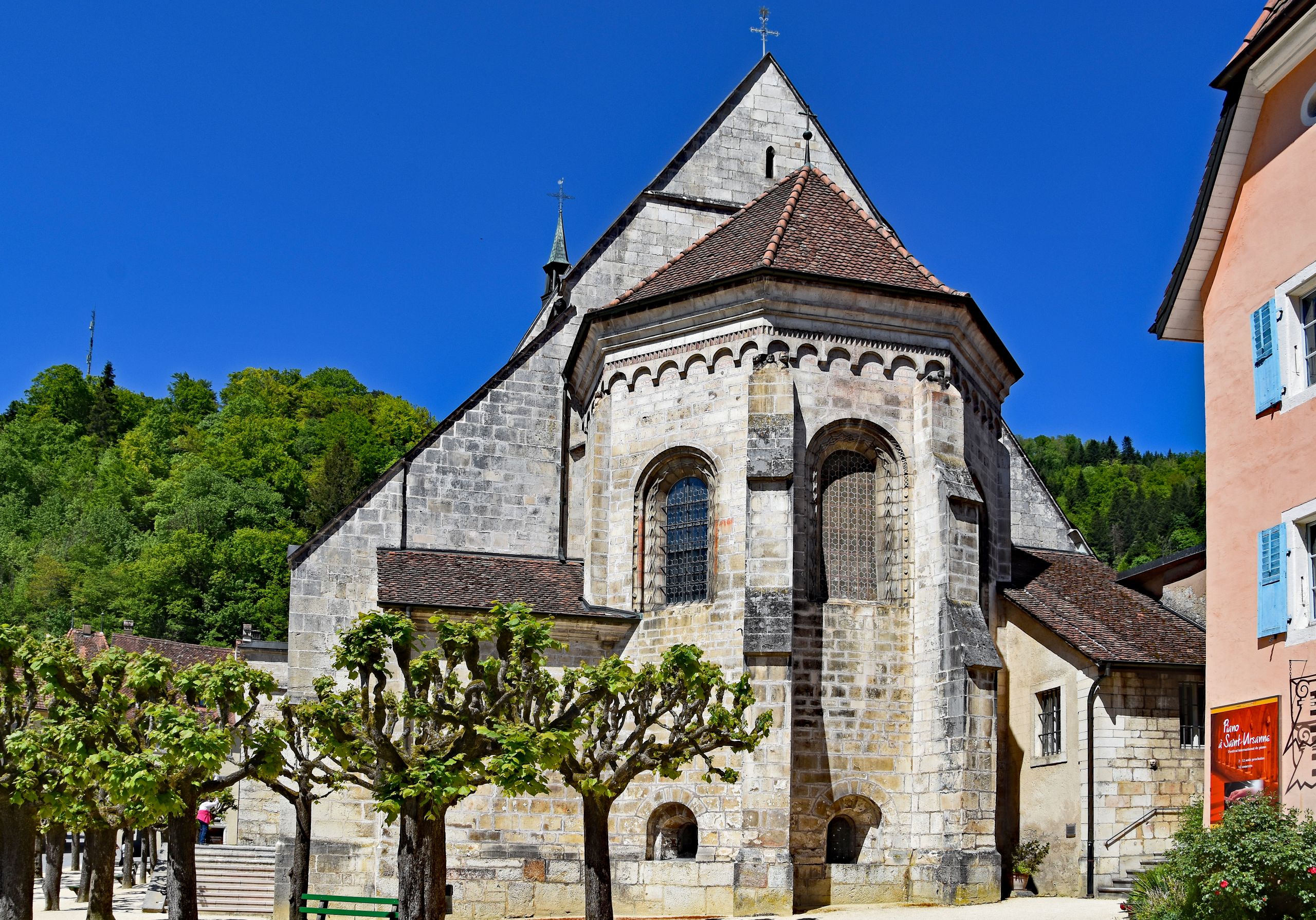
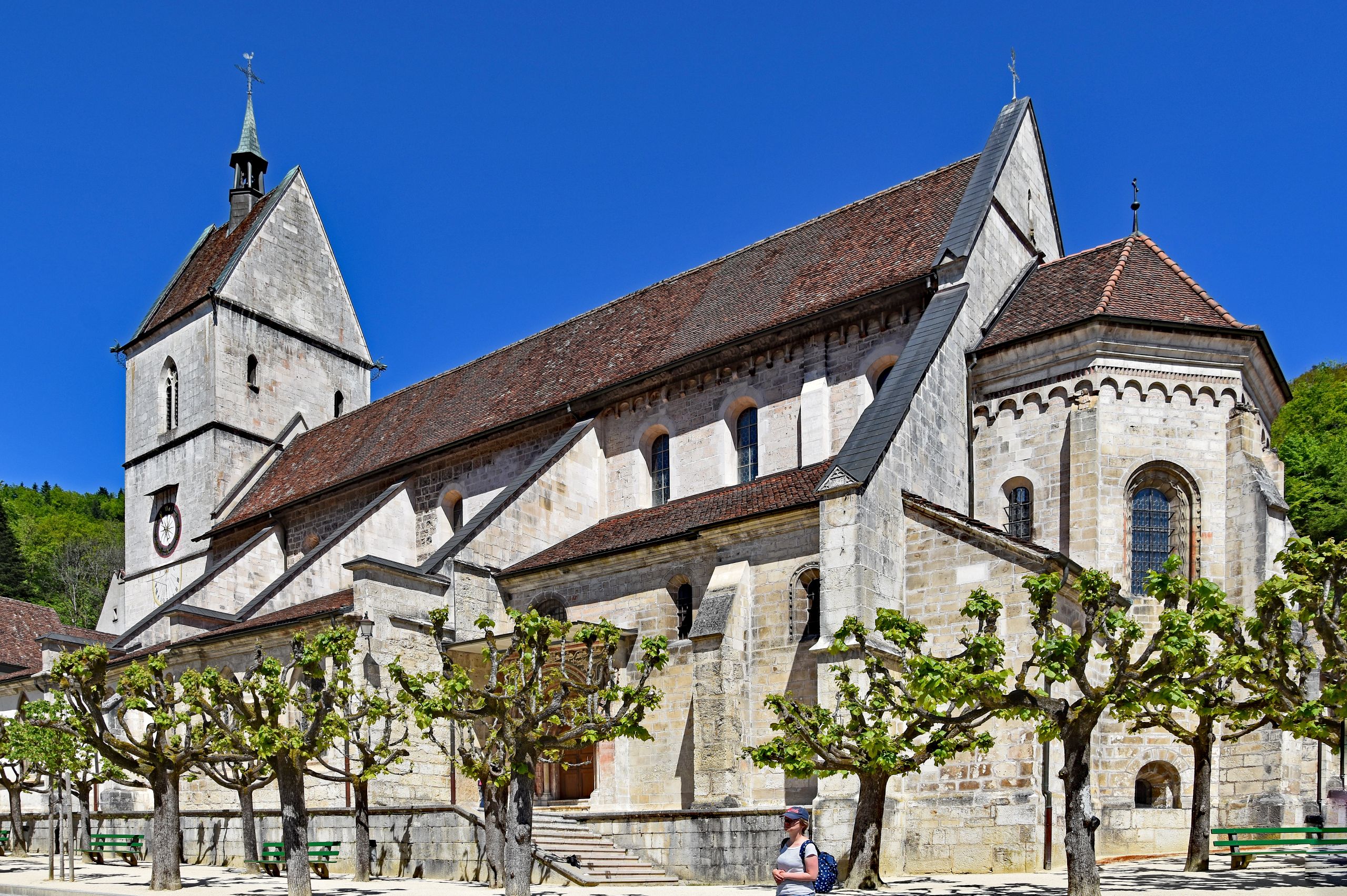
My journey begins on a bright spring morning in the Jura town of Saint-Ursanne, nestled like a hidden gem in a tight bend of the Doubs River. Even the first steps across the cobblestones feel like a journey back to the 7th century, when the Irish monk Ursicinus lived here as a hermit and laid the foundation for the later monastery. At the center of the small town rises the imposing Collégiale de Saint-Ursanne. Built between the 12th and 13th centuries from pale Jura limestone, this three-aisled Romanesque basilica deliberately omits a transept, giving it a remarkably clean and serene silhouette. While the semicircular eastern apse with its delicate round-arch friezes remains entirely faithful to the Romanesque style, the massive bell tower was rebuilt in the Gothic style following a fire in 1442. Particularly impressive is the richly decorated south portal, whose sculptural artistry was unmistakably inspired by the Gallus Gate of Basel Minster.
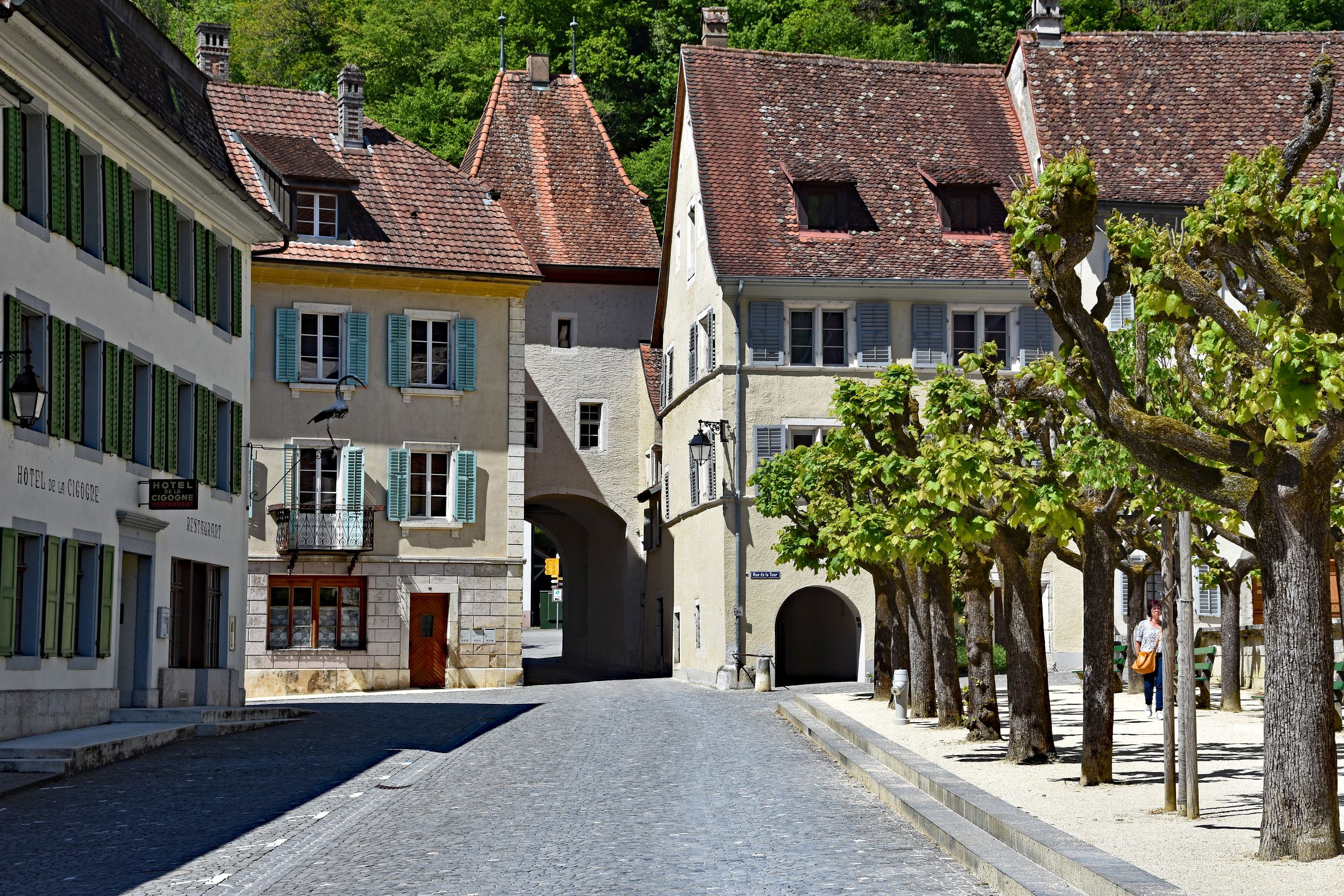
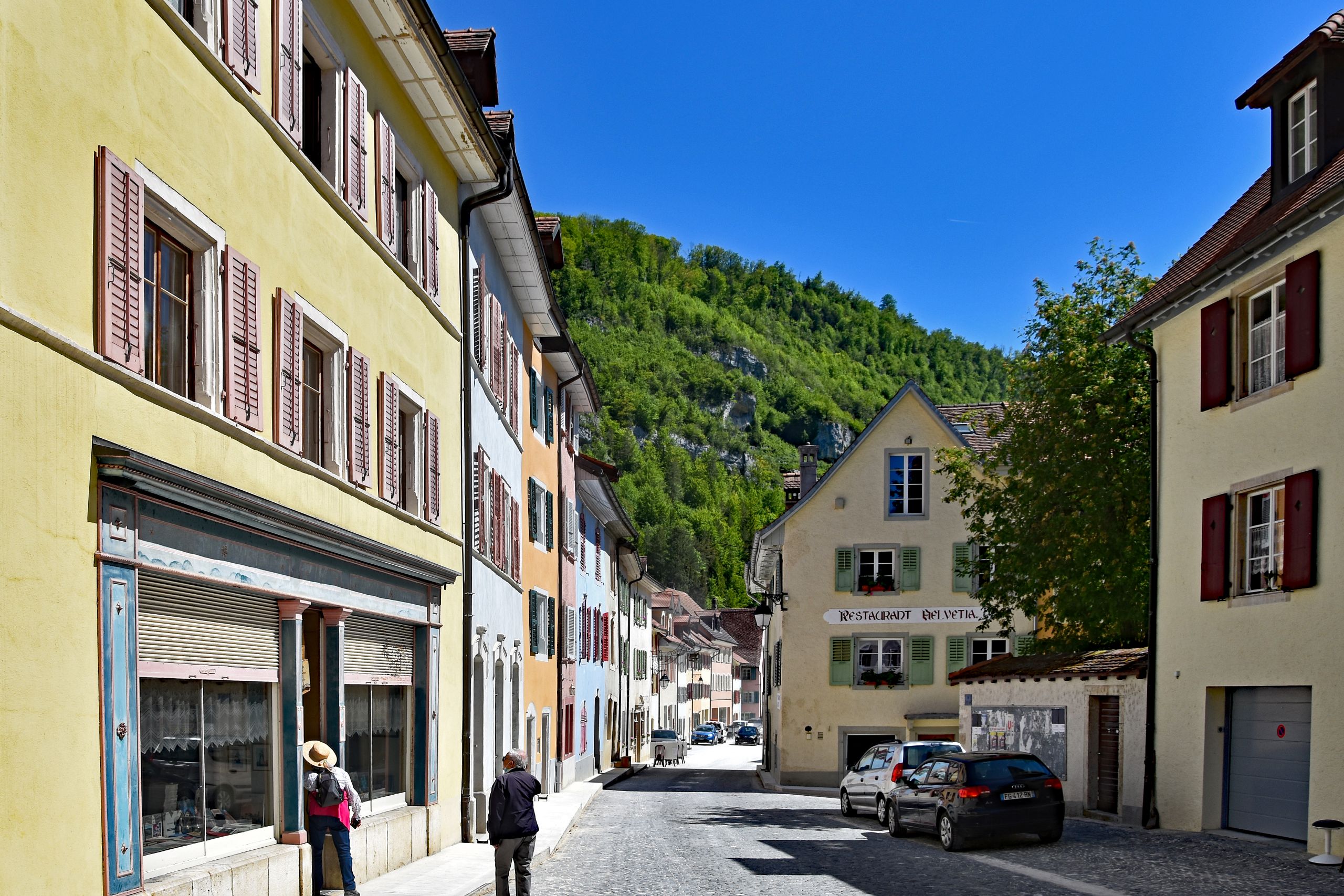
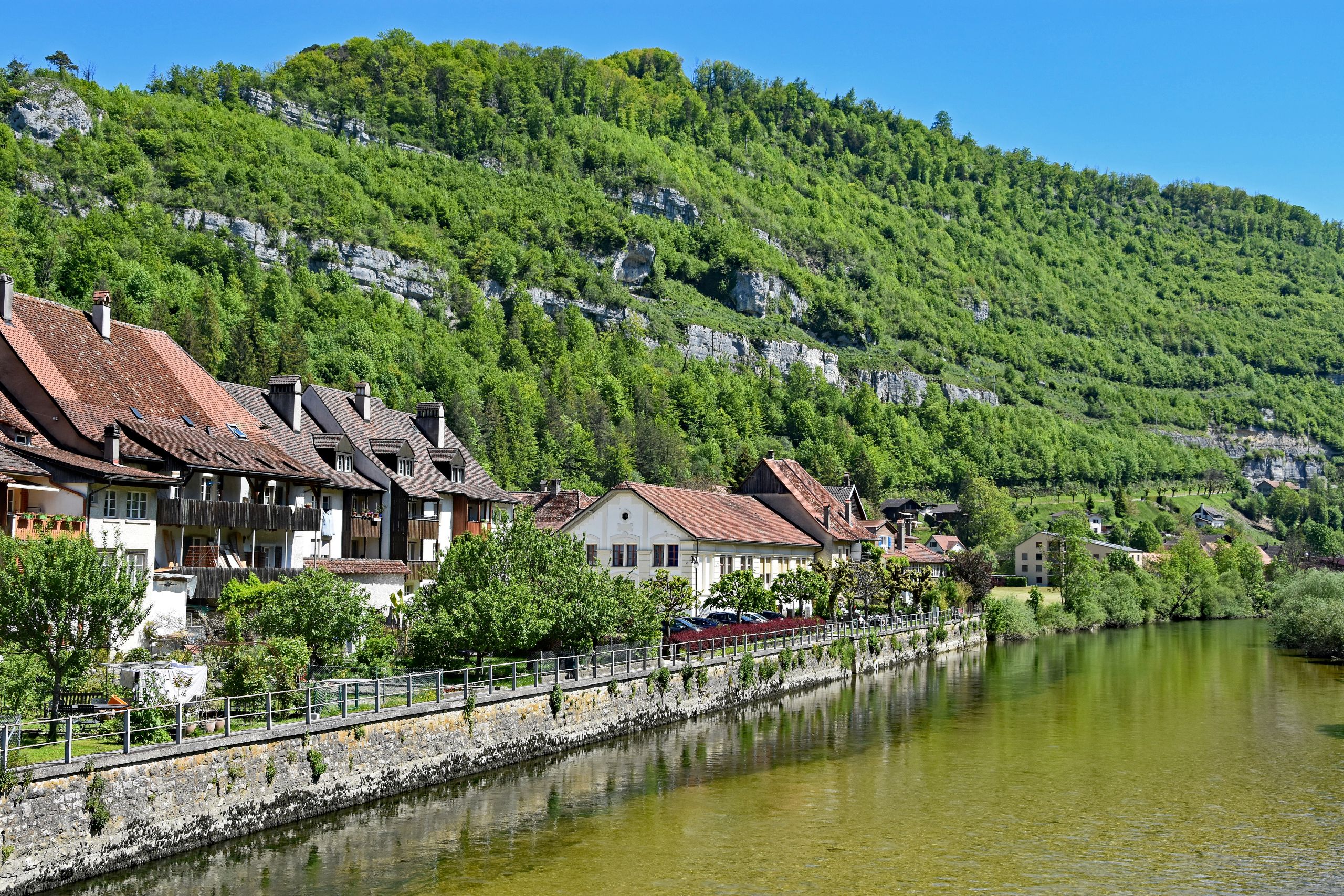
Right next to the church square, I stroll through quiet alleys past well-kept townhouses with colorful shutters and traditional inns such as the Hôtel de la Cigogne and the Restaurant Helvetia. Forming the southern boundary of the old town is the medieval Porte Saint-Jean, one of the three surviving town gates. Its foundations date back to the late Middle Ages, though after severe destruction, the gate was rebuilt at the end of the 17th century with a pointed tiled roof and a characteristic horseshoe-shaped stair turret. Stepping through this gate brings you directly to the calm, greenish-shimmering banks of the Doubs, where old stone houses with wooden balconies nestle closely against the historic riverside wall, overlooked by the steep, rocky, forested slopes of the Jura.
Gallery: Medieval Architecture and Alleyway Charm in Saint-Ursanne
Upstream Through the Emerald Valley to Soubey
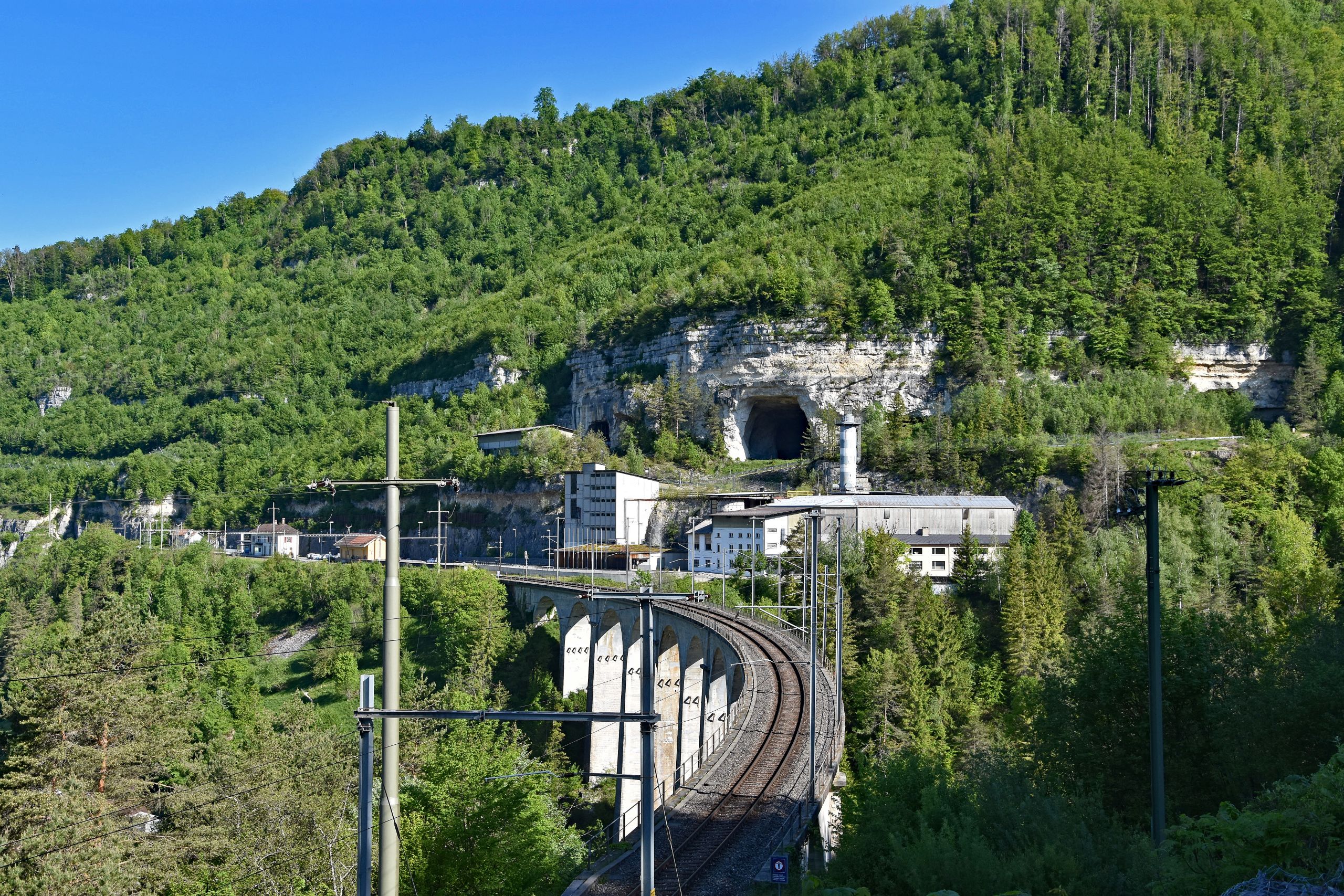
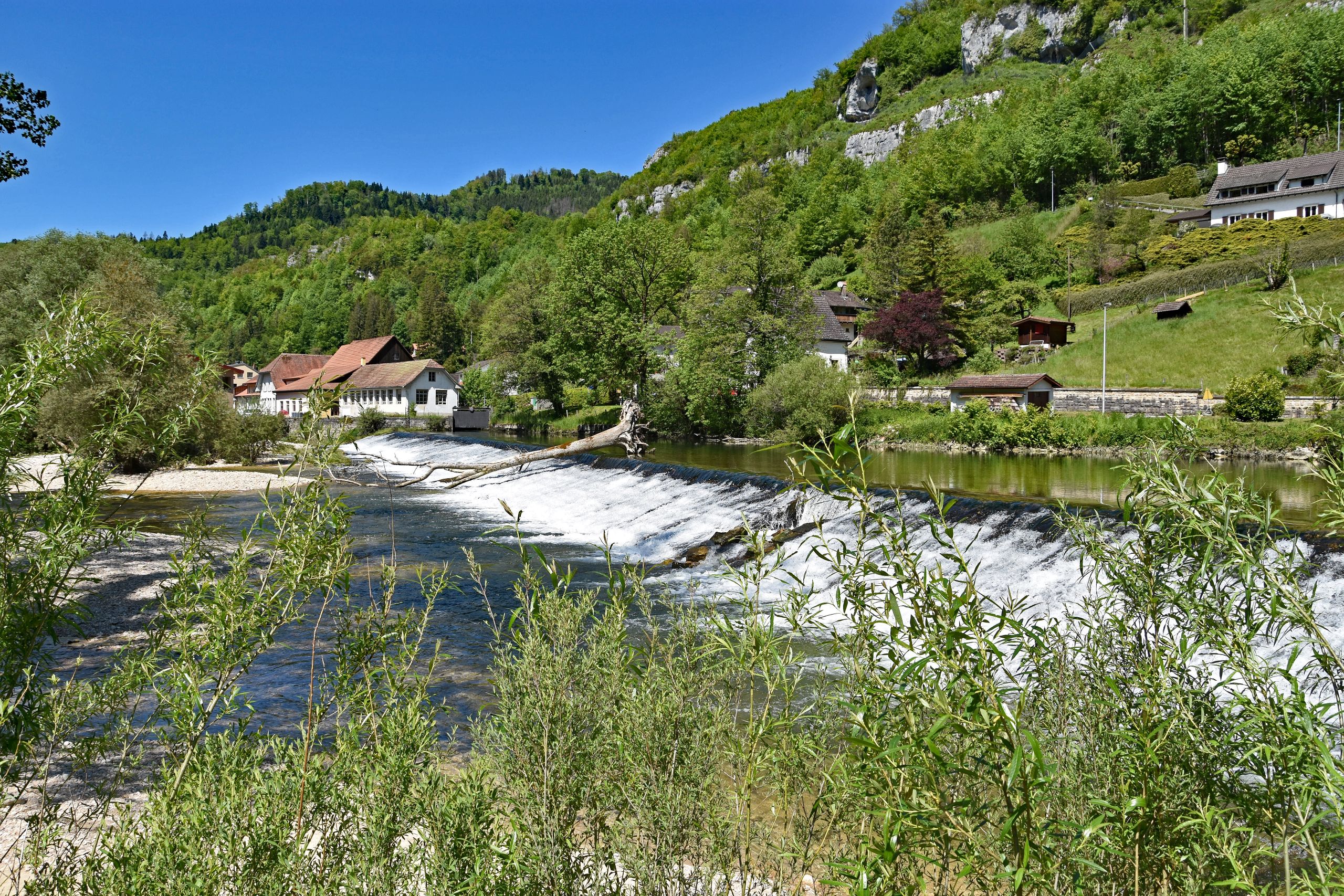
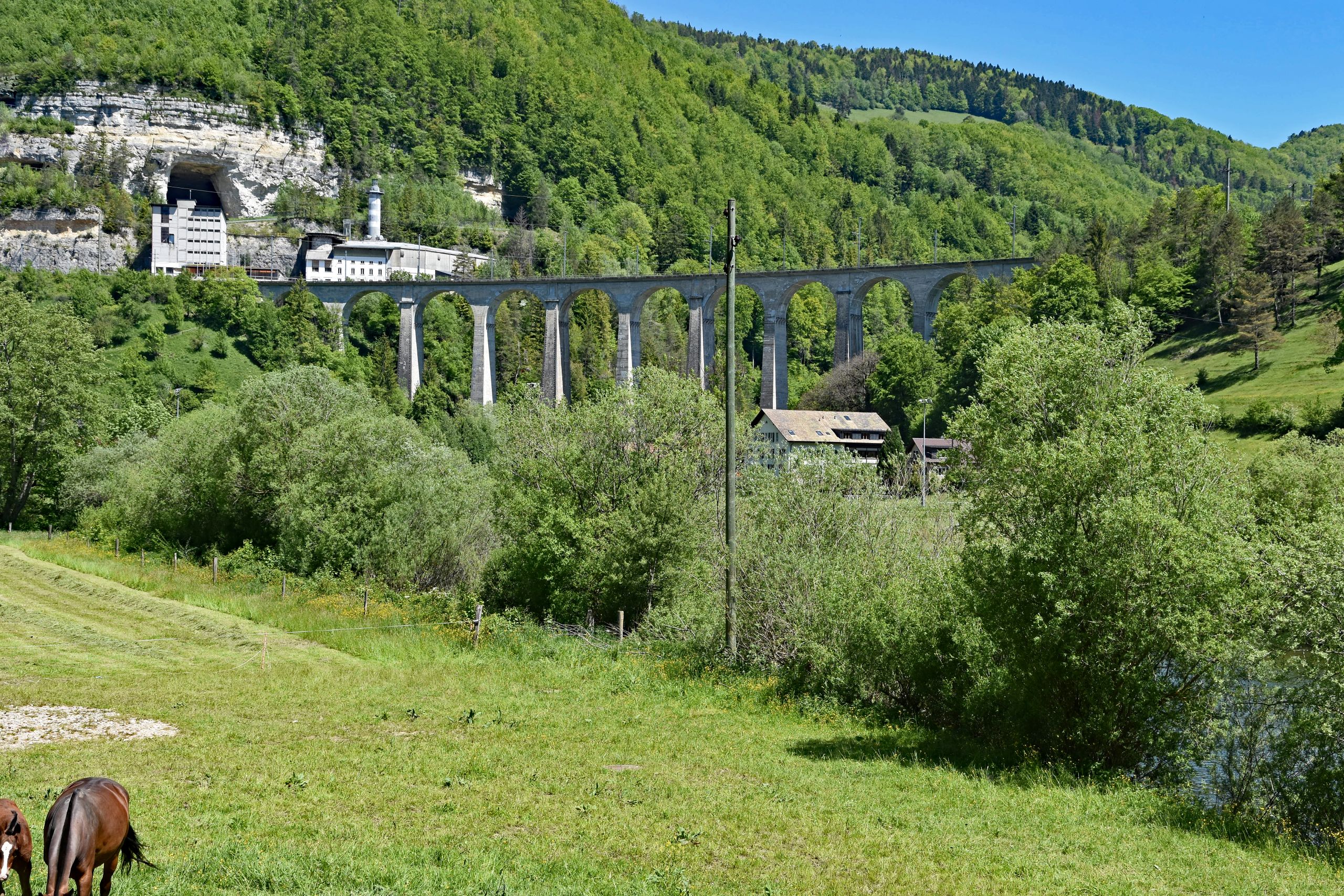
On the outskirts of Saint-Ursanne, I leave the historic walls behind and follow the riverside trail upstream toward Soubey. An initial roar announces a wide river weir, over which the Doubs plunges foaming into the depths before settling down again. Shortly thereafter, a view opens up behind me onto an impressive monument of engineering and industrial history: high above the valley, the Combe Maran Viaduct spans the side valley in an elegant curve. Originally built between 1875 and 1877 as an iron lattice girder bridge for the Delémont–Delle railway line, the 237-meter-long and 44-meter-high structure was reinforced with twelve concrete arches in 1929/30 while rail traffic continued uninterrupted. Clinging directly to the rock at the left bridgehead is the former lime factory Fours à Chaux, founded in 1907, behind which a massive cavern gapes into the mountain as the entrance to an eleven-kilometer tunnel system.
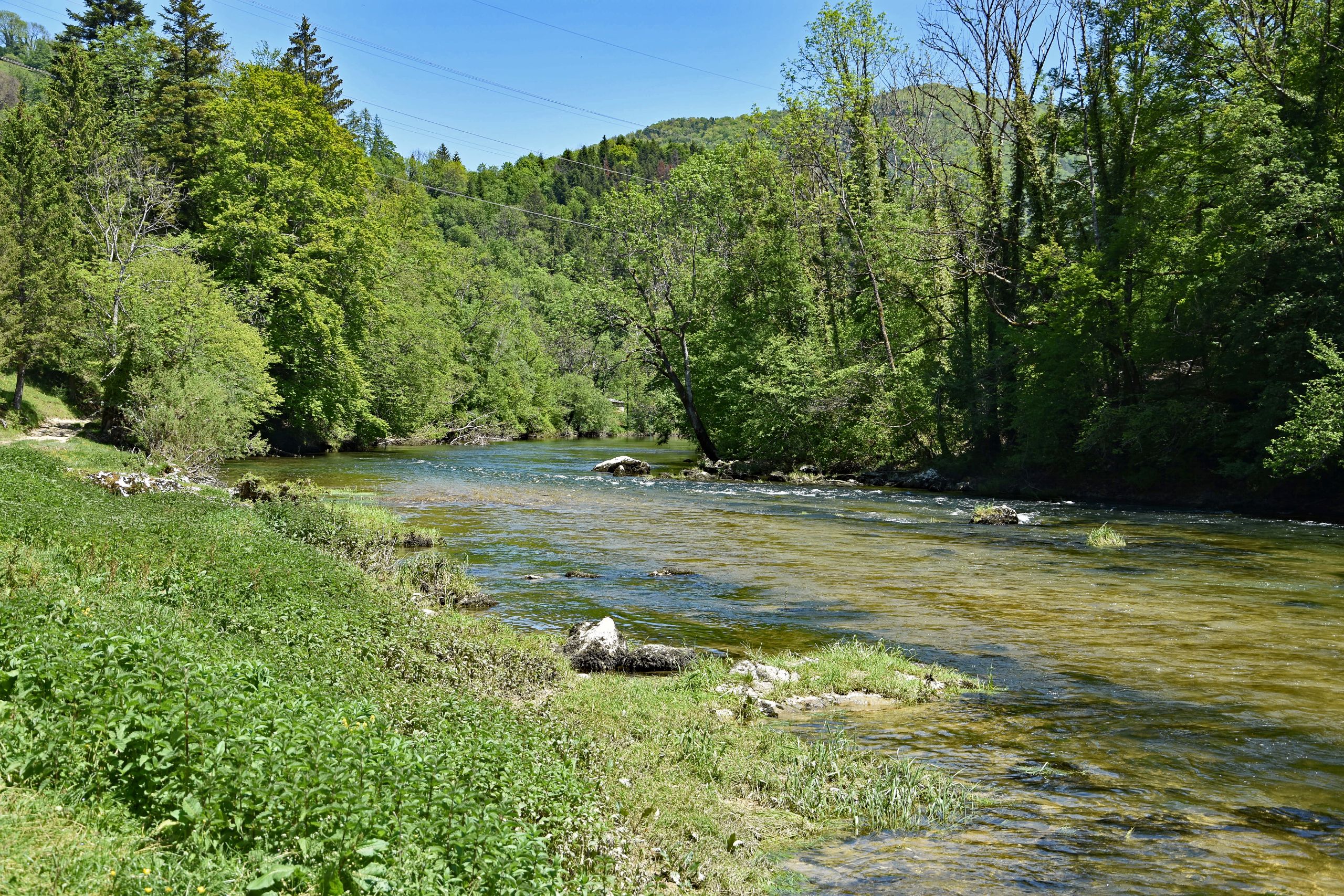
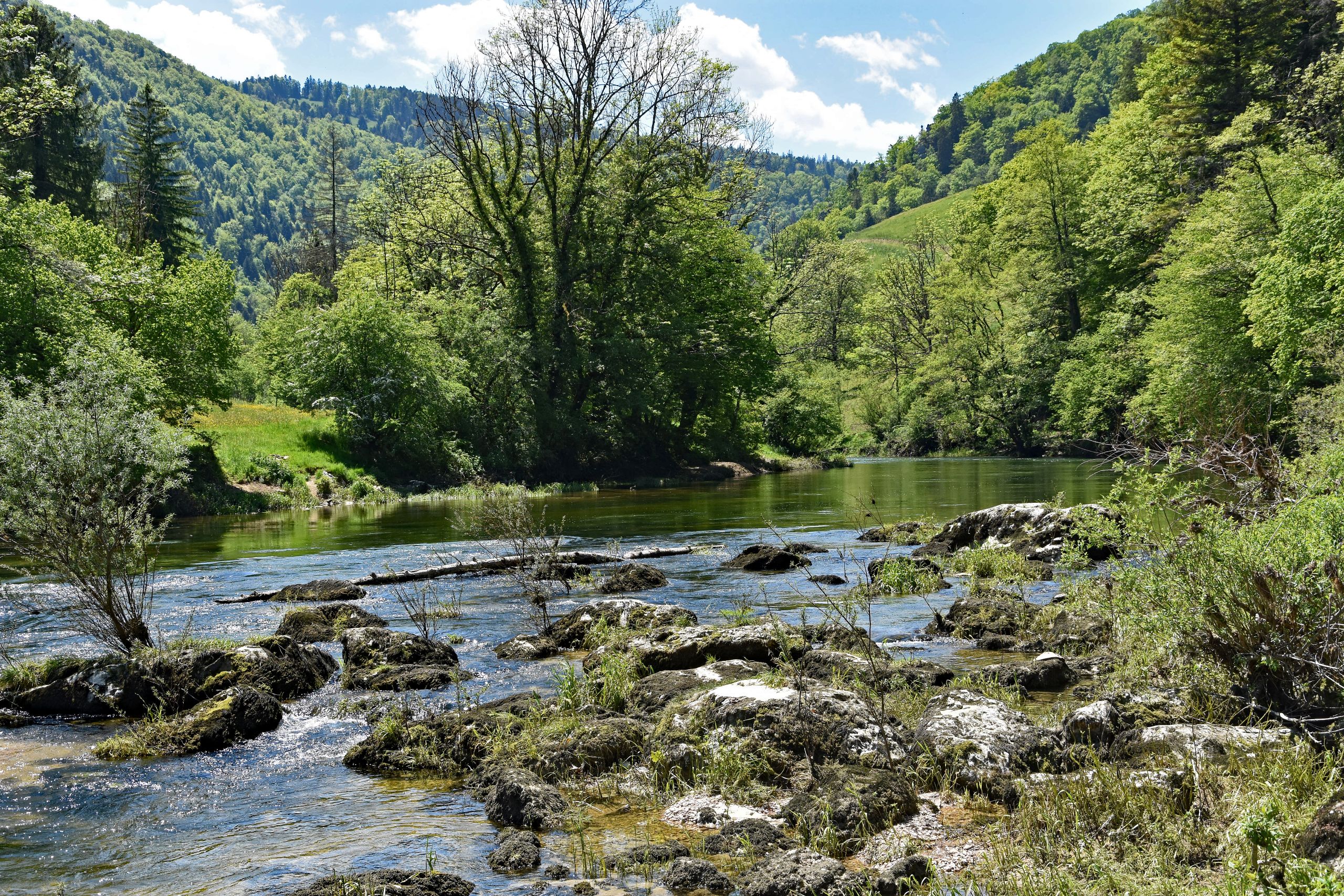
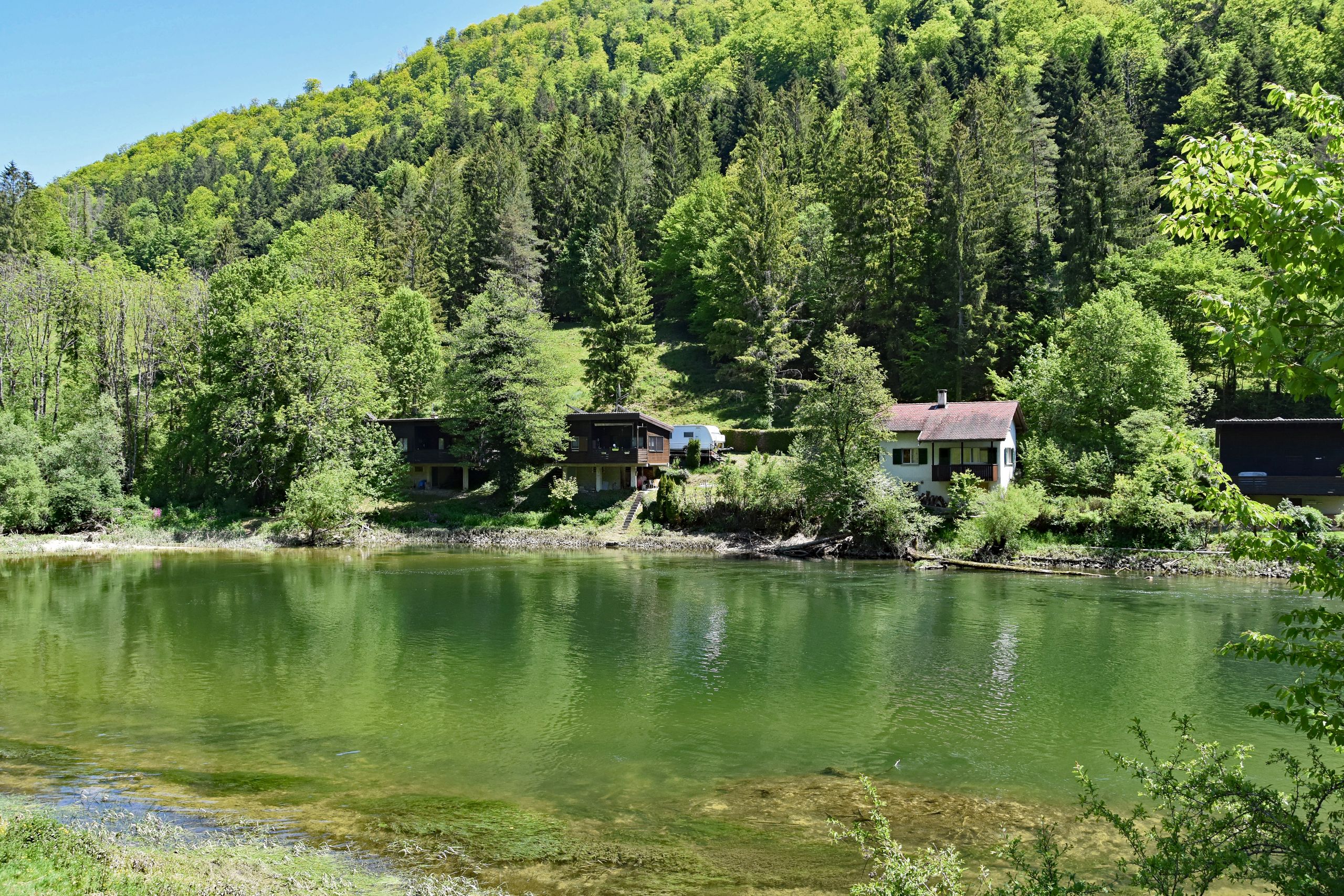
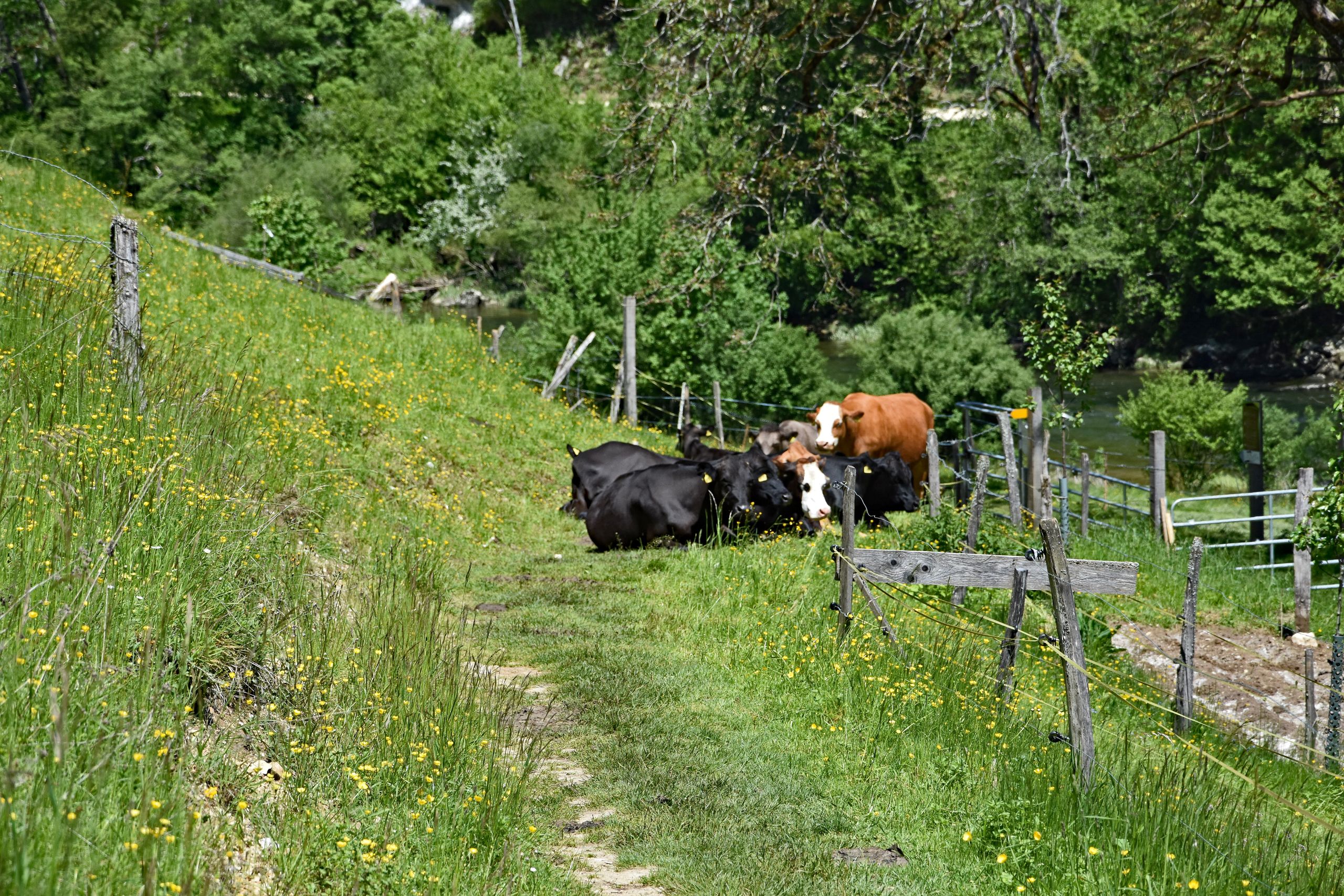
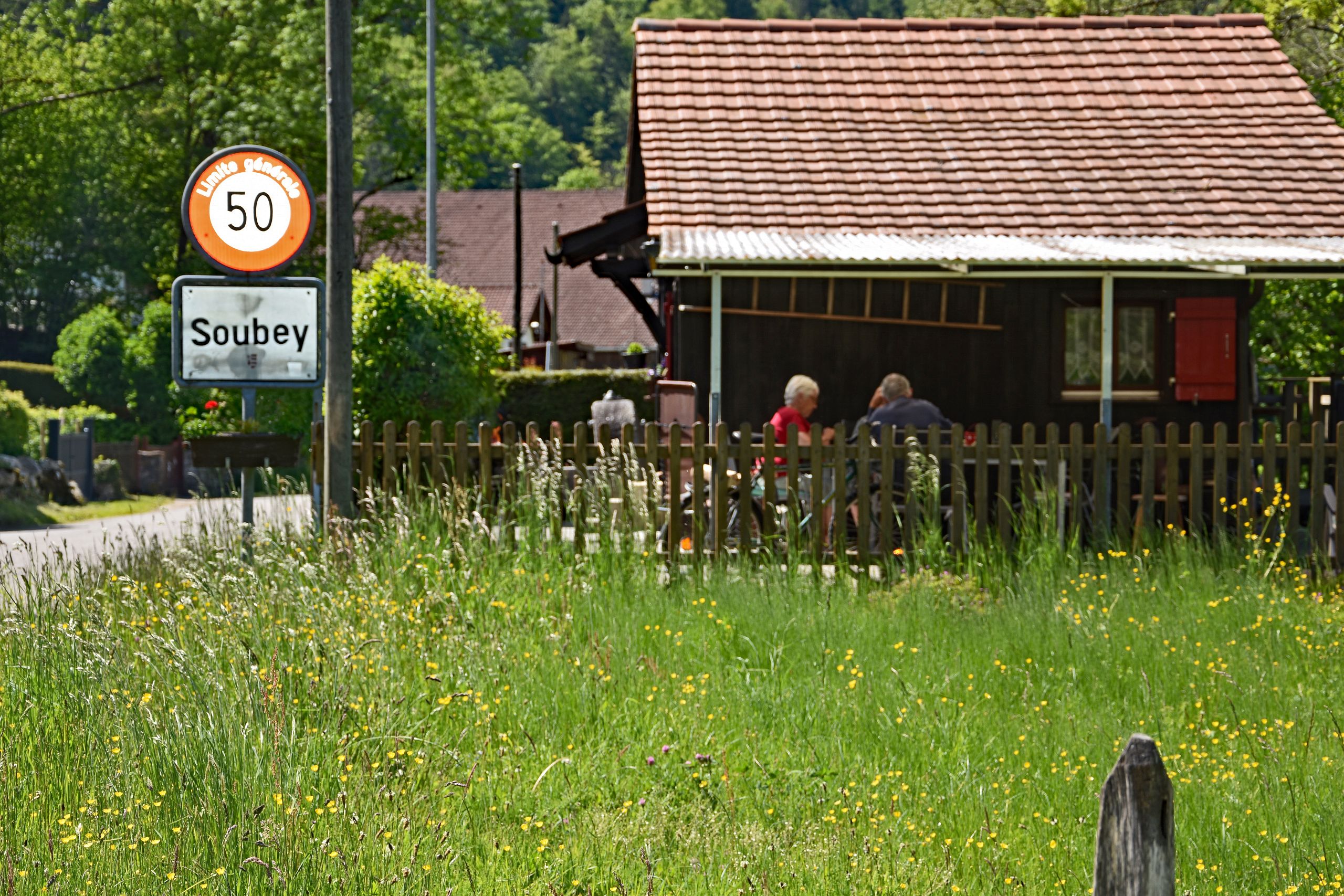
The deeper I venture into the protected valley of the Clos du Doubs, the more untouched the landscape becomes. The hiking trail winds closely along the water. At times, the Doubs flows crystal-clear and shallow over golden-brown gravel bars; at others, it bubbles over moss-covered limestone boulders before calming once more into deep, emerald-green pools, along whose banks isolated holiday cottages disappear into the lush May green of the woods. On sunny flower meadows dotted with yellow buttercups, I eventually encounter a resting herd of cattle that has made itself comfortable right in the middle of the narrow path. With a healthy dose of respect and a cautious detour around the watchfully gazing animals, I master this little adventure as well—and shortly afterward stand relieved and content in front of the town sign of Soubey.
Gallery: Along the Doubs – From Engineering Marvels to Quiet River Meadows
June 1, 2021 – Morning Views from the Jura Heights and Farewell by Rail
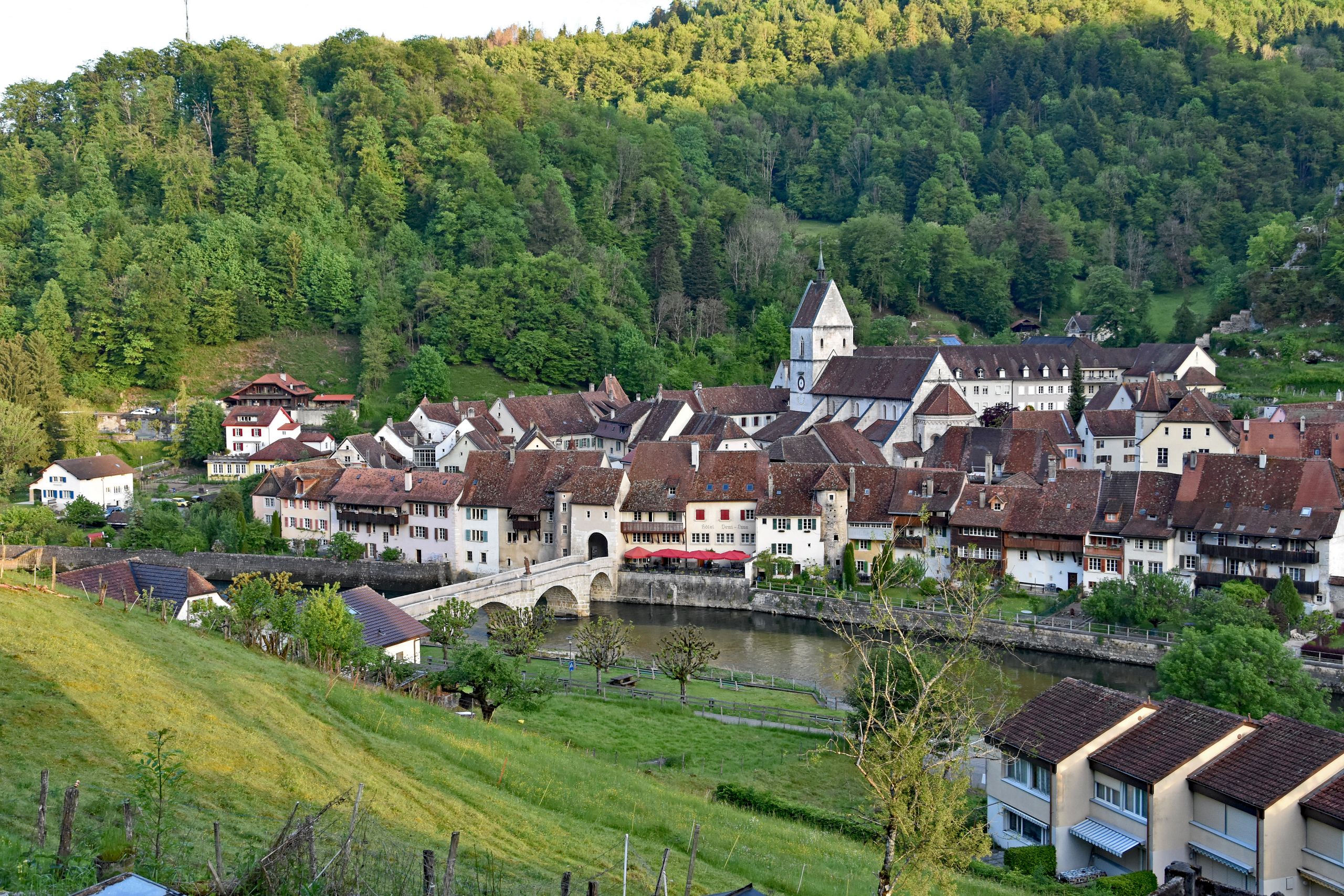
After a restful night at a farm perched high up on the Jura heights, my path leads me back down into the valley the next morning. From the freshly mowed meadows high above the town, an unforgettable panorama of Saint-Ursanne unfolds in the soft morning light. As if on a historic postcard, the brown tiled roofs huddle closely together, topped by the tower of the Collegiate Church and connected by the elegant, four-arched stone bridge Pont Saint-Jean. This listed monument was built in 1729 after floods had repeatedly washed away earlier wooden bridges, and to this day, a statue of Saint John of Nepomuk, the patron saint of bridges, stands watch in its center.
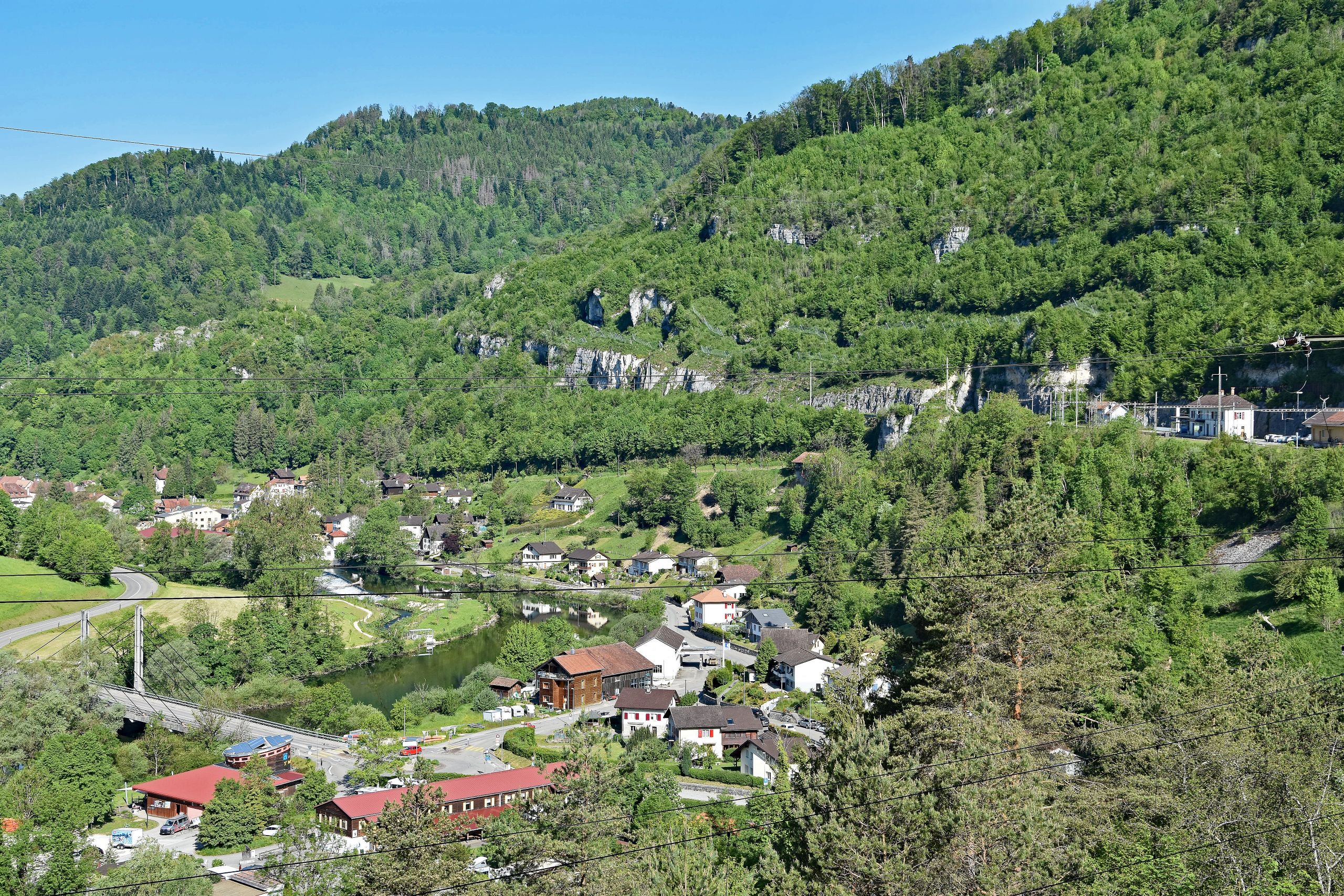
For the onward journey to La Chaux-de-Fonds, I finally head up to the Saint-Ursanne train station, perched high on the hillside, from where a sweeping view opens up once more over the modern cable-stayed bridge and the deeply carved Doubs valley. As the train pulls out of the station shortly afterward and glides in a wide arc across the Combe Maran Viaduct, I catch one last direct glimpse of the enormous rock cavern and the old industrial buildings of the lime factory—a fascinating farewell to a landscape where nature and history are so closely intertwined.
Gallery: Bird’s-Eye Views and Onward Journey to La Chaux-de-Fonds